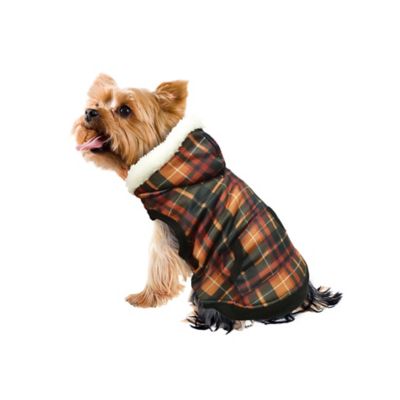
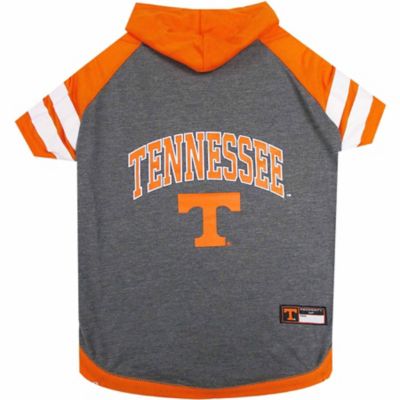
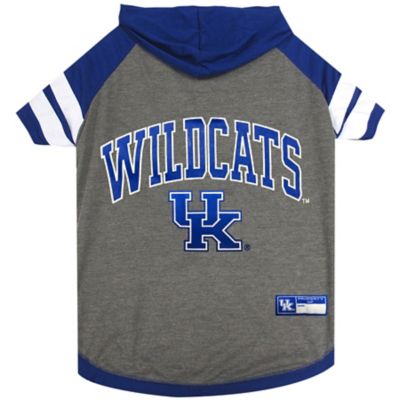
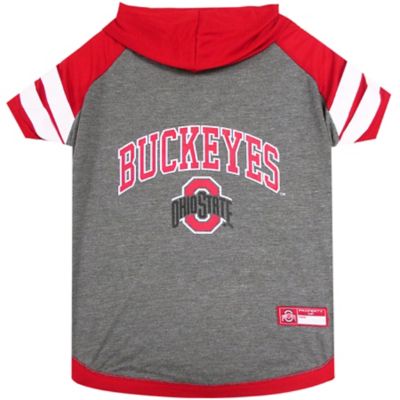
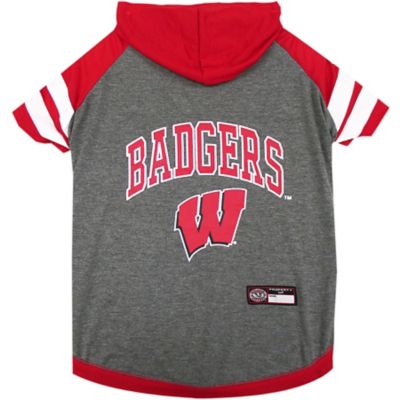
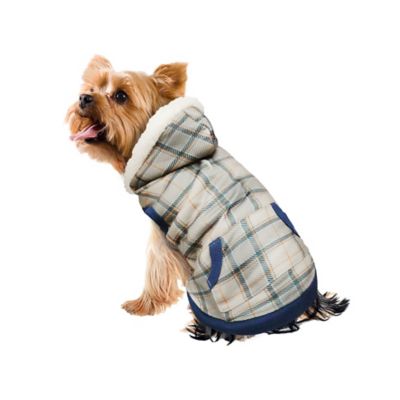
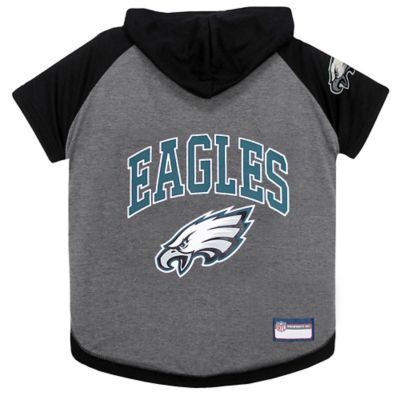
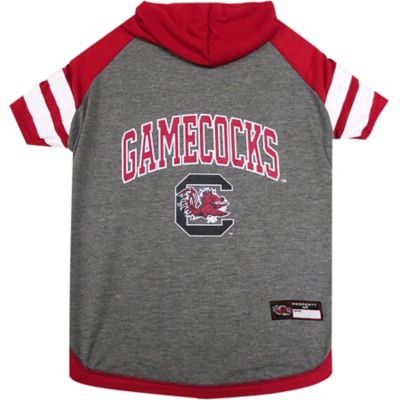
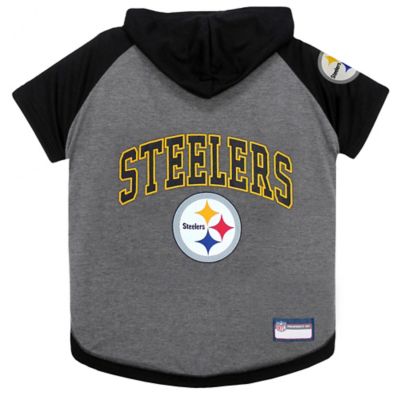
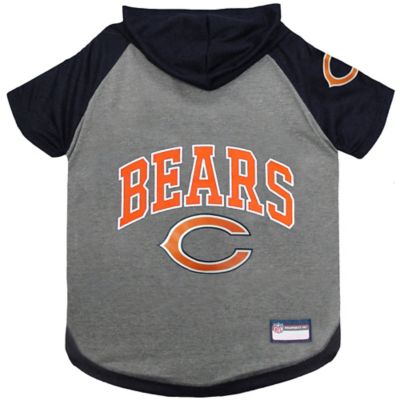
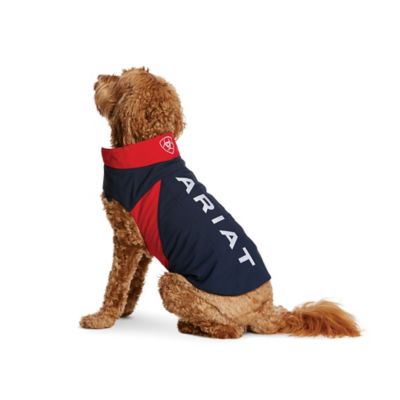
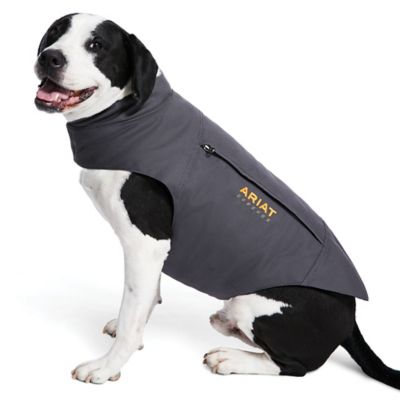
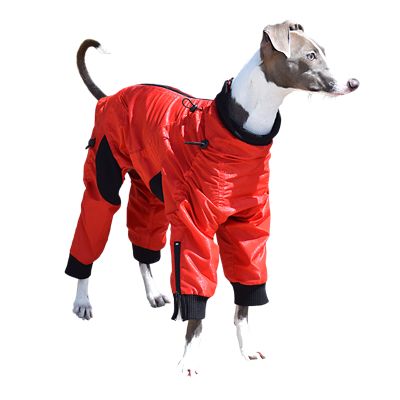
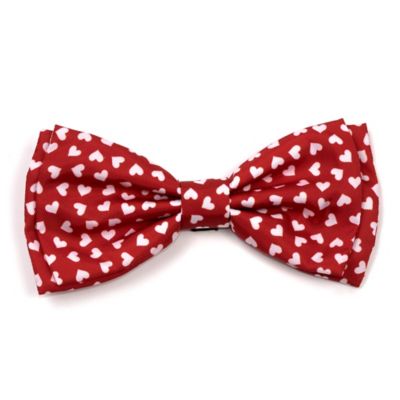
Pet hoodies for Valentine's Day bring heart-themed colors and sweatshirt comfort to the pets that make everyday life a little sweeter. Red and pink fabrics, heart prints, and playful Valentine sayings give this type of pet clothing its holiday feel, whether the occasion is a family photo on the porch, a visit with friends, or a quiet evening beside a favorite person. The sweatshirt shape is familiar: a soft body, an opening for each front leg, and a hood that can rest behind the neck. Depending on the design, a pet hoodie may pull over the head or open with hook-and-loop fasteners that make dressing less of a fuss. Cotton and cotton-blend knits can feel soft against the coat, while polyester fleece can provide a warmer layer without much weight. A brushed lining offers a different feel from a smooth jersey interior, so fabric choice matters for pets that are particular about what touches their skin. Stretch in the body and ribbed edges can help the garment move with a dog rather than bunching when the dog sits, stretches, or curls up. Small dogs, short-coated dogs, and other pets that tolerate clothing may enjoy an extra layer for a brief winter outing, though a sweatshirt is not a replacement for weather protection suited to the conditions. Cats may tolerate a light garment too, but their comfort and freedom of movement come before a holiday outfit. Valentine's Day pet apparel is best suited to supervised wear, not rough play, muddy chores, or time around moving equipment. A simple heart pattern can look festive without added pieces that might tempt a pet to chew. For a pet-loving friend or family member, a hoodie can also be a thoughtful Valentine's Day gift when the pet's measurements, clothing preferences, and everyday routine are known.
The best fit for a Valentine's Day pet hoodie comes from body measurements, not a pet's weight alone. Chest girth, neck circumference, and back length give a clearer picture of how a sweatshirt will sit, especially for a broad-chested dog, a long-backed breed, or a little pup with short legs. Chest girth is measured around the widest part of the rib cage, just behind the front legs; neck circumference follows the area where a collar normally rests; and back length generally runs from the base of the neck to the base of the tail. The garment's own sizing directions take priority because size names and measurement ranges can differ between designs. A hoodie needs enough room for easy breathing and natural movement without hanging so loosely that a paw can slip inside. Front-leg openings should not rub the underarms, sleeves should clear the paws, and the belly opening should leave room for bathroom breaks. On a deep-chested dog, the fabric should follow the body without pulling tight across the shoulders. On a short-legged pet, a long hem can drag or catch, even when the chest measurement seems right. Pullover styles suit pets comfortable with fabric passing over their heads, while opening closures may be easier for animals that dislike that step. Fasteners need to sit smoothly rather than pinch skin or catch long fur. A few steps across the room, a sit, and a comfortable lie-down help reveal whether the garment allows normal motion. The hood should rest clear of the eyes and ears, with no dangling ties or loose trim within chewing reach. If a leash and harness are part of the outing, the hoodie should allow their normal, secure fit; sweatshirt fabric and any clothing opening are not leash attachment points. A pet that freezes, backs away, scratches repeatedly, or tries to pull the garment off is showing that the outfit is not comfortable, and a festive photo is not worth that fuss.
Everyday care makes a difference in how a pet hoodie feels and how well it holds its shape through repeat wear. Smooth seams, firmly attached trim, and secure stitching around leg openings are worth a close look because those areas move every time a pet walks or stretches. The care label is the starting point for washing: some sweatshirt fabrics allow machine washing, while others need gentler handling. When machine washing is permitted, closing fasteners and washing with similar colors can help prevent snagging and color transfer. A mild detergent, a thorough rinse, and drying according to the label help keep the fabric pleasant against the coat. High heat can shrink some fabrics or affect printed details, so a hoodie should not automatically go into a hot dryer with the household laundry. Pet hair is easier to manage when loose fur is brushed or lifted from the garment before washing. The hoodie should be fully dry before going back on the pet, and seams, cuffs, and closures should be checked for damage after washing or a particularly active outing. A soft sweatshirt can take the edge off a light chill, but an ordinary knit or fleece hoodie should not be treated as a waterproof layer. Damp fabric needs to come off promptly, and heavy panting or restlessness can mean the pet needs the layer removed. For Valentine's Day gatherings, the easiest outfit is often the one a pet can wear comfortably for a short visit or photo, then take off before settling in for unsupervised rest. Pets that prefer less coverage may be happier with
Pet Bandanas for Valentine's Day, which offer a holiday look without sleeves or a hood. Whether the sweatshirt is a gift or part of a family celebration, the practical details matter as much as the hearts: fabric that feels good, a fit that leaves room to move, and care that keeps the next wear as comfortable as the first.