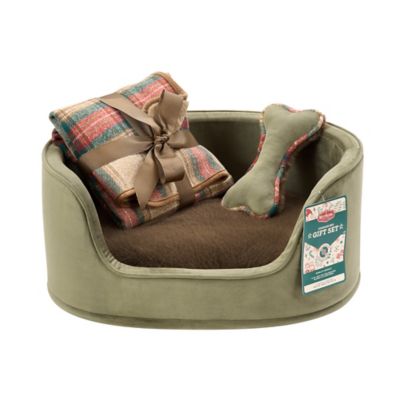
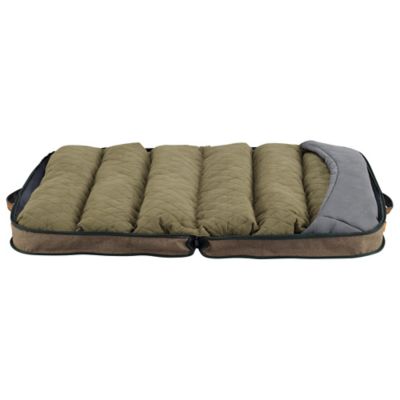
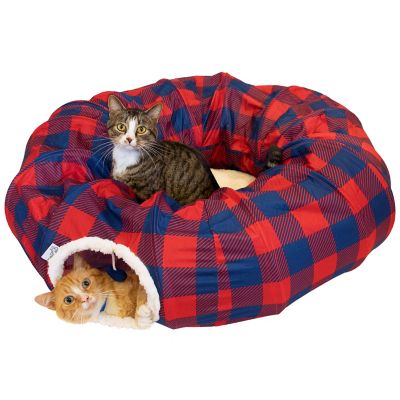
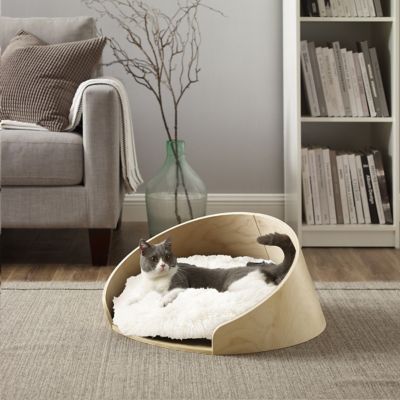
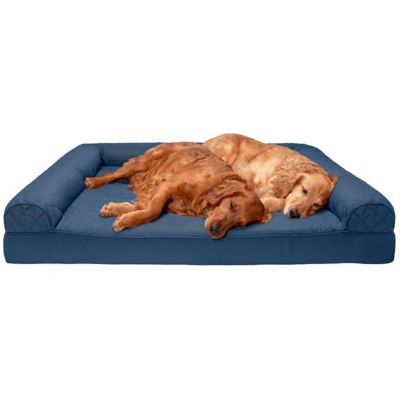
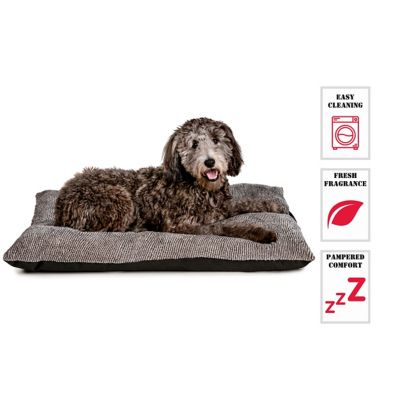
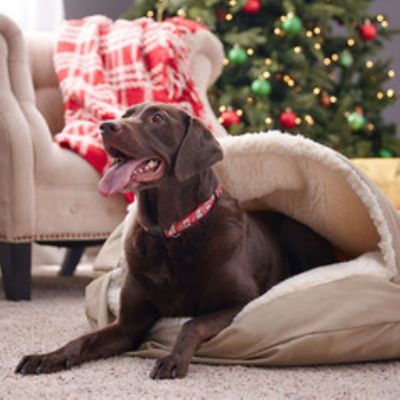
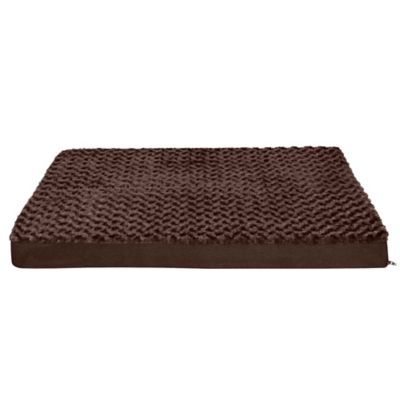
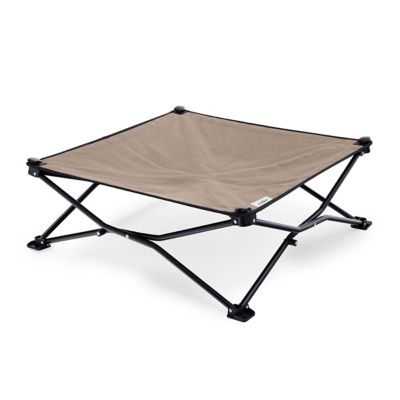
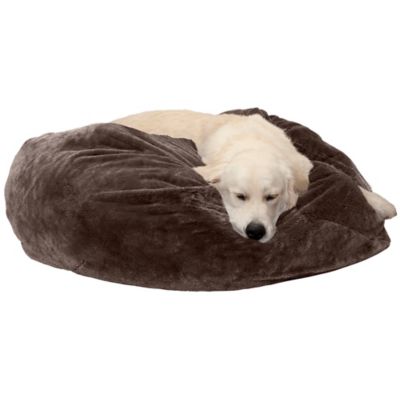
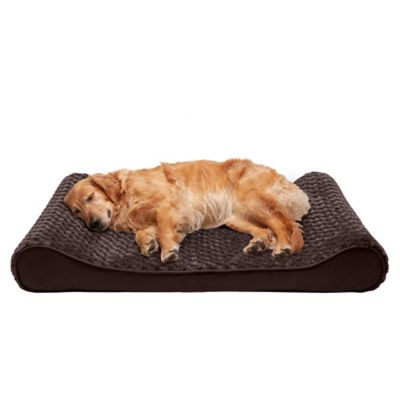
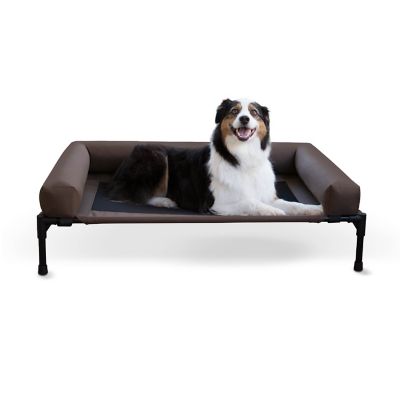
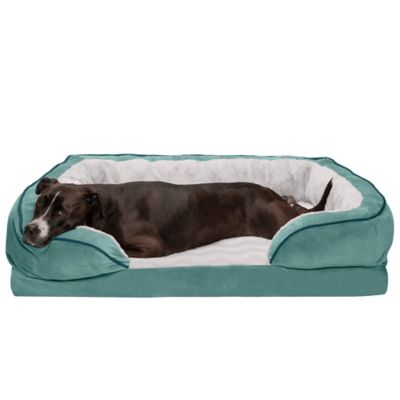
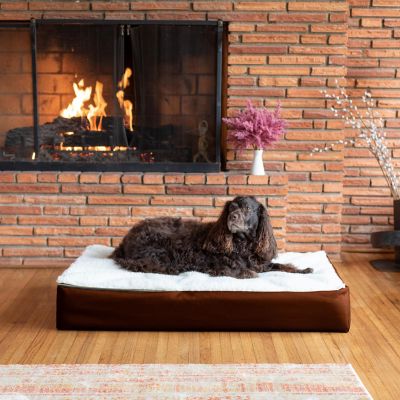
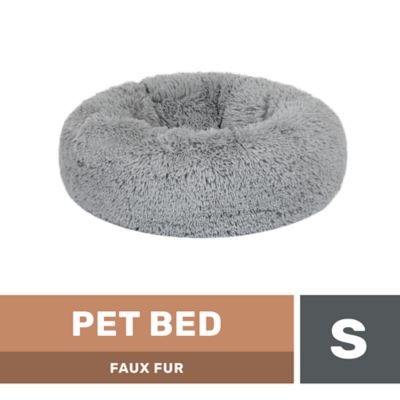
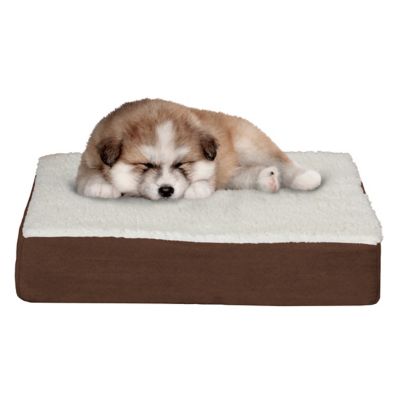
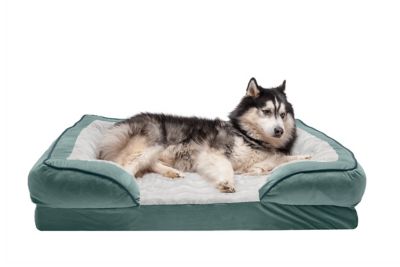
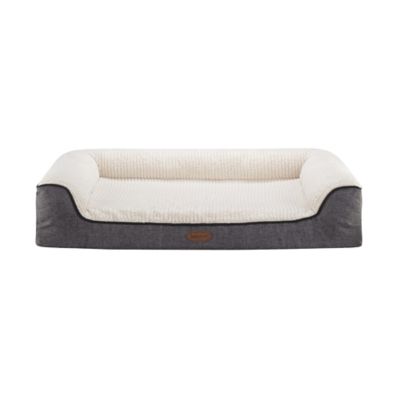
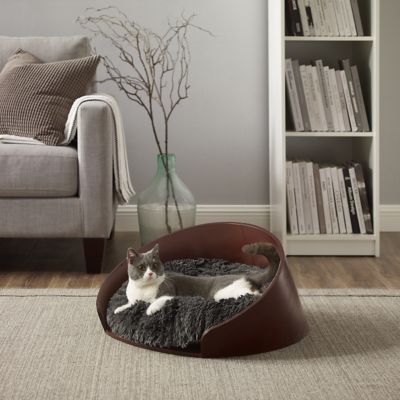
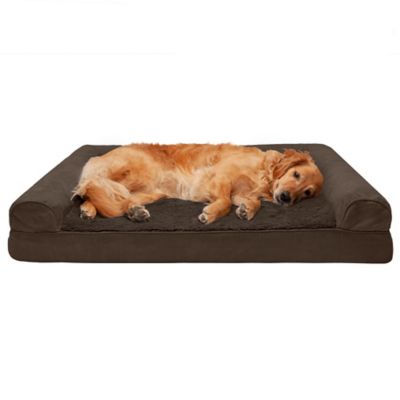
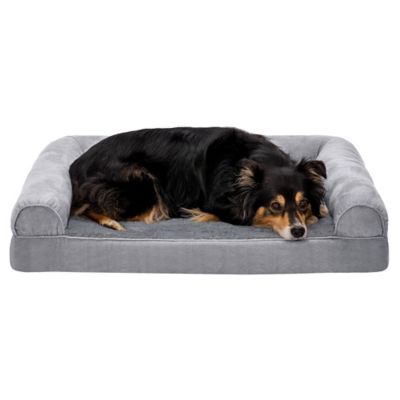
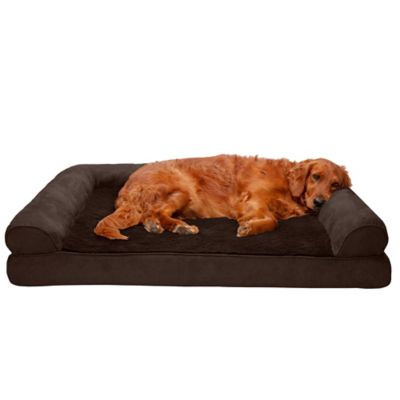
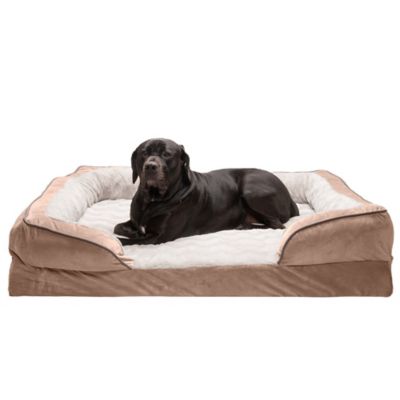
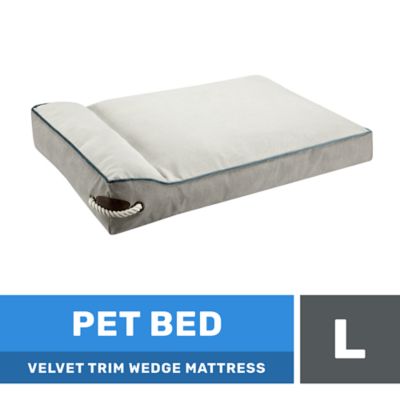
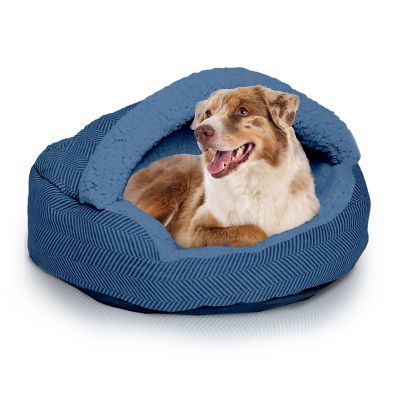
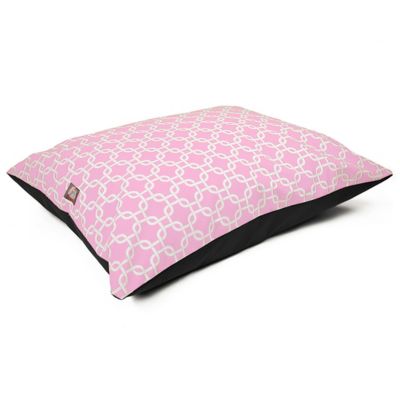
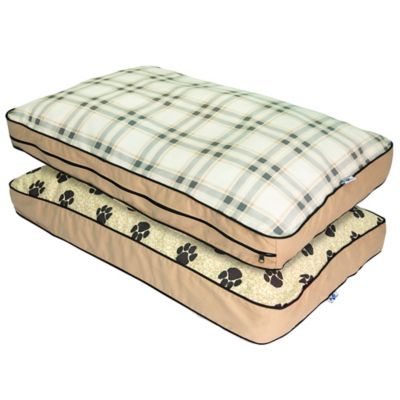
Pet beds and toys give dogs and cats a place to settle in and something worthwhile to do when they’re ready to get moving. A dog that follows along through chores may head straight for a soft spot beside the kitchen table, while a cat might claim a tucked-away corner with a clear view of the room. Beds come in several general shapes, from open mats that leave room to stretch to bolster styles with raised edges for resting a chin. The best fit depends on the animal’s size, sleeping position, and ease of movement, not just where the bed will sit. A long-legged dog that sleeps flat on its side needs more usable sleeping space than the same dog curled into a ball. Raised sides take up part of a bed’s footprint, so inside measurements matter as much as outside dimensions. For an older pet or one that moves stiffly, a low entry can make getting settled less of a chore. Foam cushions provide a different feel from loose fiberfill: foam tends to offer a steadier surface, while fiberfill often feels softer and more nestlike. Neither feel suits every pet, and familiar sleeping habits can say plenty about what an animal prefers. Smooth woven fabrics generally release loose hair more readily than deep, fuzzy surfaces, while plush fabrics give pets a soft place to burrow their noses. Textured bottoms may help limit sliding on some floors, though placement and the floor surface still matter. In a busy farmhouse or a small apartment, a bed belongs where a pet can rest without blocking a doorway or landing underfoot. Dogs that like company may settle best near everyday household activity; cats and pets that startle easily may favor a quieter spot. A bed gives that resting place a clear boundary, whether it sits beside the couch, near a desk, or in a crate with enough room for the animal to stand, turn around, and lie down comfortably.
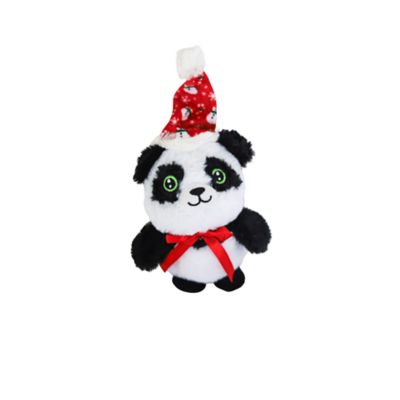
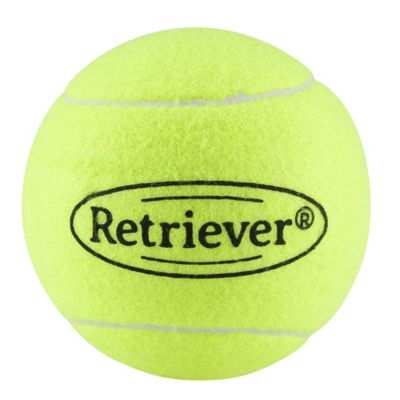
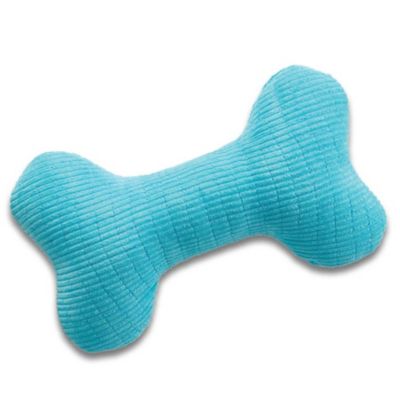
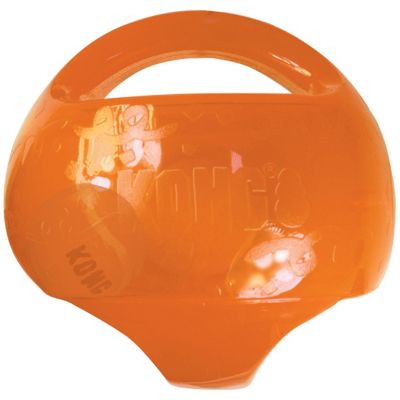
Pet toys bring a different kind of comfort to the day by giving natural behaviors somewhere to go. Dogs may enjoy chasing, carrying, chewing, sniffing, or working out how to reach a treat, while cats often respond to stalking, batting, pouncing, and short bursts of pursuit. Those differences matter more than a toy’s color or shape alone. A dog that proudly carries a soft toy from room to room may treat it gently, while another dog heads straight for the seams and stuffing. Plush fabrics can suit supervised carrying and gentle play, but they are not a match for every chewing style. Rubber toys vary in firmness and flexibility, and excessively hard chewing surfaces can put teeth at risk. A toy should be sized so a dog cannot swallow it or lodge it deep in the mouth, with weight and shape that the animal can manage comfortably. Puppies need play matched to their developing mouths, and older dogs may prefer something easier to grip. Fetch toys support shared activity in an open space clear of equipment, fencing hazards, and traffic. Tug toys offer another way to play together when both the person and the dog can keep a comfortable hold and pause without a struggle. Food-dispensing toys add a sniff-and-think element, especially for dogs that enjoy a task between walks or trips outside. Any treats added to play count toward the pet’s daily food intake. For cats, wand toys can mimic the quick, stop-and-start movement of prey, but strings and ribbons belong put away after supervised play. Small batting toys let a cat scoot, chase, and capture something across the floor, provided loose parts cannot be swallowed. No toy is indestructible, and a familiar favorite still needs regular checks for cracks, unraveling fibers, exposed filling, or missing pieces. Play works best when the toy matches the pet rather than asking the pet to handle something too large, too hard, or too complicated.
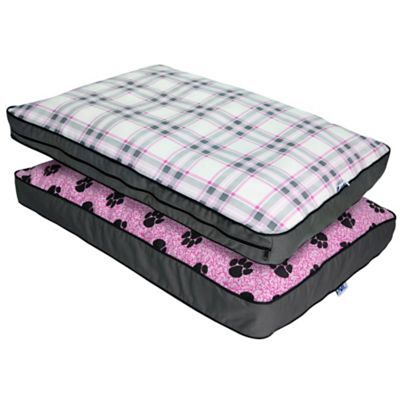
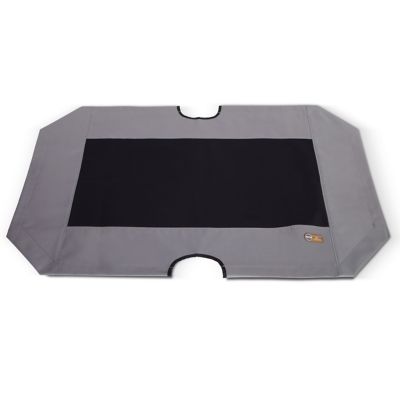
Beds and toys also have to fit the practical side of life with animals: shedding, muddy paws, slobber, and the occasional accident. Care instructions make a real difference in how easily a bed fits into the household routine. A removable cover can simplify cleanup, but machine-washable fabric does not necessarily mean the cushion inside can go through the same cycle. Fill, foam, backing, and closures may each call for different care, and everything needs to dry completely before the bed goes back on the floor. For a bed with a replaceable outer layer, a
Dog Bed Cover needs to match the cushion’s shape, dimensions, and depth so the corners sit properly and the closure shuts without strain. A water-resistant surface may slow a small spill, but it should not be treated as a fully waterproof barrier unless its labeling says so. Strong seams and protected closures are worth a look, particularly around pets that paw at their bedding before lying down. Determined chewers need closer supervision, since even a neatly tucked zipper or thick fabric can become a target. Toys have their own cleaning requirements, with some suitable for washing and others needing a simple wipe according to their care directions. Cracked surfaces and deep tears can trap debris as well as signal that a toy is ready for replacement. Keeping a few toys in rotation can make familiar playthings interesting again without leaving every floor covered. In homes with several pets, separate resting spots and supervised play help give each animal room, especially when one guards food, toys, or a favored bed. Beds and toys can also make thoughtful gifts for a pet-owning friend or a household welcoming an animal, as long as the pet’s measurements, habits, and chewing strength are known. The most useful choices fit ordinary moments: a dog dozing after a walk, a cat batting a toy beside the armchair, or a puppy learning that settling down can be part of the day, too.