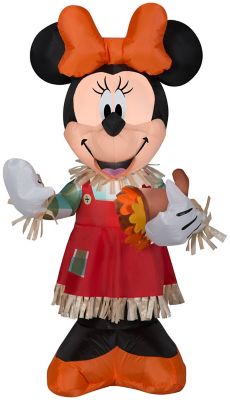
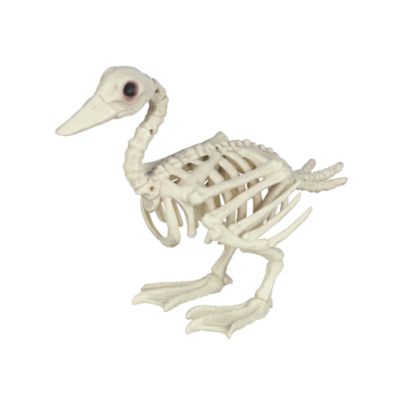
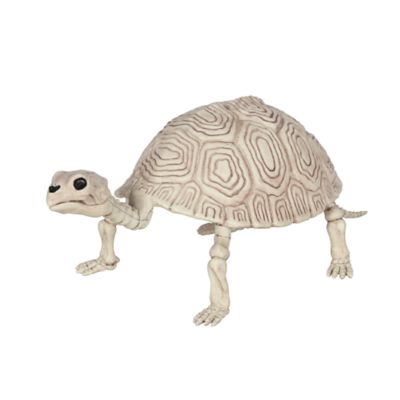
Outdoor Halloween Yard Props
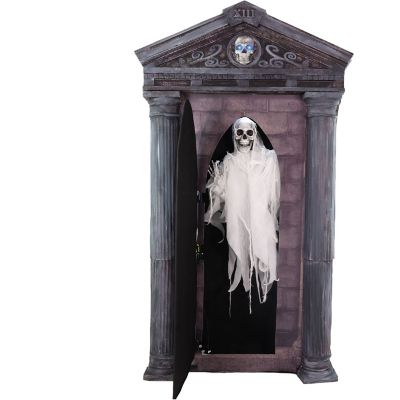
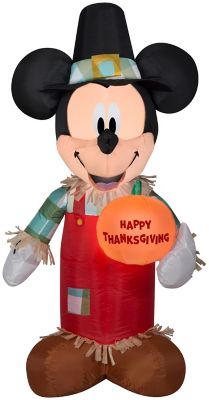
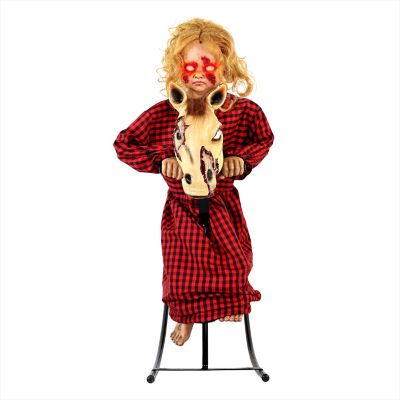
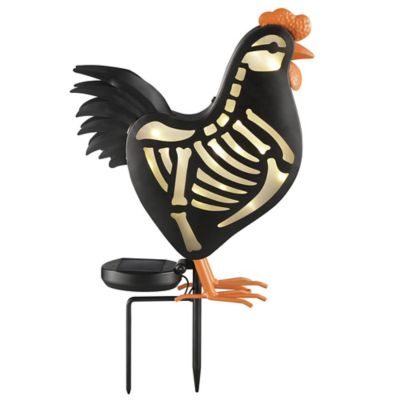
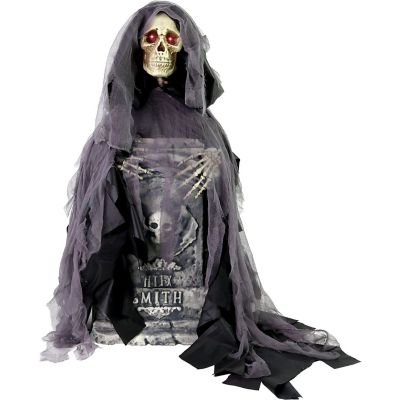
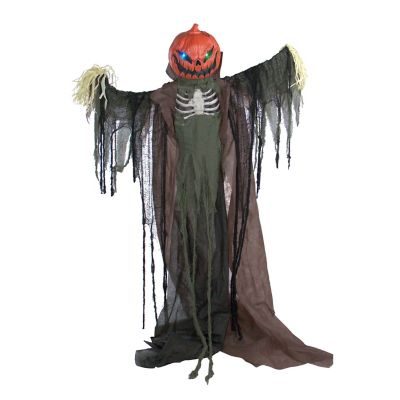
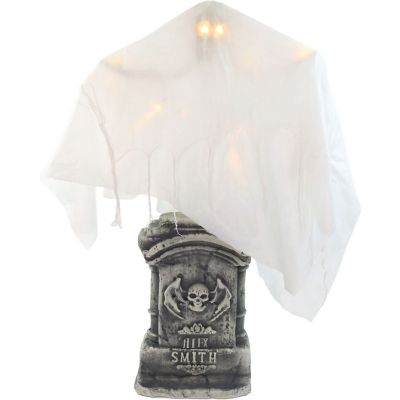
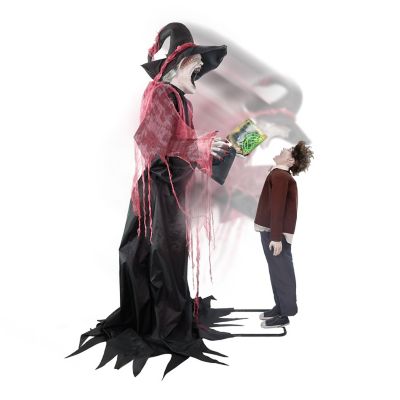
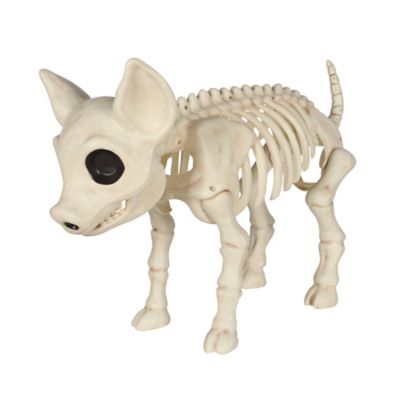
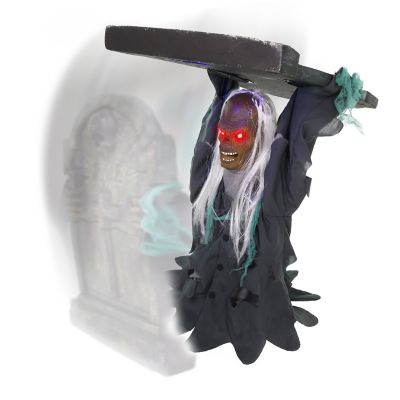
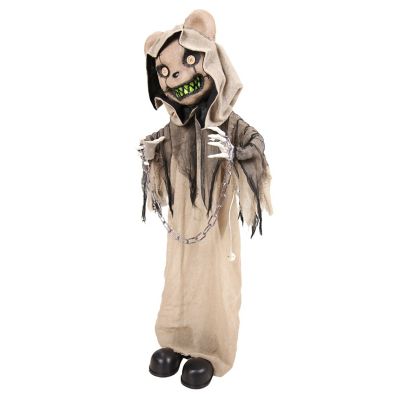
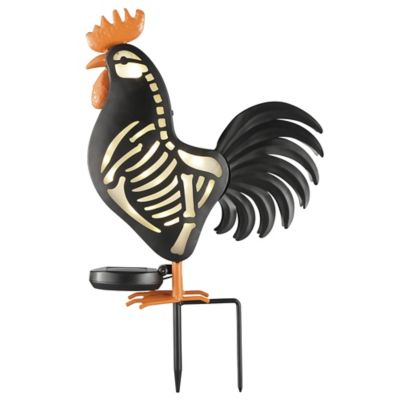
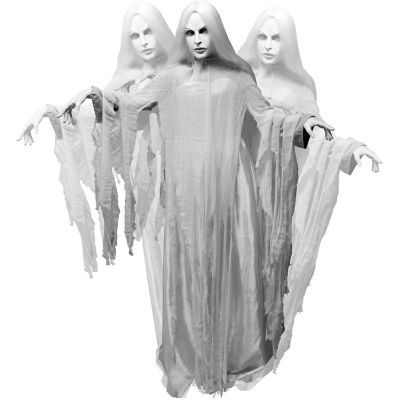
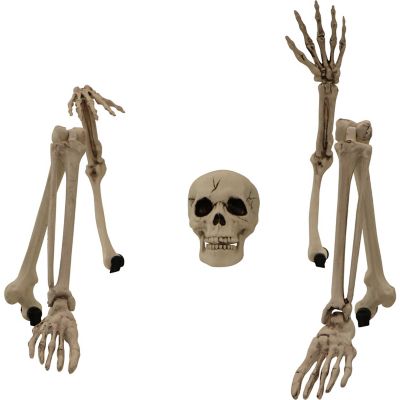
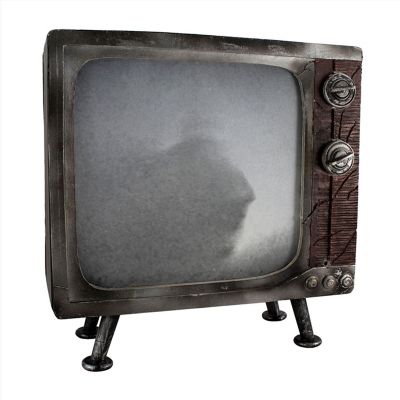
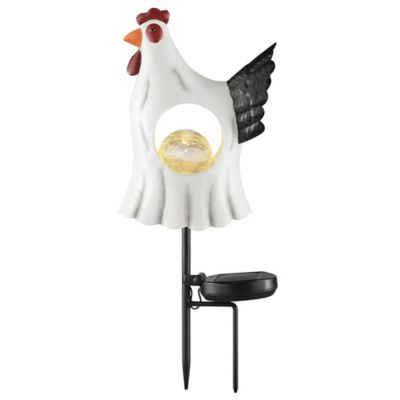
Get your place ready for spooky season with Outdoor Halloween Yard Props that bring big-time fun to your front porch, garden, or driveway. Whether you're aiming for a haunted farmhouse vibe or just want to give the trick-or-treaters something to talk about, these props help set the scene for a frightfully good time. From creepy corners to glowing pathways, it's easy to create a festive look that fits right in with country living.
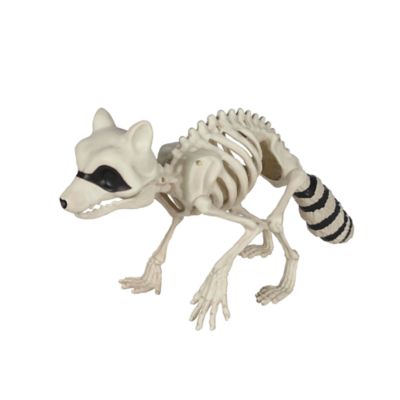
$4
.99
Sale Was $19.99 Save $15.00 (75%)
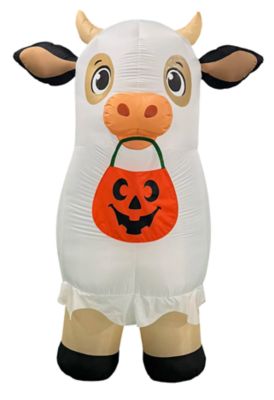
$24
.99
Sale Was $99.99 Save $75.00 (75%)
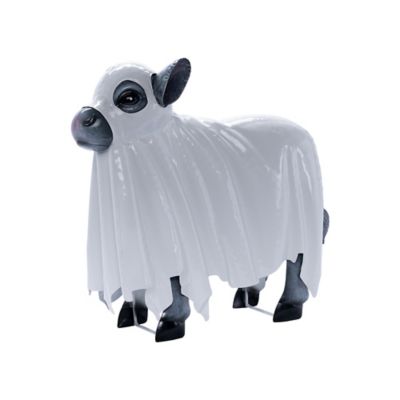
$12
.49
Sale Was $49.99 Save $37.50 (75%)
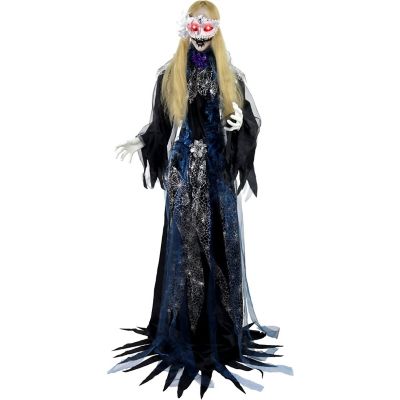
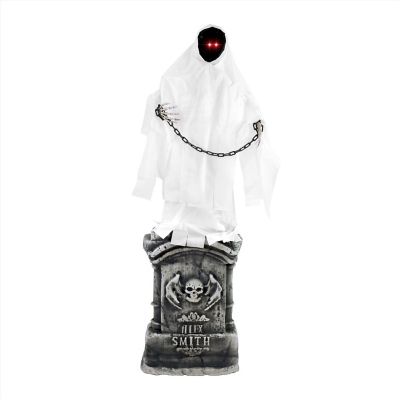
$4
.99
Sale Was $19.99 Save $15.00 (75%)
$4
.99
Sale Was $19.99 Save $15.00 (75%)
$4
.99
Sale Was $19.99 Save $15.00 (75%)
$4
.99
Sale Was $19.99 Save $15.00 (75%)
$32
.49
Sale Was $129.99 Save $97.50 (75%)
Best Of FAQ
What types of outdoor Halloween yard props are available?
Outdoor Halloween yard props come in a variety of styles, including inflatables, animatronics, tombstones, skeletons, witches, ghosts, and themed signs. These props can help create a spooky atmosphere for your yard or garden during the Halloween season.
How can I set up outdoor Halloween yard props for maximum effect?
To maximize the impact of your outdoor Halloween yard props, consider grouping them in themed scenes, using lighting to highlight key features, and placing props at varying heights. Adding sound effects or motion-activated elements can also enhance the overall experience.
Are outdoor Halloween yard props weather-resistant?
Most outdoor Halloween yard props are designed to withstand typical fall weather conditions such as light rain and wind. However, it's best to check product details for specific care instructions and bring delicate items indoors during severe weather.
Can outdoor Halloween yard props be reused each year?
Yes, many outdoor Halloween yard props are made from materials that allow them to be reused year after year. Proper storage during the off-season will help maintain their appearance and functionality.
How do I power outdoor Halloween yard props with lights or movement?
Some outdoor Halloween yard props use batteries while others may require access to an electrical outlet. Always follow the manufacturer's instructions for powering your props and ensure any cords or connections are rated for outdoor use.
Best Sellers
-
"Great quality and appearance. I love it and so do the kids where I live. Bright and easy to set"
-
"Love it! Not very big, but very cute with Mickey and an inflatable turkey"
-
"Love it so much"
-
"Love it! Completes my collection"
-
"We love it. A prominent fall decoration"