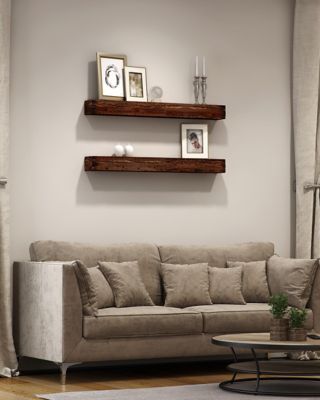
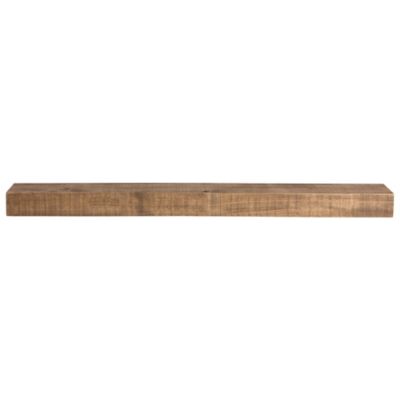
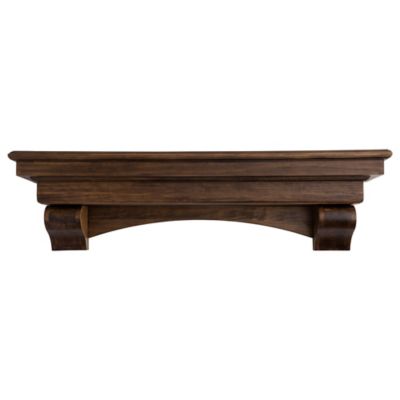
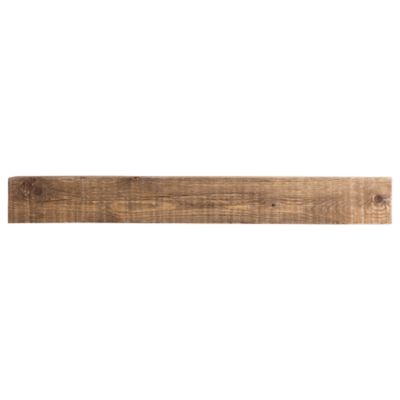
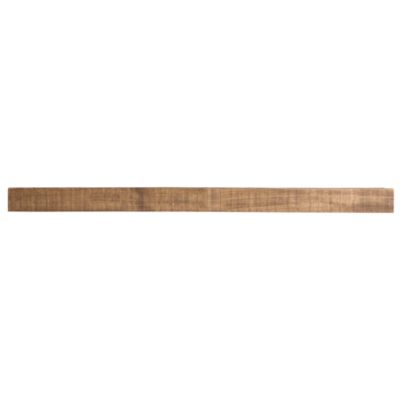
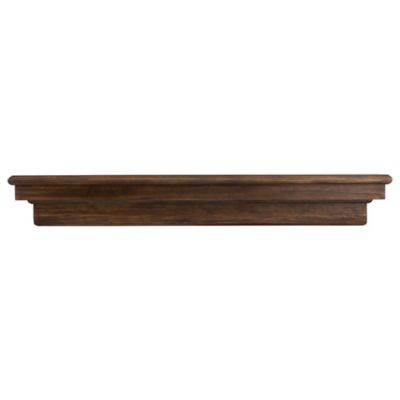
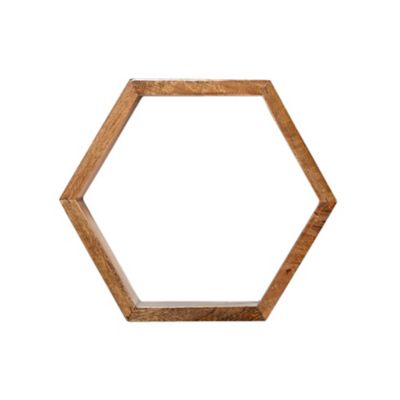
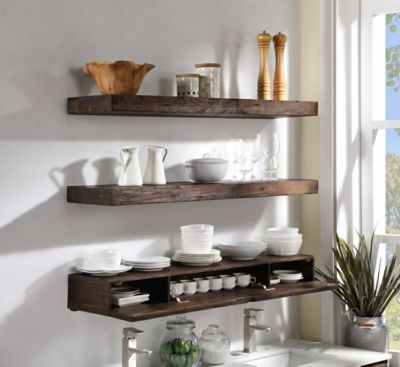
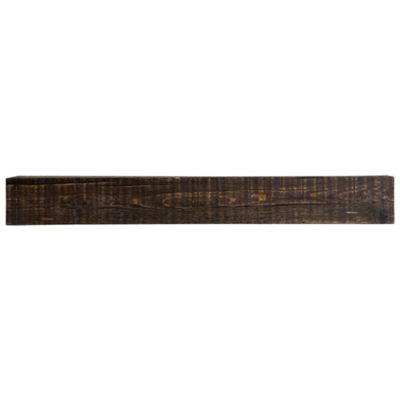
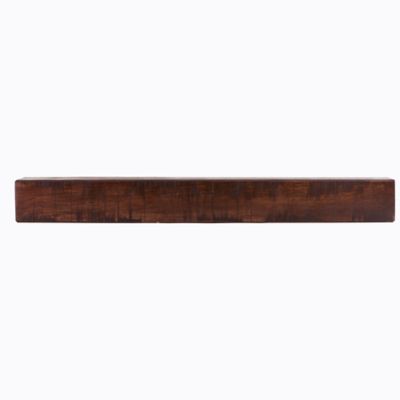
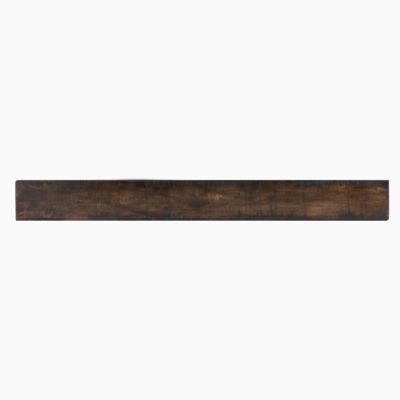
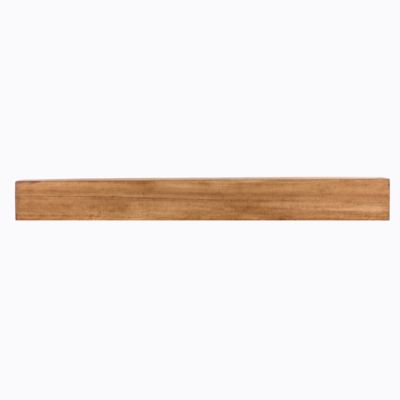
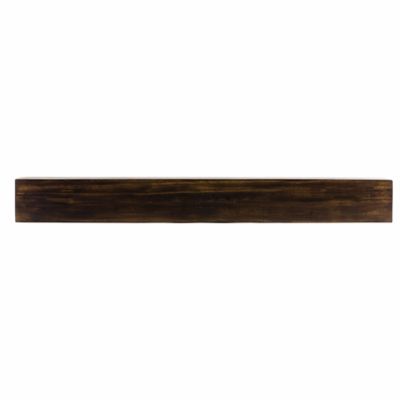
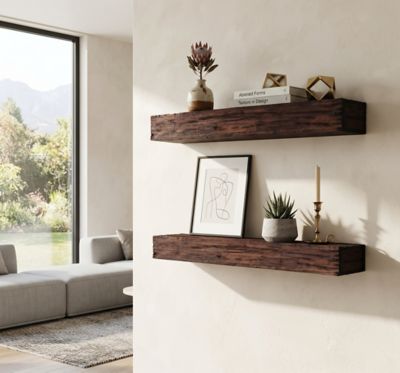
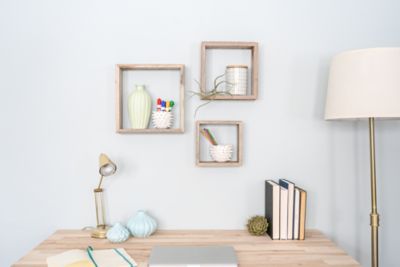
Natural wood floating shelves bring the warmth of wood into a room without taking up floor space or adding a row of visible brackets. Their clean profile fits just as comfortably above a farmhouse kitchen counter as it does beside a reading chair or over a desk. The appeal comes from the grain itself: long lines, small knots, and shifts in color give each board its own character. A pale wood tone can keep a small room feeling open, while a deeper brown can tie in with an old dining table, exposed beams, or dark cabinet hardware. Wood species and construction influence that look, along with how the shelf holds up to everyday handling. Pine often has prominent knots and a softer surface that can pick up dents, while oak generally shows a more pronounced grain and offers greater resistance to everyday bumps. Solid-wood construction and wood veneer construction also have different characteristics, so the material description matters as much as the photograph. A natural-looking finish does not necessarily mean bare wood; a clear coating or light stain may protect the surface while leaving the grain easy to see. Smooth finishes tend to suit tidy, pared-back spaces, while visible saw marks or a textured surface can feel at home alongside painted cabinets and well-worn furniture. For a softer, more muted color direction,
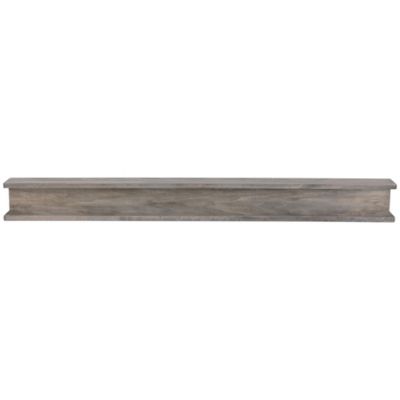
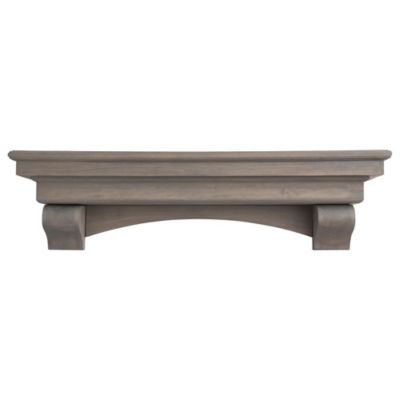
Gray Wood Floating Shelves offer another look to consider alongside natural wood tones. Matching every wood surface is not necessary. A shelf with a warm undertone can sit comfortably near a different wood species when the surrounding colors help connect them. In a room with plenty of patterned fabric, busy stone, or open storage, a simpler grain can give the eye a place to rest. Where the walls and furniture are plain, a bolder grain can become a focal point without making the room feel crowded.
The right fit depends on more than the length of an empty stretch of wall. Shelf depth determines what can sit securely on top, while thickness changes both the visual weight and the space available between stacked shelves. A narrow ledge may work well for framed photographs, but larger books or bowls need enough depth to rest fully on the surface. Above a kitchen work area, a shallow profile can keep the shelf from crowding the counter; near a doorway, it can help keep a shoulder or coat from catching the edge. Leave practical clearance around cabinet doors, light switches, faucets, and anything that needs to open or move. A shelf that looks balanced on a blank wall can feel awkward once a cupboard swings into it. Floating shelves also depend on a sound connection between the concealed support and the wall. The stated weight capacity, required hardware, wall construction, and mounting directions all deserve a close look before installation. Drywall, plaster, masonry, and wall studs call for different fastening methods, and an anchor suitable for one wall may not suit another. Load ratings should be read with any listed installation conditions in mind rather than treated as a promise for every wall. A row of hardback books or a collection of stoneware can add up quickly, especially when weight sits near the front edge. Spreading the load and keeping heavier pieces closer to the wall can help, but neither replaces correct mounting or the manufacturer's limits. Long shelves may need more support than their simple appearance suggests, and a substantial-looking board is not proof of a higher weight rating. In a busy entryway or a home with children, placement matters, too: keep shelves away from spots where someone might grab them for balance or try to climb. Done thoughtfully, the floating design leaves room underneath for a bench, countertop, or floor basket, giving everyday belongings a home without filling the room with another piece of furniture.
Everyday use is where natural wood floating shelves earn their keep. In the kitchen, they can put frequently reached-for dishes within easy reach, provided the shelf depth and load rating suit the job. Near a desk, they can lift reference books and a few personal keepsakes off the work surface. In a bedroom, a short shelf can hold a small selection of bedside essentials where a full table would crowd the space. A pair above a hallway bench gives family photographs a place to land while leaving the seat clear for pulling on boots. Keeping some open space between belongings makes the arrangement easier to dust and gives hands room to lift things without knocking their neighbors. Care depends on the finish, but a soft cloth and prompt attention to spills are sensible starting points. Follow the maker's cleaning directions, avoid soaking the wood, and check whether a cleaner is suitable before applying it across the surface. Standing water beneath a plant pot, steam near a cooking area, and repeated splashes beside a sink can leave marks or affect a finish. A waterproof saucer can help contain drips, though moisture should not be left trapped underneath it. Direct sunlight may gradually change wood color, and repeated contact with rough-bottomed pottery can scuff a surface; felt pads can reduce that friction. Wood may also expand or contract as indoor humidity changes, making the recommended room conditions worth checking. For a housewarming or wedding gift, a natural wood shelf can be a thoughtful choice when the recipient's wall space, taste, and installation arrangements are known. The best match is one that feels at home with the belongings it will hold and the way the room gets lived in, whether that means a few treasured photographs or the everyday dishes that come down at supper.