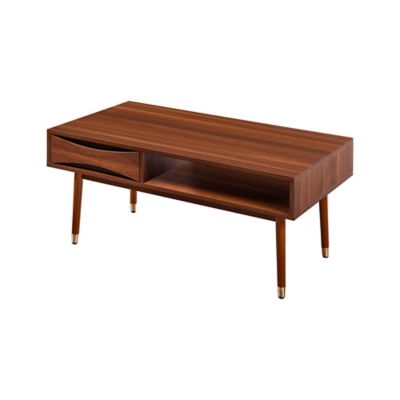
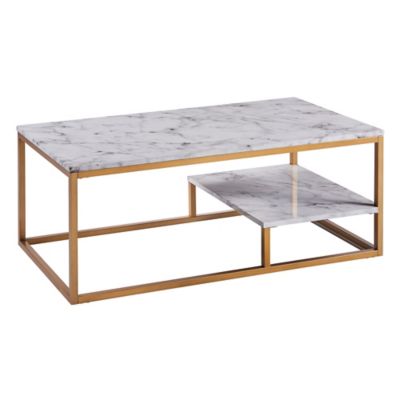
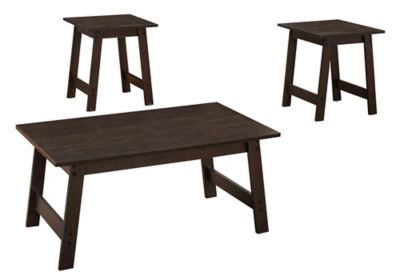
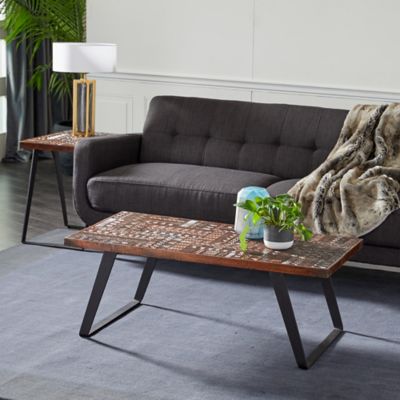
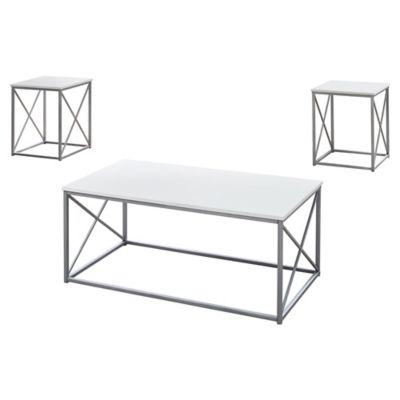
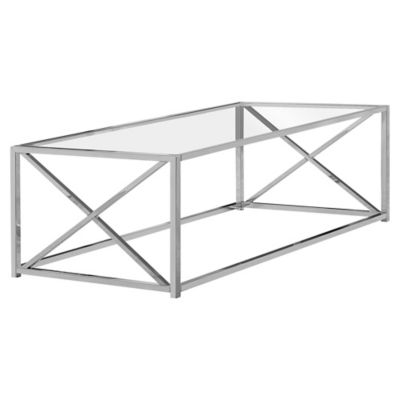
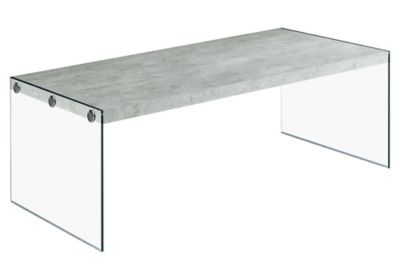
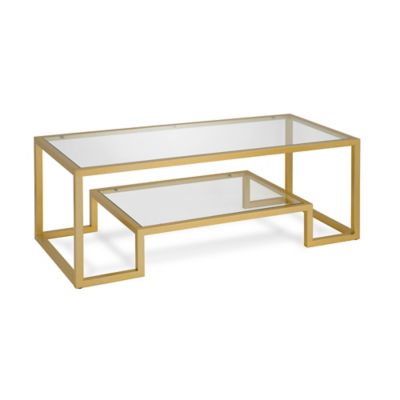
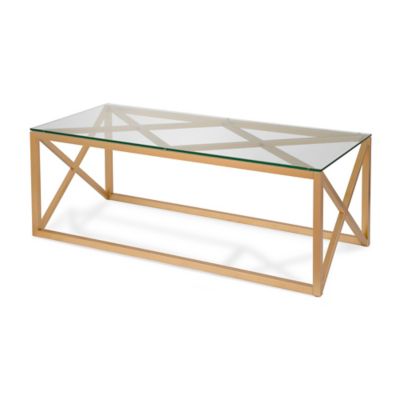
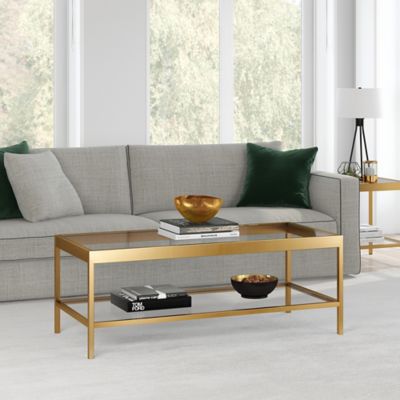
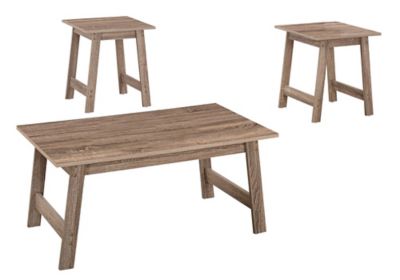
Modern rectangular coffee tables bring a long, easy-to-reach surface to the center of a seating area, with clean lines that work alongside everything from a simple upholstered sofa to a roomy sectional. Their straight-sided shape makes good use of the space in front of a couch, giving everyone a spot for a mug, a book, or a bowl of popcorn without taking over the room. Common materials include solid wood, engineered wood, metal, glass, stone, and concrete, with each bringing a different look, weight, and care routine. Modern styling can be warm and down-to-earth rather than stark: a wood top on a slim metal frame feels right at home beside a leather couch, while a smooth painted finish can brighten a room with darker flooring. Proportions matter more than a table’s appearance in a photo. A length around two-thirds of the sofa’s length is a helpful starting point, though the room’s layout and the size of nearby chairs also come into play. Leaving roughly 16 to 18 inches between the table and the sofa usually keeps drinks within reach while allowing room for knees and feet. Main walkways may need more clearance, especially where family members carry laundry baskets or where a dog likes to stretch out. A tabletop close to the sofa’s seat height, or an inch or two lower, generally feels comfortable for everyday use. Lower profiles tend to suit low-slung seating, while taller couches may pair better with a little more table height. In a narrow living room, a slimmer rectangle can preserve a clear path through the space. Beside an L-shaped sectional, the table should sit within reach of the main seats without blocking the open end. Those small differences in length, width, and height can determine whether a table feels like a natural part of the room or something everyone has to walk around.
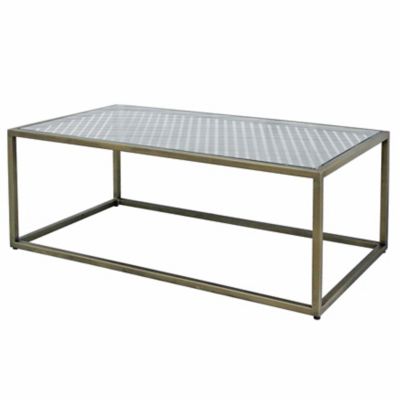
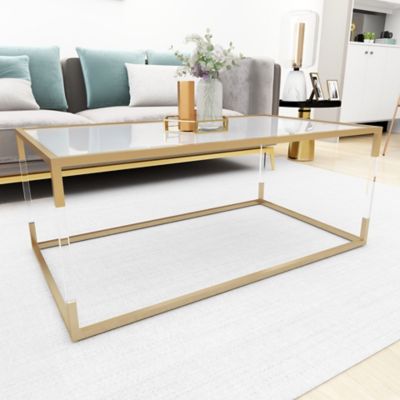
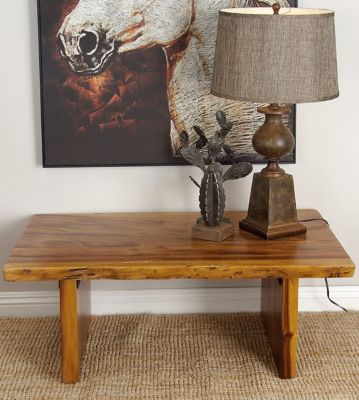
Material choice shapes both the character of modern rectangular coffee tables and how they handle daily life. Solid wood brings visible grain and natural variation, with oak, walnut, and mahogany offering different colors and patterns. Wood can pick up scratches and dents, so the finish matters just as much as the species when considering everyday wear. Veneered surfaces offer the appearance of real wood over a supporting core, while engineered wood construction can provide a consistent surface beneath painted, laminated, or veneered finishes. Those edges and seams deserve attention around spilled drinks, since standing moisture can cause swelling in some materials. Glass tops keep the seating area looking open and let a patterned rug show through, though fingerprints and smudges tend to stand out. Tempered glass is worth looking for in the product specifications, along with clear information about how the top attaches to its base. Metal frames can give a table a lighter visual profile or a substantial, grounded look, depending on the thickness and shape of the supports. Marble and other stone surfaces bring natural pattern, but their weight and care requirements call for some planning. Concrete also has a substantial feel, and its surface treatment affects how it handles spills and marks. Neither stone nor concrete should be assumed stainproof simply because it feels hard. Coasters and trays help protect many tabletop finishes, and felt pads beneath bowls or other accessories can reduce scratching. Routine care usually means a soft cloth and a cleaner approved for the particular finish; abrasive scrubbers and strong household chemicals can damage some surfaces. Spills are best wiped up promptly rather than left beneath a cup or planter. For heavier tables, the path into the room matters, including doorways, stairs, and tight corners. Floor protectors beneath the base can help prevent marks, while the table’s stated weight limit gives a better picture of its intended use than appearance alone. Coffee tables are meant to hold everyday belongings, not serve as step stools or extra seating unless specifically designed for that purpose.
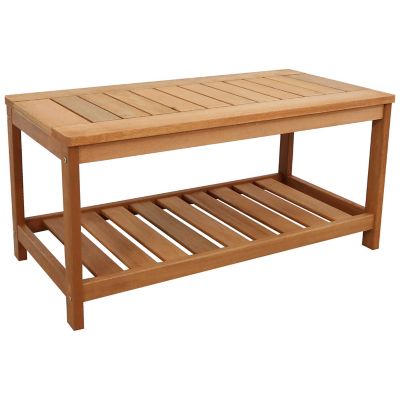
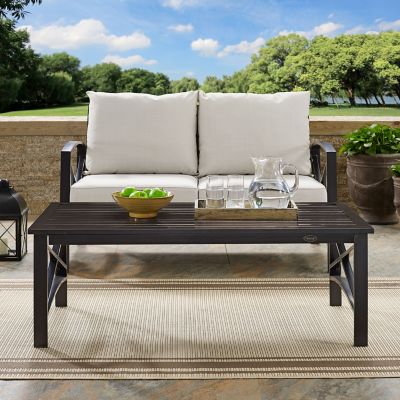
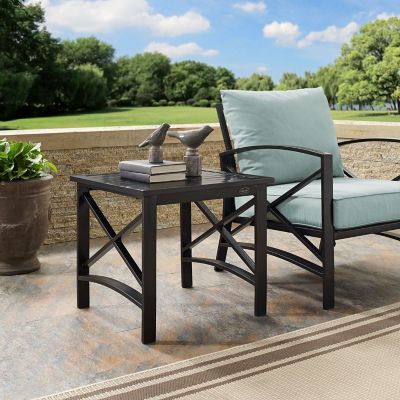
Storage and construction details often make the biggest difference once a coffee table becomes part of the household routine. An open lower shelf keeps reading material, a folded throw, or a basket of game controllers close by without crowding the top. Drawers can tuck away remotes, charging cords, and small odds and ends that otherwise collect beside the couch. Lift-top designs bring the surface closer for an occasional laptop session or a casual meal, although the raised height, lifting mechanism, and clearance around moving parts all deserve a look. Homes with young children may benefit from softened corners, steady bases, and storage that does not invite climbing. Pet owners may prefer a layout that leaves room beneath or around the table, depending on where their animals settle. A broad pedestal base can feel substantial, while legs set near the corners may leave more accessible shelf space; either way, secure connections and a level stance matter. Style can stay straightforward. Repeating one finish already in the room, such as black metal from a floor lamp or a wood tone from a bookcase, helps the table belong without making every piece match. A rectangular top also lends itself to a simple arrangement: a tray at one end, a short stack of books at the other, and enough clear space for everyday use. For a first apartment, a family room refresh, or a housewarming gift, practical dimensions and manageable care tend to matter more than an elaborate silhouette. Furniture makes a better gift when the recipient’s measurements and preferences are known ahead of time. Indoor and outdoor tables are not interchangeable unless their materials and construction are rated for both settings. For a similar shape suited to a porch or patio seating area,
Rectangular Outdoor Coffee Tables offer another direction to consider. In the living room, the right balance of surface space, storage, and clear walking room helps keep the table useful from morning coffee through an evening with company.