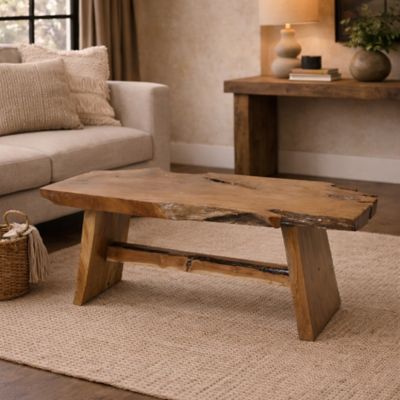
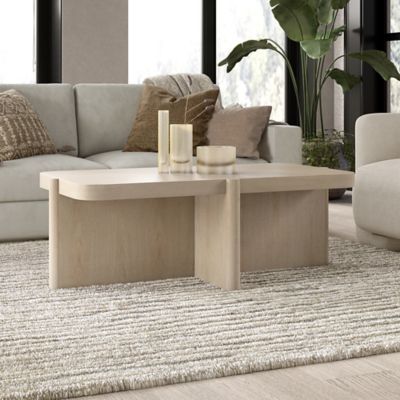
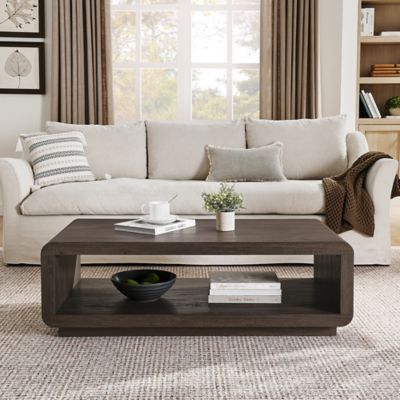
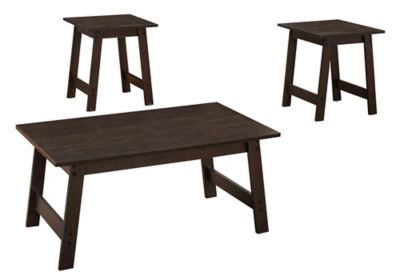
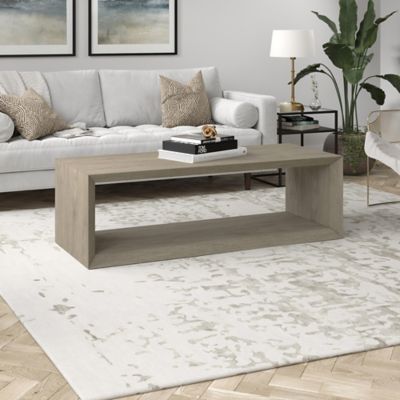
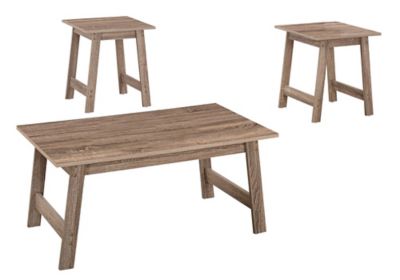
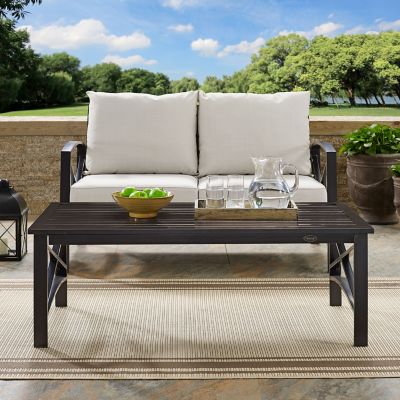
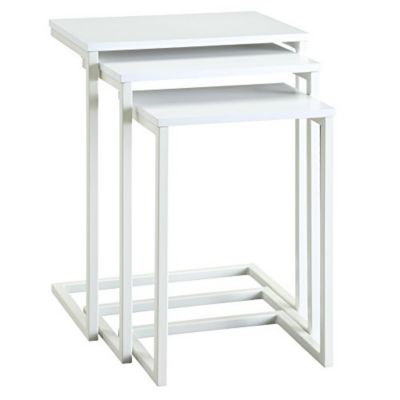
Rectangular wood coffee tables give a living room a practical center, with space for a coffee mug, a bowl of snacks, and the everyday things that tend to gather near the couch. Their long, straight shape sits naturally alongside a sofa and can help organize a seating area without taking over the room. Common lengths run about 42 to 48 inches, though smaller and larger tables suit different layouts. A table around two-thirds the length of the sofa often looks balanced, while a tabletop level with the seat cushions or an inch or two lower keeps drinks within easy reach. About 18 inches between the sofa and table generally leaves room for knees and for getting up comfortably. Those proportions matter more than choosing a size by appearance alone. A deep couch, reclining chair, or sectional with a chaise can change how much open floor space is needed. Recliners need clearance with the footrest extended, and the main path through the room should stay open even when someone is sitting down. In a farmhouse living room, a long rectangle can sit neatly opposite a full-size sofa, leaving a clear route toward the kitchen or hallway. In a smaller den, a narrower tabletop provides a landing spot without crowding nearby chairs. Rounded corners soften the outline and can be worth considering where children play or people regularly pass close by. Straight corners create a more squared-off look, but their placement deserves attention in tight spaces. Table width also affects how comfortably people can reach across from facing seats. A deep surface offers more room for a board game, while a slim profile works well where the table mainly holds drinks and reading material. The best fit leaves the room feeling easy to move through, with enough tabletop space for daily life and enough floor space to stretch out after chores.
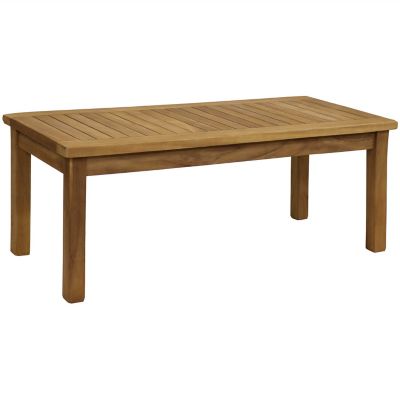
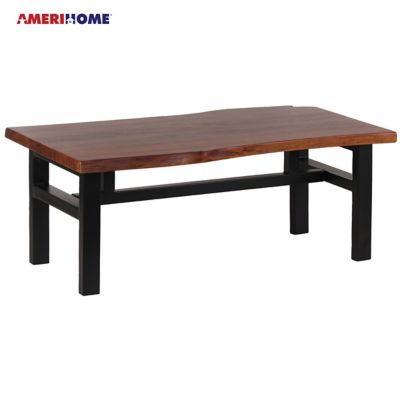
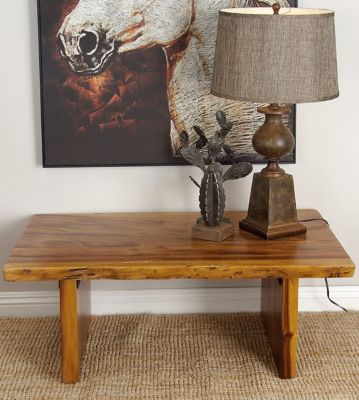
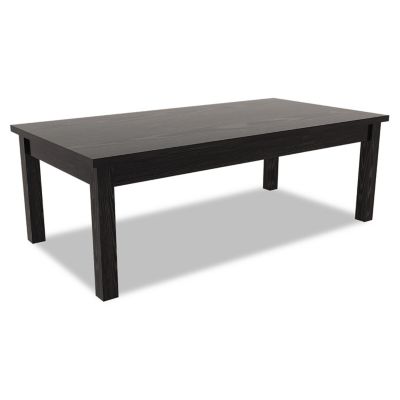
Wood choice, construction, and finish all shape how a rectangular coffee table looks and handles everyday wear. Solid oak often has a pronounced grain, while maple tends toward a smoother, more even appearance. Pine brings visible knots and a relaxed character, though its softer surface can pick up dents more readily than many hardwoods. Walnut can add deeper brown tones, with grain patterns that vary from board to board. Natural variation is part of wood furniture, so a tabletop does not need a perfectly even color to look right in a room. Wood veneer brings a thin layer of real wood over a supporting core, which may be plywood, particleboard, or fiberboard. These constructions are different from a printed wood-look surface, and the distinction matters when considering care or future refinishing. A solid wood top may allow sanding and refinishing, depending on its construction and finish; a thin veneer offers much less room for sanding. No wood surface is automatically protected from scratches, standing water, or heat just because it has a finish. Support underneath matters, too. Firm leg connections, a steady base, and properly fitted hardware help a table stay settled when a game board or serving tray lands on top. For larger tabletops, the arrangement of legs and stretchers can affect both stability and foot space. Appearance comes down to more than wood species: a light finish can keep a large piece from feeling visually heavy, while a dark finish creates a stronger outline against pale upholstery. Plank-style tops and substantial legs suit a relaxed country setting; smooth tops and slender bases work easily with simpler furnishings. For a different mix of materials,
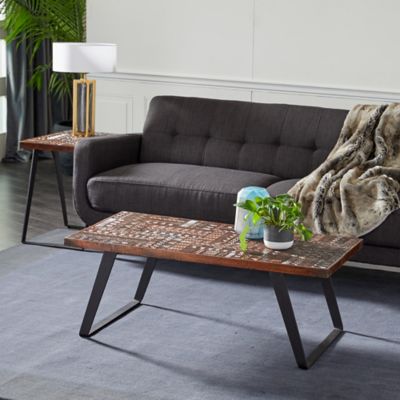
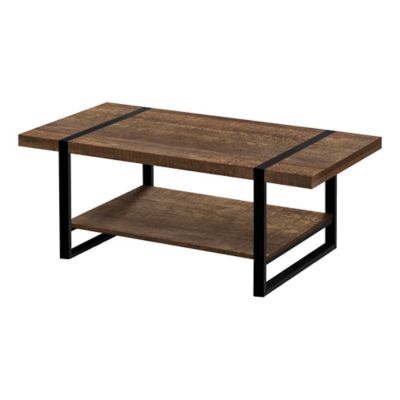
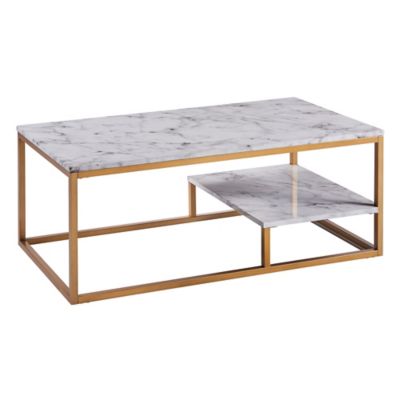
Wood And Metal Coffee Tables pair wood surfaces with metal elements that can echo nearby shelving, lighting, or chair frames. Matching every wood tone is not necessary; repeating a similar undertone or finish elsewhere helps the room feel pulled together.
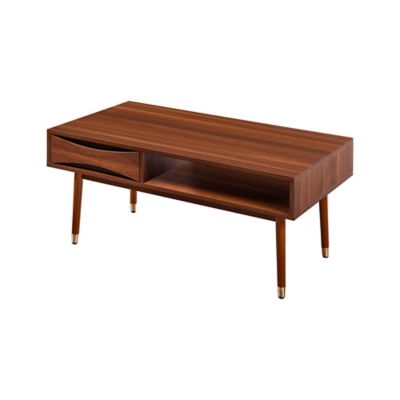
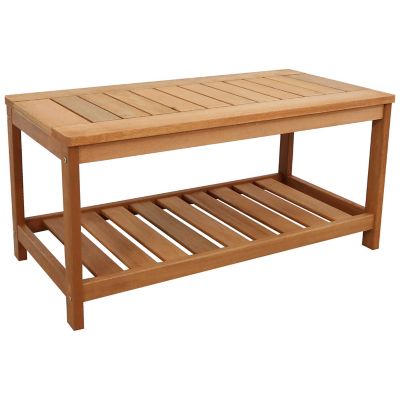
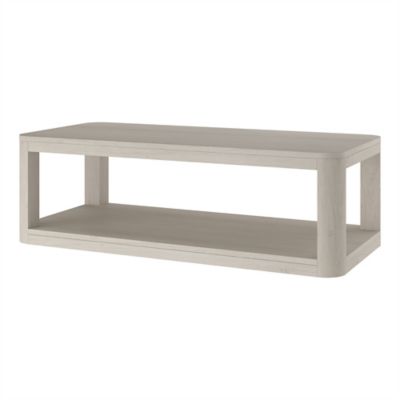
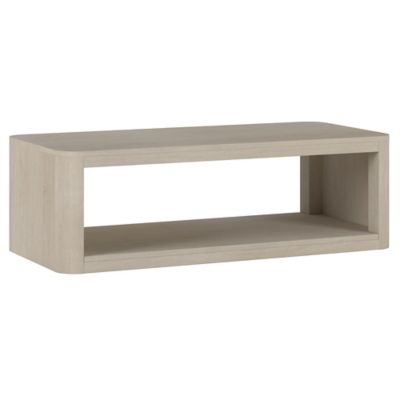
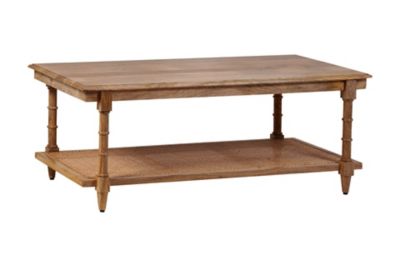
Storage and tabletop features make a difference in how rectangular wood coffee tables fit into an ordinary day. An open lower shelf gives books, baskets, and folded throws a place to land without covering the top. It also keeps frequently reached-for things in sight, which suits a family room where several people share the space. Drawers offer a less visible home for remotes, charging cords, playing cards, and small odds and ends. Their direction matters: a drawer facing the sofa should have enough room to open without pressing against someone’s knees. Lift-top designs can bring a surface closer for a casual meal or a short spell with a laptop, but the raised height, mechanism, and stated weight limits deserve attention. A moving top should have clear operating space, and fingers need to stay away from hinges and closing edges. For homes with young children, table stability and secure storage deserve as much thought as appearance. A simple fixed top may be the better match when the main needs are drinks, puzzles, and room to spread out. Everyday care is usually straightforward, but the finish determines the right approach. A soft cloth removes dust, and spills should be wiped up promptly rather than left to settle around seams or edges. Coasters help separate damp glasses from the surface, while a tray can gather cups and small belongings in one easy-to-clear spot. Hot dishes need an appropriate protective barrier, not direct contact with the wood. Cleaning products should follow the manufacturer’s directions, since strong cleaners, excess moisture, and some polishes can damage certain finishes. Felt pads beneath objects can help limit marks, and lifting a table rather than dragging it reduces strain on the legs and joints. With the recipient’s measurements and preferences settled beforehand, a coffee table can also make a thoughtful housewarming gift. Whether it anchors a busy family room or a quiet sitting area, the right rectangular wood table earns its place through sensible proportions, useful features, and a surface that suits the way the household lives.