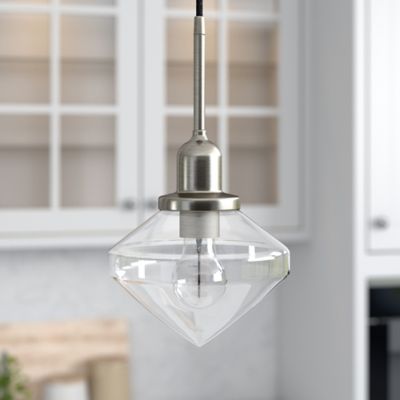
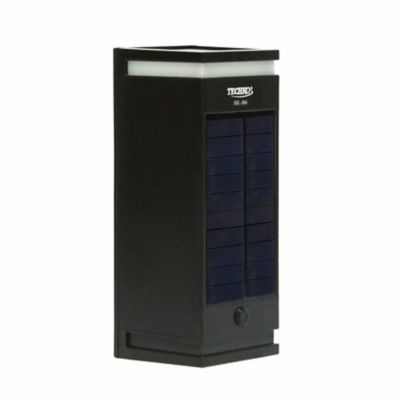
Modern home lighting brings clean lines and practical illumination together, making a room feel pulled together without taking attention away from the people and work inside it. Simple ceiling fixtures, slim wall sconces, pendants, and lamps fit naturally alongside wood tables, painted cabinets, stone surfaces, and hardworking floors. The look can lean crisp and minimal or feel right at home in a farmhouse with exposed beams and a big kitchen table. What ties it together is a balance of light, shape, and scale. Ambient lighting supplies general brightness for moving through a room, task lighting puts light where reading or meal prep happens, and accent lighting brings attention to a wall, shelf, or architectural detail. Those layers give a space more flexibility than a single bright fixture in the middle of the ceiling. In a living room, an overhead light can handle everyday activity while a floor lamp beside a favorite chair makes an evening with a book more comfortable. In a kitchen, ceiling lights brighten the room, pendants define the island, and under-cabinet lighting reaches the counter where chopping and measuring happen. Each source has a job, so the whole room does not have to be equally bright all the time. Frosted glass, fabric shades, and concealed light sources soften the view of the bulb and help control glare. Opaque metal shades generally direct more light toward the surface below, while clear glass leaves the bulb visible and spreads light more openly. These differences matter around shiny countertops, television screens, and seats positioned directly beneath a fixture. Modern lighting works best when its appearance and light distribution suit daily life, whether that means homework spread across the dining table, boots coming off by the entry bench, or a quiet spot for sewing. Separate switches or compatible dimmers let those same spaces shift between busy household routines and a gentler level of light without changing the fixtures themselves.
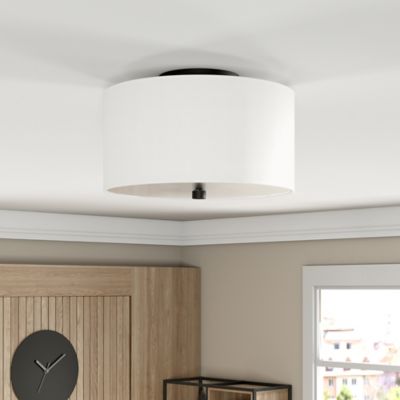
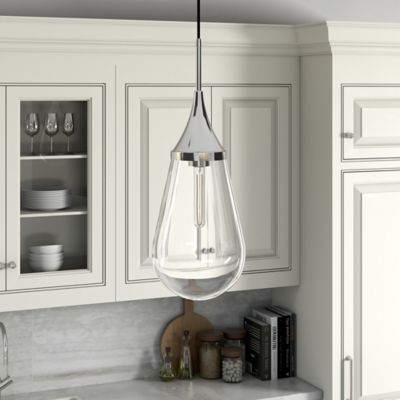
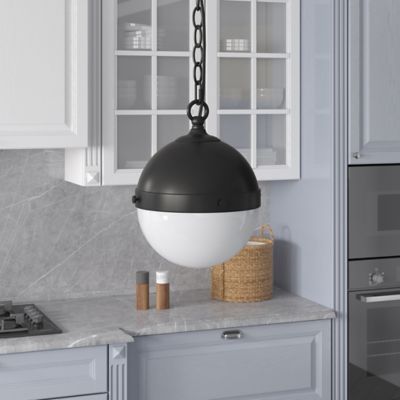
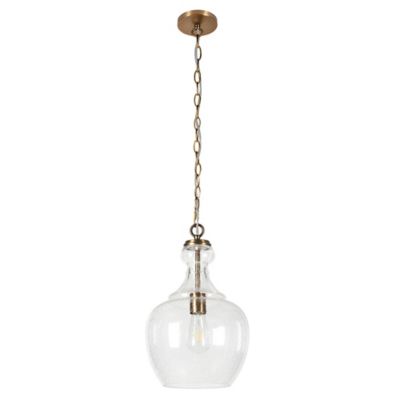
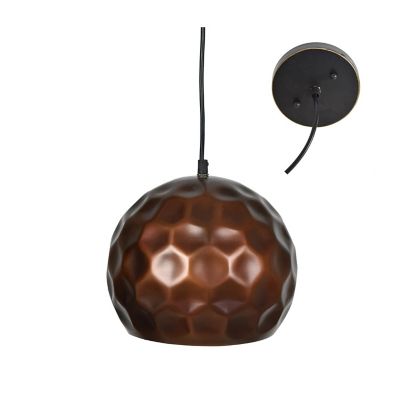
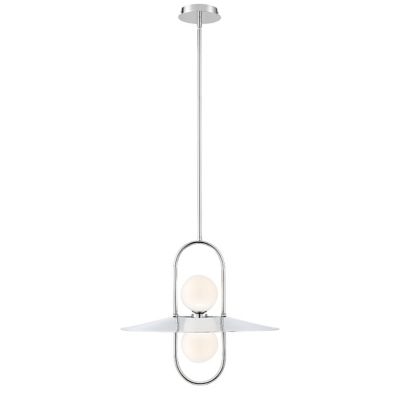
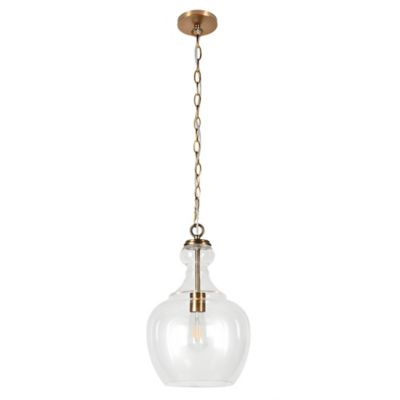
The shape and size of a fixture affect how comfortably it fits a room. Flush-mount ceiling lights sit close to the ceiling and suit spaces where overhead clearance matters, including hallways, bedrooms, and smaller entries. Semi-flush designs leave a little space above the fixture and can spread light across the ceiling as well as into the room, depending on the shade. Pendants bring light lower over a table or island, while linear fixtures work well with long surfaces and rectangular room layouts. A fixture should feel connected to the furniture beneath it rather than crowding the space or disappearing above it. Pendant placement also affects sightlines: someone sitting at the kitchen counter should be able to talk with the person at the sink without looking around a shade. Doors, cabinet fronts, and nearby walking paths need room to clear the fixture, too. For a lighter look over an island or breakfast table,
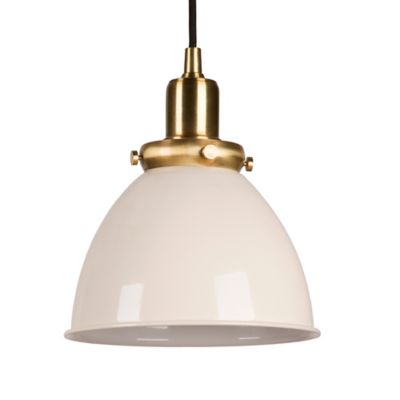
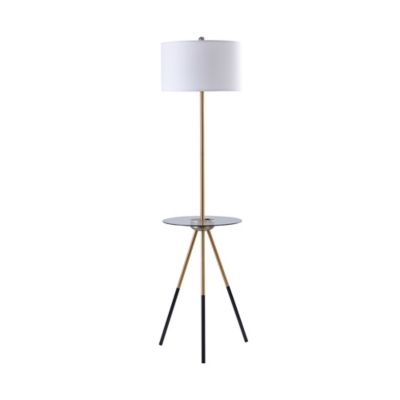
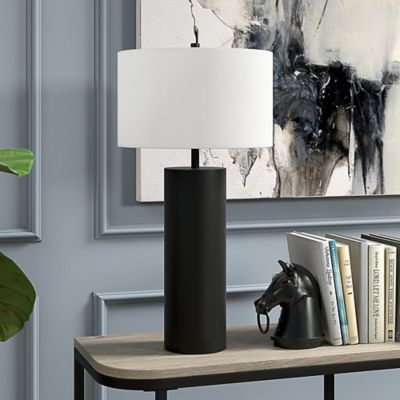
modern white pendant lights pair easily with natural wood, dark hardware, and painted cabinetry. White shades can keep the visual weight down, although the direction and spread of light still depend on their shape and material. Matte black finishes provide a stronger outline, brushed nickel has a subdued sheen, and brass tones add warmth beside wood and neutral paint. Metal bodies offer a solid feel, glass shades can brighten the appearance of a smaller room, and fabric shades bring a softer presence to bedside and living room lamps. Families with active children or pets may appreciate stable lamp bases, cords kept out of walking paths, and wall-mounted lighting that leaves end tables clear. Plug-in lamps also suit renters and rooms where furniture moves around, while hardwired fixtures create a more permanent arrangement. For a housewarming gift, a table lamp can be a practical choice when its size, shade, and finish match the recipient’s room and there is an outlet nearby.
Light output and bulb compatibility matter just as much as the finish on the outside. Lumens describe brightness, while watts describe electricity consumption; with LED lighting, a lower wattage can still provide plenty of light. The needed output depends on room size, ceiling height, wall color, shade design, and the work happening below. Dark walls absorb more light than pale walls, and a deep shade can concentrate illumination instead of spreading it across the room. Color temperature, measured in kelvins, describes whether white light looks warmer or cooler. Warm white light around 2,700K to 3,000K often feels comfortable in bedrooms, dining areas, and living rooms. A neutral white around 3,500K to 4,000K can suit a workbench, home office, or kitchen task area when a clearer-looking light is preferred. Keeping nearby lights within a similar color range helps an open floor plan feel consistent. A color rendering index, or CRI, of 90 or higher can help food, fabrics, and paint colors look more natural. Dimming performance depends on the combination of bulb, fixture, and dimmer, so their compatibility matters; not every LED bulb or integrated LED fixture supports dimming. Replaceable bulbs make future changes to brightness and color temperature straightforward, while integrated LED designs may have different service or replacement requirements. Socket type, maximum wattage, and enclosed-fixture ratings are also part of a proper fit. Location ratings deserve attention in bathrooms and other areas with moisture: dry-, damp-, and wet-location ratings are not interchangeable. Hardwired installation should follow the manufacturer’s directions and local electrical requirements, with a qualified electrician handling work beyond the homeowner’s experience. Everyday care is generally simple once power is off and the fixture has cooled. A soft cloth lifts dust from shades and housings, while finish-specific cleaning directions help prevent scratches and discoloration. Easy-to-reach bulbs, removable shades, and accessible hardware make that upkeep less of a chore, especially in rooms that see plenty of daily traffic.