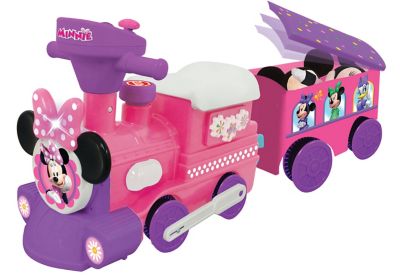
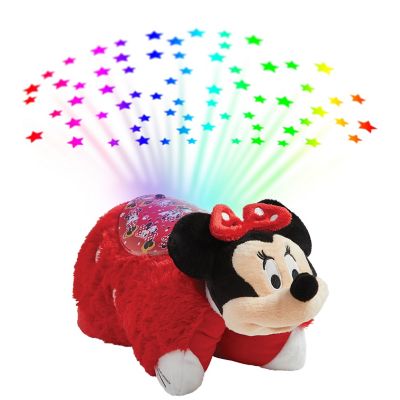
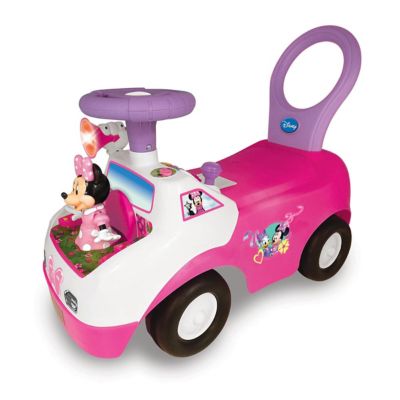
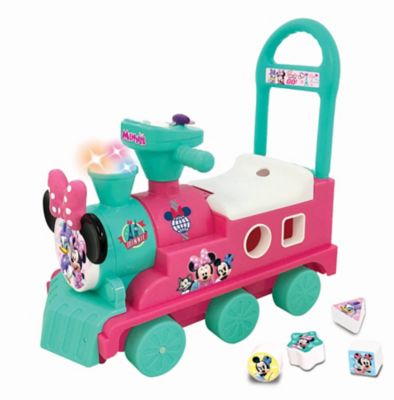
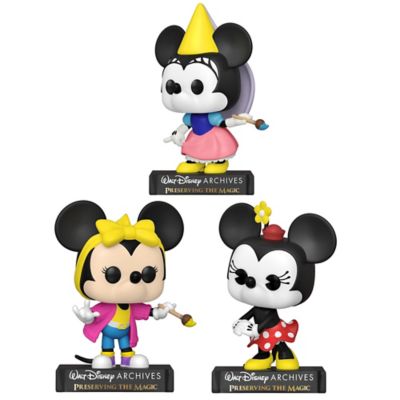
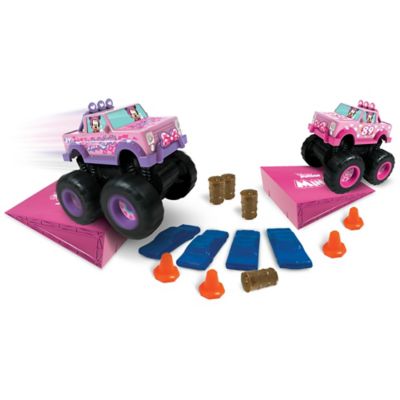
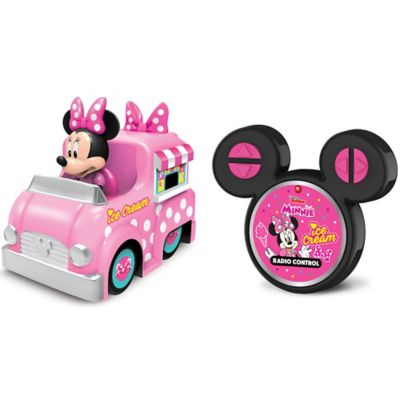
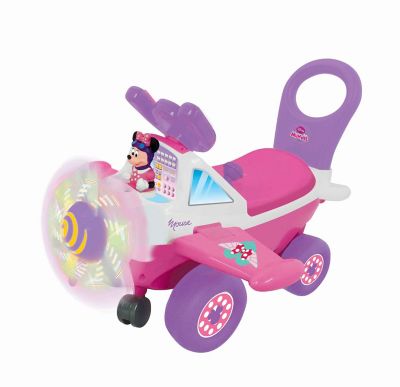
Minnie Mouse toys include plush characters, fashion dolls, building blocks, interactive figures, and pretend-play sets that bring her familiar bow and polka dots into everyday play. That range gives children different ways to enjoy a favorite character, whether they like carrying a soft companion around the house, dressing a doll for an imaginary outing, or building a little world on the living room floor. Plush toys lend themselves to storytelling and quiet company during reading time, while dolls and play figures give children characters to move through their own adventures. Building toys add another kind of activity, with pieces to stack, connect, take apart, and arrange again. Pretend-play accessories can turn a spot beside the kitchen table into a make-believe café, shop, or gathering place for stuffed animals. Interactive toys may add sounds, movement, or simple responses, depending on their features, while toys without electronics leave the voices and action entirely up to the child. Neither approach has to fill the whole afternoon; a familiar character can be enough to get a short game going while supper comes together or the grown-ups finish a conversation. Minnie’s recognizable ears, cheerful expressions, and bow make the theme easy to spot across different toy styles, but the way a toy plays matters as much as its appearance. A child who spends time arranging little scenes may enjoy something quite different from one who wants a soft toy tucked under an arm on the way to Grandma’s house. Open-ended pieces can fit into adventures with toys already at home, so a Minnie figure might visit a block-built farmhouse one day and attend a pretend birthday party the next. Simple play like sorting accessories, counting pieces, and taking turns speaking for different characters also gives children chances to practice everyday skills without making playtime feel like a lesson. The appeal is in having a familiar face along for whatever story comes next.
Materials, size, and construction help determine how a Minnie Mouse toy fits into those everyday routines. Plush styles commonly pair a fabric outer layer with soft filling, while dolls, figures, and building pieces often have molded plastic parts. Some toys combine several materials, including fabric clothing, sewn-on details, painted features, or electronic components. A soft surface may suit a child who likes to hold a toy close, while a smooth plastic figure can be easier to position in a pretend scene. Seams, attached features, moving joints, and closures all deserve attention because those are the places that get plenty of handling. Toys that travel between the house, a sitter’s place, and family visits also benefit from construction that stands up to repeated packing and carrying. Dimensions tell more of the story than a photo alone: a large plush character takes up more room in a tote, and a small figure may come with accessories that need their own container. For dress-up play, the size of fasteners and clothing openings affects how easily little hands can manage them. Larger tabs and simpler closures may make independent play less frustrating, while tiny shoes and fiddly accessories can call for help from an adult. Age labels remain important across every style, especially when a toy includes small parts, detachable pieces, or battery-powered features. Toys with small parts are not appropriate for children younger than three, and an older sibling’s accessories need a separate spot away from younger children. Battery compartments should stay securely closed, with adults handling battery changes. Care depends on the individual toy rather than the character pictured on it. A plush toy’s label may call for surface cleaning instead of a trip through the washer, and electronic parts should stay dry unless the manufacturer says otherwise. Letting cleaned pieces dry fully before storage helps keep the toy bin ready for the next round of play. A little attention to care and storage goes a long way when a favorite toy gets carried from room to room.
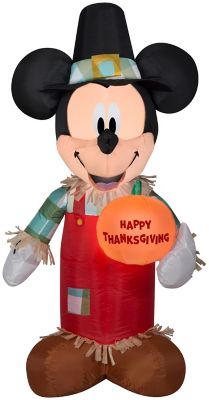
For gifting, Minnie Mouse toys can suit birthdays, family visits, and other occasions when a familiar character makes the present feel personal. The best match often comes from noticing what the recipient already enjoys. A child who carries stuffed animals everywhere may connect with a plush companion, while one who spends time changing doll outfits may prefer play centered on dressing and arranging. A builder may be happier with pieces that become houses, fences, and little gathering spots than with a toy that has only one main action. Children who enjoy making up conversations can get plenty of mileage from figures that fit comfortably in their hands and work alongside other playthings. The household matters, too. A toy that packs neatly into a small bag can make sense for trips to a grandparent’s home, while a larger setup needs enough floor or tabletop space to spread out without blocking the family’s everyday path. In a home with children of different ages, separate bins make it easier to keep small accessories apart from toys meant for younger hands. Sound features deserve a little thought as well, especially in shared rooms; volume controls and an off switch can make a difference during quiet play. For a gift going to another household, checking the age recommendation, overall size, and care needs helps keep the gesture thoughtful and practical. A simple storage basket or lidded container can give loose pieces a home, and keeping related accessories together makes it easier to pick up a story where it left off. Families who enjoy familiar characters beyond the playroom can carry that cheerful touch outside with
Mickey Mouse yard accents. Inside the toy box, though, the strongest connection usually comes from a toy that suits the child’s own habits: something to hold, build with, dress, or bring into a story again and again.