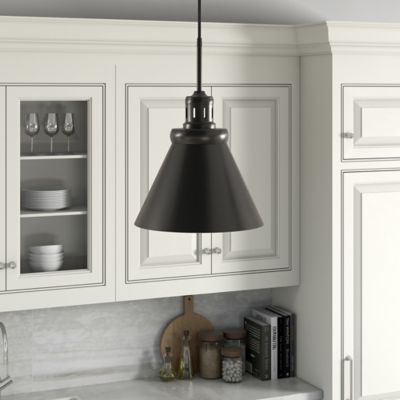
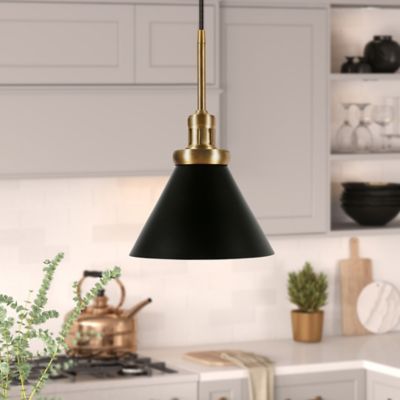
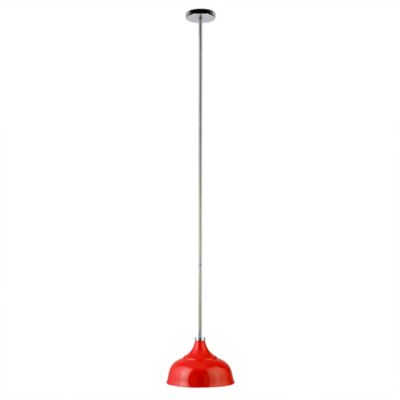
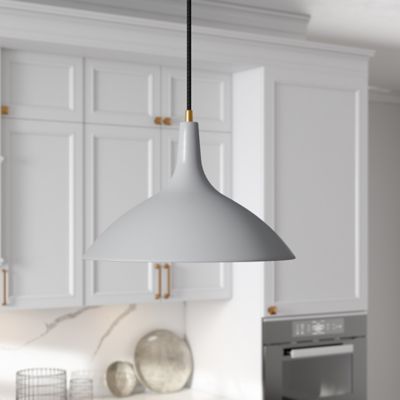
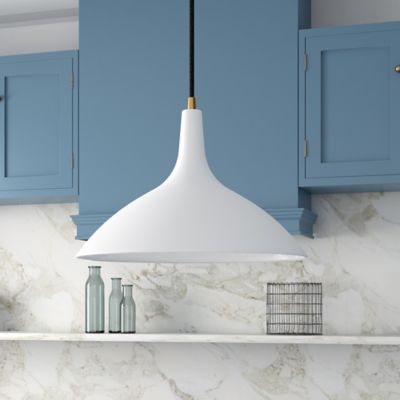
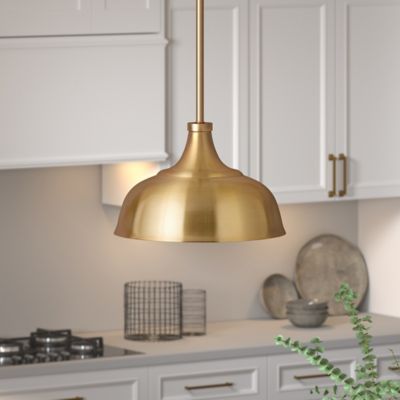
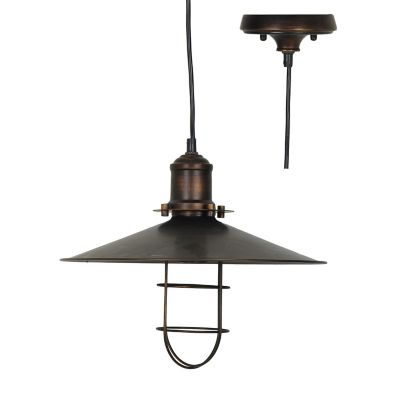
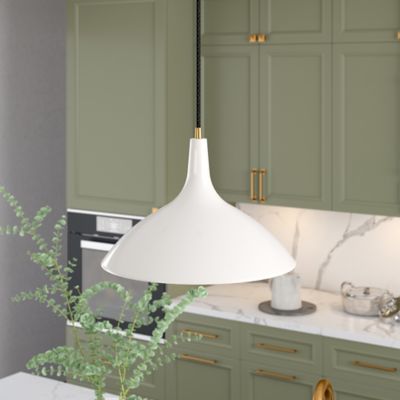
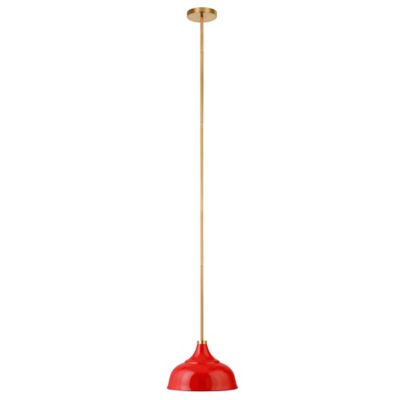
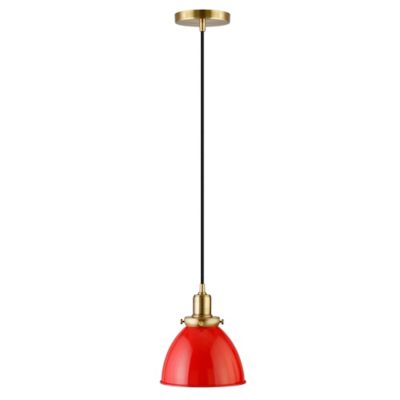
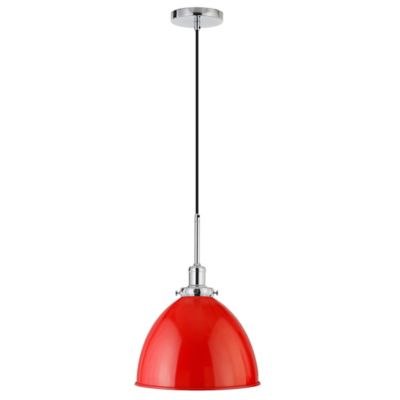
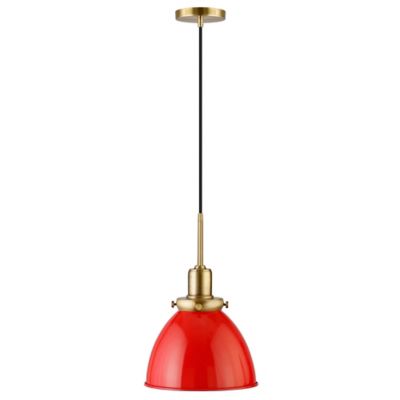
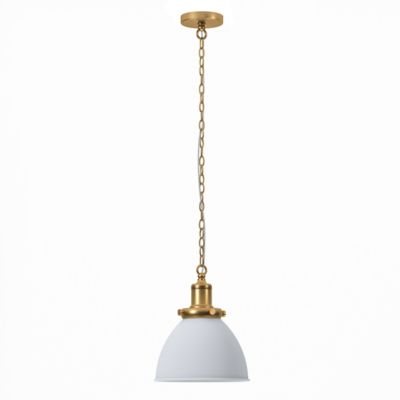
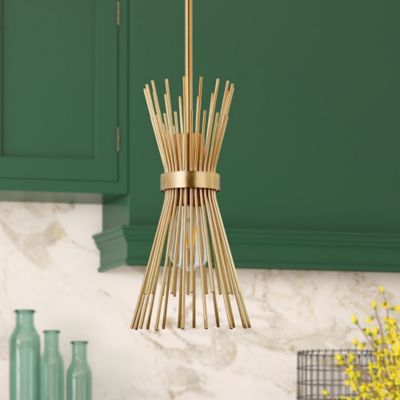
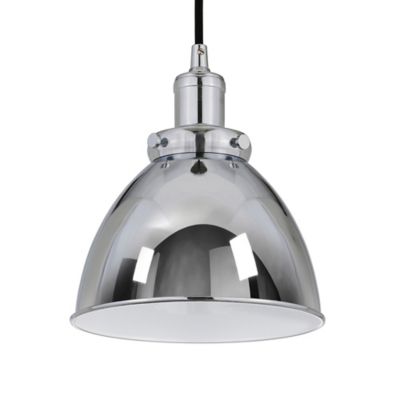
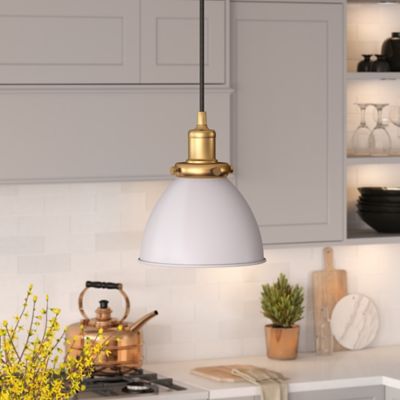
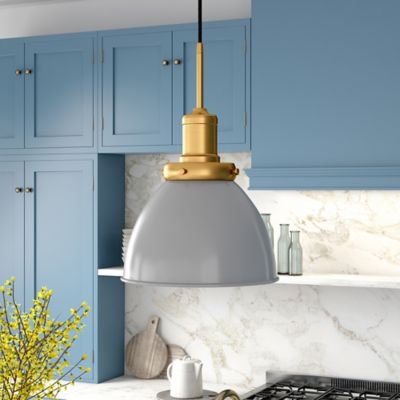
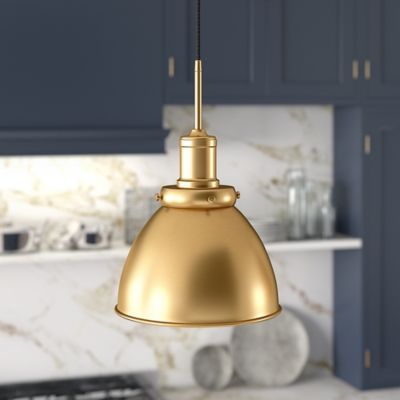
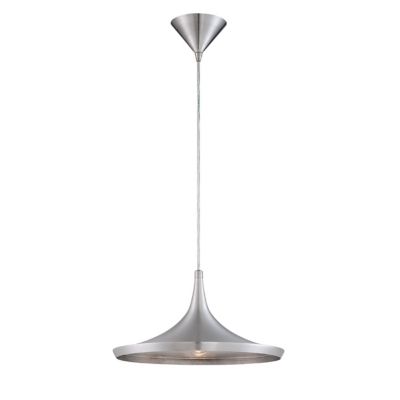
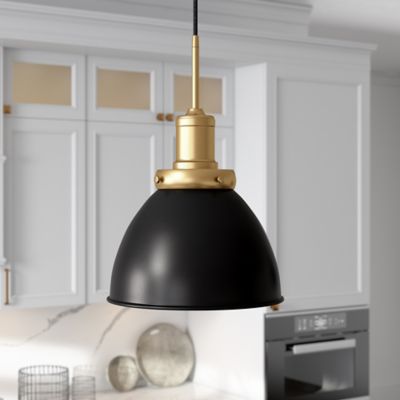
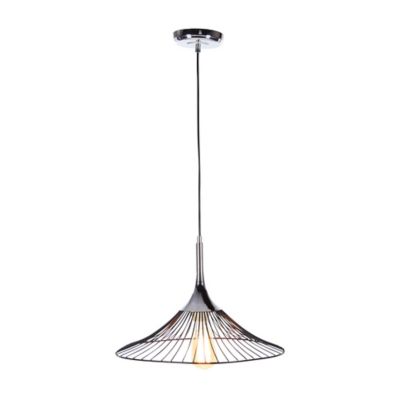
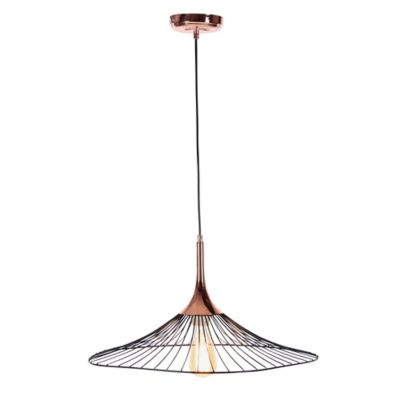
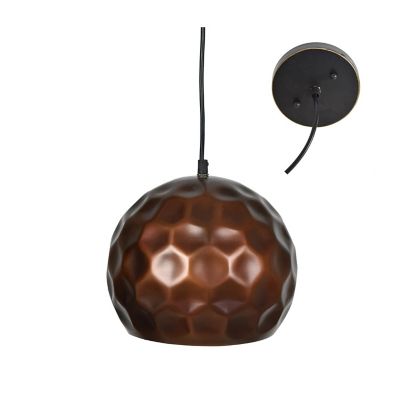
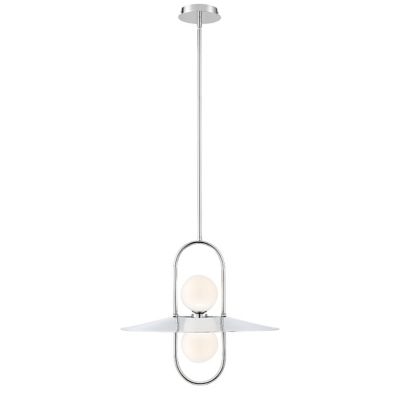
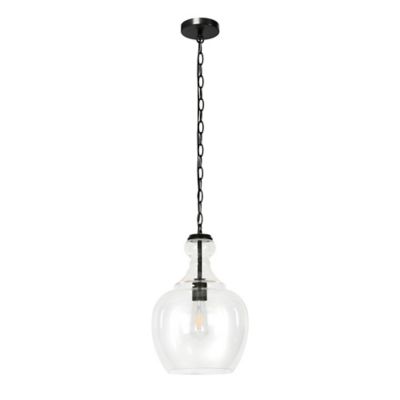
Metal shade pendant lights combine a metal shade with a hanging light source, often directing illumination downward over a counter, table, or other everyday gathering spot. Their familiar shapes fit right into farmhouse kitchens, rustic dining rooms, industrial spaces, and clean-lined modern homes. A broad dome can bring a substantial presence to a room, while a smaller cone or bell shape keeps the look lighter above a breakfast counter. Because solid metal does not glow through its sides the way glass can, the opening and depth of the shade have a big say in where the light lands. A deep shade can help shield the bulb from side views, while a shallow shade may leave more of it visible. The interior finish matters, too: a light-colored interior generally reflects more light toward the surface below, while a darker interior can create a more subdued effect. Over a kitchen island, these fixtures can help illuminate supper prep, a stack of school papers, or a recipe laid out beside a mixing bowl. Above a dining table, they give the room a clear gathering place without taking up tabletop space. In an entryway or mudroom with enough ceiling clearance, a pendant can add an overhead focal point that feels at home alongside wood benches, painted cabinets, and practical storage. A single fixture suits some smaller spaces, while a row of pendants can stretch across a longer counter. The best fit depends on the shade’s width, the room’s proportions, and the amount of light needed below it. Metal pendants also work well as one part of a broader lighting setup. Ceiling lights, under-cabinet lighting, and lamps can fill in areas beyond the shade’s reach, so a bright work surface does not leave the rest of the room feeling dark. That balance is especially helpful in open kitchens where cooking, eating, and conversation all happen in the same space.
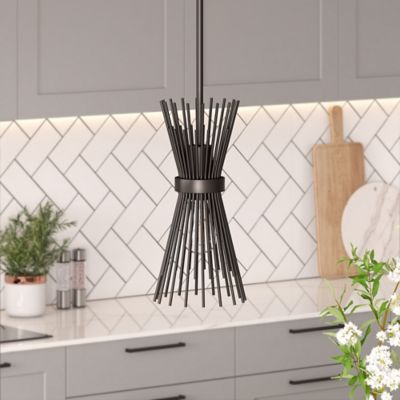
The metal and finish influence both the look of a pendant and the attention it needs over time. Steel, aluminum, and brass are among the materials found in metal lighting, and each can bring a different weight, surface character, and maintenance routine. Steel shades often have a substantial feel, aluminum is generally lighter, and brass may develop a changing surface tone unless a protective finish limits that process. A brass-colored finish, however, does not necessarily mean the shade is solid brass; the material description is the place to confirm what is underneath. Painted and powder-coated surfaces offer another way to bring color into the room, while plated and brushed finishes can coordinate with cabinet pulls, faucets, and nearby fixtures. Matte surfaces have a low-sheen appearance, whereas polished surfaces catch more reflections. Neither choice needs to match every piece of hardware in sight. A black pendant can provide a clear outline against pale cabinets, and a warm metal finish can sit comfortably beside wood grain or stone. For a darker, streamlined look,
Black Modern Pendant Lights offer a related direction that pairs naturally with simple shapes and uncluttered spaces. Beyond the finish, shade diameter deserves a close look. An oversized shade can crowd a narrow island or interrupt sightlines across a small kitchen, while a very small shade may feel lost above a broad table. Groups of pendants need room between them so the arrangement feels balanced rather than crowded. Hanging height also affects comfort: the shade should put light where it belongs without blocking conversation or leaving a bare bulb shining into seated eyes. In rooms with sloped ceilings, compatibility with the ceiling angle matters just as much as the fixture’s appearance. Adjustable cords, chains, and stems offer different looks and different adjustment ranges, so the listed dimensions and mounting details help establish whether a pendant fits the space.
Everyday performance comes down to more than the shade alone. Bulb base, maximum wattage, bulb dimensions, and any restrictions on enclosed fixtures all need to line up with the pendant’s specifications. An LED bulb can provide plenty of light with lower energy use than an incandescent bulb, but its brightness should be compared in lumens rather than watts. Warm white light often feels comfortable around a dining table, while a more neutral light can suit a counter where chopping, sorting, and reading labels take place. The shade’s shape and finish will still influence the final effect. Dimming can make the same room work for meal prep and a relaxed supper, provided the fixture, bulb, and dimmer are compatible. Hardwired pendants need a suitable electrical box and mounting support, and installation should follow the manufacturer’s directions and local electrical requirements. A qualified electrician can address wiring, support, and placement when those details are uncertain. Location ratings deserve equal attention. A fixture intended for a dry indoor room is not automatically suitable for a porch, a damp space, or an area exposed to water. Busy utility spaces may also call for enclosed or protected lighting rather than an open pendant, depending on the conditions. Once installed, metal shades generally benefit from regular dusting and gentle cleaning, especially above a kitchen work area where airborne grease can collect. Turn off power and let the fixture cool before cleaning, follow the finish-specific care directions, and avoid abrasive pads or harsh cleaners that could scratch a coating or alter a metal surface. Keeping moisture away from sockets and electrical parts is essential. For homeowners refreshing a kitchen, finishing a dining nook, or bringing a little more purpose to an entryway, metal shade pendant lights offer a practical mix of directed light and straightforward style. A well-proportioned shade, a suitable mounting arrangement, and a finish that suits the room help the fixture feel settled in from the start.