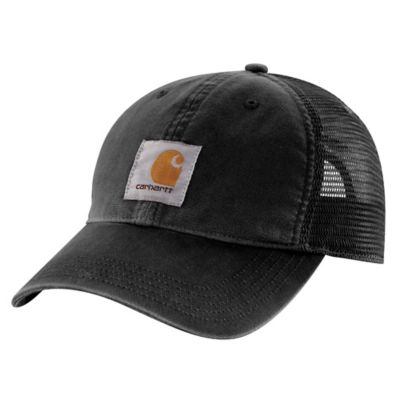
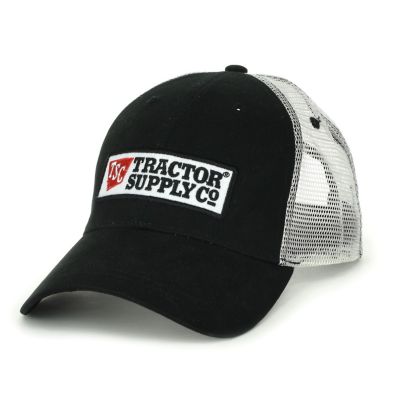
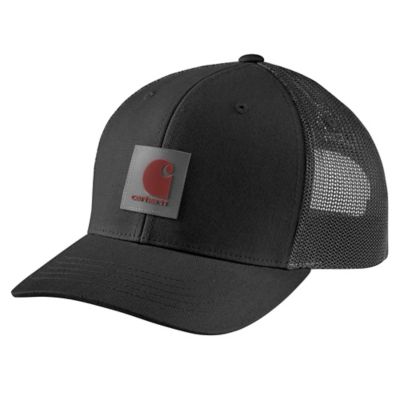
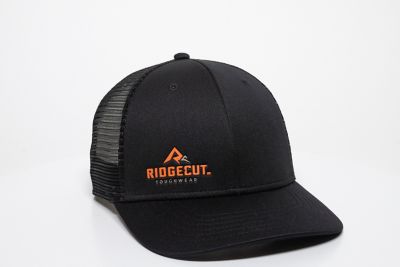
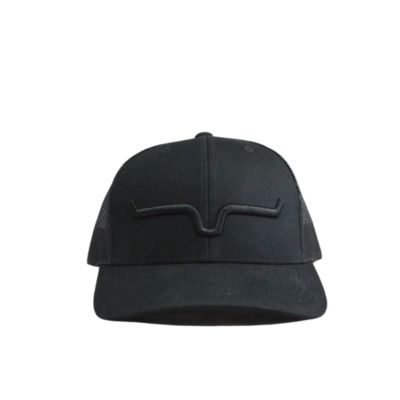
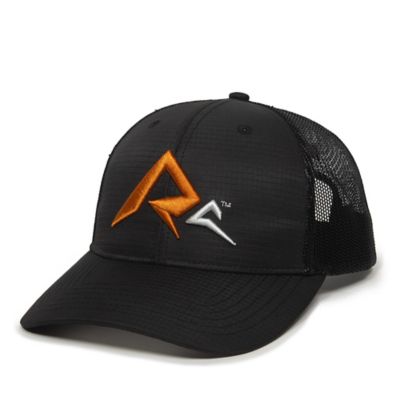
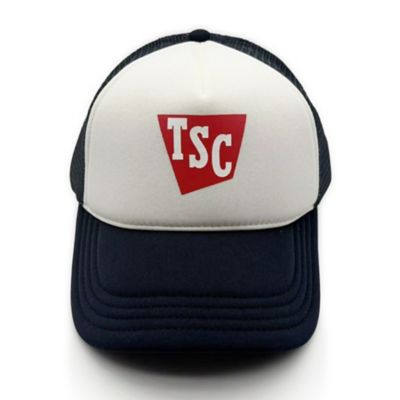
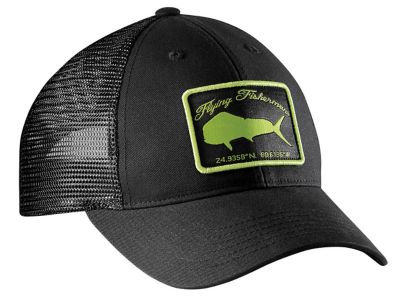
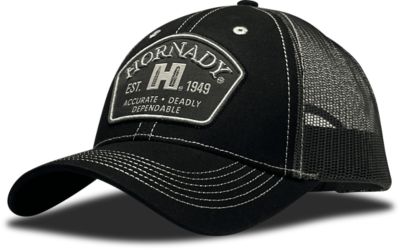
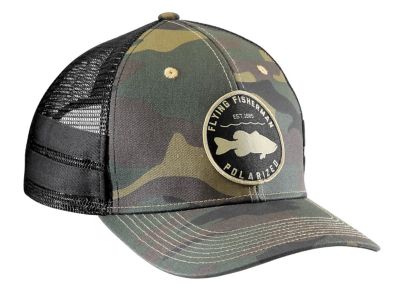
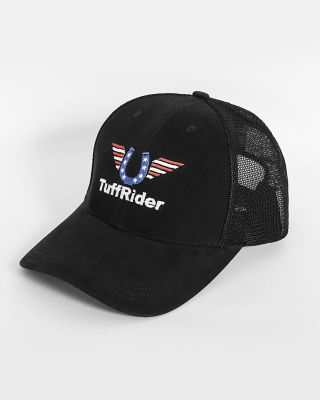
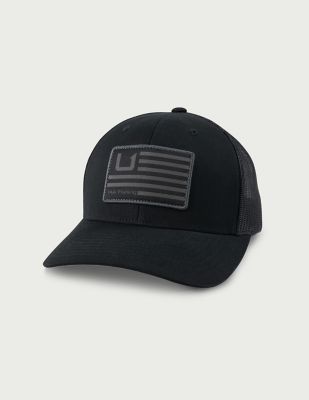
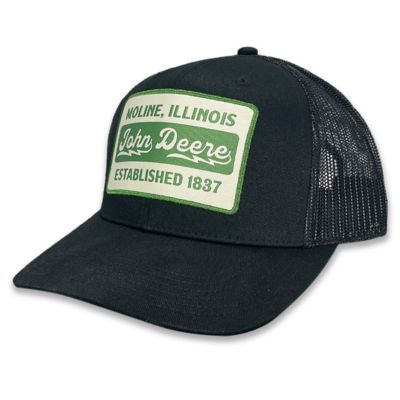
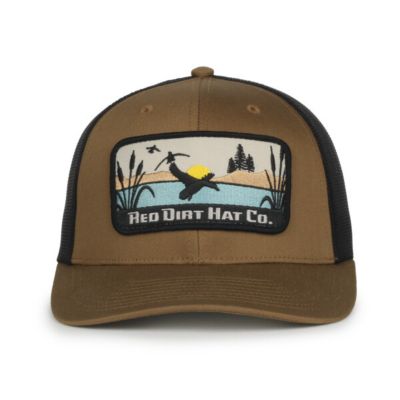
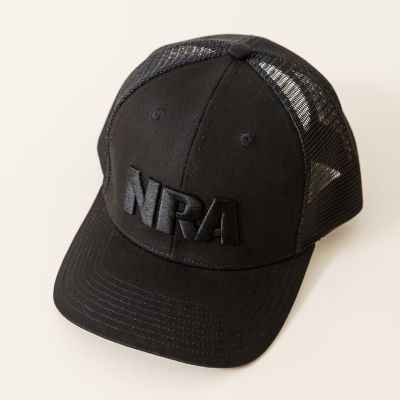
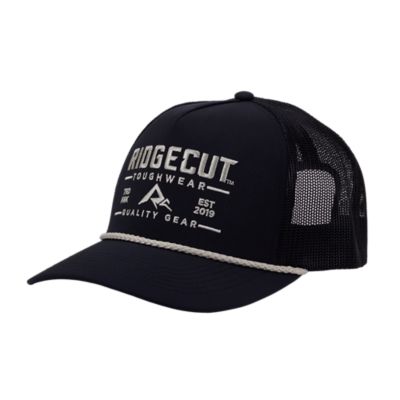
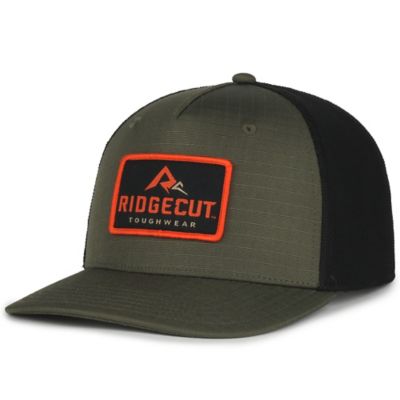
Men’s black trucker hats pair a front panel and bill with a mesh back, giving a familiar workwear shape an easygoing feel. They fit right in with a canvas work jacket, a plain T-shirt or a button-down worn into town after chores. Black keeps the look straightforward, whether the hat has a plain front, embroidered lettering or a sewn-on patch. An all-black design carries the same color through the crown, mesh and bill, while a black-front style may have contrasting panels, stitching or details. That distinction matters for anyone after a completely dark hat rather than one with black as its main color. Materials also change how a trucker cap feels and holds its shape. Cotton fronts tend to have a softer fabric feel, polyester fronts can provide a smoother surface, and cotton-polyester blends combine characteristics of both fibers. Foam-backed front panels create a fuller silhouette with a little more body behind the face of the cap. The mesh panels, often made from polyester or nylon, leave space for airflow without giving up the familiar baseball-cap outline. A structured front keeps its shape when the hat comes off, while an unstructured front relaxes more easily against the head. Neither construction is automatically better; the difference comes down to how the wearer likes a cap to sit. For a man who keeps a hat beside the truck keys, that everyday feel can matter more than a large graphic or bold patch. A black trucker hat can go from a morning walk around the property to a feed-store stop and a seat at the diner without looking out of place. The dark color also works with denim, brown canvas, gray sweatshirts and patterned work shirts, making it easy to wear the same cap with different clothes. Dust, lint and dried sweat can still show on black fabric, so the color should not be mistaken for a finish that needs no upkeep.
Fit is where men’s black trucker hats can look similar on a shelf but feel quite different on the head. Crown height, panel layout, bill shape and the back closure all play a part. A low-profile crown sits closer to the head, while a taller crown leaves more room above it and gives the front panel a more upright appearance. Five-panel construction often provides an uninterrupted front section, while six-panel construction typically has a seam running down the center of the forehead area. Those details affect the outline of the cap as well as the placement of patches or stitching. A curved bill creates a familiar rounded look, while a flat bill has a straighter edge and a broader-looking profile across the face. Some bills have a gentle curve between those two shapes. Adjustable snapback closures offer a series of set positions, and strap closures allow adjustment along a band; stretch-fit designs depend more directly on the stated size range. An adjustable closure does not mean every cap fits every head, especially when crown depth and the shape of the opening differ. A comfortable fit stays in place without leaving a deep pressure line across the forehead or pushing against the tops of the ears. The inner sweatband matters here, too, since its texture and thickness are what the wearer feels through much of the day. For someone who wears glasses, the relationship between the bill, temples and ears deserves attention. A cap that sits too low can crowd that space, even when the back adjustment feels right. Getting in and out of a pickup, leaning over a workbench or reaching for supplies on a shelf can also make a loosely fitted cap shift around. A trucker hat is everyday headwear, not a substitute for required protective equipment, and its fit should not interfere with eye or hearing protection. These practical differences help explain why two hats with the same color and closure may suit different wearers.
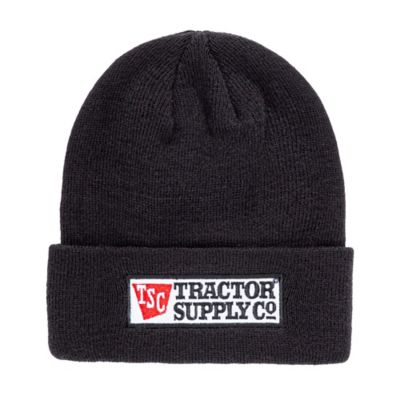
Construction and care have a lot to do with how a black trucker cap looks after repeated wear. Even stitching, firmly attached mesh and a secure closure are useful details, especially for a hat that travels between the house, truck and tack room. The bill should hold its intended shape without feeling loose where it joins the crown, and the sweatband should lie smoothly inside rather than bunching against the forehead. Patches and embroidery add texture, but their backing can also affect how the front feels against the head. Care requirements depend on the fabric, trim and material inside the bill, so the care label is the starting point for cleaning. Some caps allow gentle washing, while others call for spot cleaning to help protect the crown’s structure and the bill’s shape. A soft cloth or brush can lift surface dust, and a mild cleaning solution may help with marks when the care instructions permit it. Strong scrubbing can roughen fabric or stitching, and high heat can affect the fit, closure or shape. Letting a cleaned hat air-dry with its crown supported helps it keep its form without crushing the front. Storage matters between wears, too: a clean hook or open shelf gives a cap a better resting place than the bottom of a tool bag beneath heavy gear. For gift giving, a black trucker hat makes sense for someone who already reaches for caps on errands, around the property or on trips into town. Matching the recipient’s usual crown height, bill curve and preference for plain fronts or patches is more useful than choosing by color alone. Someone who prefers headwear without a projecting bill might also like a
Black Beanie Hat as a different everyday shape. For trucker caps, the best match comes down to comfortable proportions, suitable materials and a look the wearer will reach for again.