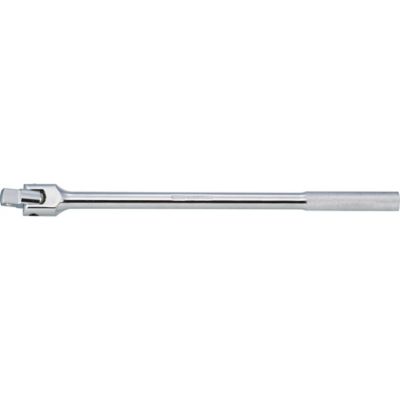
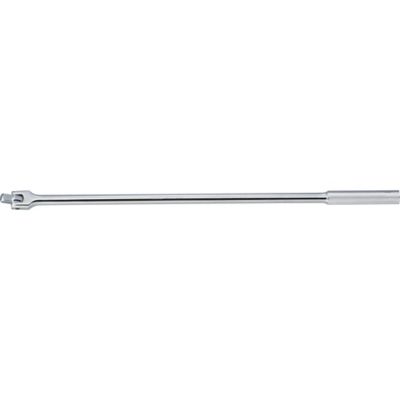
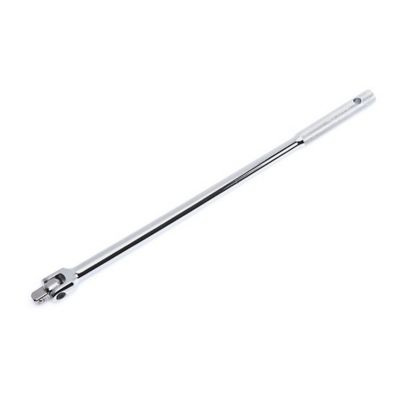
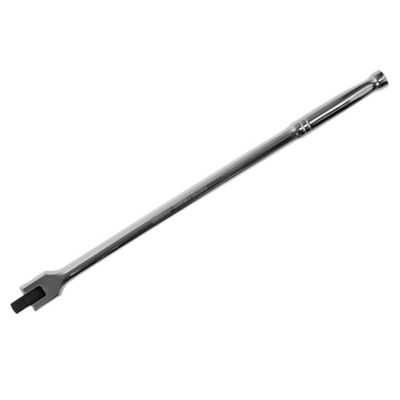
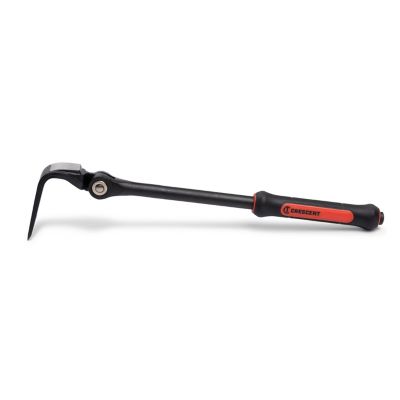
Long handle breaker bars bring extra leverage to stubborn nuts and bolts on pickups, trailers, tractors and other equipment that earns its keep. A longer handle increases the turning force available from a steady pull, which can make a difference when a fastener will not budge with a shorter socket wrench. Unlike a typical ratchet, a breaker bar generally has a nonratcheting drive head built for applying force rather than spinning hardware through repeated strokes. That makes it a useful companion to a socket set, not a replacement for every wrench in the toolbox. Around a farm shop or home garage, these bars fit jobs such as loosening wheel fasteners, taking apart an implement bracket or starting a tight suspension bolt during a repair. Once the fastener breaks free, a ratchet often makes the remaining work quicker and easier. Handle length matters, but the longest bar is not automatically the best match for every job. A bar that feels right beside an open trailer wheel may be awkward underneath a mower deck or between closely spaced frame members. Room to swing the handle, space for a socket and a clear pulling position all affect how useful that extra reach will be. Longer handles also make it easier to apply more force than a smaller fastener can handle, so matching the tool to the work matters just as much as leverage. For equipment owners, mechanics and folks who handle their own repairs, a well-matched breaker bar fills the gap between everyday socket work and fasteners that need a firmer start. It can also make a practical gift for someone building a shop tool collection, especially when the drive size matches the sockets already in that person’s toolbox. The appeal is straightforward: more reach, controlled leverage and a tool with a clear purpose when routine wrench work gets stubborn.
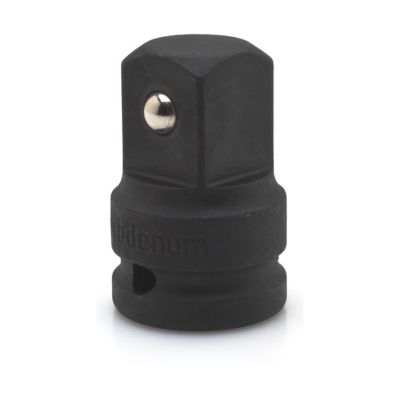
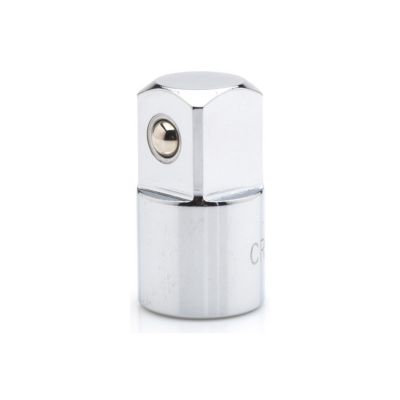
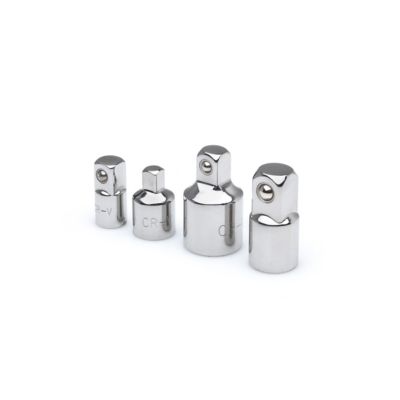
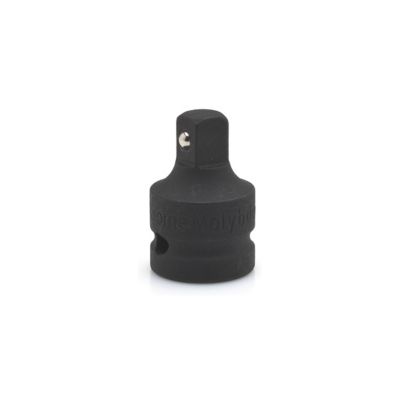
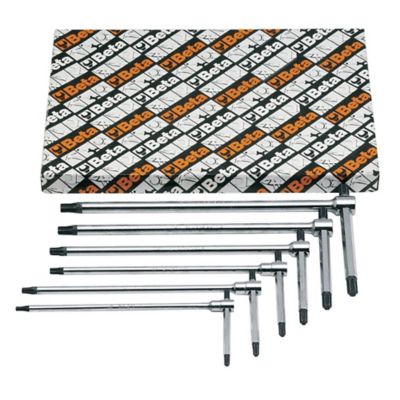
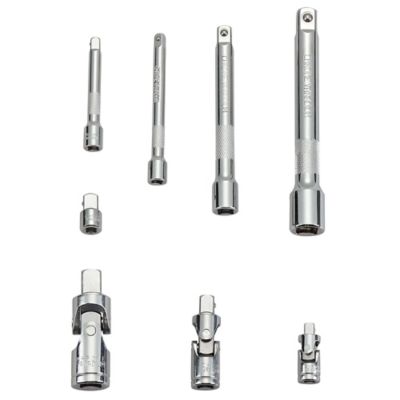
Drive size is one of the first details worth comparing across long handle breaker bars. The square drive must match the socket, and the socket must match both the size and shape of the fastener. Common drive sizes serve different ranges of work, with larger drives generally associated with larger sockets and heavier applications; the tool manufacturer’s ratings still determine the limits. An adapter can connect different drive sizes, but it does not increase the capacity of the smaller component. Socket fit deserves the same attention as handle length. A properly fitting six-point socket on a hex fastener helps keep force on the flats rather than concentrating it near the corners, while full engagement reduces the chance of slipping. Shallow and deep sockets also change clearance, especially around recessed nuts, projecting studs and crowded assemblies. Head design affects access as well. A pivoting head lets the handle move through different angles, which can help when a straight approach is blocked, though the working angle should stay within the manufacturer’s guidance. Smooth movement without excessive looseness is a useful feature to look for at the head joint. Alloy steel construction is common, including chrome vanadium and chrome molybdenum formulations, but the steel name alone does not establish a bar’s strength or load capacity. Shaft dimensions, head construction, heat treatment and the design of the pivot all contribute to performance. Chrome-plated and other protective finishes can help resist corrosion, although scratches and neglected storage can leave metal exposed. Grip styles bring another practical difference. A textured metal handle can be easy to wipe down, while a cushioned grip may feel more comfortable during a firm pull. Either way, the handle should sit securely in the hand without forcing an awkward wrist position. Fixed-length bars keep the design straightforward, while telescoping designs offer adjustable reach and call for close attention to the locking mechanism and operating limits.
A breaker bar earns its place through repeated repair work, so care and storage matter beyond the first tight bolt. Grease, grit and metal filings can collect around the drive head and pivot, and wiping the tool down after a job makes wear or damage easier to spot. Any lubrication should follow the manufacturer’s recommendations, particularly around moving joints. Bent shafts, cracked heads, damaged square drives or loose pivot hardware are reasons to take a tool out of service rather than lean on it harder. A dry drawer, tool chest or secure wall rack keeps the bar within reach without leaving it where it can fall, collect moisture or become a tripping hazard. Across a farm property, long handle breaker bars belong with the sockets and wrenches, while
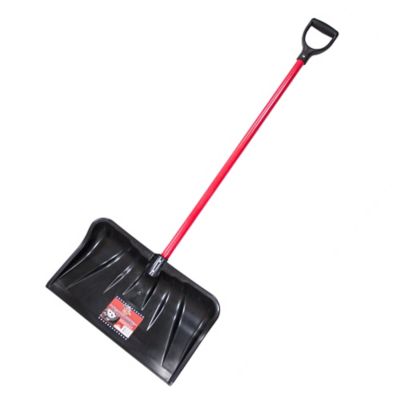
Long Handle Shovels have their place with digging and groundskeeping tools; keeping each group together makes the next chore easier to get started. The right working setup matters, too. A breaker bar is a hand tool, not a striking tool, and slipping a pipe over the handle can push it beyond its intended limits. Firm socket engagement, eye protection and a stable stance help reduce risk when a tight fastener releases suddenly. Equipment must be secured against movement, and any raised load needs properly rated support rather than a jack alone. For final assembly, a breaker bar does not measure torque; fasteners with a specified tightening value call for a suitable torque wrench and the equipment maker’s instructions. Those distinctions help keep extra leverage from turning into stripped threads or broken hardware. Whether the tool rides in a service truck or stays beside the shop bench, the best fit comes down to compatible sockets, enough working room, manageable handle length and construction suited to the expected load. That combination gives a long handle breaker bar a useful, straightforward role in keeping hardworking equipment ready for the next job.