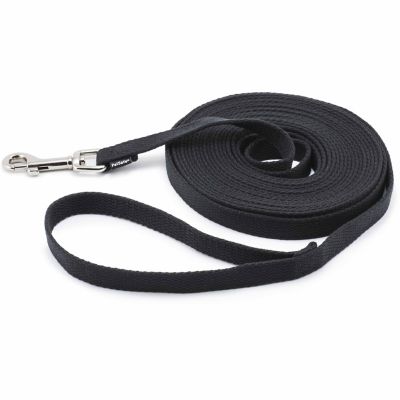
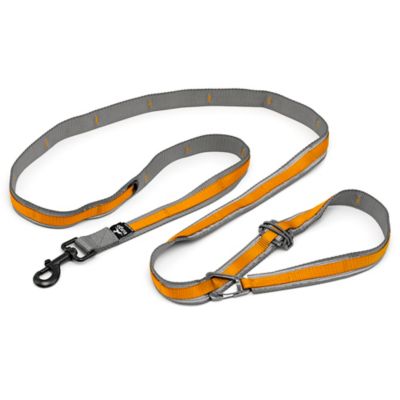
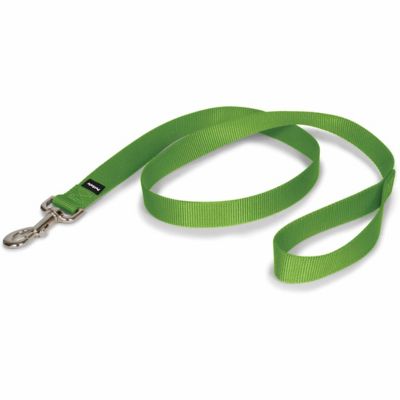
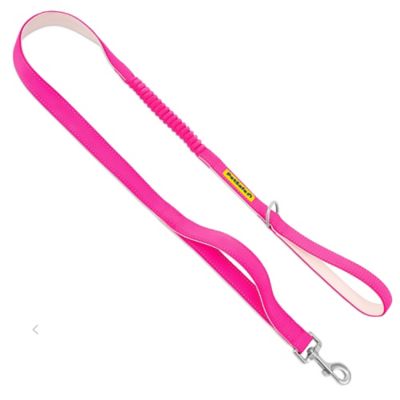
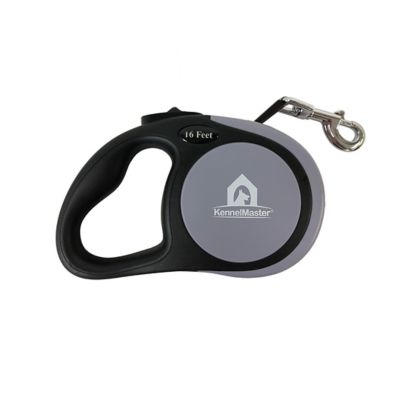
Long dog training leashes, also called long lines or training leads, give a dog room to explore while keeping a physical connection to the person holding the leash. They’re a practical choice for recall practice, supervised sniffing walks, and working on cues at a distance without turning a dog loose. Compared with a standard walking leash, a long line allows more space between dog and handler, making it easier to practice coming when called or settling a little farther away. Lengths commonly range from about 15 feet to 50 feet or more, with different lengths suited to different spaces and handling needs. A shorter training lead can be easier to manage in a modest yard, while a longer line gives more room in an open area where dogs are permitted. Extra length also means more line to gather, more chances for tangles, and more distance for a dog to build speed. The best match isn’t always the longest option; it’s a length that fits the setting and stays manageable in the handler’s hands. Picture a dog sniffing along the edge of a field, then turning back toward a familiar voice with the leash still slack. That’s the kind of controlled freedom a long lead supports. It doesn’t replace a fence, guarantee recall, or make every open space suitable for training. Roads, livestock, other dogs, and equipment still call for plenty of separation. Clear ground matters, too, since a line can catch around fence posts, brush, or outdoor furniture. For everyday walks along a road or through a busy area, a shorter leash generally provides closer control. Long training lines are better suited to supervised sessions with room to move, rather than crowded paths or places where the leash could stretch across someone else’s route.
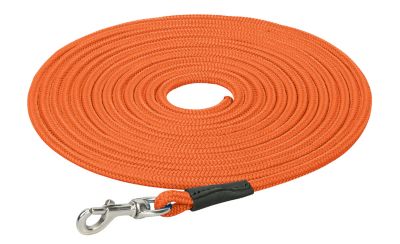
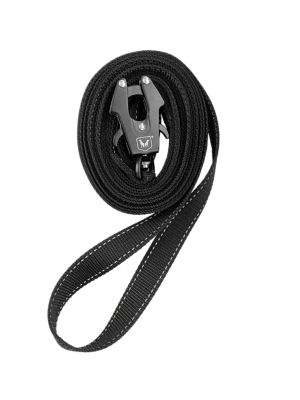
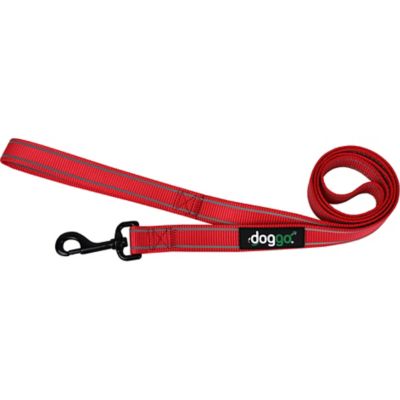
Material and construction make a noticeable difference in how a long dog training leash feels, carries, and cleans up afterward. Flat nylon or polyester webbing can fold into a gear bag without much fuss, though woven material may collect dirt and pick up moisture. Rope-style leads have a rounded shape that some handlers prefer in the hand, but their weight, flexibility, and grip vary with the construction. Coated webbing offers a smoother surface that can be easier to wipe clean after contact with mud or grass. No material eliminates the need for sound handling, and even a comfortable lead can cause friction burns if it slides quickly through bare hands. Width and thickness deserve a close look alongside length. A heavy line and oversized clip can weigh down a small dog, while a larger, stronger dog needs hardware and construction suited to its size and pulling force. Manufacturer recommendations help narrow that match. Secure stitching, firmly attached hardware, and a clip that closes fully are worth checking before every outing. A swivel connection can help reduce twisting, although it won’t prevent every tangle. For long-line work, a properly fitted harness with a suitable back attachment helps keep a sudden stop from concentrating force on the neck. Harness fit still matters: straps should stay in place without rubbing or restricting movement, and the attachment point should be intended for leash use. Maintenance is straightforward but important. Loose grit can be brushed away, and washing should follow the material’s care directions. Letting the leash dry fully before storage helps keep it ready for the next session. Frayed edges, cuts, chewed sections, loose seams, cracked coatings, or a sticking clip are reasons to take a lead out of service. A line that spends time dragging across rough ground needs especially close inspection, since wear can develop well beyond the handle or clip.
The right long training lead fits both the dog’s habits and the person managing the other end. A young dog learning its name, an adult dog brushing up on recall, and a newly adopted dog getting comfortable in unfamiliar surroundings may all benefit from extra space without an off-leash outing. The experience looks different for each one. A puppy may only need a small working distance for a few rewarding returns, while an experienced dog may practice coming away from an interesting scent farther across an open yard. Sniffing walks are another common use, allowing a dog to investigate at its own pace where that activity is permitted. In each setting, the line remains a connection, not a tool for hauling the dog back or delivering a sharp correction. Managing slack helps limit sudden stops, and keeping loops away from hands, legs, and the dog’s feet helps reduce entanglement. A long line should never be wrapped around a hand or body, attached to a moving vehicle, or left on a dog without supervision. It also isn’t a tie-out for leaving a dog secured to a tree or post. Practical details can make regular sessions less of a chore: how easily the line coils, whether the handle feels comfortable, how much space it takes in a bag, and whether its color stands out against the ground. For someone bringing home a dog or building out a training kit, those everyday details matter as much as the stated length. A broader comparison of leash styles is available on
Best Dog Leashes, especially when choosing separate options for close-control walks and open-space practice. Long dog training leashes fill a particular role in that setup: more room for a dog to sniff, move, and learn, with a handler staying attentive at the other end.