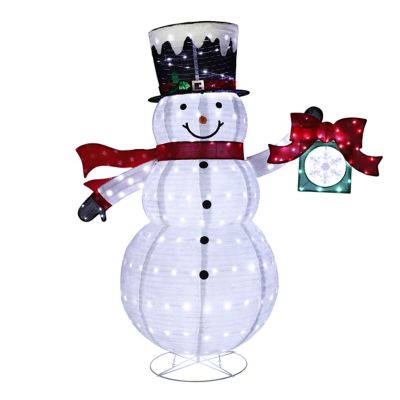
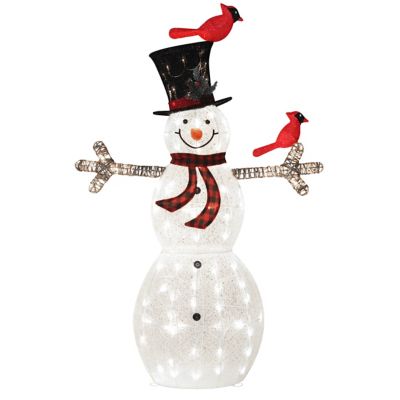
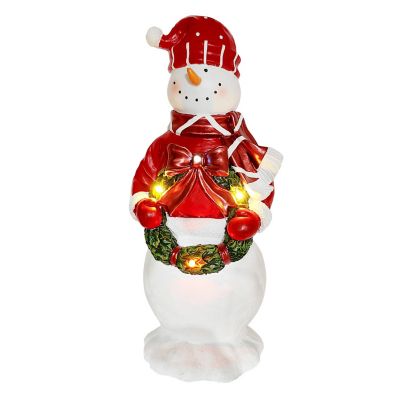
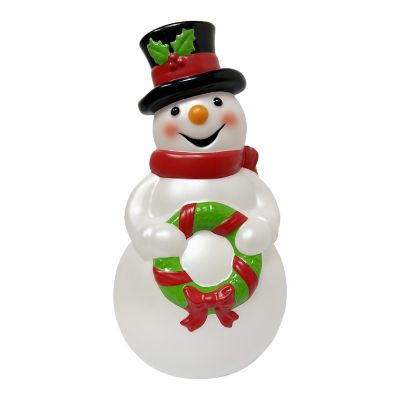
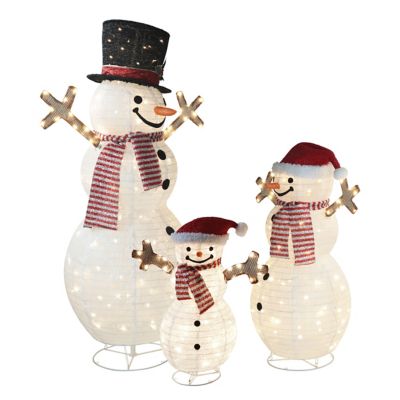
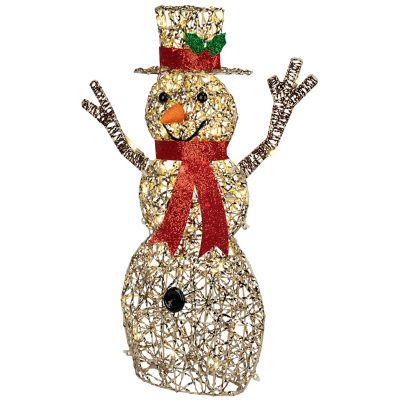
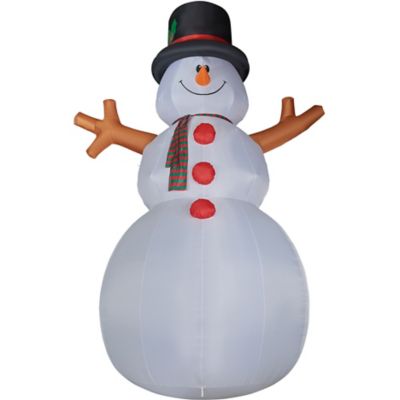
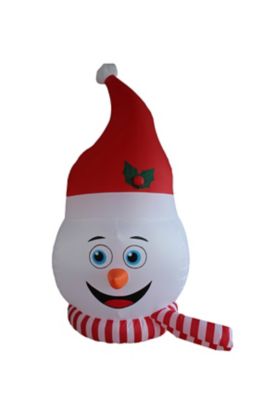
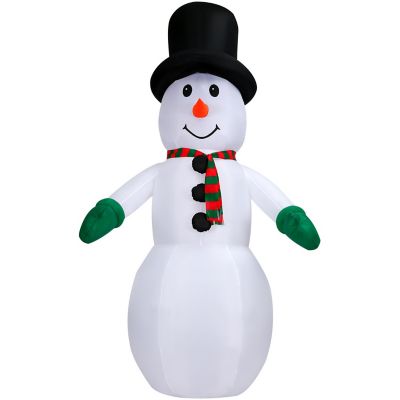
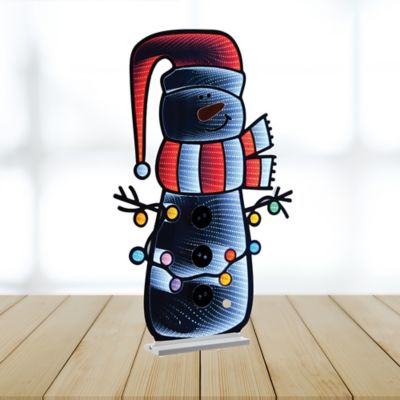
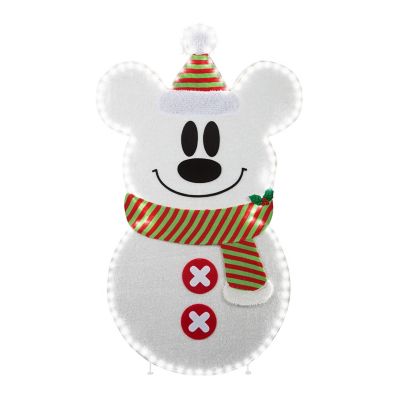
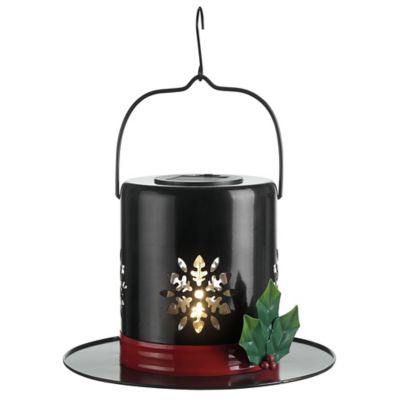
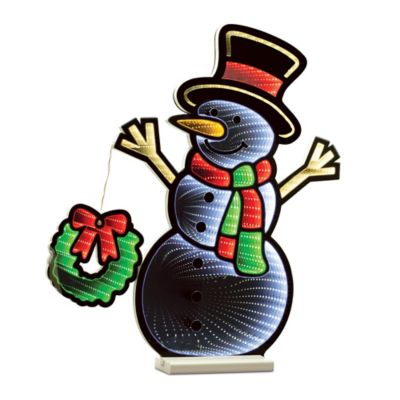
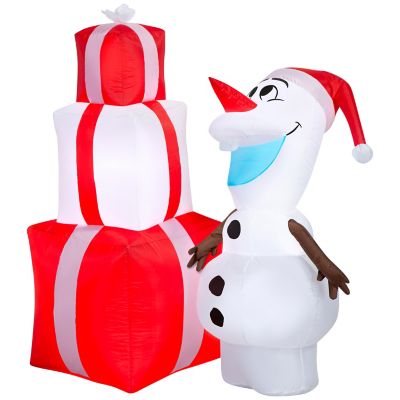
Lighted outdoor snowman decorations bring a friendly face to Christmas displays and winter yards, whether they stand beside a porch step or greet visitors at the end of a farm lane. Common styles include illuminated wire-frame figures, fabric or mesh snowmen, collapsible pop-up designs, and inflatables with interior lighting. Each creates a different effect after dark. Mesh stretched over a frame lets points of light shine through the body, while fabric coverings can soften the glow into a fuller silhouette. Inflatable snowmen bring broad shapes and playful poses to open lawns, with a blower maintaining their shape while powered. Construction may include coated metal supports, synthetic fabric, molded plastic details, and separate stakes or tethers, depending on the design. Familiar details such as carrot noses, coal-style buttons, scarves, and top hats help a snowman look cheerful in daylight, too. Some designs lean toward a simple white figure, while others add bright mittens, striped scarves, or companions for a more playful scene. Warm white lighting has a softer appearance beside porch lanterns and natural greenery; cool white lighting gives white figures a crisp outline, and multicolor lights suit a brighter Christmas display. A compact snowman can make an entrance feel welcoming without taking over the steps, while a taller figure has more presence across a wide front yard. The best scale depends on where people will see it: a figure viewed from the porch has different needs than one meant to catch the eye from the road. Snowmen also pair naturally with the trees, stars, and other lighted shapes found among
Outdoor LED Christmas Decorations. Keeping the light color and proportions consistent helps separate pieces feel like one scene, even when the display stretches from a small front garden to a fence line.
A good fit involves more than height alone. The full width and depth of a snowman, including outstretched arms, its base, and any supporting lines, determine how comfortably it sits in the space. On a narrow porch, a slim frame can leave more walking room than a round inflatable. In a broad lawn, a larger silhouette is easier to recognize from a distance, especially against a dark tree line or an unlit outbuilding. An open view matters, but so does keeping steps, gates, address numbers, and driveway sightlines clear. Placement near a gravel drive also calls for room between the figure and passing tires, snow removal equipment, or deliveries. Ground stakes need soil they can enter and grip; concrete, frozen ground, and loose gravel may call for a different manufacturer-approved anchoring method. Wire-frame and pop-up designs often rely on secure bases or stakes, while inflatables may need both ground anchors and properly arranged tethers. A sheltered spot can reduce wind exposure, but an outdoor rating does not mean a figure belongs outside through every storm. The stated limits for wind, moisture, and operating temperature matter more than how substantial a display looks. Power access deserves the same attention as placement. Outdoor-rated cords and connections, a ground-fault circuit interrupter outlet, and a cord path clear of foot traffic help support a sensible setup. Connections should stay out of puddles and melting snow, with any protective covers matching the equipment instructions. For inflatables, the blower intake needs clear space away from leaves, loose mulch, and snow buildup. Their shape generally depends on continuous airflow, so a deflated figure needs room to settle without covering a walkway. Figures with separate lighting controls may offer steady illumination or changing effects; a steady glow often fits a quiet porch setting, while animated lighting can become the focal point of a larger yard display.
Materials and construction make a difference throughout the display season and when everything goes back into storage. Coated metal frames provide structure, but scratches in the finish can expose metal to moisture, making intact coatings and sound joints worth a close look. Mesh and fabric coverings benefit from secure attachment points and seams that hold their shape without excessive pulling. Molded details should sit firmly in place, and electrical cords should have intact insulation without pinched sections or exposed wire. LED lighting generally draws less electricity than comparable incandescent lighting, though the actual power requirement depends on the figure, its light count, and whether it also runs a blower. Package specifications help clarify electrical needs, assembly requirements, replacement parts, and whether the entire figure or only certain components carry an outdoor rating. A snowman intended for a covered entry may have different exposure limits from one intended for an open yard. Care is usually straightforward, but the material and electrical components determine the right approach. Gentle surface cleaning, with power disconnected and without soaking electrical parts, helps remove dirt and road spray when the care directions allow it. Snow and ice should not be forced off fragile fabric or light strings, and a figure should be fully dry before packing. Collapsible frames can save storage space, while inflatables fold down once dry; both benefit from a clean container that keeps them away from sharp tools, nesting pests, and heavy boxes. Keeping stakes, tethers, adapters, and assembly directions together makes the next setup less of a hunt around the shed. For households that enjoy a familiar Christmas scene year after year, a snowman offers an easygoing centerpiece that works with wreaths, garland, and porch lights. It can also make a thoughtful holiday gift for someone who enjoys lighting up the front yard, provided the size, storage needs, and power requirements suit the home. A simple snowman without Christmas-specific lettering can remain part of a winter display beyond the holiday, within its stated outdoor-use limits.