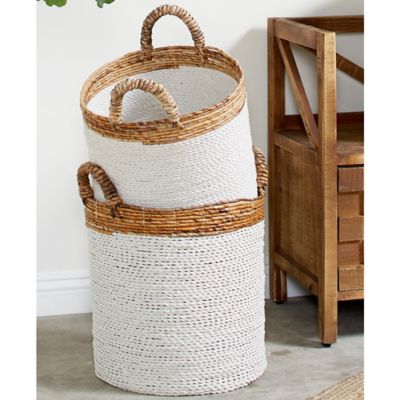
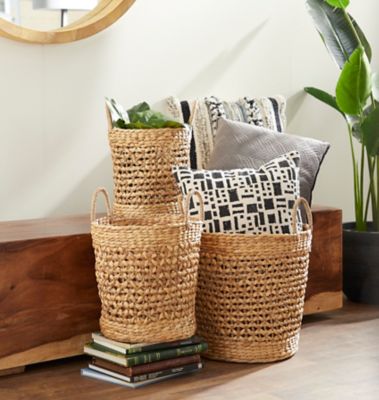
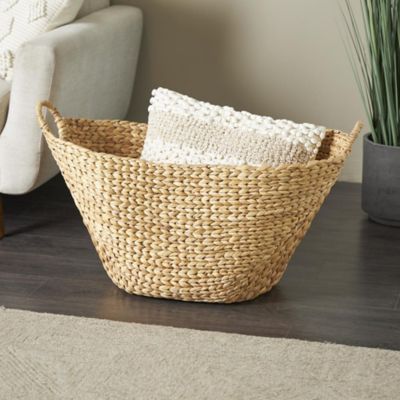
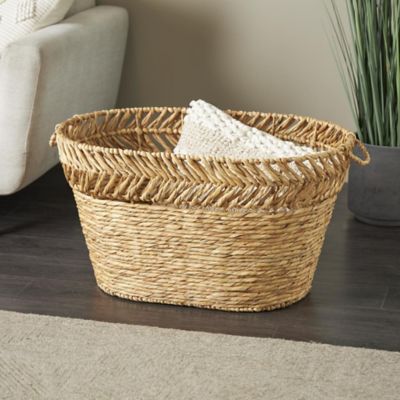
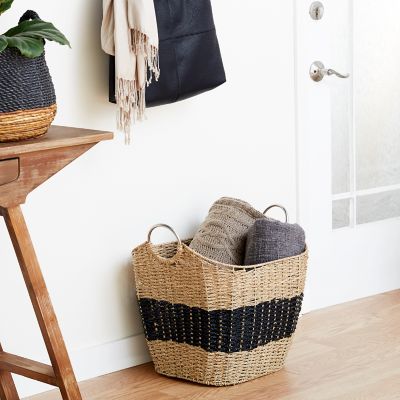
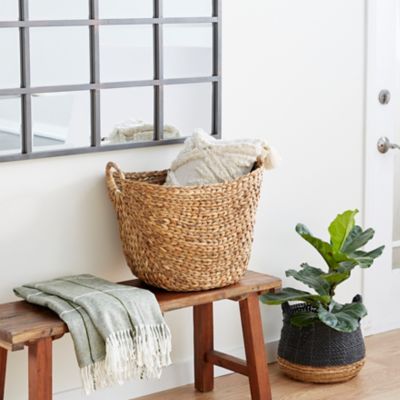
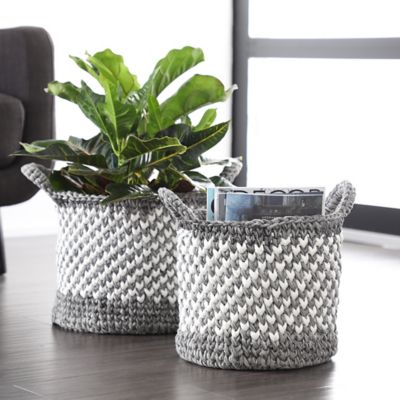
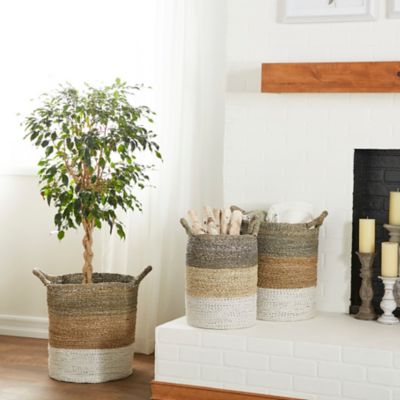
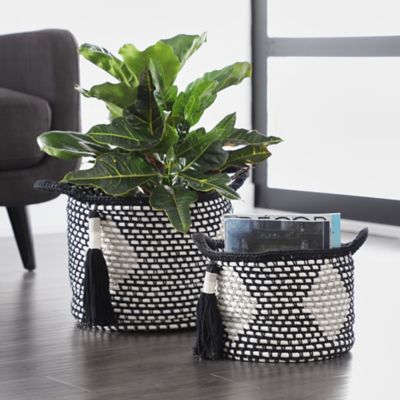
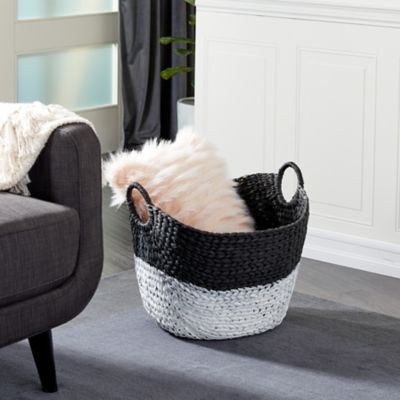
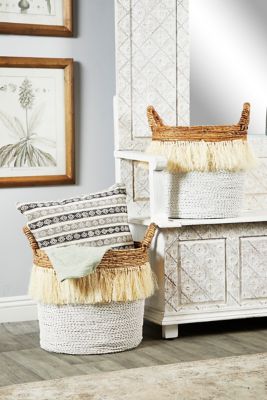
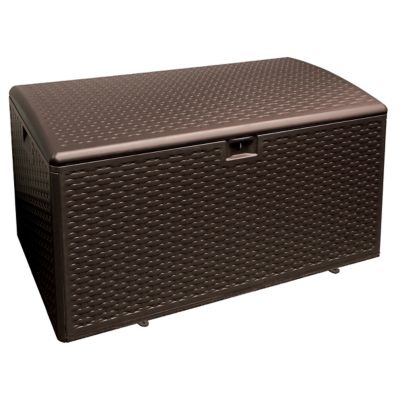
Large storage baskets bring a little order to the places where everyday life tends to pile up, from the bench beside the back door to the family room floor. A roomy basket gives throw blankets, spare pillows, kids’ playthings, and other loose belongings a place to land without hiding everything behind a cabinet door. In a busy farmhouse, a small apartment, or a home with plenty of family coming and going, that kind of open storage can make a room feel less crowded while keeping familiar things close at hand. Size matters in more ways than capacity alone. A tall basket can tuck beside a chair or hold rolled towels, while a broad, shallow shape makes it easier to see what is inside and reach the bottom. Rectangular baskets often make good use of shelving and the space beneath a bench, while round and oval shapes fit beside furniture or in an open corner. The outside dimensions tell only part of the story: tapered sides, thick rims, and handles can affect how much space a basket needs and what fits inside. On shelves, a little clearance above the rim leaves room to slide the basket out without scraping the opening. On the floor, a spot clear of doorways and walking paths keeps everyday traffic moving. Built-in handholds, loop handles, and reinforced grips can make trips between rooms simpler, though their construction and the basket’s stated weight limit still matter. A basket full of blankets carries differently than one packed with books. Soft sides may flex around lightweight contents, while a firmer frame can help the basket keep its shape as things come and go. The right fit is not always the biggest basket; it is the one that holds the intended load, sits comfortably in its spot, and can move through the house without becoming a chore of its own.
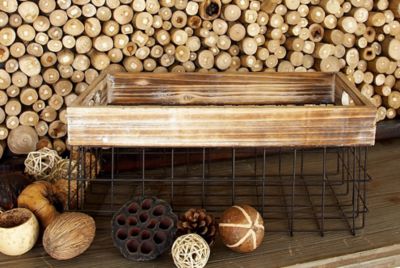
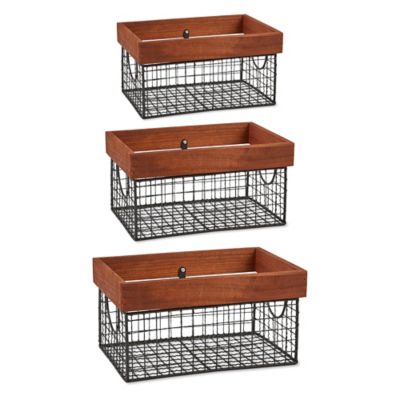
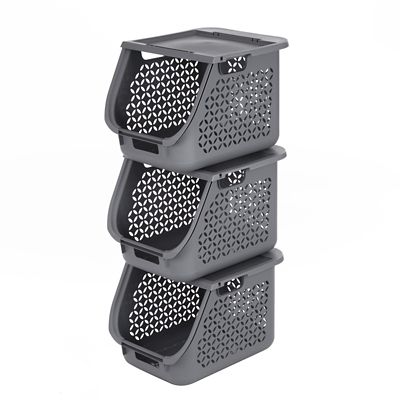
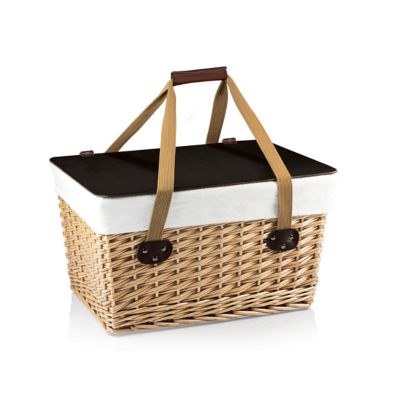
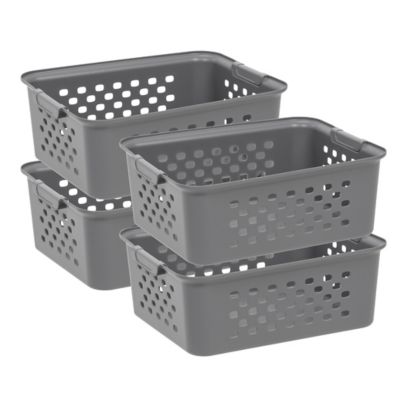
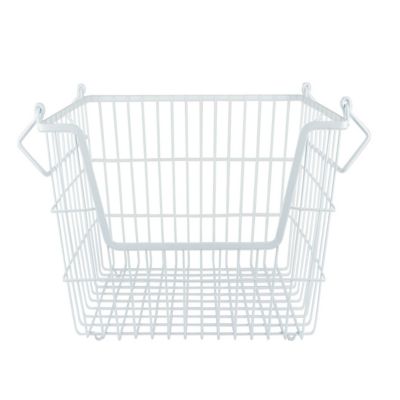
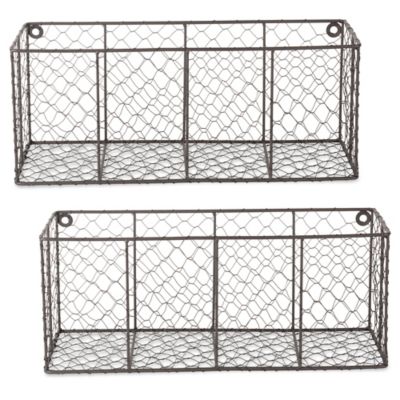
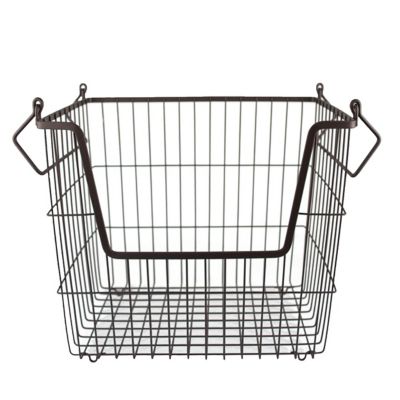
Material gives a large storage basket much of its character and determines how it handles daily wear. Woven plant fibers bring texture to a room, with variations in color and weave that look at home alongside wood furniture, painted cabinets, and simple upholstered seating. Wicker refers to a weaving technique rather than one particular material, so the fibers and frame are worth noting when comparing construction. A tight weave can help contain smaller belongings, while an open weave leaves more of the contents visible. Cotton rope and fabric baskets have a softer feel, making them a practical match for blankets, clothing, and other light household storage. Some flexible baskets fold down when empty, though their ability to stand upright depends on their construction and how they are filled. Wire baskets offer a clear view of what is inside, but their openings may call for a liner when holding small objects or delicate fabrics. Molded plastic can suit spaces where an easy-to-wipe surface matters, provided its care directions allow the intended cleaning method. Across materials, a smooth interior helps protect knits and towels from catching on rough edges. A removable liner can add a washable layer, but the liner and the basket may have different care requirements. Natural fibers generally benefit from gentle dust removal and careful attention to moisture, while fabric care can range from spot cleaning to machine washing when the label permits it. Thorough drying matters before a cleaned basket goes back against furniture or onto a shelf. Handle attachments, seams, rim construction, and the base all deserve attention because those areas take much of the strain during lifting and sliding. A broad base can help support an upright shape, and a finished underside or suitable protective pad can help limit scuffs on floors. These details matter most when a basket moves often rather than staying in one place.
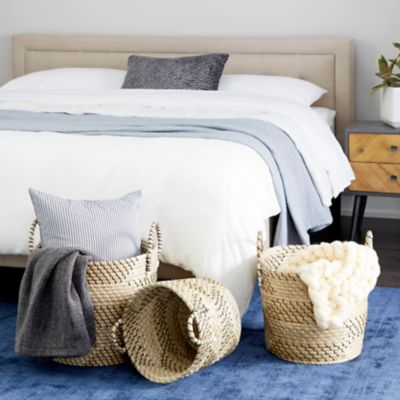
The best place for a large storage basket is often wherever belongings already gather. Beside a sofa, it can hold the blankets that otherwise end up draped over every chair. Near a reading seat, a low basket can keep magazines and a few books within reach without turning the whole corner into a stack. In a mudroom, separate baskets give each person a landing spot for caps, gloves, and other everyday essentials, with the basket size matched to the shelf or cubby rather than squeezed into place. In bedrooms and laundry areas, generous capacity helps contain clothing between wash days, while handles make the trip to the laundry room more manageable. Damp towels and clothing still need airflow and prompt attention rather than a long stay in enclosed storage. For families, an open-top basket can make putting away stuffed animals or building toys a straightforward part of the evening routine. Pet households may appreciate a place for spare blankets, leashes, and clean toys, kept where animals cannot chew the basket or pull loose pieces from it. Craft rooms and home offices benefit from the same approach: larger supplies stay together, and smaller pieces get their own container instead of disappearing at the bottom. Pairing a roomy basket with
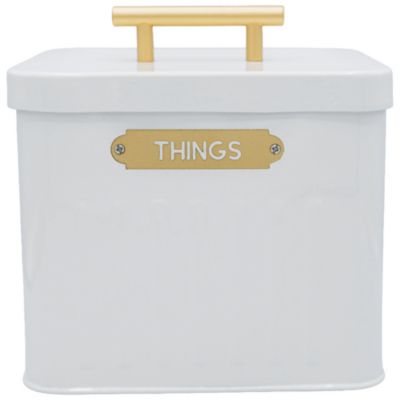
Small Storage Boxes keeps little supplies separate without giving up the convenience of one main storage spot. Matching baskets can lend a steady look to a row of shelves, while different shapes can serve different jobs throughout the house. A large basket can also make a thoughtful housewarming gift or a useful addition to a first apartment, especially when its proportions suit everyday laundry or linen storage. Whether it stays beside the couch or makes regular trips down the hallway, a well-chosen basket earns its place by making belongings easier to gather, carry, and put away.