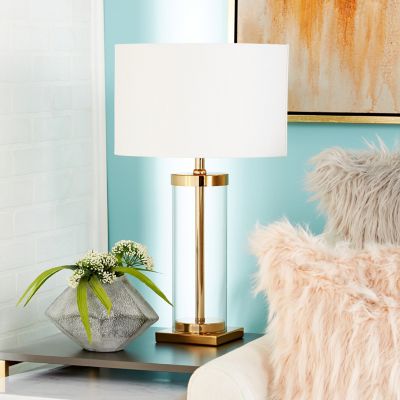
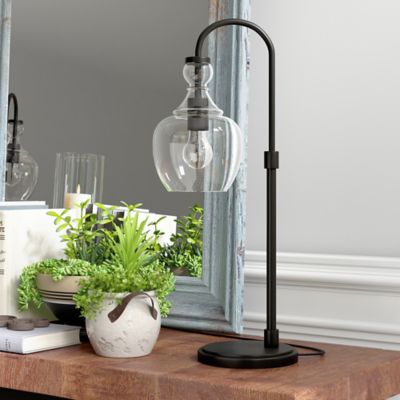
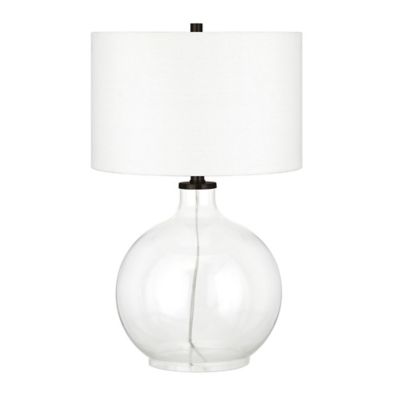
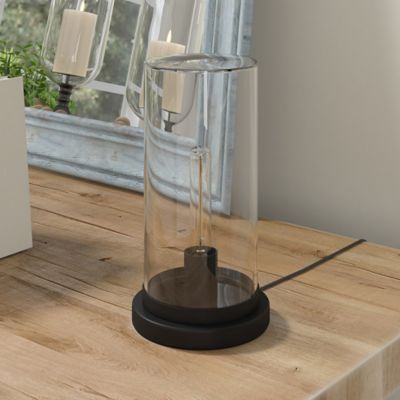
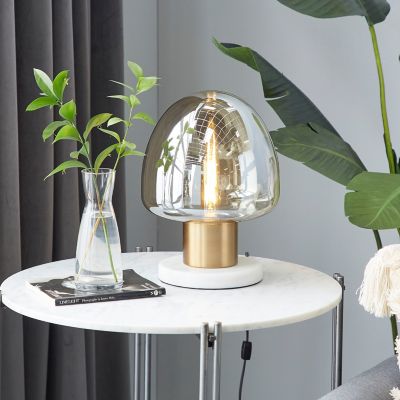
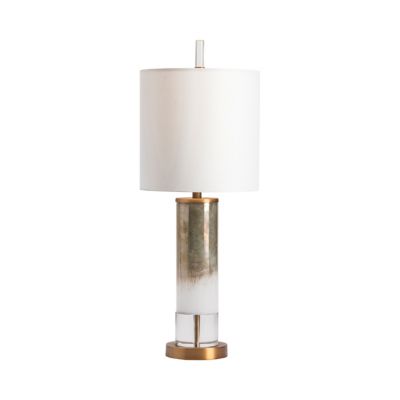
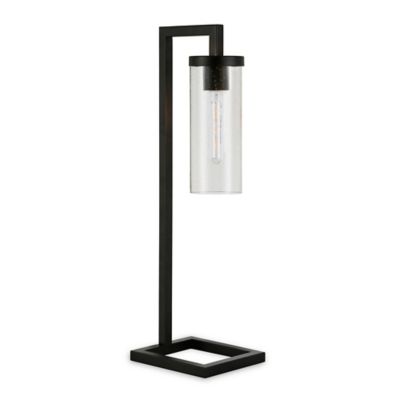
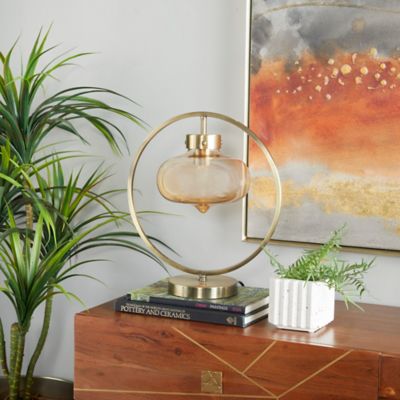
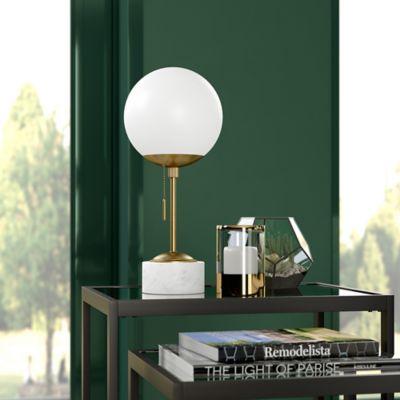
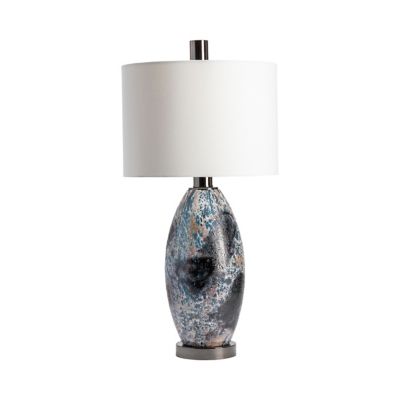
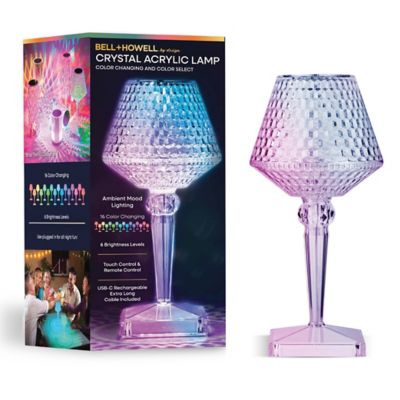
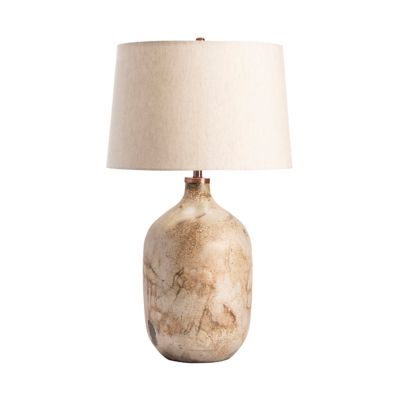
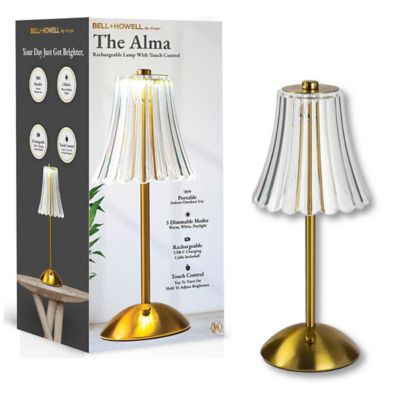
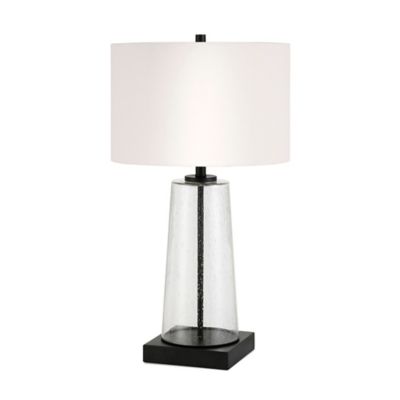
Clear glass table lamps bring light to a room without making a side table or nightstand feel crowded. Their see-through bases let the grain of a wooden tabletop, the color of a painted wall, or the pattern of a nearby quilt remain part of the picture. That light appearance works well in a farmhouse living room, a small bedroom, or a front entry where a solid, dark lamp might feel a little heavy. Clear glass can sit comfortably alongside weathered pine, painted cabinets, woven baskets, and simple metal furniture, so there’s no need to match every finish in the room. The shape of the base makes a difference, too. A rounded base brings a softer outline to a square end table, while a tall, narrow profile leaves more room beside a chair for a book and a cup of coffee. Ribbed or faceted glass catches reflections along its edges; smooth glass puts more attention on the lamp’s outline and whatever sits behind it. Metal fittings, a visible center stem, and the finish around the socket also become part of the look rather than disappearing inside an opaque base. Glass has some heft, but a lamp’s steadiness depends on its whole construction, including the width of the foot and how securely its parts fit together. A broad base on a level surface is worth considering in a busy family room, especially where a passing elbow or a wagging tail could brush the table. Clear glass also gives a room breathing space when there’s already plenty going on, whether that means patterned curtains, family photos, or shelves filled with books. It can serve as a quiet companion to those things instead of becoming another strong block of color. For anyone furnishing a room a little at a time, that flexibility makes clear glass an easy material to carry from one arrangement to the next.
The shade and bulb do much of the work when it comes to how a clear glass table lamp actually lights a room. A transparent base does not automatically mean brighter light; the shade’s material, lining, shape, and openings determine where much of that light goes. A light-colored fabric shade generally spreads a softer glow around a seating area, while a more opaque shade directs more light through the top and bottom. For reading in a favorite chair after chores, a lamp should put light on the page without leaving the bare bulb in the reader’s line of sight. Beside a bed, the same principle helps make a few chapters comfortable without filling the whole room with glare. Overall height matters, but so does the relationship between the table, the shade, and the person sitting nearby. A shade that looks right on a tall chest may sit too low on a short end table. Its widest point also needs enough clearance from the wall, curtains, and the edge of the tabletop. On a narrow nightstand, the shade can take up more space than the glass base suggests, so both measurements deserve a look. Bulb selection adds another layer of control. Warm white light tends to suit relaxed living spaces, while a brighter-looking white may suit a desk where paperwork and small print need attention. Light output is measured in lumens, and the bulb’s actual wattage must stay within the lamp’s rating. Dimming requires a bulb, lamp, and control that work together; a dimmable bulb alone does not make every setup adjustable. Switch placement matters in everyday use as well. Someone reaching from bed may find an accessible switch easier than one tucked high beneath the shade. A cord that reaches the outlet without stretching across a walkway helps keep the arrangement practical. Positioning the lamp away from television and computer screens can also cut down on distracting reflections while keeping useful light close at hand.
Clear glass shows fingerprints and dust more readily than some opaque materials, but regular, gentle care helps keep it looking crisp. With the lamp unplugged and the bulb cool, a soft, lint-free cloth can lift surface dust without scraping the glass. For marks that need more attention, the maker’s care directions should determine whether a lightly dampened cloth is suitable. Moisture belongs well away from the socket, switch, plug, and other electrical parts, and cleaning spray should not be directed onto an assembled lamp. Glass, metal fittings, and fabric shades may each need a different approach, so treating the whole lamp with one cleaner can cause trouble. Deep grooves and narrow necks can take a little more patience to wipe than a smooth, open shape. Lifting a lamp by its base rather than its shade or socket assembly also helps avoid putting strain on the fittings. Glass can chip or crack after a knock, and damaged glass or electrical parts call for taking the lamp out of service rather than overlooking the problem. In homes with small children or active pets, a protected spot on a sturdy table is a better fit than a narrow perch beside a busy doorway. Beyond those practical details, clear glass table lamps are easy to work into rooms with different personalities. A pair can give two bedside tables a settled, balanced feel, while a single lamp can brighten a reading corner without requiring a full room makeover. For a nearby space that needs a stronger splash of color,
Yellow Table Lamps offer another direction while keeping table-level lighting part of the arrangement. Clear glass lamps can also make a thoughtful housewarming or wedding gift when the recipient’s table size, outlet location, and general taste are known. Their appeal is straightforward: useful light, a visible sense of space, and a material that sits easily among the furniture and belongings that make a house feel like home.