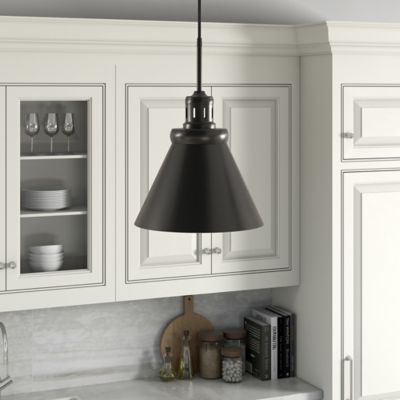
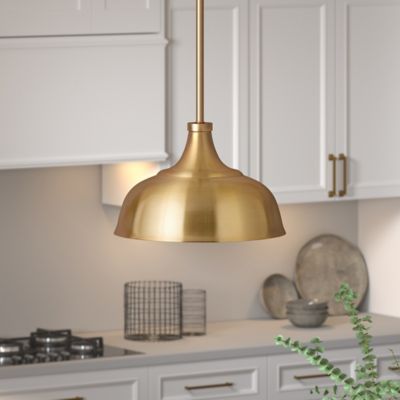
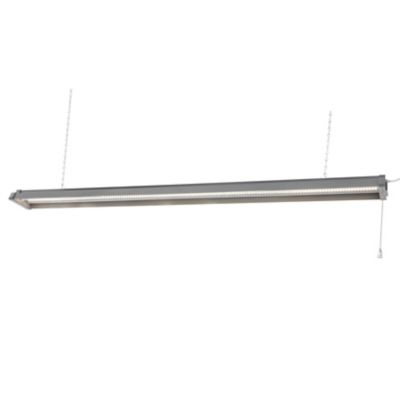
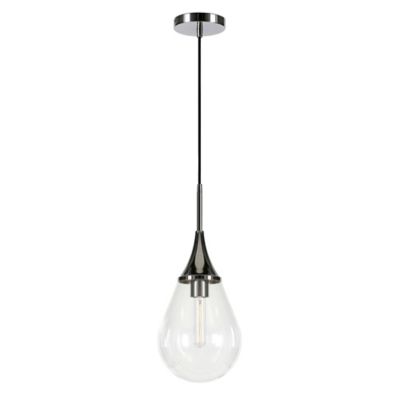
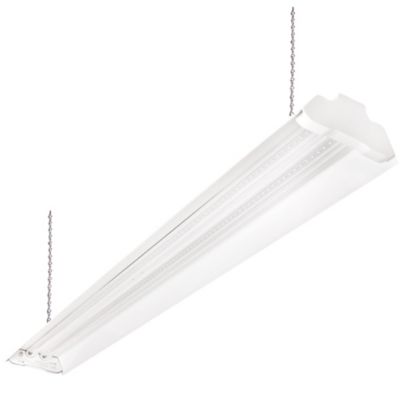
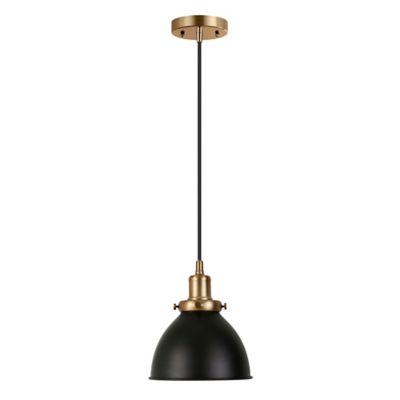
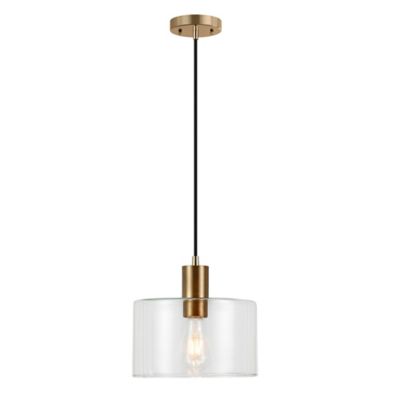
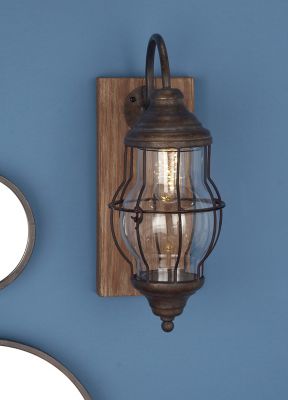
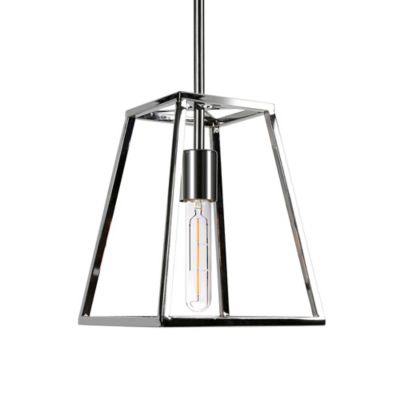
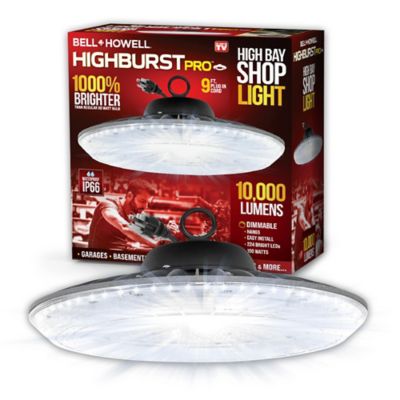
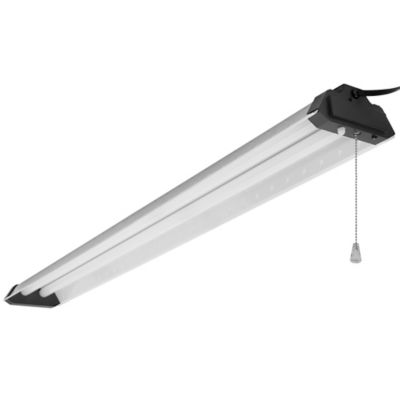
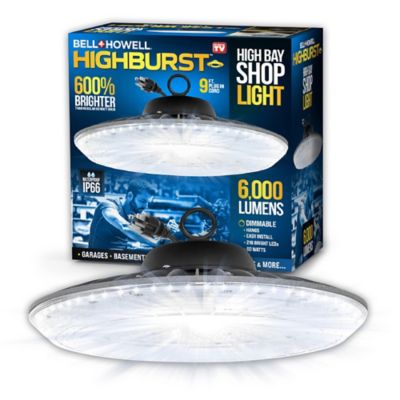
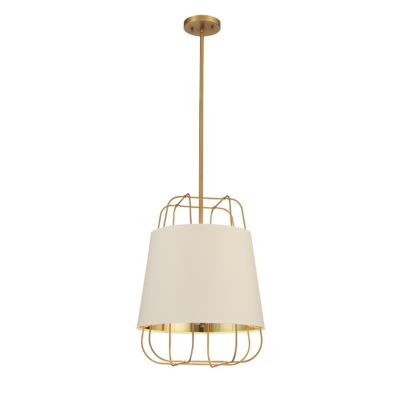
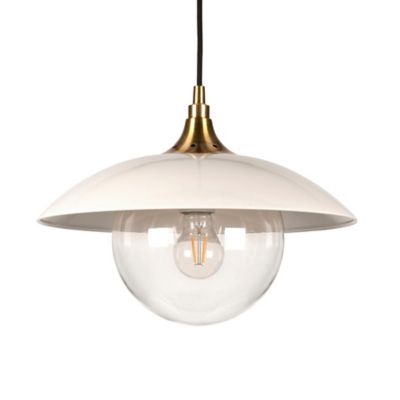
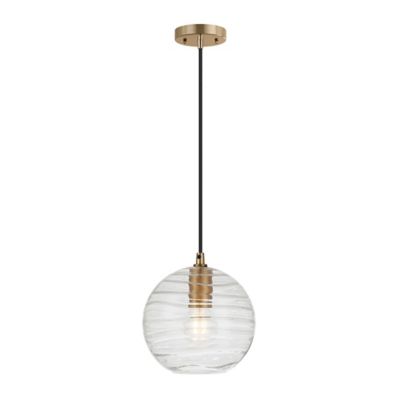
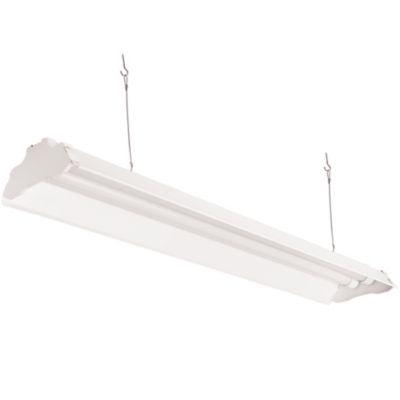
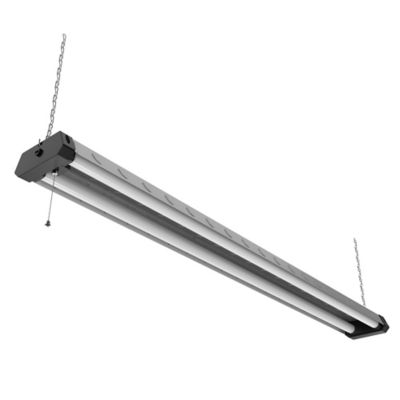
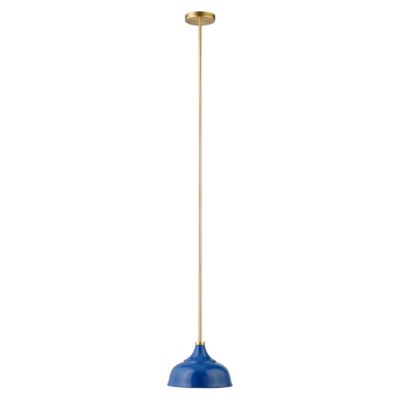
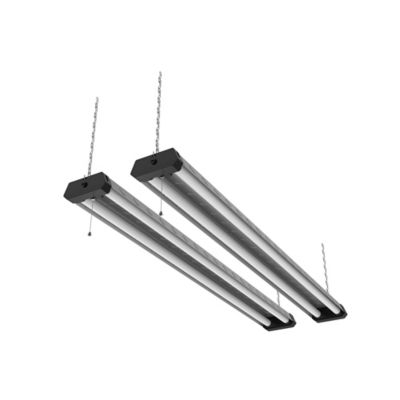
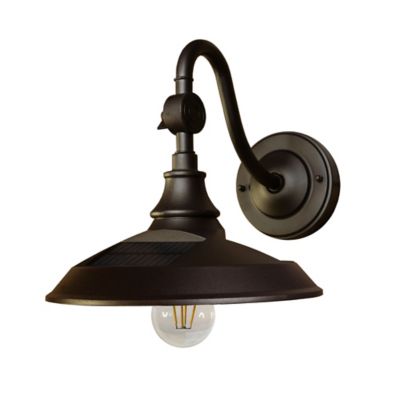
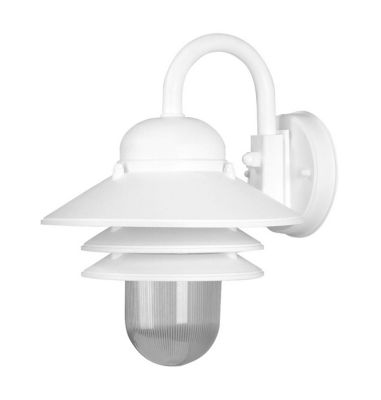
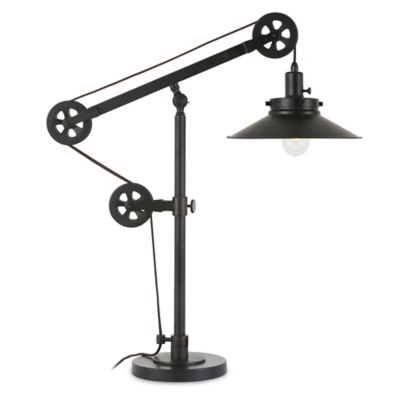
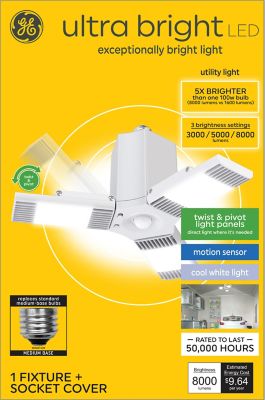
Industrial lighting fixtures combine practical illumination with the straightforward look of factories, warehouses and working shops. Metal shades, visible fasteners, protective cages and simple mounting hardware give these fixtures their familiar character, while their light helps make benches, aisles and gathering spaces easier to see. The category includes lighting built for demanding work areas as well as fixtures that bring an industrial look to kitchens, mudrooms and other everyday spaces. Those two purposes are worth separating: a factory-inspired appearance does not, by itself, mean a fixture is rated for a commercial shop or a location with airborne dust. Steel, aluminum and glass are common materials, with each bringing something different to the setup. Steel housings offer a substantial feel, aluminum keeps fixture weight lower, and glass lenses can help shield the light source or soften its output. Painted, powder-coated, galvanized and brushed finishes create different looks and levels of protection, depending on the fixture’s construction and intended location. A broad metal shade fits naturally above a farmhouse table or repair bench, while a linear fixture suits a long work surface or storage aisle. Pendants bring light down from an overhead mounting point, wall-mounted fixtures leave floor space clear, and flush-mounted designs stay closer to the ceiling where headroom matters. High-bay lighting serves a different purpose, spreading illumination from taller ceilings in larger workspaces. Open rafters, exposed conduit and unfinished wood often sit comfortably alongside these simple shapes, but industrial lighting does not require a whole building to match. A single fixture over a utility sink or a row of coordinated lights above a counter can carry the look without taking over the room. For folks setting up a home shop, maintaining farm buildings or finishing a hardworking entryway, the appeal is a mix of useful light, uncomplicated forms and materials that feel at home around tools, boots and daily chores.
The right fit depends on the space below the fixture just as much as the fixture itself. Ceiling height, mounting position, shade depth and beam spread all influence where the light lands. A deep shade can keep more light directed toward a bench, while a wider distribution helps cover open floor space. In a shop with shelving, parked equipment and overhead storage, several well-placed fixtures can reduce the dark pockets that one bright ceiling light leaves behind. Task lighting near a vise or assembly table adds visibility where hands and tools meet, while general overhead lighting helps people move around the room. Lumens describe light output; watts describe electrical power consumption, so wattage alone is not a sound way to compare brightness across different lighting technologies. Fixture efficiency, mounting height and the surfaces in the room also affect the result. Pale walls bounce more light back into a space than dark beams or unfinished surfaces. Light color matters, too. A warmer appearance often suits dining areas and entryways, while a more neutral or cooler white can suit utility rooms and work areas. Color rendering is another useful specification for jobs involving paint, wiring or matching parts, since it describes how naturally colors appear under the light. Brightness should still feel comfortable from normal working positions. An exposed lamp at eye level can create glare, and a shiny work surface may reflect an overhead source straight back toward someone leaning over a project. Shades, lenses and mounting placement help manage those effects. Physical fit deserves the same attention: fixture dimensions, hanging length, door travel and clearance above equipment all matter. Electrical compatibility includes supply voltage, wiring connections and any dimming controls. Fixtures with integrated LEDs and those with replaceable lamps have different maintenance needs, so access for future service belongs in the decision. A qualified electrician can confirm mounting support and circuit requirements, especially where existing wiring or heavier suspended fixtures are involved.
Construction details become especially important in spaces that see vibration, dust, moisture or frequent activity. Secure mounting hardware, protected wiring connections and a finish suited to the location help a fixture stand up to everyday wear. A protective cage can shield a lamp from incidental contact, but it does not make the entire fixture impact-rated. Likewise, a metal housing does not automatically make a light suitable for a wash area, an exterior wall or a building where combustible dust may collect. Dry-, damp- and wet-location ratings address different exposure conditions, and wet-location approval is not a substitute for a hazardous-location rating. Agricultural buildings can also present conditions that call for equipment specifically listed for that environment. Lighting plans that extend beyond the workshop can include
Outdoor Barn Lighting Fixtures for entrances, sidewalls and building approaches, with each fixture’s rating matched to its mounting spot. Inside or out, accessible construction makes routine care less of a chore. Smooth shades and enclosed lenses generally offer fewer places for grime to settle than intricate, open assemblies, though every fixture needs cleaning suited to its materials. With power disconnected and the fixture cool, a soft cloth and manufacturer-approved cleaning method help protect finishes and lenses. Harsh abrasives can scratch surfaces, and moisture should stay out of electrical components unless the equipment and cleaning procedure specifically allow otherwise. Replaceable lamps need the correct base, shape and electrical rating, along with approval for enclosed fixtures when applicable. Integrated LED designs call for attention to the manufacturer’s service provisions rather than an assumption that every light source can be swapped out. Adequate clearance around the housing also matters, particularly near stored materials. A fixture that fits the building, provides comfortable visibility and can be reached for maintenance earns its place over the long haul, whether it lights a feed-room doorway, a mechanic’s bench or the kitchen table where the day’s paperwork gets done.