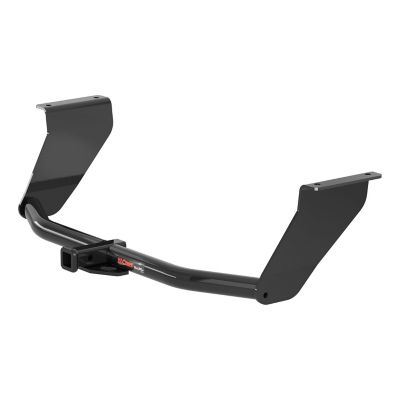
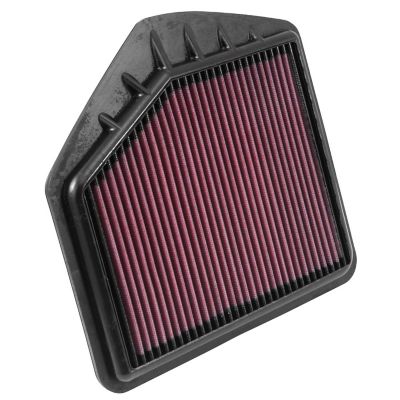
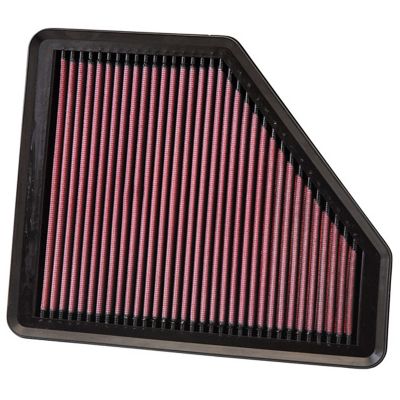
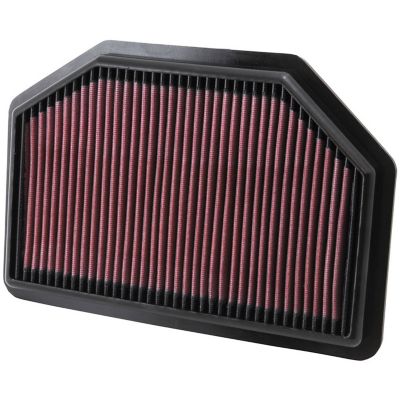
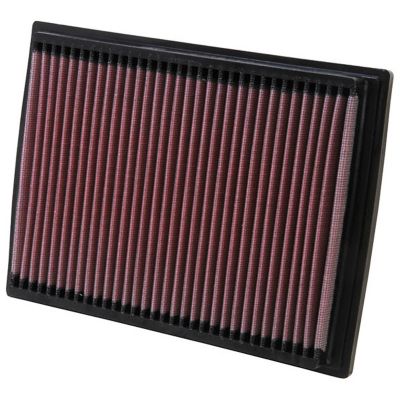
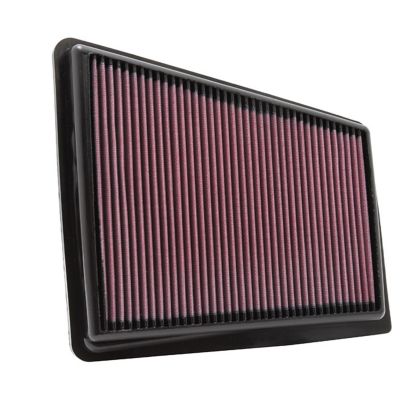
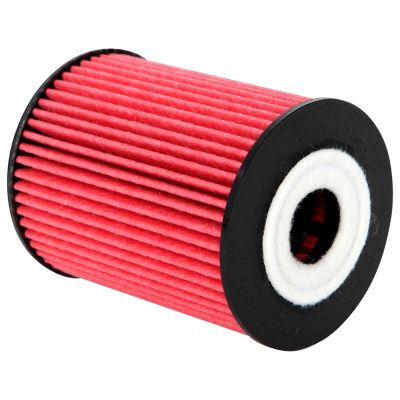
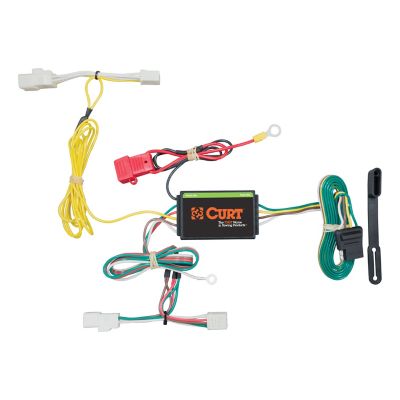
Hyundai Genesis Coupe parts cover the replacement components and performance-related equipment that help keep this rear-wheel-drive sport coupe ready for the road. For U.S. models, the vehicle’s 2010–2016 model-year range includes differences in engines, transmissions, brakes, body details, and electrical systems, so a part’s fit matters as much as its function. The turbocharged 2.0-liter four-cylinder and naturally aspirated 3.8-liter V6 have different requirements, and an engine designation alone does not settle every compatibility question. Model year, trim, production date, and transmission type can all narrow the match. A coupe that handles a daily commute down two-lane roads may need parts that preserve its factory manners, while a car reserved for weekend drives or sanctioned track sessions may call for a different balance of comfort, response, and heat management. Replacement parts generally focus on restoring the vehicle’s intended operation; performance parts change certain characteristics and may involve additional installation, tuning, or maintenance requirements. Original-equipment specifications offer a useful reference for dimensions, connections, mounting points, and operating requirements, even when comparing aftermarket alternatives. Direct-fit components are designed around a stated application, while universal-fit equipment may require measurements, fabrication, or additional hardware. Those distinctions matter when the car needs to be back on the road for Monday morning rather than sitting in the garage waiting on another piece. Brake packages, for example, can differ by trim, and matching only the vehicle name may overlook an important difference in clearance or mounting. Electrical connections and emissions equipment can also vary across applications. A VIN, the vehicle’s service information, and the full fitment description give shoppers a better starting point than appearance alone. For anyone maintaining an older coupe, the goal is often straightforward: smooth starts, predictable stops, steady engine temperatures, and a car that still feels right coming out of a bend. Well-matched Hyundai Genesis Coupe replacement parts support that goal without turning every repair into a larger project.
Materials and construction help explain how automotive parts handle the work expected of them. Steel brings strength to many load-bearing applications, aluminum can reduce weight and transfer heat, and rubber or other flexible compounds help isolate vibration, seal connections, and accommodate movement. The right material depends on the job rather than a blanket preference for one over another. Underhood components face heat cycles and exposure to fluids, while parts underneath the car contend with water, road grit, and, in colder regions, road salt. Protective finishes, sound welds, properly formed mounting surfaces, and seals compatible with the specified fluid all contribute to service life. A finish that looks sharp on a clean garage floor is only one consideration; resistance to corrosion and a secure fit matter once the miles add up. Suspension-related parts also involve a trade-off between response and comfort. Firmer construction or reduced ride height may change how the car handles, but those changes can make broken pavement more noticeable and reduce clearance on a gravel driveway or a steep shop entrance. Wheel and tire clearance, alignment requirements, and the condition of surrounding components belong in that same picture. Braking components need to suit the car’s brake package and driving conditions, with attention to consistent operation rather than appearance alone. Engine airflow, exhaust flow, fuel delivery, and electronic controls work together, so changing one area does not guarantee a particular power increase. Some modifications require compatible supporting equipment or professional calibration, and road-going vehicles must continue to meet applicable emissions and noise requirements. For a daily driver, keeping a comfortable cabin, manageable sound levels, and predictable operation may matter more than chasing a peak performance figure. For sanctioned track driving, repeated braking and sustained heat create different demands from an ordinary trip into town. Parts chosen for that setting still need to match the vehicle, and equipment intended only for competition may not be appropriate or legal for public roads. The intended job should set the direction, whether that means factory-style operation or a carefully planned change.
Keeping a Genesis Coupe in good running shape also means looking beyond the component being replaced. A fresh part cannot always make up for a worn mounting point, damaged connector, leaking connection, or related problem elsewhere in the system. That is especially relevant on a car with an unfamiliar maintenance history or earlier modifications. Clear application details, installation requirements, and care information make it easier to understand how a replacement fits into the whole vehicle. Proper fastener torque, specified fluids, and any required adjustment or relearn procedure help protect both the new component and the parts around it. Some jobs fit a well-equipped home garage, while others call for a lift, specialized tools, electrical testing, or professional alignment. Safe support equipment is essential whenever work takes place beneath the vehicle. During the cooler months, temperature swings can bring attention to starting performance, fluid leaks, aging rubber, and electrical connections that no longer make firm contact. Wet leaves on a shaded road, standing water after a storm, and rough pavement make predictable vehicle operation especially welcome. Routine cleaning can help remove grit and salt from exposed areas, but care methods should suit the material and the manufacturer’s directions; electrical components, friction surfaces, and protective coatings do not all tolerate the same treatment. Inspection intervals and replacement schedules should follow the vehicle’s service information rather than a one-size-fits-all mileage claim. For drivers who split time between several vehicles, keeping each car’s fitment details separate helps prevent mix-ups, particularly when parts look similar on the bench. Households maintaining another coupe or sedan can also browse
Pontiac Grand Prix Parts for that vehicle’s separate application needs. For the Genesis Coupe itself, thoughtful parts selection comes back to a few practical priorities: the correct application, suitable materials, clear installation requirements, and a match for the way the car actually travels. Whether the next miles lead to work, a weekend gathering, or a winding stretch beyond town, those details help keep attention on the drive instead of the next repair.