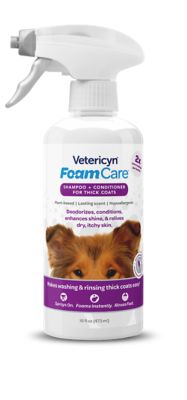
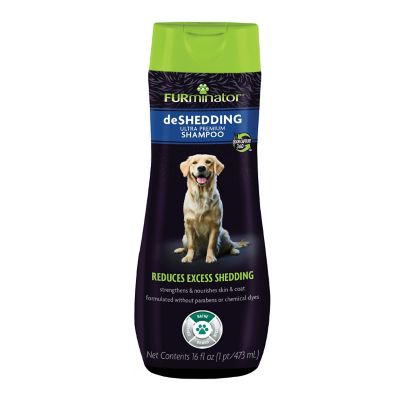
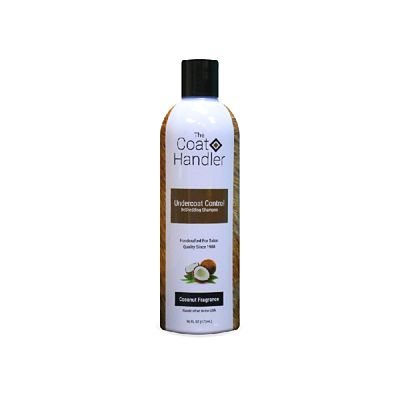
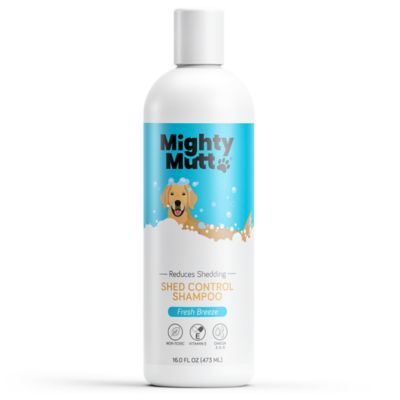
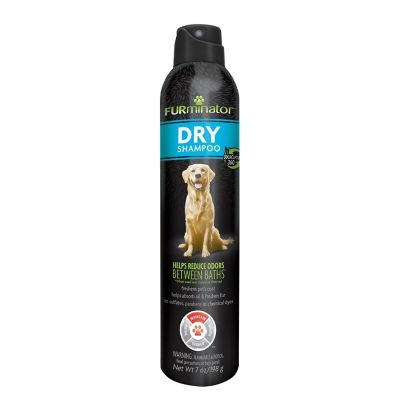
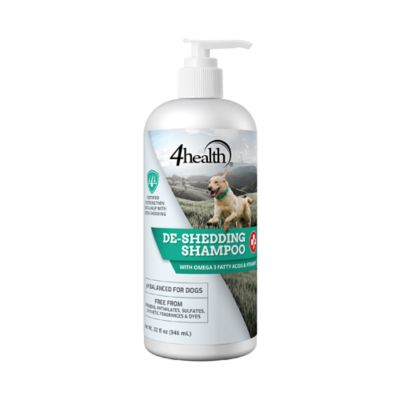
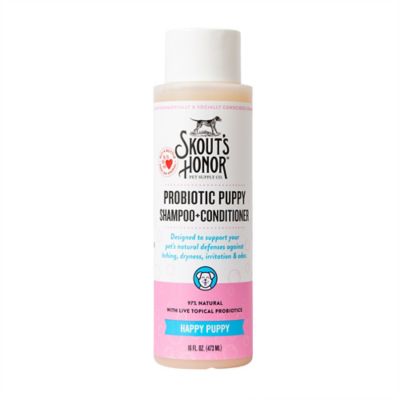
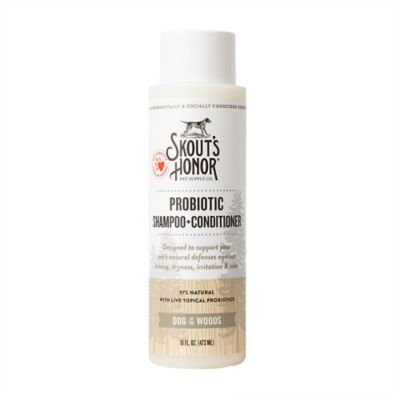
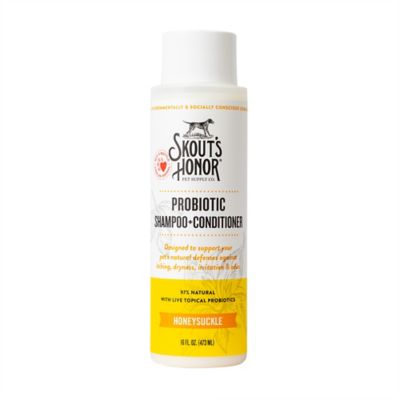
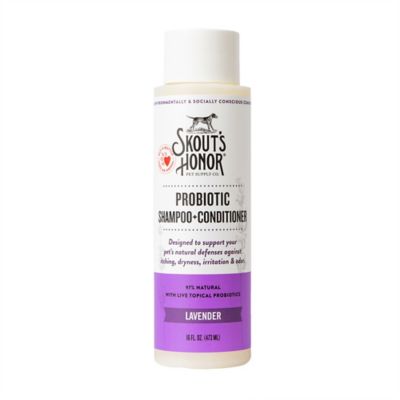
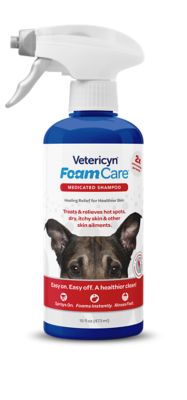
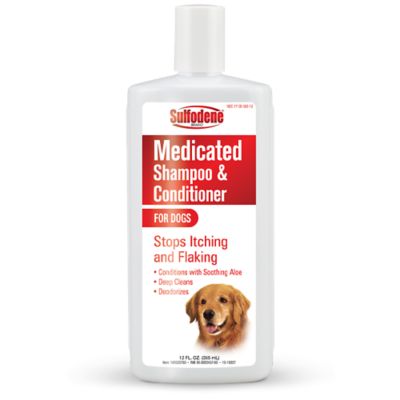
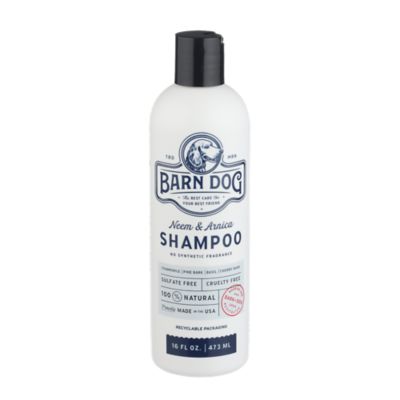
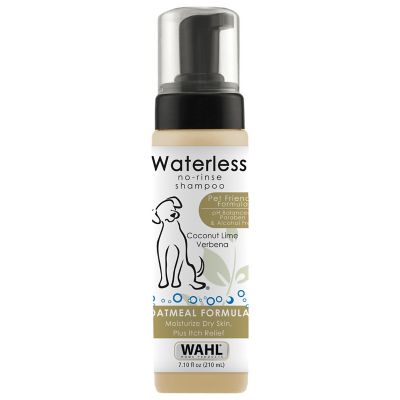
Deshedding shampoo for dogs helps wash away dirt and loosen shed hair caught in the coat, making that loose fur easier to rinse or brush out. It works best as part of a regular bathing and brushing routine, not as a way to stop normal shedding. For a dog that leaves a trail of hair across the truck seat or a furry outline on a favorite rug, that difference matters: the goal is to gather more loose hair during grooming rather than find it scattered around the house. These shampoos generally combine cleansing ingredients with conditioners that help soften the coat and let a brush move through it with less tugging. Some formulas focus on thick undercoats, while others suit a broader range of coat types. A double-coated dog has a softer layer beneath its outer guard hairs, and shed hair can collect in that layer instead of falling free. Short-coated dogs shed, too, though their grooming needs can look quite different from those of a long-haired farm companion. Coat length alone does not determine whether a deshedding dog shampoo is a good match; coat density, skin sensitivity and the amount of trapped loose hair all play a part. A suitable formula should clean without leaving the skin feeling stripped or the hair coated with heavy residue. Deshedding shampoo does not dissolve fur, remove every tangle or replace brushing, and a thick mat needs more attention than a bath can provide. Its place is alongside coat-appropriate grooming tools, helping make routine coat care more manageable for families with house dogs, working dogs and companions that split their time between the porch and the pasture. A softer, easier-to-comb coat is a practical benefit, especially when grooming means working through a dense ruff, feathered legs or a full tail without pulling at the skin.
Ingredients help explain how one deshedding shampoo formula differs from another. Cleansing agents lift dirt and oils so they can rinse away, while conditioning ingredients help reduce friction between hairs. Depending on the formula, an ingredient list may include oatmeal, aloe, glycerin, coconut-derived ingredients or oils containing omega-3 and omega-6 fatty acids. Oatmeal and aloe often appear in shampoos intended for skin comfort, while glycerin helps attract moisture. Oils and other conditioning ingredients can improve the feel of dry hair and help a comb pass through more easily, but their presence does not guarantee less shedding or make a shampoo suitable for every dog. The full formula matters more than a single ingredient called out on the front of the bottle. A rich conditioning shampoo may suit a coarse, dense coat, while a lighter formula may be a better fit for fine hair that tends to lie flat. Dog-specific, pH-balanced shampoos are formulated with canine skin in mind; human shampoo and household cleaners are not substitutes. Soap-free or sulfate-free descriptions identify formulation choices, but neither claim alone establishes how a dog's skin will respond. Fragrance is another consideration. A fresh scent can make bath day pleasant, yet a fragrance-free option may be worth considering for a dog with a history of reactions to scented grooming products. Strong perfume should not take the place of cleaning or mask an ongoing skin problem. Age directions matter as well, since not every shampoo is intended for young puppies. Labels may also address sensitive skin, dilution, contact time and compatibility with topical flea and tick treatments. Those details help narrow the choice to a formula that fits the dog and the rest of its care routine. Deshedding shampoo is a grooming product rather than a treatment for unexplained hair loss, and claims about coat softness or easier loose-hair removal should not be mistaken for a promise to correct a medical condition.
The way a shampoo fits into bath day matters just as much as the ingredients on its label. Ready-to-apply formulas offer straightforward handling, while concentrates require the stated dilution before they touch the coat. Bottle size, a secure closure and a cap that is easy to manage with wet hands can make a difference when a restless dog is standing in the wash tub. A household with several large dogs has different grooming demands from one with a single small companion, but applying extra shampoo does not necessarily bring better results. Too much can make rinsing harder, particularly across a thick chest or behind the hind legs where dense hair holds suds. Loose tangles are easier to address before bathing, and water needs to reach through the coat for shampoo to spread evenly. Contact times vary, so there is no single waiting period that fits every formula. Thorough rinsing helps prevent leftover cleanser from irritating the skin or leaving the coat dull and sticky. Conditioning can make loose hair easier to release, but brushing still does much of the work of carrying it out of the coat. A rubber grooming tool may suit a short, smooth coat, while a slicker brush, comb or undercoat tool may fit other coat types when handled gently. The right choice should move through the hair without scraping the skin or repeatedly pulling at a snag. Drying needs attention, too, because a coat can feel dry on top while holding moisture close to the skin. Bathing frequency depends on the dog's coat, skin, activities and label directions rather than a fixed schedule for every pet. For a broader look at shampoo types and coat-care considerations,
Best Dog Shampoo offers another place to compare the basics. A little loose fur after grooming is normal; even a thorough bath cannot catch hair that has not yet released. Sudden heavy shedding, bald patches, redness, sores or persistent scratching call for a veterinarian's attention rather than a stronger cleanser. With sensible expectations and a formula matched to the dog, deshedding shampoo can help keep routine grooming focused on a clean coat, comfortable skin and fewer loose hairs left behind on the couch.