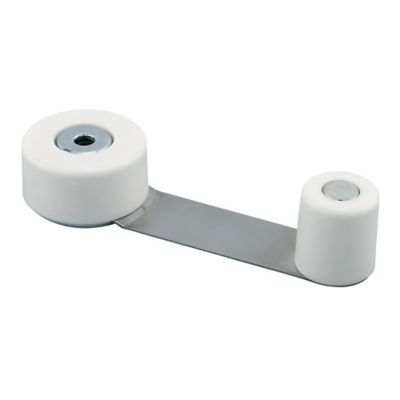
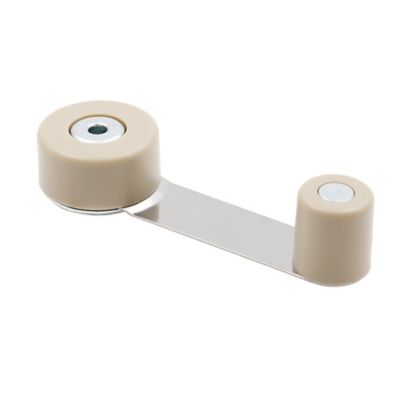
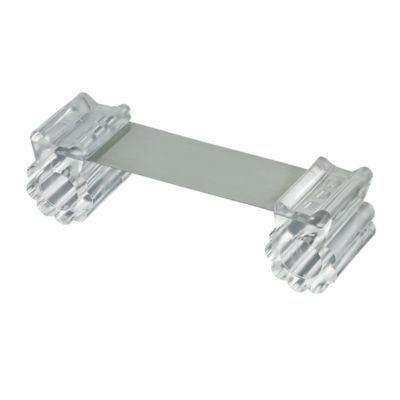
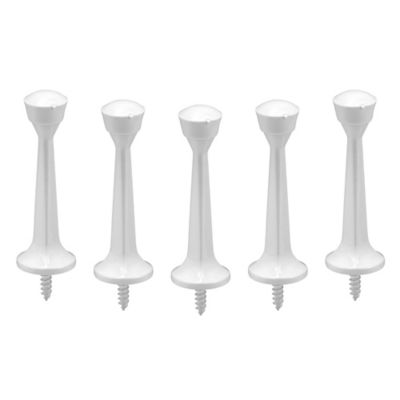
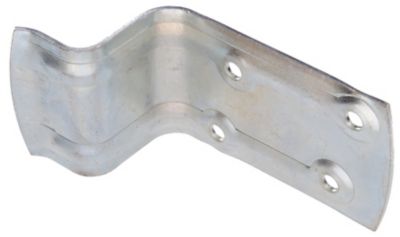
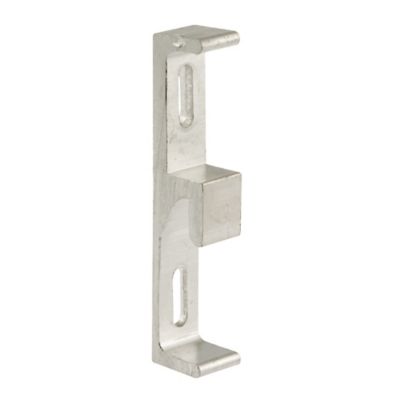
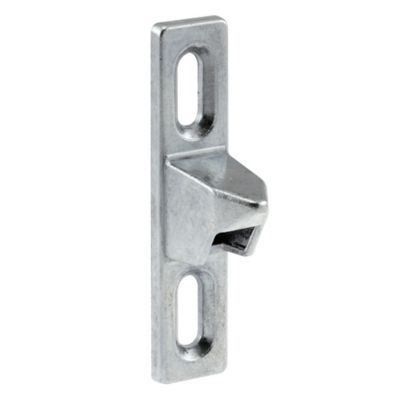
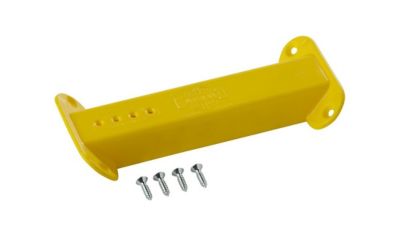
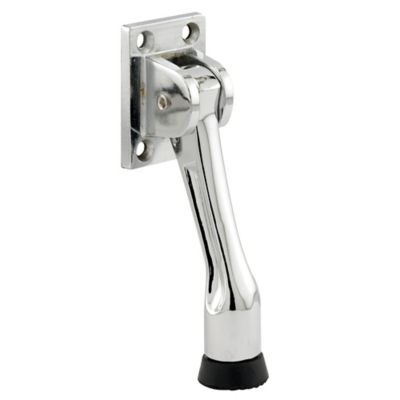
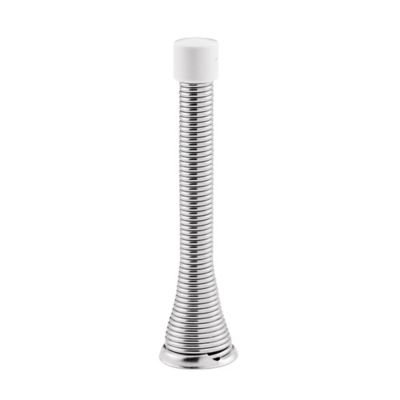
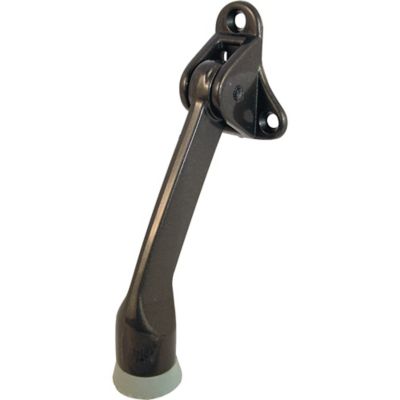
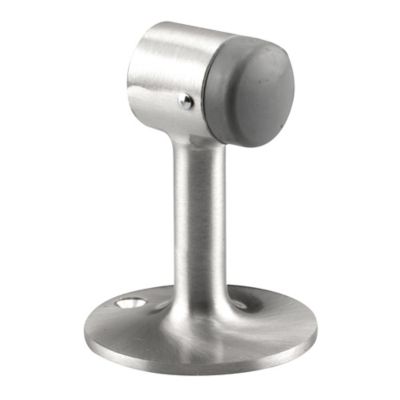
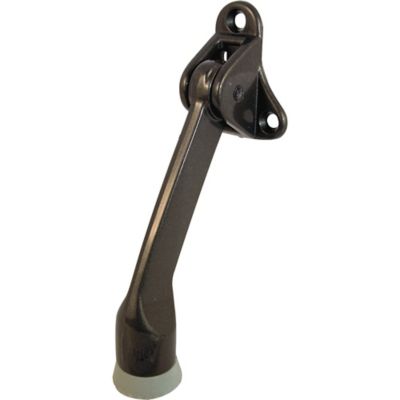
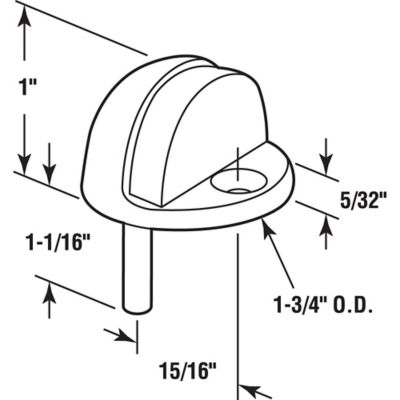
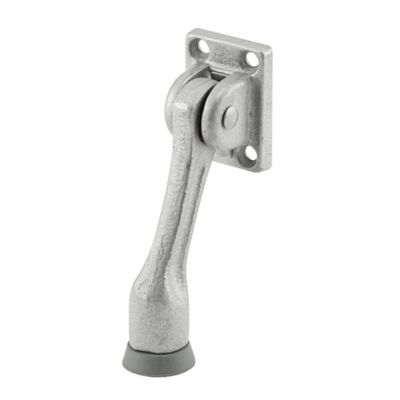
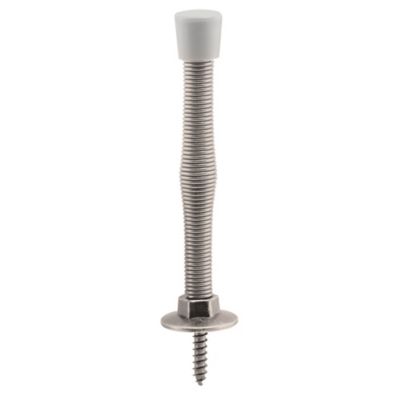
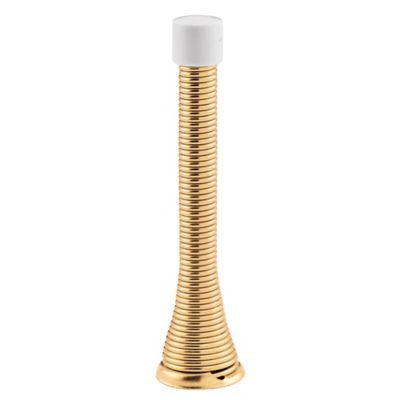
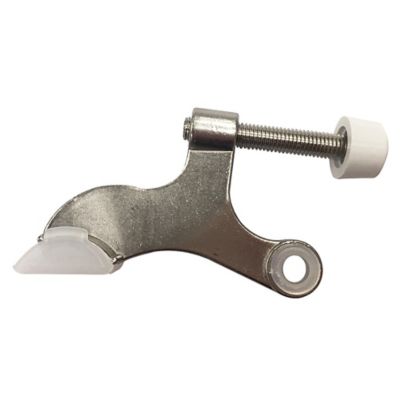
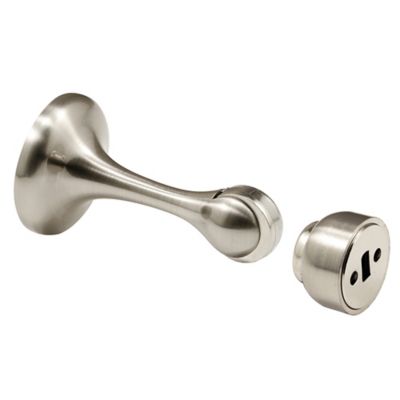
Home door stops and holders handle a small job that makes a noticeable difference around the house: keeping a swinging door from bumping a wall, or keeping an open doorway clear while things move through it. A kitchen door that swings toward a cabinet, a bedroom door that puts its handle against drywall, and a utility-room door that closes while someone carries laundry all call for a slightly different setup. Door stops limit movement at a chosen point, while door holders are meant to keep a door in position until it is released. Some designs do both, but that depends on how they attach and where they make contact. Wedge styles sit beneath the door and work through friction, making them a straightforward choice when a portable option suits the room. Wall-mounted and baseboard-mounted stops provide a fixed contact point, often with a cushioned tip that softens the bump. Floor-mounted designs keep the stop near the bottom of the door, while hinge-mounted styles limit how far the door opens without putting a separate fixture across the floor. Magnetic holders can connect the door to a matching catch, and foot-operated holders offer another way to keep a door open when hands are full. Weighted holders rest on the floor, with their effectiveness depending on the door’s weight, the floor surface, and the holder’s construction. Rubber and flexible plastics provide cushioning and grip; steel, brass, zinc, and cast iron bring different looks and resistance to everyday wear. Fabric-covered holders can add a softer touch to a bedroom or sitting room, though their covers and filling need consideration around pets and spills. Whether the doorway leads to a pantry, mudroom, home office, or laundry room, the right style should suit the way that space gets traffic. Carrying a laundry basket, bringing in groceries, or moving a feed sack through a utility-room doorway is easier when the door stays where it belongs.
Fit matters just as much as the style, especially in homes where one doorway has tile and the next has carpet. The clearance beneath a door helps determine whether a wedge can slide into place and make firm contact. A wedge that is too thin may slip underneath without holding, while one that is too tall may not fit far enough beneath the door to get a good grip. Smooth flooring, textured flooring, and thick carpet each affect how a portable stop behaves, so the intended surface is worth checking before making a choice. A broad base can help distribute contact, but floor finishes also deserve attention: rubber, plastic, and metal can react differently against sealed wood, vinyl, or stone. Nonmarking claims should be checked against the flooring and finish involved rather than taken as a promise for every surface. Fixed stops need enough reach to prevent the knob, lever, or edge of the door from striking the wall or nearby furniture. Their placement also needs to leave a comfortable opening for everyday traffic. A stop that catches the door too early can turn a roomy passage into an awkward squeeze when carrying a hamper or moving a chair. Wall-mounted designs need a sound mounting surface, and floor-mounted designs need a location that stays out of the walking path as much as possible. Hinge-mounted stops should match the hinge arrangement, and their suitability depends on the door’s weight and the hardware already in place. A solid wood door can put more force on a stop than a lightweight hollow-core door, so holding strength and mounting requirements deserve a close look. Magnetic and mechanical holders also need an easy release that suits the people using the doorway. In a busy household, that can mean keeping projecting parts away from small feet, paws, and mobility aids. Door stops and holders are not childproofing devices, and a held-open door still calls for attention around little fingers. Doors required to close for fire protection should not be propped open with ordinary household holders.
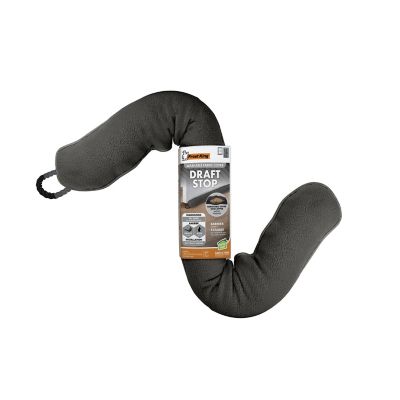
Everyday care is usually simple, but it varies with the material and where the stop sits. Rubber contact points benefit from an occasional wipe to remove grit that could transfer to a door or floor. Metal bodies can generally be wiped with a soft cloth, with the care directions guiding which cleaners are suitable for plated, painted, or polished finishes. Abrasive scrubbing can damage those finishes, and excess moisture should not linger around mounting screws or beneath a floor contact point. Fabric-covered holders may need spot cleaning rather than soaking, especially when their filling is not washable. In a mudroom or near a utility-room entrance, tracked-in dust and small bits of gravel make routine cleaning particularly worthwhile. Fixed stops also deserve an occasional look at their screws, cushions, and alignment. A loose mount or worn tip can change where the door lands, while a shifting portable holder may leave the doorway less secure than expected. Appearance matters, too, since this hardware often stays in sight. A finish that works with nearby hinges, knobs, or cabinet pulls can make a fixed stop feel like part of the room rather than an afterthought. A simple low-profile shape suits a narrow hallway, while a heavier floor-standing holder may fit a roomy doorway where it will not be underfoot. Fabric textures can soften the look beside upholstered furniture, and plain metal shapes often blend easily into work-focused spaces. For a housewarming gift, a practical door holder makes the most sense when the recipient’s doorway, floor surface, and preferences are already familiar. Keeping a door in position and covering a gap beneath it are different jobs, so a holder should not be expected to manage air passing under a closed door. For that separate need,
Draft Stoppers for Front Doors focuses on options meant for entryway gaps. A well-matched stop or holder should stay out of the way, protect the intended contact point, and make the doorway easier to live with from one trip through it to the next.