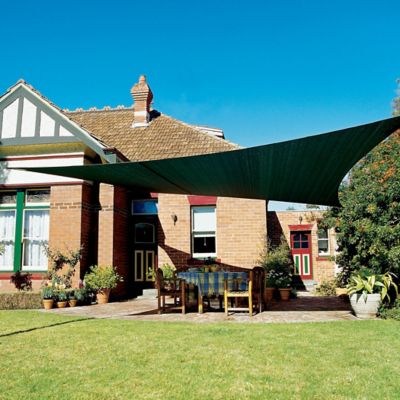
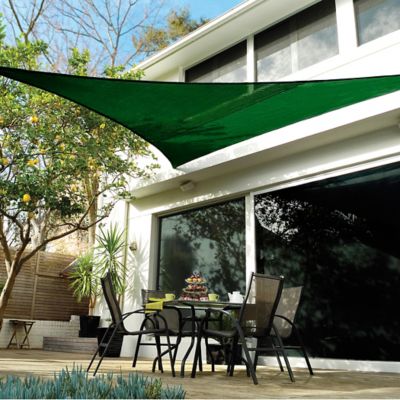
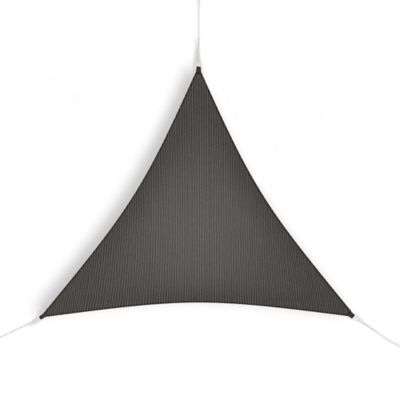
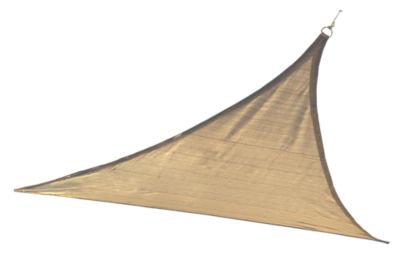
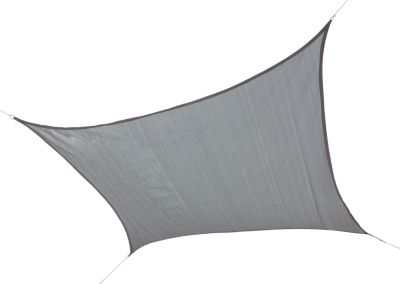
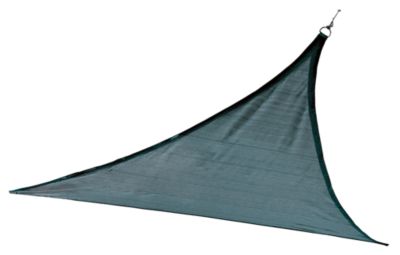
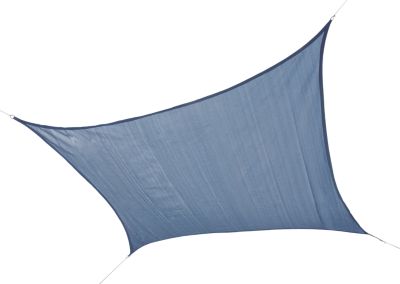
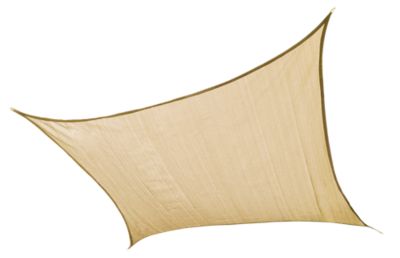
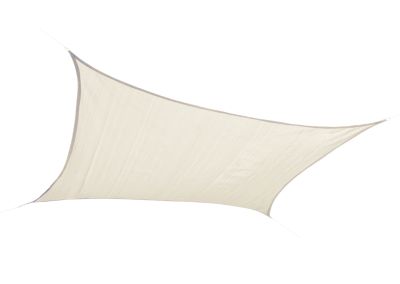
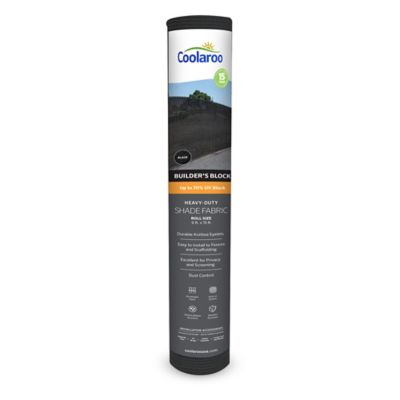
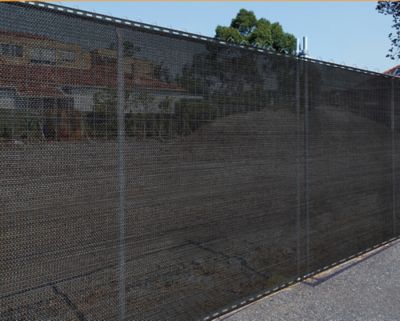
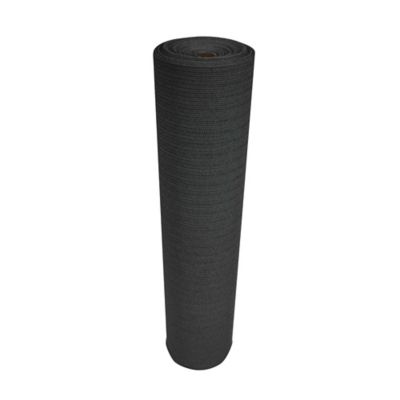
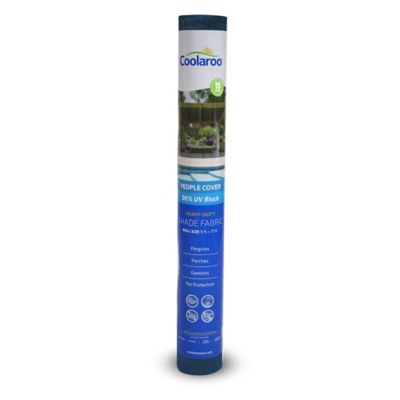
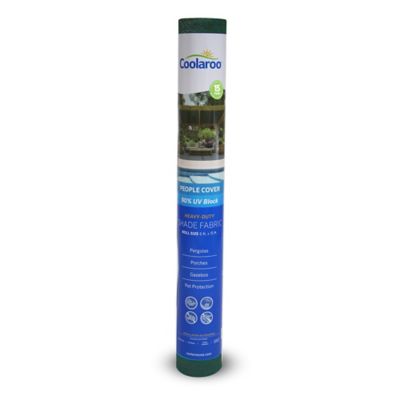
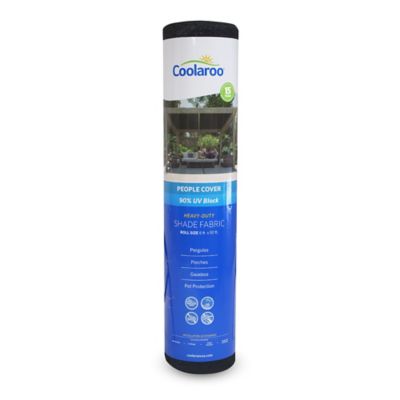
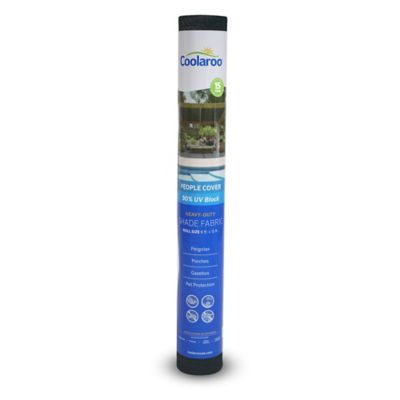
High density polyethylene shade sails make open outdoor spaces more comfortable without closing them in. Stretched above a patio table, a backyard sitting area or a spot beside the workshop, these fabric canopies help soften direct sunlight while leaving room for air to move through. That open feel suits places where folks gather after chores, take a break between projects or settle in to watch the kids play. High density polyethylene, often shortened to HDPE, is a lightweight plastic material commonly formed into knitted shade fabric. Its small openings allow ventilation, which sets many shade sails apart from solid fabric covers. The result is overhead shade rather than a sealed roof, so rain can pass through and wind still puts force on the fabric and its anchors. These sails belong in spaces where relief from direct sun matters more than keeping everything underneath dry. Fabric construction, shade percentage and UV protection ratings deserve a close look because those details vary. A stated shade percentage describes how much light the material blocks under specified conditions; it does not mean the area beneath stays fully protected from sun exposure throughout the day. Sunlight can still reach beneath the edges and reflect from pavement, water and nearby surfaces. Color also changes the feel of a space. Earth tones can blend with wood fencing, brick and gravel, while lighter shades give a porch-side seating area a more open appearance. Color alone does not tell the full story about sun protection, though; the fabric specifications matter more. For a family picnic table or a bench near the garden, the right sail brings shade where people actually sit, rather than simply filling the space overhead. Positioning matters just as much as fabric choice, especially when the strongest afternoon sun comes in low from the side instead of directly above.
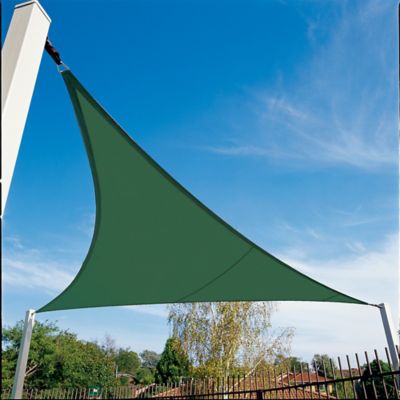
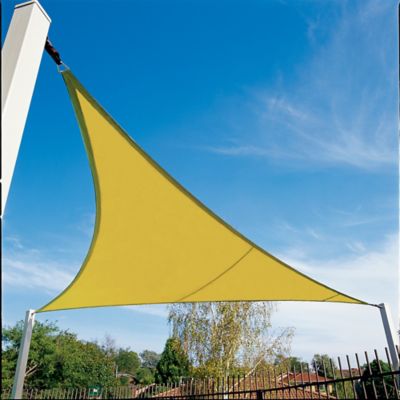
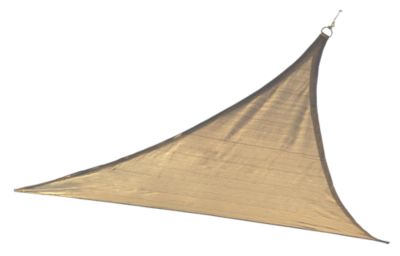
Shape, size and mounting space determine how well a shade sail fits the job. A broad rectangular or square layout can suit a dining area, while a triangular shape works well where three suitable anchor points frame a smaller stretch of ground. For layouts with three mounting points,
Triangle Sun Shade Sails offer a shape worth considering alongside the footprint of the space. The corners may reach farther than the shaded center suggests, and curved edges can leave more open space around the perimeter than a straight-sided drawing might show. Comparing the finished sail dimensions with the distance between attachment points helps keep that difference from becoming a surprise. Room for connecting hardware matters, too. A sail generally cannot stretch across the entire distance from anchor to anchor when turnbuckles, connectors or other tensioning components also need space. The size listed in the specifications, the measurement method and the mounting clearances all help determine the fit. Above a picnic table, enough shaded room for chairs pulled away from the tabletop is often more useful than coverage that stops at the table edge. Near a shop entrance, clearance for doors, tall equipment and regular foot traffic deserves the same attention. Multiple sails can create a broader shaded area, but overlapping sections need proper separation so their edges do not rub together. Mounting height and angle also affect how the space feels underneath, along with how shade moves across the ground. Suitable attachment points must carry the loads created by a tensioned sail and moving air; siding, gutters and light trim are not structural anchors. Posts and building connections need to match the installation requirements, with local building rules and underground utility locations taken into account before setting posts. Reinforced corners, finished edges and compatible hardware are worth comparing because those are the places where fabric tension transfers into the supporting structure. A good fit starts with the space and its supports, not just the sail’s overall dimensions.
Long-term performance depends on the whole setup: fabric, stitching, edge reinforcement, hardware and the way everything stays tensioned. UV-stabilized HDPE is intended to handle outdoor sun exposure, but the material still needs care and periodic checks. Loose fabric can flap and wear at contact points, while too much tension can strain seams, corners and anchors. Manufacturer guidance provides the right starting point for installation, tension and any required slope. Breathable fabric should not be treated as a waterproof cover, and leaves or other debris can interfere with drainage and add weight. A shade sail is also no substitute for a structure rated to carry snow or ice. Taking it down when the instructions call for removal, including ahead of severe wind or wintry conditions, helps protect both the fabric and its mounting points. Around the yard, placement should leave clearance from grill heat, fire pits, chimneys, overhead power lines and equipment that could catch an edge. Over a children’s play area or a pet resting spot, shade is a useful comfort feature, but it does not replace supervision, drinking water or other protection from heat and sun. Routine upkeep is usually straightforward: remove loose debris, inspect attachment points and clean the fabric according to its care directions. Mild soap and water may be appropriate, while harsh cleaners, stiff scrubbing and pressure washing can damage some fabrics or finishes. Letting the sail dry completely before storage helps prevent damp folds and musty smells. A clean, dry storage spot away from sharp tools and chewing pests keeps it ready for the next installation. For homeowners with an open patio, small-acreage families wanting shade near the house or gardeners making room for a shaded break spot, high density polyethylene shade sails offer a practical way to define an outdoor gathering place. Matching the fabric and footprint to everyday routines makes that space easier to enjoy, whether it holds a couple of lawn chairs or the whole family around a table.