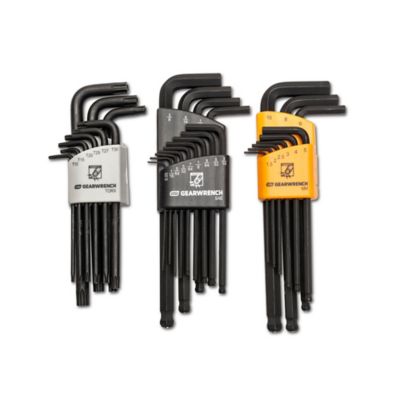
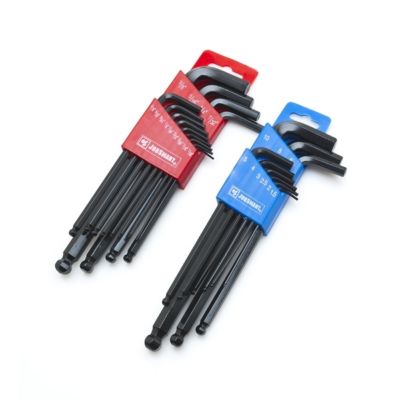
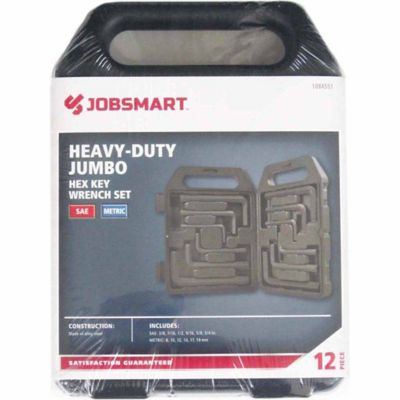
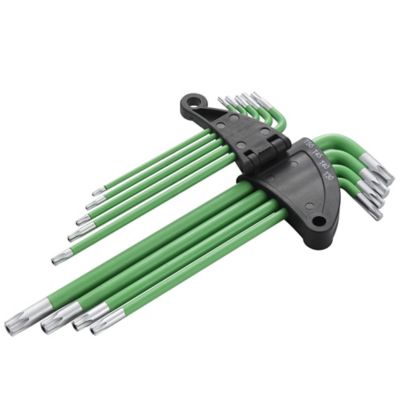
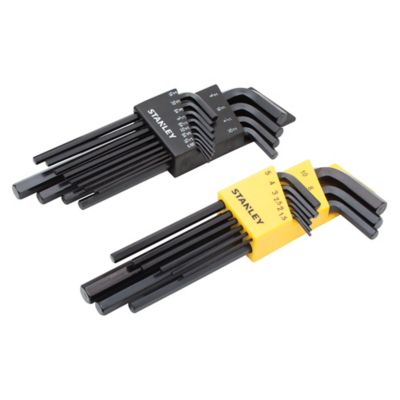
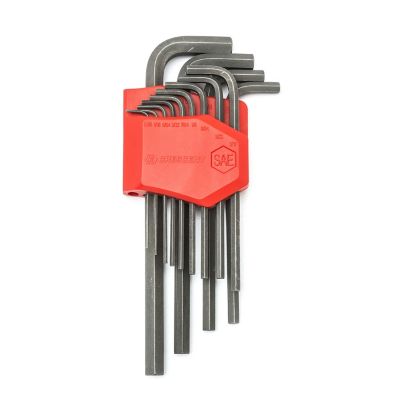
A hex key, also called an Allen wrench, is a six-sided hand tool that turns screws and bolts with a hexagonal socket in the head. The familiar L-shaped version has two working ends, giving you a choice of reach and leverage without a separate handle or moving parts. That simple design makes hex keys handy for jobs ranging from tightening a bicycle component to assembling a workbench or adjusting a set screw on shop equipment. Around the house, barn, and garage, these tools earn their place alongside screwdrivers, sockets, and combination wrenches. Furniture frames, exercise equipment, towel bars, door handles, and certain machinery components all may have fasteners with internal hex sockets. The right key reaches into that recess and makes firm contact with its six flat sides. Size is the first thing to consider, since a close-looking match is not always a proper fit. Hex key sizes are measured across two opposite flat faces of the working end, rather than from corner to corner. Metric hex keys are sized in millimeters, with examples including 2 mm, 4 mm, 5 mm, and 6 mm. SAE hex keys have inch-based measurements, such as 1/8 inch, 3/16 inch, and 1/4 inch. Those two systems belong in separate size groups, even when a metric key and an inch-size key look nearly alike. A key that sits loosely in the socket can slip under load and round the edges of the fastener. That can turn a quick adjustment into a much bigger repair, especially when the screw is tucked behind a bracket or down inside a housing. Clear size markings and an organized holder make finding the proper fit easier when several small fasteners are spread across the bench. A set covering the measurement system on your equipment can simplify everyday maintenance, while separate metric and SAE sets suit a shop that handles a mix of machines and household projects.
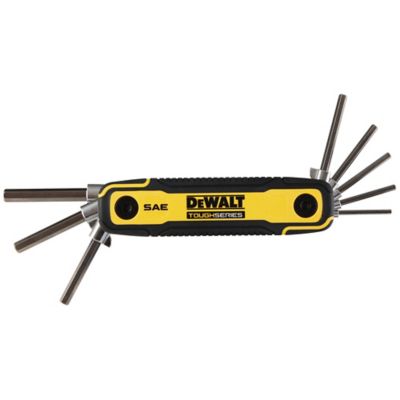
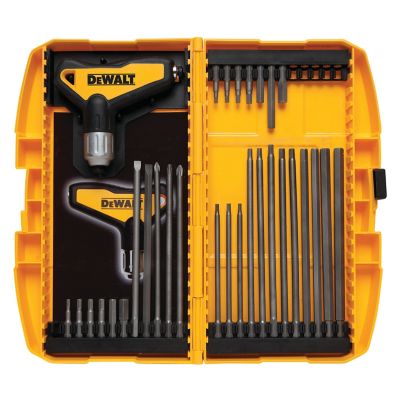
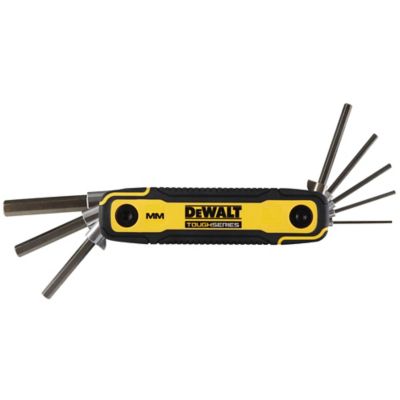
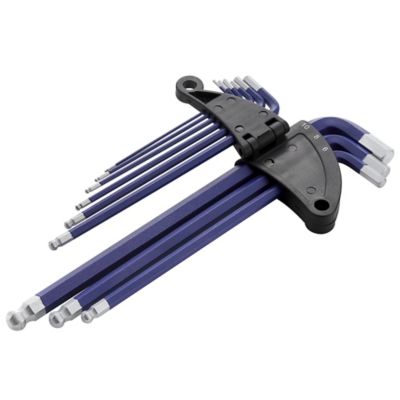
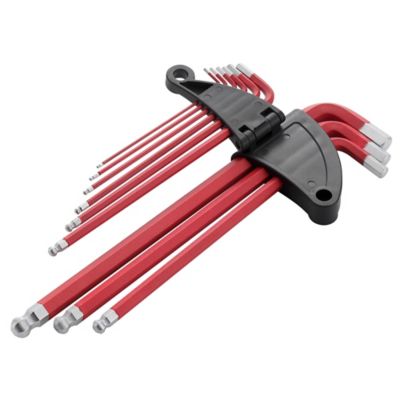
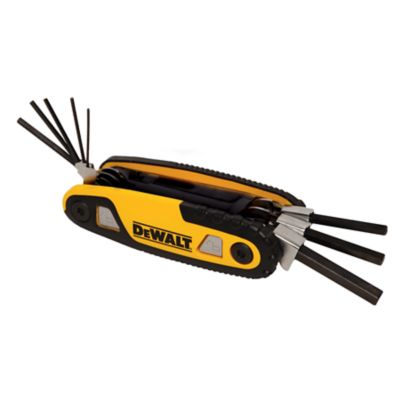
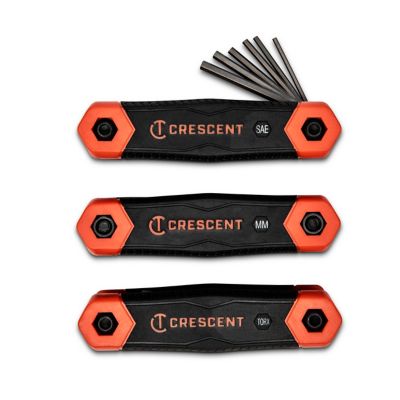
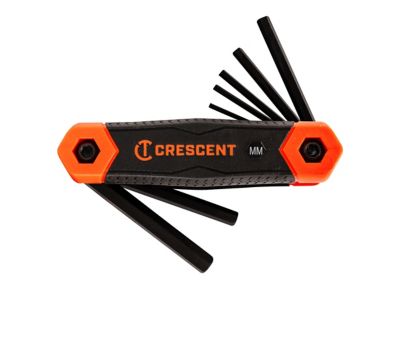
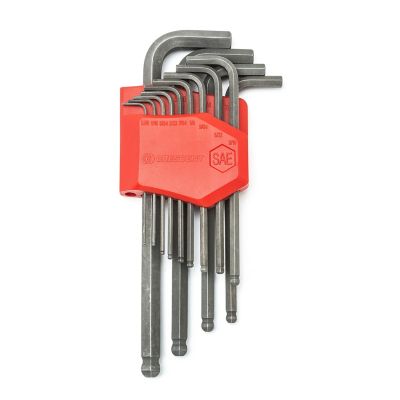
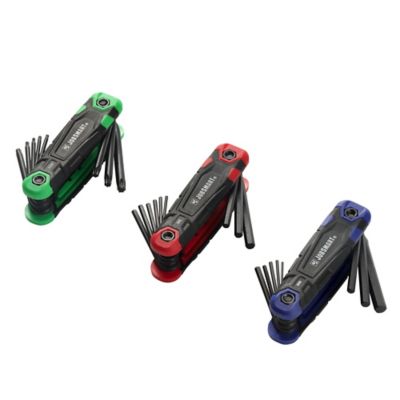
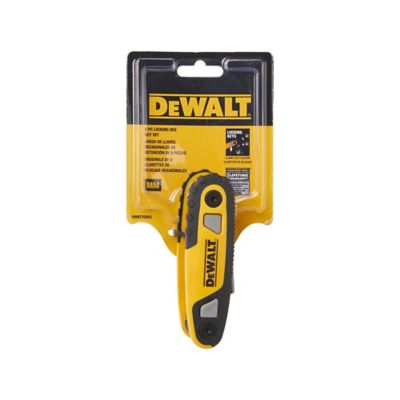
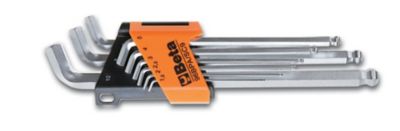
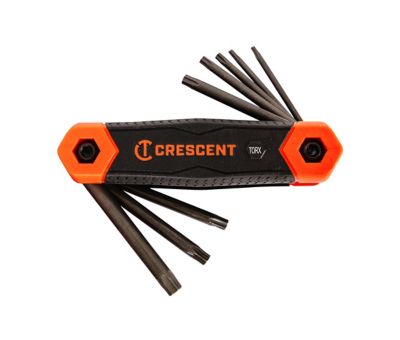
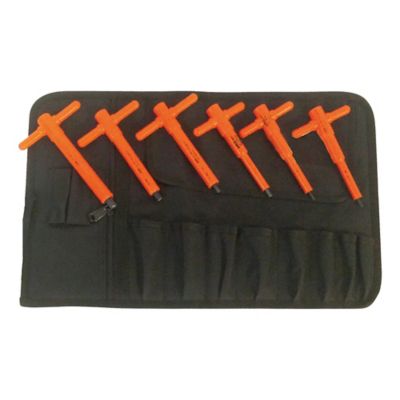
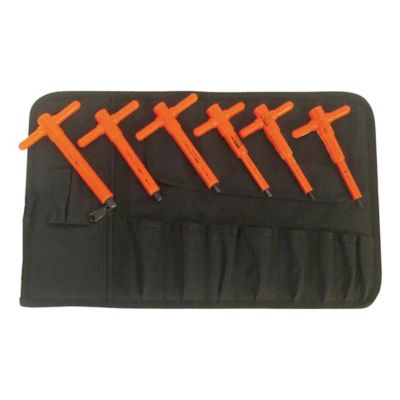
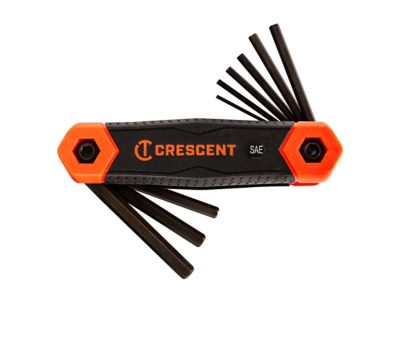
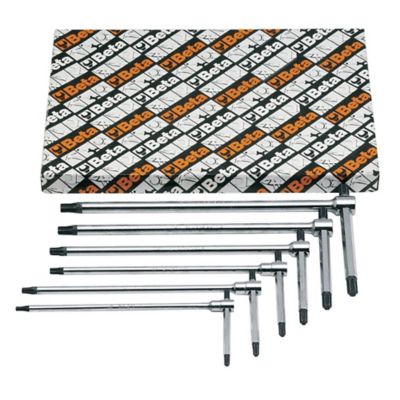
Hex key shapes offer different ways to reach a fastener and apply turning force. With a standard L-shaped key, placing the short end in the screw leaves the longer arm out as a handle, giving more leverage. Placing the long end in the screw provides deeper reach, though the shorter arm leaves less room for your hand and less leverage. That difference matters when a fastener sits down a narrow opening or close to a frame rail. Long-arm hex keys can help with recessed screws, while shorter designs take up less space in a small tool pouch. Ball-end hex keys have a rounded working tip that allows entry at an angle, making them helpful around nearby brackets, tubes, and other obstructions. The permitted angle varies by design, and the ball end is generally better suited to running a screw in or out than applying high torque. A straight hex end provides fuller contact for loosening a tight fastener or completing the final tightening. T-handle hex keys add a crosswise grip that can feel more comfortable during repeated turns, such as working through several screws on a frame or equipment assembly. Their wider handles need enough clearance around the work. Fold-up hex key sets keep several sizes attached to one housing, making them convenient for a glove box, saddlebag, or toolbox tray, although the housing can limit access in cramped spots. Material and finish also deserve a look. Hardened steel gives the working ends the strength needed to resist bending and wear, and alloy steels such as chrome vanadium appear in many hand tools. Heat treatment, tip shape, and overall construction matter alongside the material name. Black oxide and plated finishes offer different surface protection, but neither takes the place of sensible care. Smooth edges, clearly formed tips, and a comfortable grip can make a difference through an afternoon of assembly. Handle shape is worth considering for anyone who spends long stretches at a workbench.
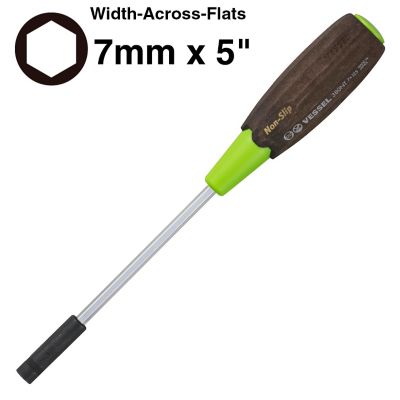
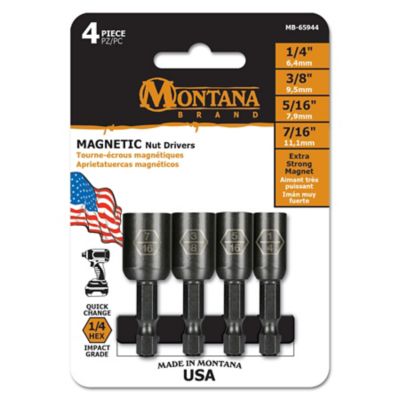
The best hex key setup fits the work that comes through your shop, rather than simply adding more tools to the drawer. A homeowner assembling furniture may value a broad range of small sizes, while someone maintaining bicycles may reach often for a compact metric set. Farm equipment owners, mechanics, and folks working on lawn equipment may encounter both measurement systems across attachments, replacement parts, and older machinery. Small keys suit tiny set screws, but they also need a light touch; larger keys do not make extra force safe for every fastener. Where a manufacturer specifies tightening torque, a compatible hex bit and torque wrench can provide controlled tightening that a plain key cannot measure. Extra pipe over a hex key handle can overload the tool or fastener, so leverage should stay within the tool’s intended limits. It also helps to recognize the difference between an internal hex socket and an external hex head. For nuts and fasteners with an external six-sided shape,
Hex Nut Drivers fit around the outside rather than entering a recess. Keeping both tool types sorted makes it easier to reach for the right one without forcing a poor match. For hex keys, clean tips and clear sockets support firm engagement, particularly after a repair near grease, dirt, or metal shavings. Wiping tools clean before putting them away and keeping them dry helps limit rust. Worn or rounded ends deserve replacement before they damage another screw. A holder with individual size positions also makes a missing key noticeable before the next job starts. Hex key sets make practical gifts for a new homeowner, a bicycle enthusiast, or someone setting up a garage workbench. Whether the task is a loose handle or a machine adjustment, proper fit and convenient access help these small tools pull their weight.