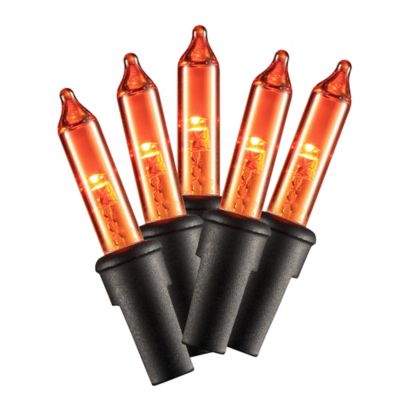
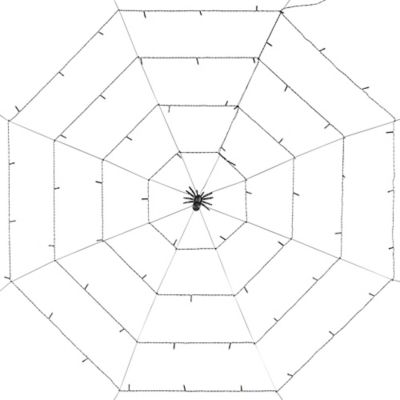
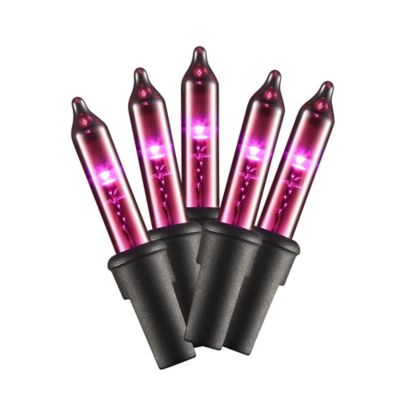
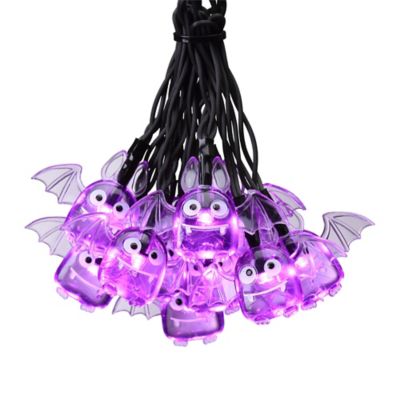
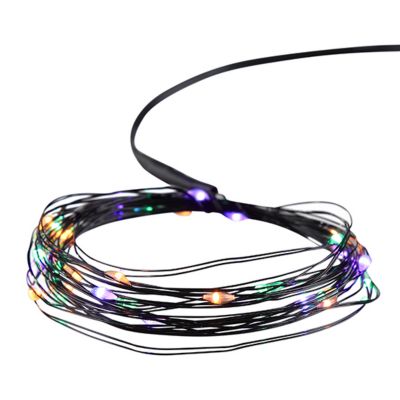
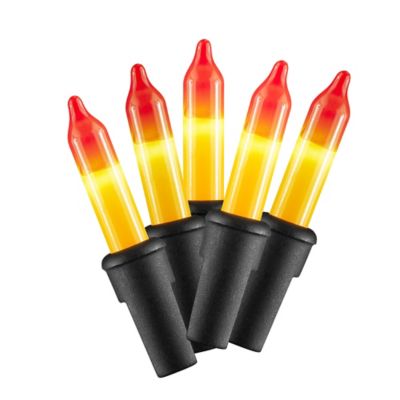
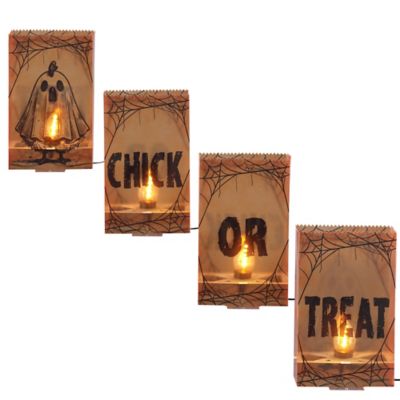
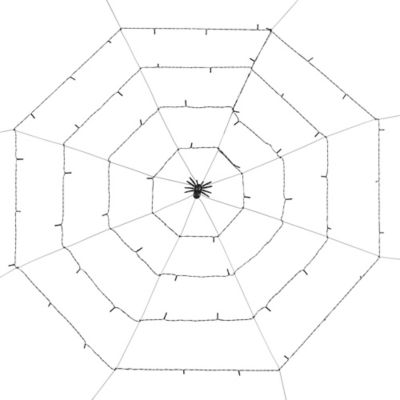
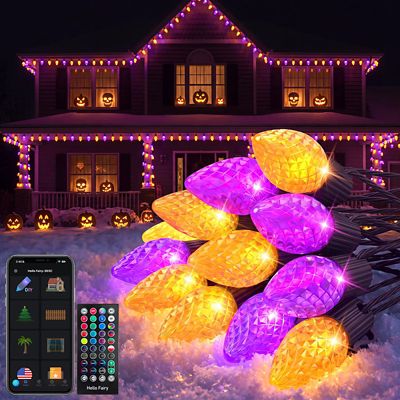
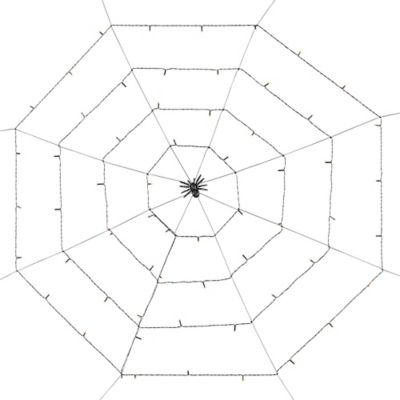
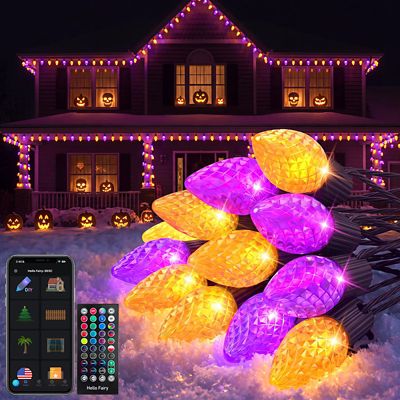
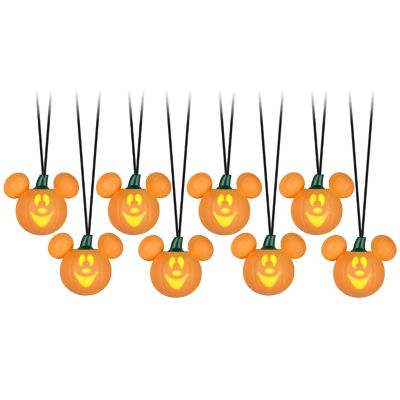
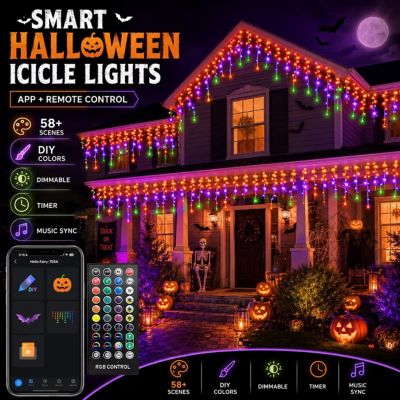
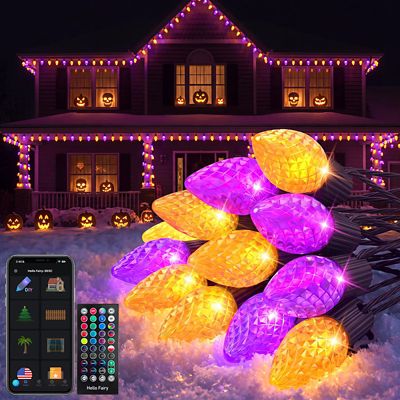
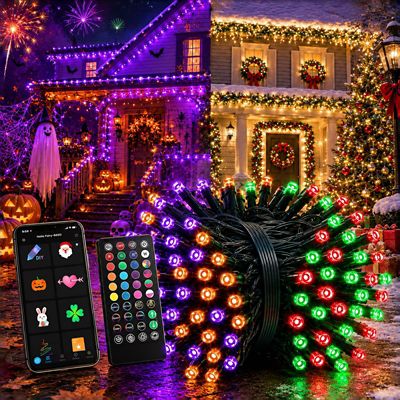
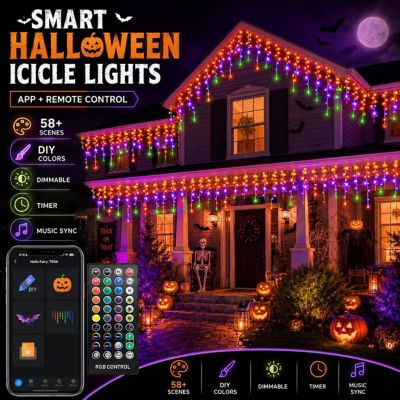
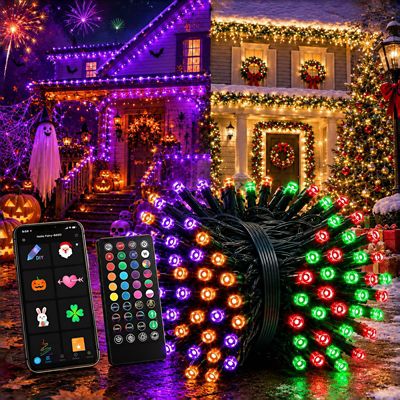
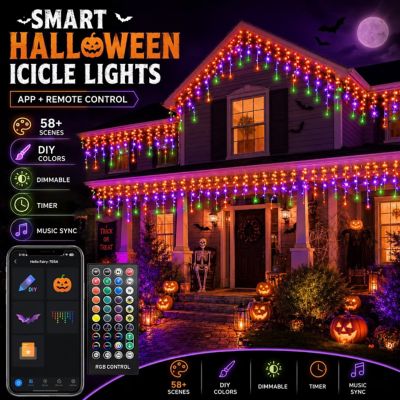
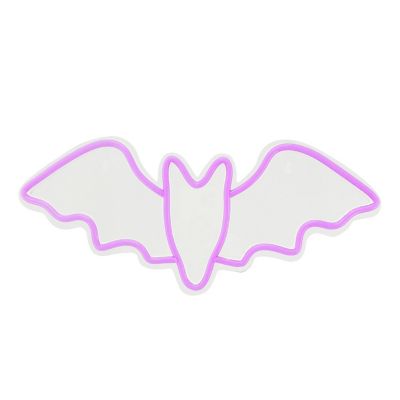
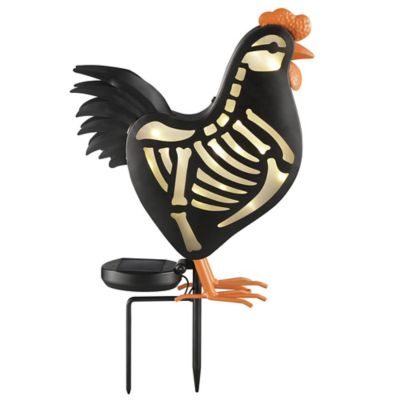
Halloween light strings are strands of connected bulbs that add color, shape and glow to Halloween displays indoors or outside, depending on their location rating. Common styles include orange and purple lights, small clear bulbs, and light covers shaped like pumpkins, ghosts, bats or spiders. A line of orange lights along a porch rail sets a friendly tone for trick-or-treaters, while purple strands around a window can give a farmhouse entry a slightly spooky look without taking over the whole space. Small bulbs tend to blend into wreaths, window frames and tabletop arrangements; larger shapes stand out better along a fence or beneath a covered porch. Bulb spacing makes a difference, too. Closely spaced lights create a fuller ribbon of color, while wider spacing gives each pumpkin or ghost room to show its shape. Steady-burning strands suit a quiet front porch or family gathering, while strands with changing effects bring more movement to a Halloween party. Flashing patterns may bother some guests, so steady lighting is often a comfortable choice around seating areas and entrances. Black, green and clear wire can each blend into different backgrounds, from dark porch posts to leafy garlands and pale window trim. For a small entry, a single color can keep the display from feeling crowded. Around a wider porch, repeating the same colors on both sides of the door helps tie everything together. Halloween light strings can also work alongside other
Halloween Lights to give a front gate, porch and yard a connected look. The best match depends on the size of the space, the mood of the gathering and how close people will be to the lights. A strand seen from the driveway needs more visual presence than one tucked around a kitchen window, where smaller details are easier to enjoy.
Length, construction and power source all affect how well Halloween string lights fit a setup. The lighted length describes the section with bulbs, while the total length may also include an unlit lead that reaches toward an outlet or power pack. That distinction matters when the nearest receptacle sits several feet from a porch post. Measuring the planned route, including corners and gentle drapes, helps prevent a strand from ending short of the last railing section. Glass bulbs and molded plastic covers call for different handling: glass needs protection from bumps, while plastic covers should still be checked for cracks, loose attachments and damage from sunlight. LED strands generally draw less electricity and give off less heat than comparable incandescent strands, though all lighting still needs clearance and handling that follow its labeling. Light output varies, so bulb count alone does not tell the whole story. A scattering of bright bulbs may look quite different from a tightly spaced strand of smaller lights. Plug-in strings make sense where a suitable outlet is close by. Battery-powered strands can suit a mantel or table arrangement without a nearby receptacle, provided the power pack stays accessible and has the right location rating. Solar-powered designs need enough direct sunlight for charging, which can be a challenge under a deep porch roof or beside a shaded fence. Timers can help keep lighting on a regular schedule, while controls and battery compartments should remain within easy reach. For exposed outdoor spaces, the entire lighting setup needs to be rated for that setting, including cords, connectors and power packs. A covered porch does not automatically make an indoor-only strand suitable for outdoor placement. Rain can blow beneath a roof, and moisture can reach surfaces that seem sheltered. Outdoor plug-in displays also call for GFCI protection and connections positioned according to the manufacturer’s directions, rather than resting in puddles or on wet ground.
A good Halloween lighting setup leaves plenty of room for everyday activity. Porch steps, handrails, gates and doorways still need to work as intended when family, neighbors and trick-or-treaters come through. Strings look best when supported with clips made for the surface and the lighting strand, not stretched tight or fastened through the wire with staples or nails. Loose loops belong away from walking routes, and cords should not pass through a doorway where the door can pinch them. On a working property, keeping lights away from livestock areas, feed storage and equipment routes helps separate the celebration from daily chores. Pets and small children need the same consideration, especially around dangling shapes, chewable cords and accessible battery compartments. Outdoor Halloween lighting adds atmosphere, but it does not replace proper lighting for steps and paths. Connection limits matter whenever several strands share a power source; the label’s limit takes priority over how many strings appear to fit together. Before hanging lights, checking for frayed insulation, cracked sockets, loose bulbs and damaged plugs can catch problems before the display goes up. A damaged strand should stay out of service, and any replacement bulb or fuse needs to match the manufacturer’s specifications. Care between celebrations matters as much as the initial setup. Once disconnected, lights can be wiped as directed, allowed to dry completely and loosely wound around a reel or sturdy piece of cardboard. Keeping cords untangled and shaped covers cushioned helps prevent cracked pieces and strained wires in storage. Batteries should come out before long-term storage, following the product directions. For a host who enjoys greeting the neighborhood, Halloween light strings can make a thoughtful seasonal gift when the power source, placement rating and length suit the home. Whether the plan is a few cheerful pumpkins by the door or a longer glow across the porch, a well-fitted strand brings the Halloween spirit into view without getting in the way of a busy household.