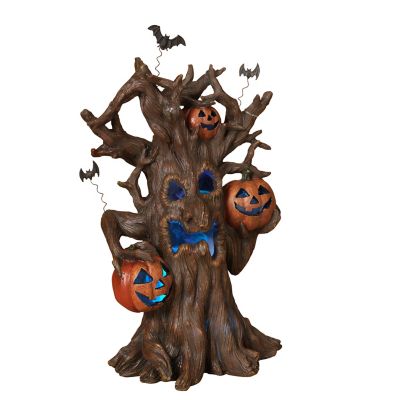
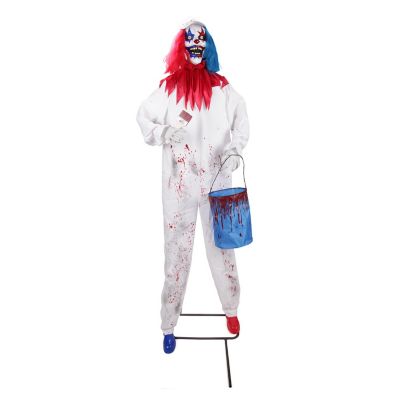
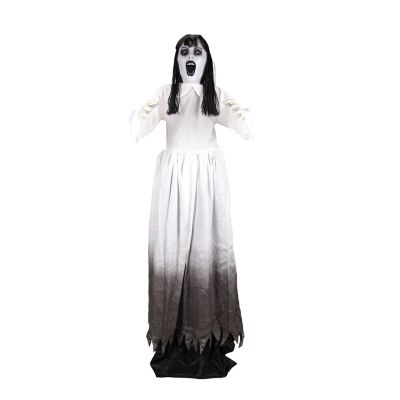
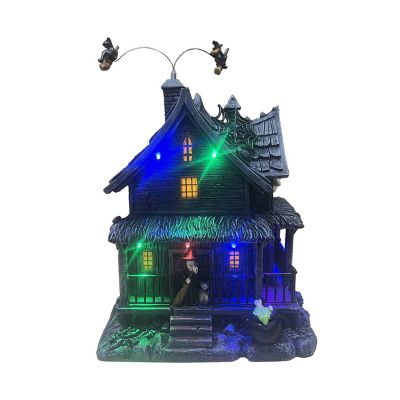
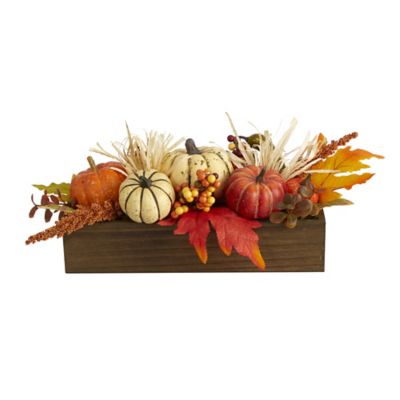
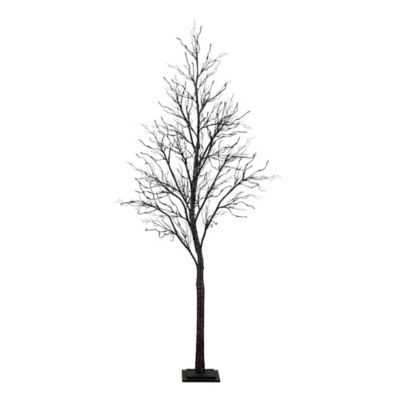
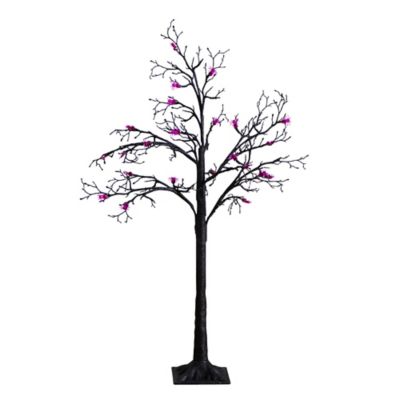
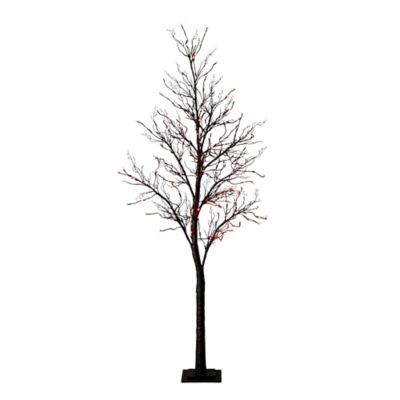
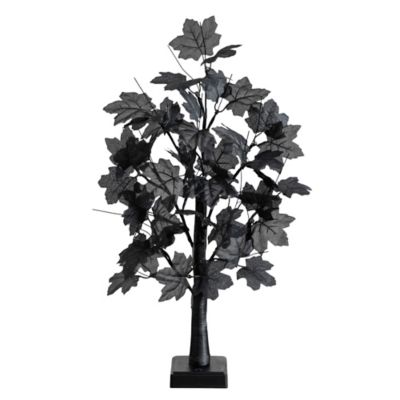
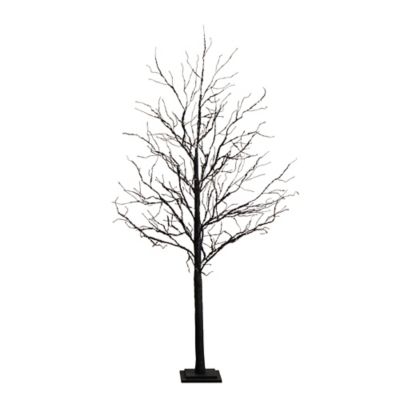
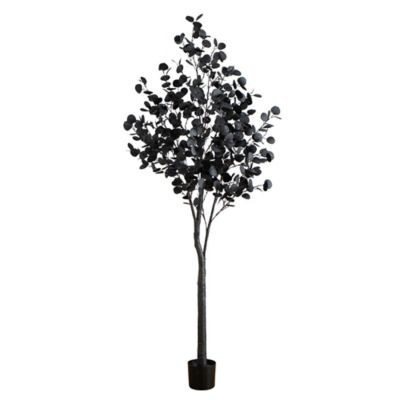
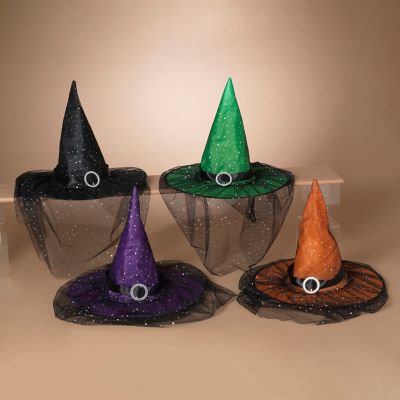
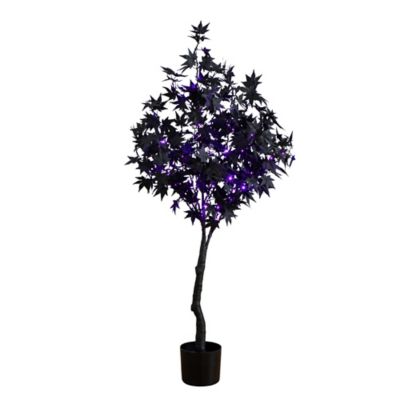
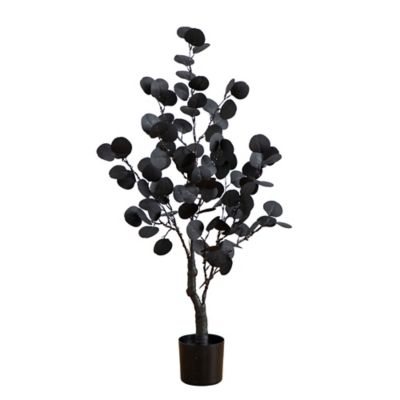
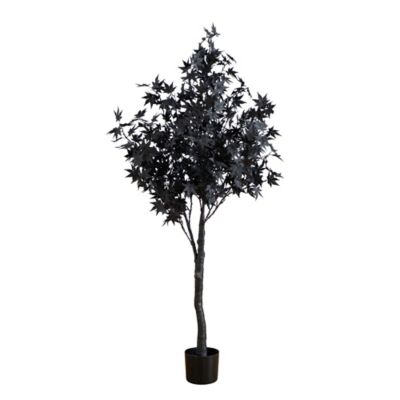
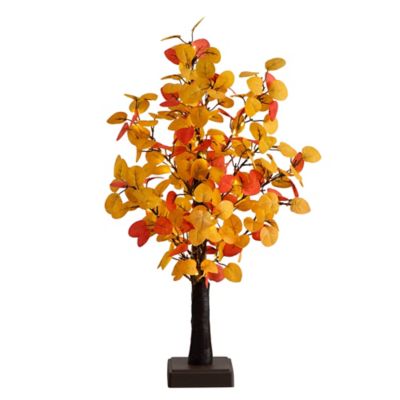
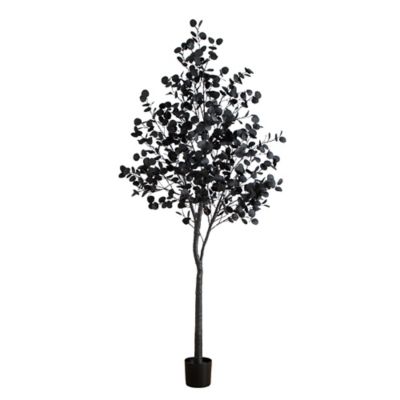
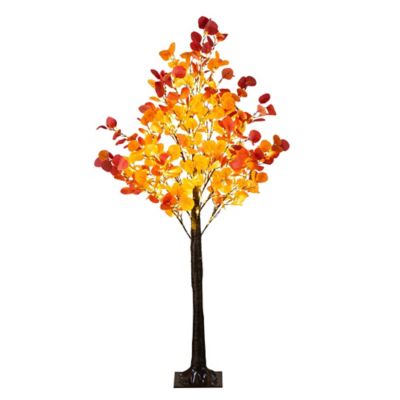
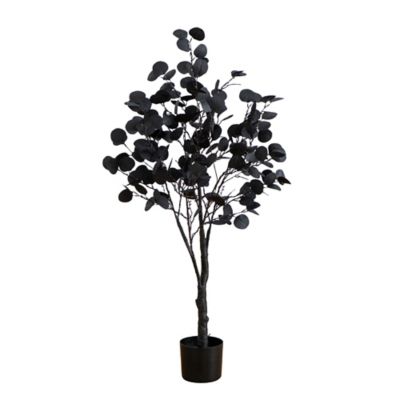
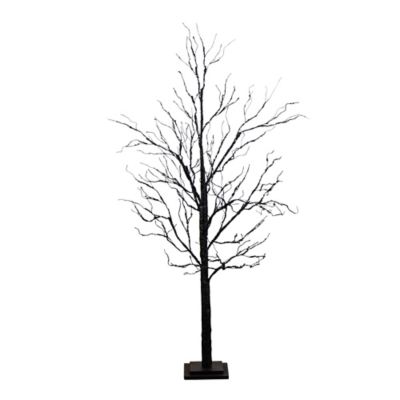
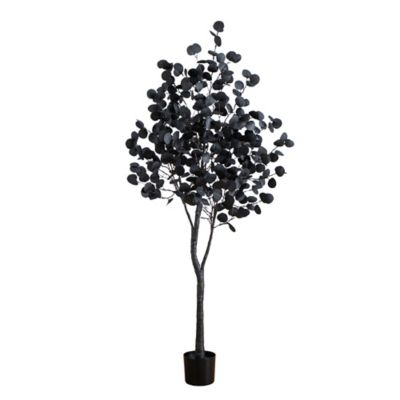
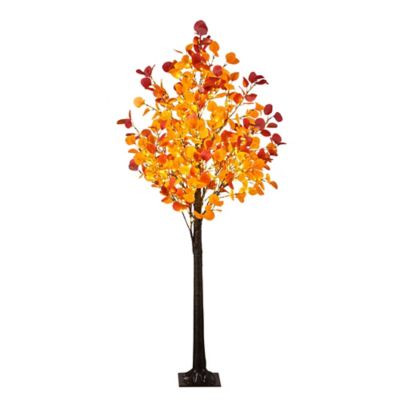
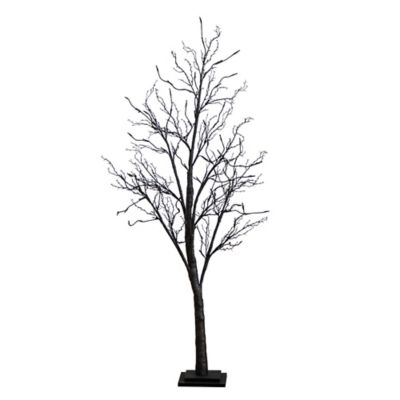
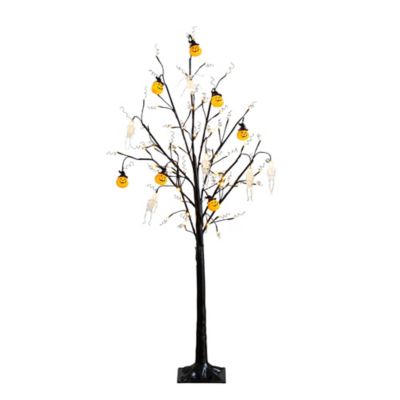
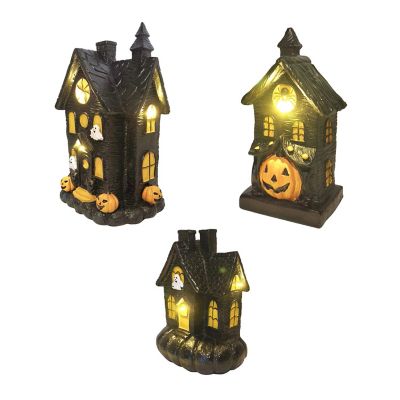
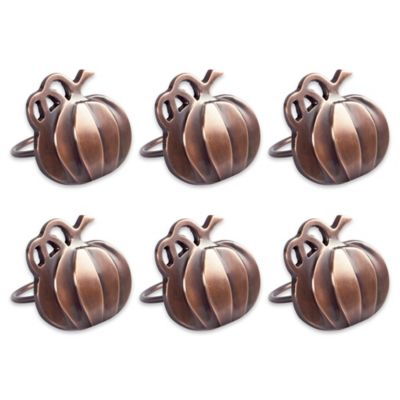
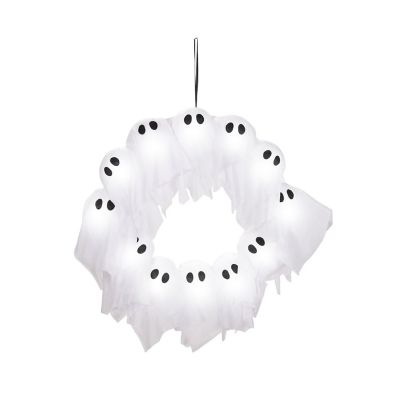
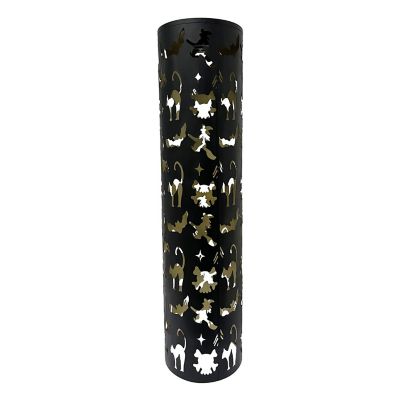
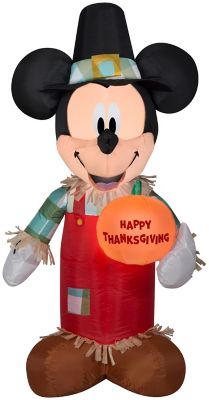
Halloween centerpieces bring a little holiday spirit to the spots where folks tend to gather, from the kitchen table to the buffet at a community hall. Light-up centerpieces give off a soft glow, paper fold-outs lend a playful touch without taking up much room in storage, and fuller floral arrangements with skull or bone motifs set a spookier scene. The right look depends as much on what happens around the table as on the Halloween theme. At a family supper, a low, wide arrangement gives the table a focal point while leaving kids and grown-ups free to see each other across it. On a sideboard, a taller silhouette can stand out against a plain wall without getting between dinner guests. A candy station can handle a bit more whimsy, with grinning faces or bold orange and black that show up from the doorway. For an evening get-together, dark florals, deep reds and a hint of warm light give the room a moodier feel without making every corner look like a haunted house. Color and finish make a difference in daylight, too. A matte finish and muted tones look right at home against the grain of a farmhouse table, while shiny surfaces pick up the light on a mantel or entryway console. There’s room for an autumn look that leans on harvest colors, a funny take that suits a crowd of costumed kids or a darker display for a grown-up dinner. The centerpiece doesn’t have to match everything around it. A strong shape or a color that repeats elsewhere in the room is often enough to tie the table together. On a long table, several small centerpieces can carry the theme from end to end and still leave breaks for serving dishes, while one broader arrangement can fill the middle of a round table without making the place settings feel crowded.
Materials affect how Halloween table centerpieces look, how much space they need and how well they hold up through repeat gatherings. Paper folds down flat and is easy to carry from room to room, but it does better away from drink pitchers, damp surfaces and doorways that catch a draft. Molded resin tends to have more heft and can show fine details, though a hard knock against a counter or floor can chip an edge. Painted wood has a more substantial feel on a bare table, and the grain can show through in a way that suits a simple fall setting. Fabric and artificial foliage soften the outline and give an arrangement some fullness without the care that fresh stems need. The widest point matters just as much as the size of the base: a few branches that reach past the rim can crowd glasses on a narrow table even when the base fits just fine. On a buffet, a steady base and a compact shape make sense near the spot where people set down a plate to reach for food. Lightweight or top-heavy forms are better off on a level surface away from busy elbows, swinging doors and the usual paths of pets. For light-up centerpieces, battery access is worth a look, especially when the switch or compartment sits underneath. A battery-powered design keeps cords off a dining table, while a plug-in display makes more sense on a console near an outlet where the cord can stay out of foot traffic. A glow that reads clearly on an indoor table might barely show on a bright porch, and a covered porch can still get damp when rain blows in. For any outdoor setup, the manufacturer’s location rating matters more than how sturdy the centerpiece looks. Near paper or faux foliage, flameless lighting gives the display a glow without an open flame.
A Halloween centerpiece that comes out year after year should be easy to put away as well as pleasant to set out. A soft, dry cloth takes care of dust on most smooth surfaces, while a soft brush can reach between leaves and into textured details. Finish and care directions matter before wiping anything down with water, especially when paint, paper and fabric are all part of the same arrangement. Fold-out shapes keep their edges better when they’re stored flat, and raised details are less likely to bend or chip when taller pieces aren’t stacked on top of them. For lighted designs, removing replaceable batteries before long stretches in storage helps prevent damage from leaks. It also pays to think about where an arrangement will go when the meal is over. A centerpiece that’s easy to lift can move from the table to the sideboard when the pie plates come out, while a tall piece with a wide base is better suited to a spot where it can stay put through the whole gathering. As a gift, a compact centerpiece fits a host who puts on the neighborhood costume party or a friend who likes to give a small dining nook a Halloween look. A larger arrangement makes more sense for someone with a broad mantel, an entry table or a standing place for holiday displays. For a Halloween wedding reception,
Halloween Wedding Decorations can help carry the same colors or motifs from the guest tables to the welcome area. At a reception or a simple potluck, the best fit comes down to what the table has to do: keep faces in view where people are talking, leave room where food is being passed and give taller shapes a spot where they can stand out without getting in the way.