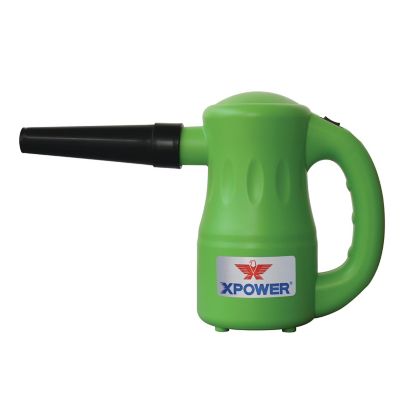
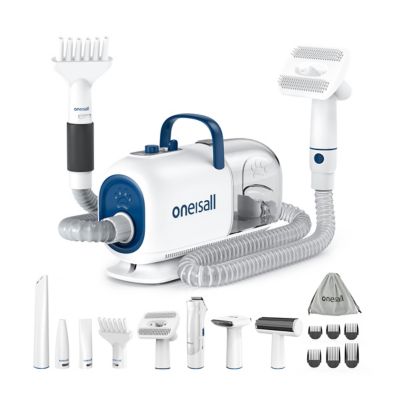
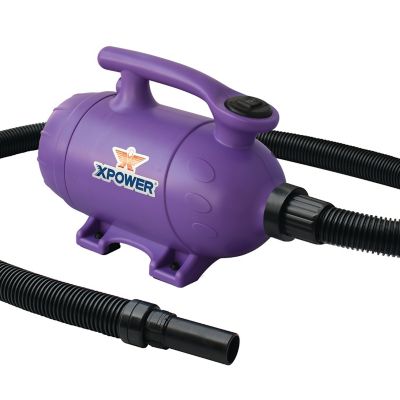
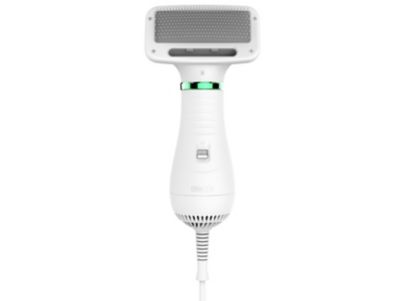
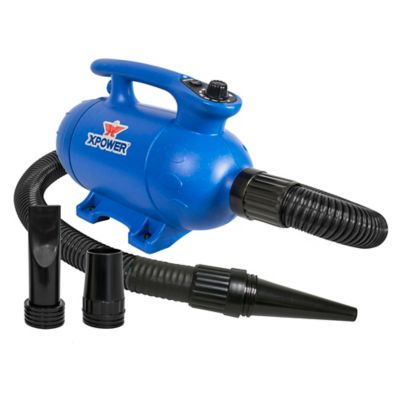
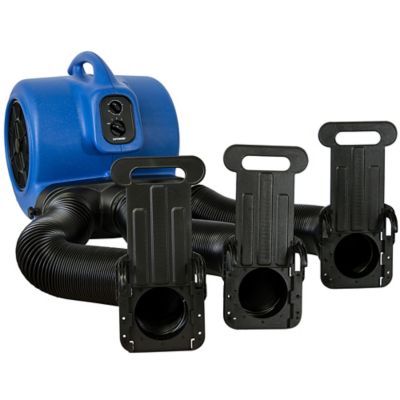
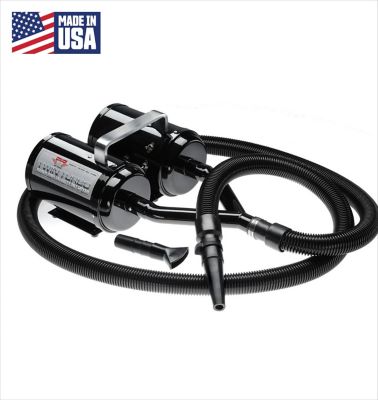
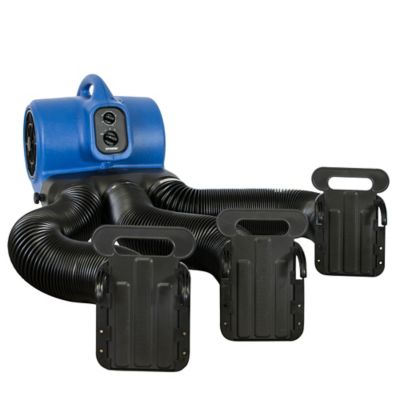
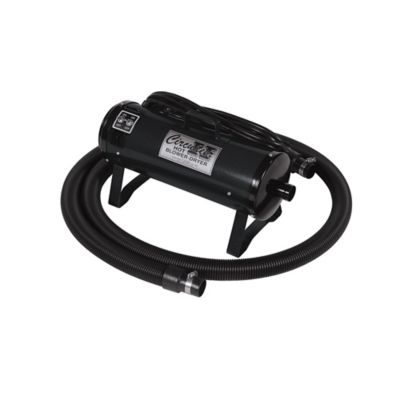
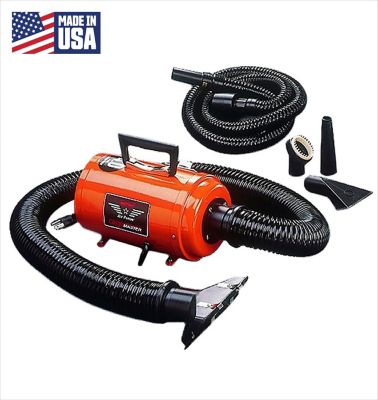
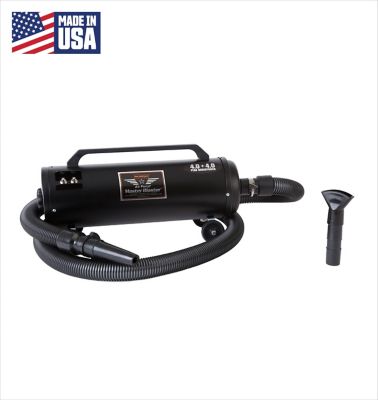
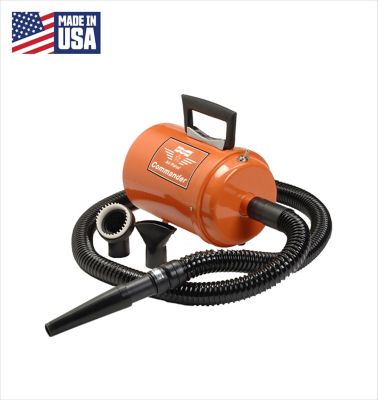
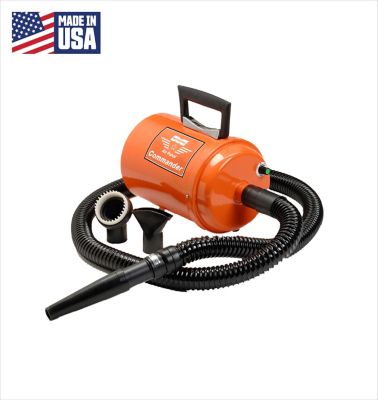
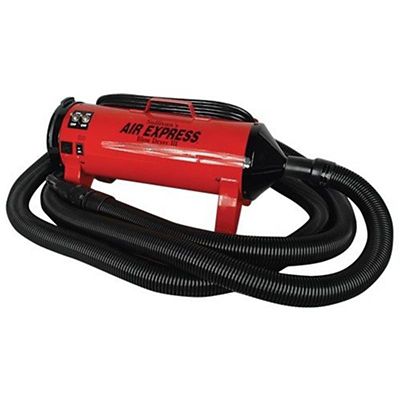
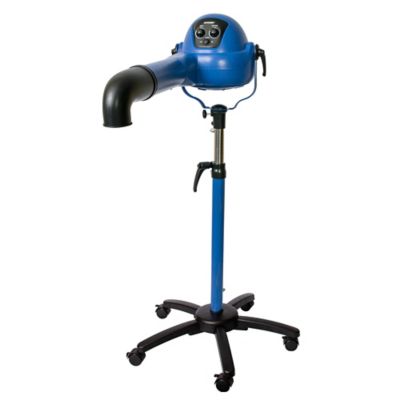
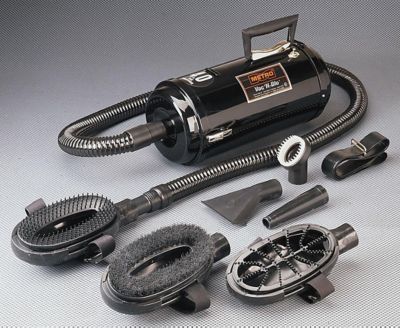
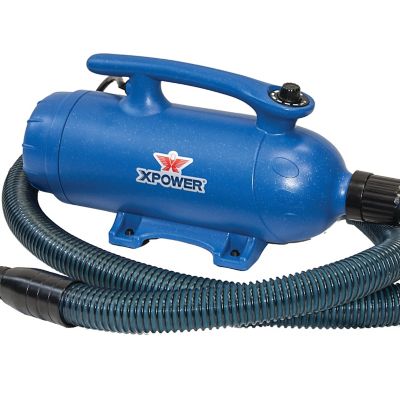
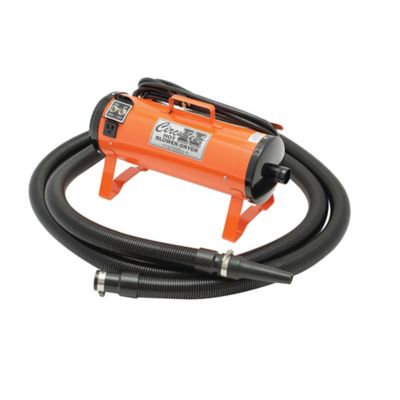
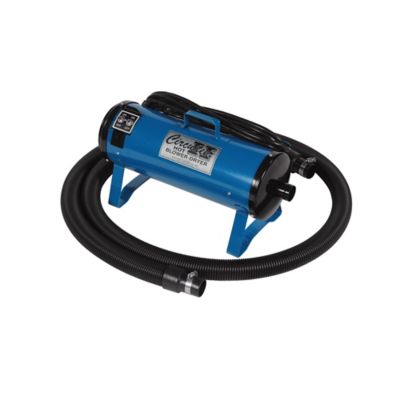
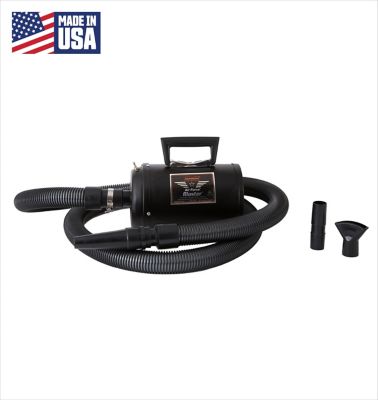
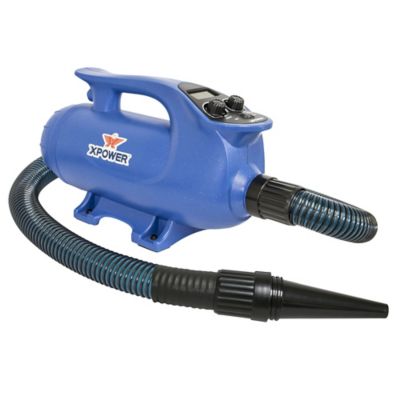
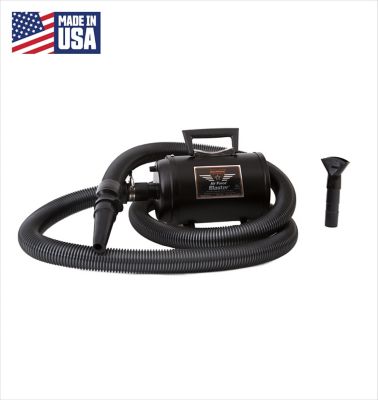
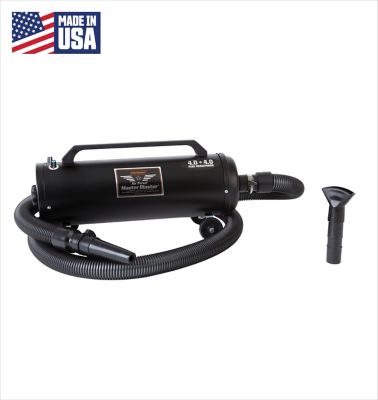
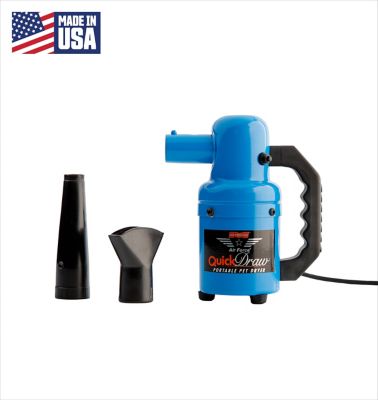
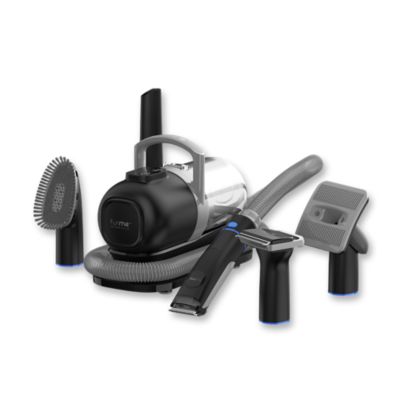
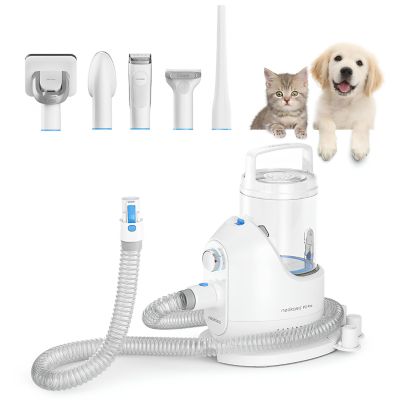
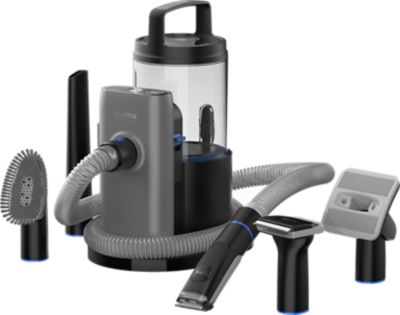
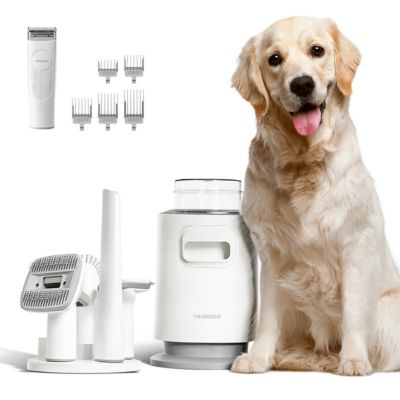
Pet hair dryers make bath time, muddy-day cleanup and regular grooming a whole lot easier, especially when a thick coat stays damp long after the towel comes out. Unlike a human hair dryer, which can get too hot and may leave a pet feeling anxious, a pet hair dryer is made to move water out of the coat with controlled airflow and low or warm heat. High-velocity dryers are a popular choice for large dogs, double-coated breeds and pets with dense undercoats. Their strong stream of air helps lift loose hair, separate clumps and dry close to the skin without relying on high temperatures. Smaller handheld dryers and 2-in-1 grooming dryers can be handy for little dogs, cats that tolerate grooming, light touch-ups and spot drying around the legs, belly or face. Professional-style cage or box dryers are generally used in grooming shops and other supervised settings, where warm air can circulate around a pet resting in an enclosure. When shopping for hair dryers for pets, consider your animal’s size, coat type, grooming routine and comfort level first. A short-haired dog may only need a compact dryer with gentle airflow, while a fluffy retriever, herding dog or livestock guardian may do better with a powerful motor, a flexible hose and several speed settings. Variable airflow gives you room to begin slowly around a nervous pet and build up as they settle in. A low-noise or insulated motor can also make a noticeable difference for animals that startle at every sudden sound. Helpful nozzle attachments may include a wide outlet for drying the body, a narrow tip for directing air into heavy areas and a comb-style attachment for working through loose undercoat. For more grooming supplies, explore
Animal Grooming Tools to help round out your setup.
A little preparation goes a long way when using a pet hair dryer. After bathing, gently squeeze water from the coat with your hands, then use an absorbent towel to remove as much moisture as possible. Avoid rough rubbing, which can tangle long hair and make mats tighter. Set the dryer to its lowest airflow and coolest comfortable setting before turning it toward your pet, allowing them to hear and see the tool from a short distance. Many pets do best when the first sessions happen on dry days, away from the bathtub, with a few treats and plenty of calm praise. Start at the shoulders or along the back rather than aiming at the head, ears or paws. Keep the nozzle moving so one spot does not become uncomfortable, and check the air temperature against the inside of your wrist as you work. Never force air directly into the eyes, nose or ear canals, and use extra care around thin-skinned areas such as the belly, armpits and inside of the legs. A wide nozzle held several inches from the coat can help spread the airflow, while a narrower attachment may be useful for loosening dampness from a dense undercoat. Brush in the direction of hair growth as the coat dries, stopping often to check for tangles, redness or signs of stress. A dog that pants heavily, tries to escape, pins its ears back or repeatedly turns away may need a break or a slower introduction. Cats and small animals deserve the same patient approach; some may prefer a very gentle handheld dryer, while others are more comfortable drying naturally in a warm, draft-free room. Keep the dryer, hose and attachments clean and store them where dust, hay and loose fur will not collect around the motor. If your pet has skin irritation, an open sore, a recent procedure or a health condition that affects temperature regulation, check with a veterinarian before using a dryer.
Pet hair dryers can be useful for everyday households, working farms, hobby farms, boarding homes, rescue groups and anyone who regularly cares for animals with full or fast-growing coats. They are especially helpful during the warmer part of the year, when a dog may come in from a pond, creek or sprinkler with a soaked coat, and during cooler months, when leaving a pet wet after a bath can make them uncomfortable in the house or barn. Drying thoroughly can also help reduce the damp, musty smell that lingers in heavy fur and makes it easier to spot burrs, packed dirt and loose hair before they turn into larger grooming problems. A well-chosen dryer can be a thoughtful gift for a new puppy owner, someone bringing home a long-haired dog, a family that enjoys outdoor activities with its pets or a friend who has taken on regular grooming at home. It can also save time for owners who are tired of chasing wet paw prints across the kitchen after a rainy walk. Look for sturdy construction, a hose that reaches comfortably, easy-to-use controls and attachments suited to the coat you are working with. Speed settings are generally more useful than excessive heat, and a dryer that is comfortable to hold or set securely can make longer grooming sessions less tiring. For nervous animals, quieter operation and a gradual start matter more than raw power. For thick-coated dogs, airflow strength, a reliable motor and a nozzle designed to reach through the coat may be the top priorities. Whether you are freshening up a farm dog after a muddy romp, drying a family pet after bath time or keeping a show coat in good shape, the right hair dryer for pets can turn a chilly, towel-heavy chore into a calmer part of the grooming routine.