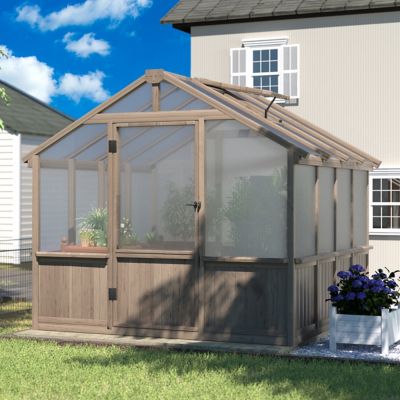
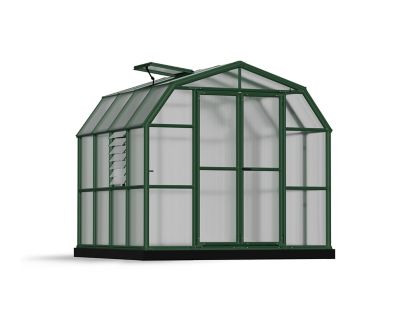
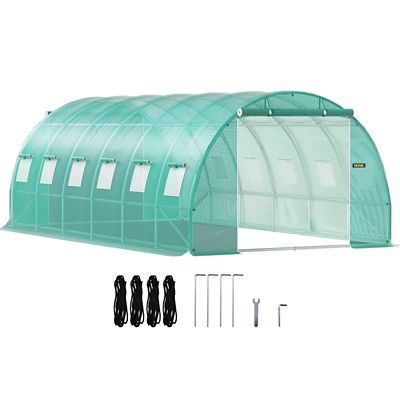
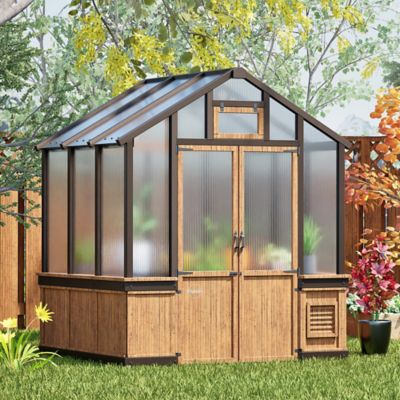
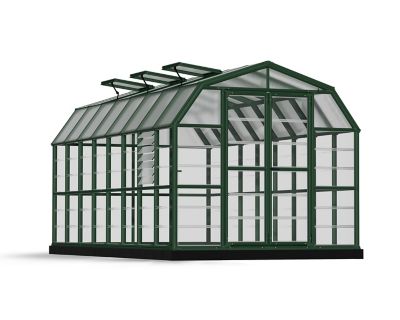
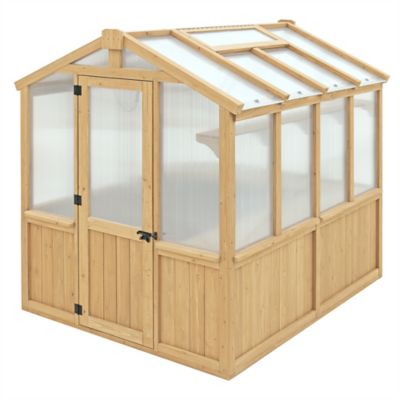
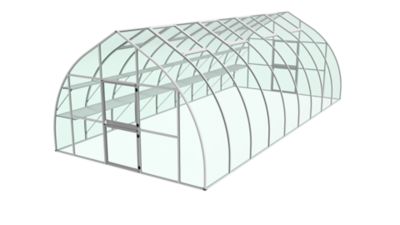
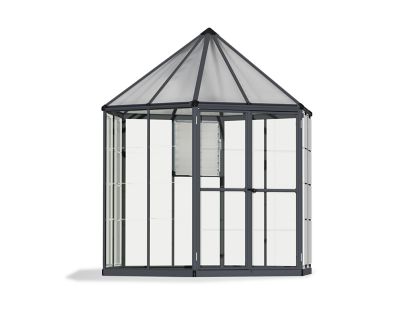
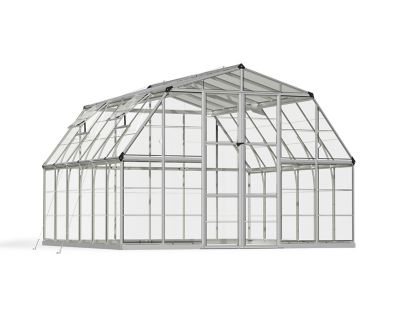
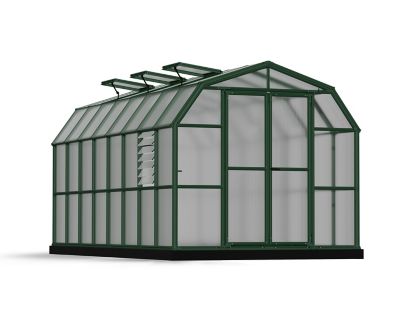
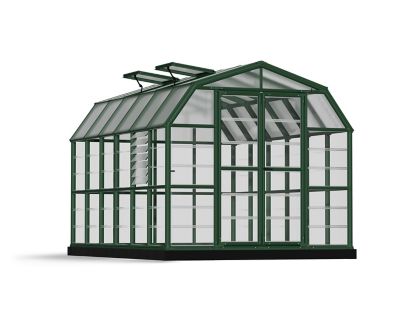
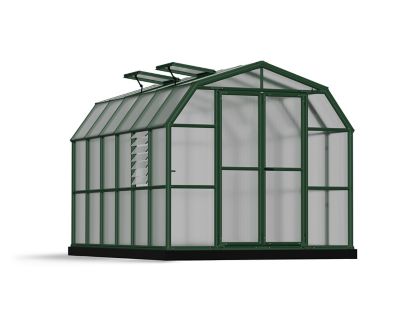
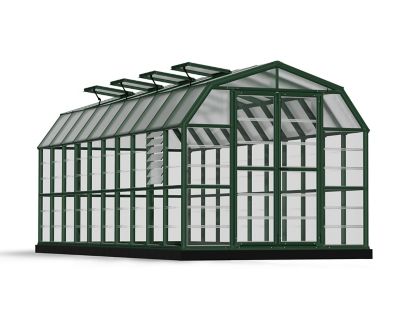
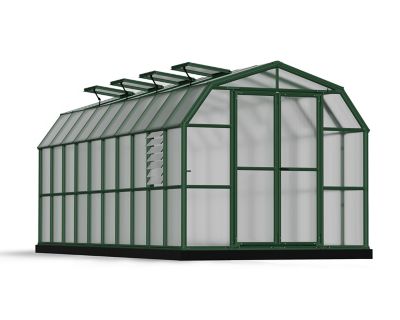
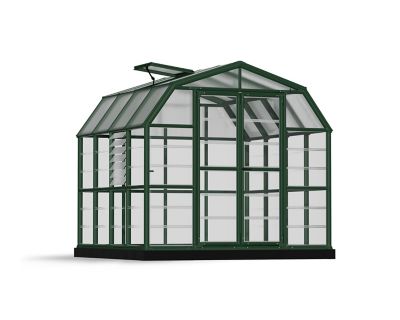
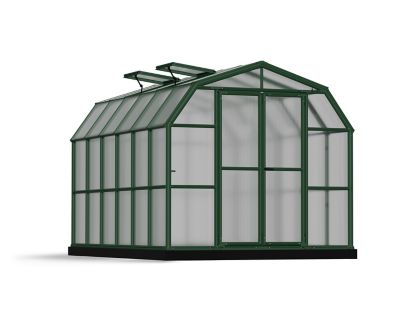
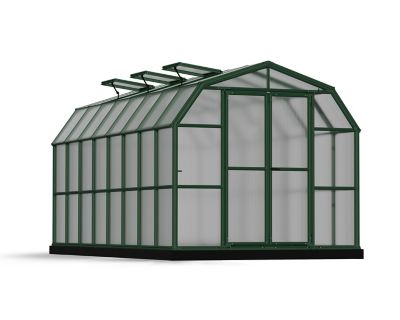
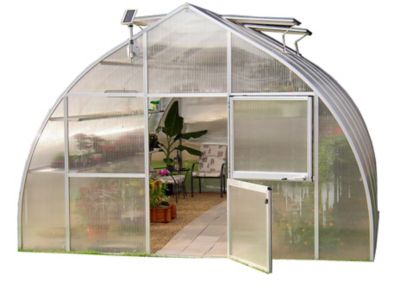
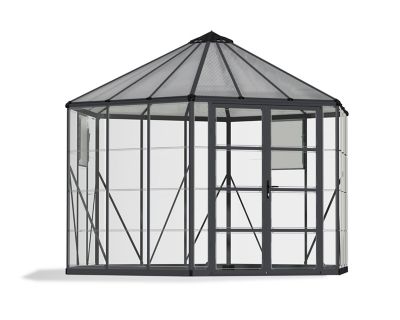
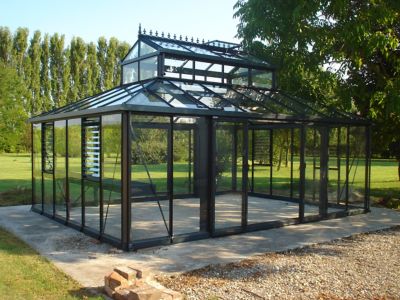
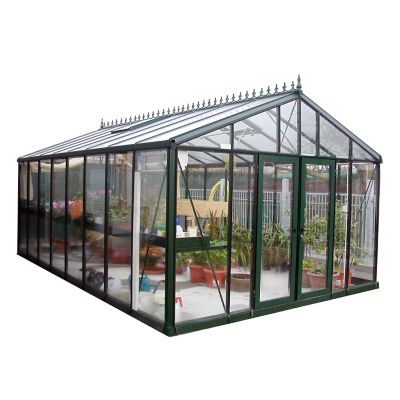
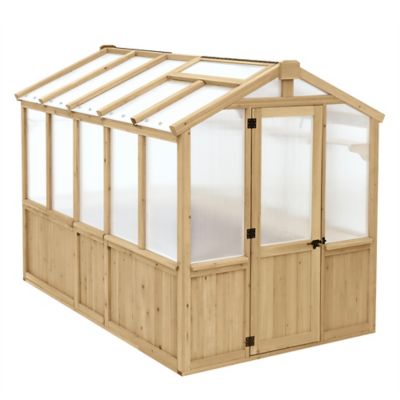
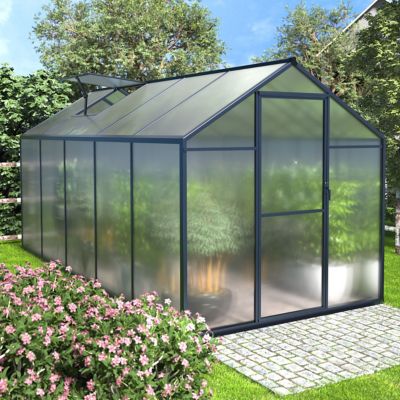
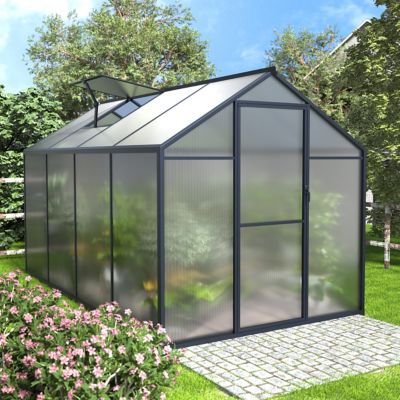
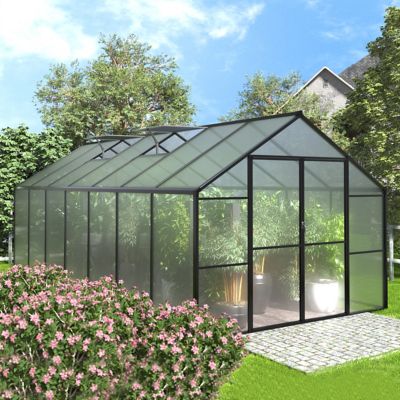
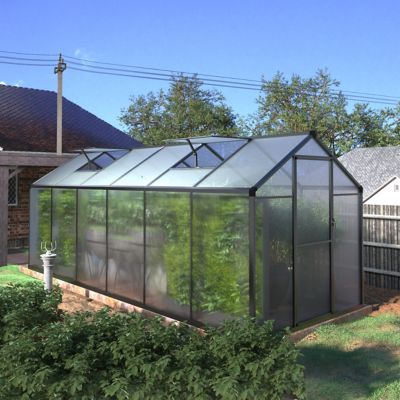
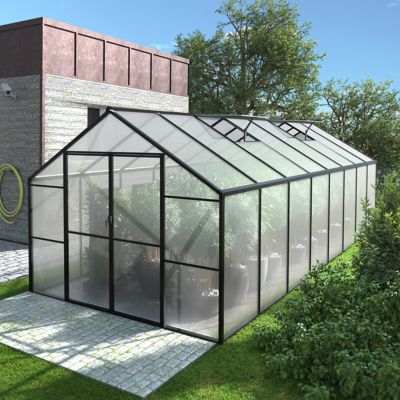
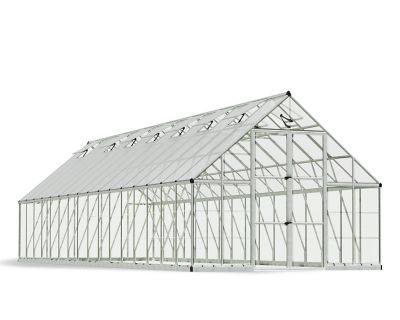
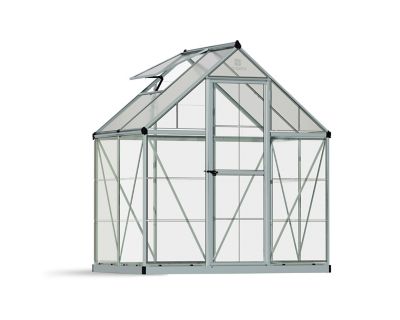
Greenhouses with double doors give gardeners a roomy entryway for the everyday work that comes with growing under cover. A wide opening makes it easier to roll in a wheelbarrow, carry trays of seedlings, move a bulky planter, or bring in a mature potted shrub without scraping the frame or knocking leaves loose. That extra clearance can make a real difference in a backyard garden, on a small homestead, or beside a market garden where supplies and plants need to move in and out often. Double doors may slide or swing, depending on the design, and each style has its own practical benefits. Sliding doors are handy where space is tight because they do not need a wide arc to open, while hinged doors can offer a familiar, full-width entrance. Look closely at the finished doorway dimensions rather than relying only on the overall greenhouse size. A greenhouse that fits neatly in a garden bed may still have an opening too narrow for your favorite wheelbarrow or a tiered plant stand. Measuring the equipment, carts, shelving, and containers you plan to use is a simple step that helps prevent a frustrating fit later. Double doors are also useful for gardeners who use a walker, mobility cart, or other assistance, since the wider passage provides a more comfortable route between the garden and growing space. For a thoughtful gift, a greenhouse with double doors can suit someone who enjoys starting vegetables from seed, tending herbs, growing flowers, or protecting tender plants through changing weather. It is especially useful for a new gardener who wants room to learn, as well as an experienced grower who has outgrown a small cold frame or crowded windowsill.
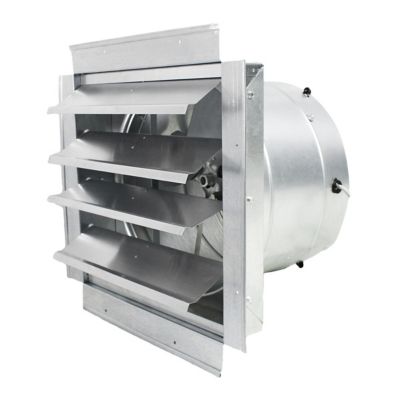
When choosing among greenhouses with double doors, start with the space where the structure will stand and the kind of growing you have in mind. A level, well-drained location with plenty of sunlight is usually the best starting point, while nearby trees, fences, and buildings should be considered for shade, falling branches, and access around the structure. Leave enough room for both doors to operate and for you to work comfortably outside the entrance. Frame materials can affect appearance, durability, maintenance, and cost. Aluminum frames are generally lightweight and low maintenance, making them a practical choice for many home gardens. Wood frames bring a warm, traditional look and can blend nicely with a cottage garden, though they may need more care to help them handle moisture and changing temperatures. Glazing matters, too. Polycarbonate panels are popular for their balance of light transmission, impact resistance, and insulation, while other glazing choices may offer a different look or level of clarity. Check the panel thickness, frame connections, door tracks, handles, and included hardware before making a purchase. A sturdy base is just as important as the greenhouse itself; anchoring the structure to a suitable foundation can help keep it steady during strong winds and rough weather. Think about the shelves, benches, hanging baskets, and containers you want to use, and make sure the layout leaves a clear path from the double doors to the growing areas. During the warmer part of the growing season, opening both doors can help release built-up heat and bring fresh air through the structure. Roof vents, side vents, and
Greenhouse Fans can provide additional air movement when still, sunny conditions make the interior warmer than your plants prefer. In cooler weather, doors and vents can be adjusted to hold onto gentle warmth while reducing excess moisture and condensation.
A double-door greenhouse can support a surprisingly wide range of routines, from raising vegetable starts and keeping basil going to rooting cuttings, hardening off young plants, and giving patio containers a sheltered place during chilly stretches. Gardeners often use the space as a transition area: seedlings can be moved inside before they are ready for the open garden, and established plants can be brought in before cold nights arrive. The broad entrance is convenient when handling flats of plants, bags of growing media, watering cans, and hand tools, but it also makes it easier to sweep, organize, and refresh the space between growing projects. Keep the threshold and door tracks free of soil, leaves, and loose gravel so the doors continue to move smoothly. Store tools where they can be reached without blocking the entry, and avoid packing benches so tightly that air cannot circulate around the plants. A thermometer and humidity gauge can help you understand the conditions inside, especially when the sun is bright but outdoor temperatures are cool. As the weather warms, watch for heat building quickly behind clear panels, even when the air outside feels comfortable. During the cooler months, check seals, fasteners, panels, and anchors, and clear heavy debris from the roof after windy weather. The right greenhouse size depends on more than the number of plants you have today; allowing a little room for trays, shelves, pathways, and future growing plans can make the structure much more useful over time. Whether it becomes a quiet spot for morning watering, a productive place to start garden vegetables, or a sheltered home for favorite flowers and herbs, a greenhouse with double doors brings practical access and flexible growing space to the backyard.