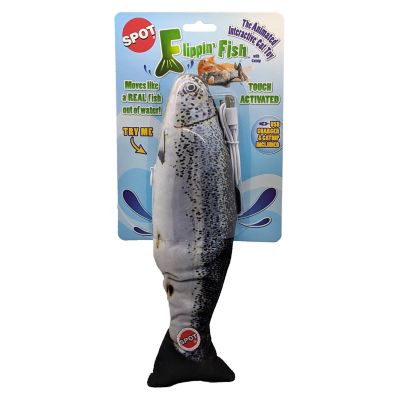
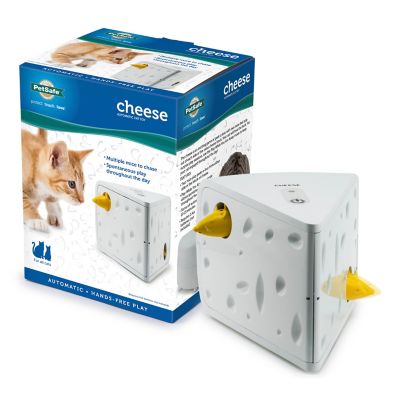
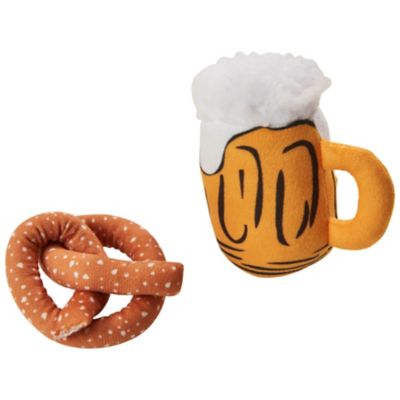
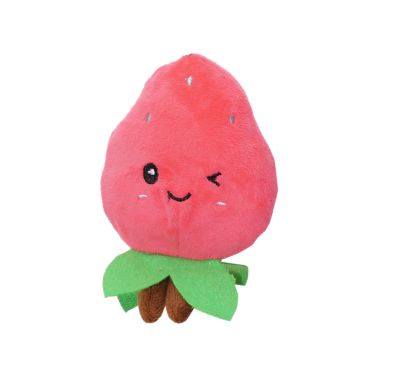
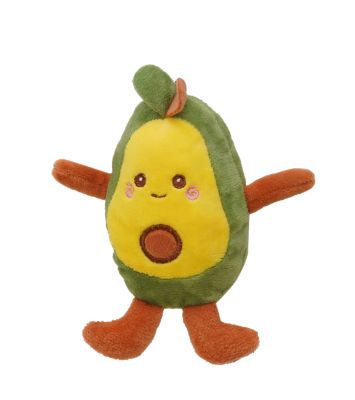
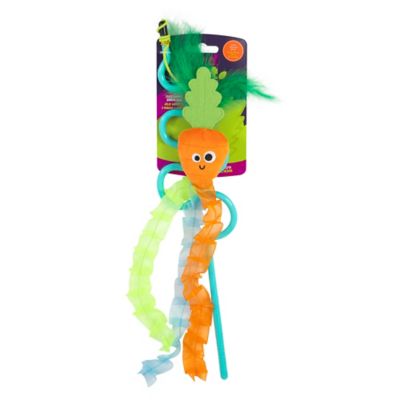
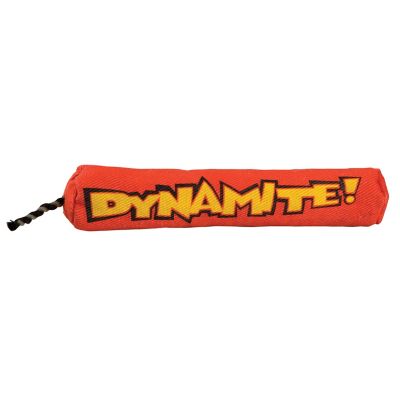
Food shaped cat toys bring a little extra personality to playtime, turning a familiar snack-inspired shape into something your cat can bat, chase, pounce on and carry around the house. These toys come in playful designs that may resemble treats, fish, baked goods or other kitchen favorites, giving them a fun look that fits right in with a cat’s curious nature. For many cats, the shape is only part of the appeal. Soft fabric, crinkly layers, dangling pieces, catnip or a satisfying size for grabbing can all make a toy more interesting. A toy that feels good under your cat’s paws may become a favorite for solo play, while a lightweight design can work well for tossing across a hallway or sliding over a smooth floor. If your cat likes to stalk from behind furniture, food-inspired toys can also add variety to short games of chase and pounce. They make cheerful gifts for cat owners, new pet parents and families looking for a small surprise for a feline companion, especially when paired with other everyday cat essentials. They can also be a handy choice for a shelter donation or a thoughtful add-on to a pet care package. During the warmer part of the year, a soft toy can give an indoor cat something engaging to do when outdoor activity is limited by heat, bugs or busy household routines. As cooler weather settles in and cats spend more time napping indoors, a few well-chosen toys can help break up long stretches of lounging and give them a familiar way to burn off energy.
When choosing food shaped cat toys, start with your cat’s play style and habits. A gentle cat that enjoys batting objects around may do well with a soft, flat toy that is easy to swat and scoop up. A more energetic cat may prefer a toy with movement, texture or an attached feature that encourages chasing. Size matters, too. The toy should be large enough that it is not easily swallowed, but still light enough for your cat to carry comfortably. Look closely at seams, stitching and any small parts before handing over a new toy. Remove loose threads, damaged pieces or decorations that could be pulled away, and check the toy regularly as your cat plays with it. No toy is indestructible, and enthusiastic chewers may wear through fabric faster than a cat who mostly bats and bunny-kicks. Supervise play with toys that include feathers, strings, ribbons or other attachments, and put those items away after the game is over. Toys filled with catnip can be a fun way to refresh interest, although cats respond differently; some roll, rub and pounce with plenty of enthusiasm, while others barely give catnip a second glance. Rotating a few toys instead of leaving every option on the floor can help keep playtime from feeling stale. Store extras in a clean, dry spot and wash fabric toys only as directed, since heat or rough cleaning may affect stuffing, texture or scent. If your cat has a habit of carrying toys to a food or water area, keep play items separate from feeding dishes and replace anything that becomes soiled or difficult to clean. For cats that enjoy working for their meals, food-shaped toys can be used alongside
Cat Slow Feeder Bowls as part of a broader routine that includes play, rest and enrichment without turning a toy into a substitute for proper feeding equipment.
Food shaped cat toys are also an easy way to make ordinary moments around the home feel more inviting for your pet. Keep one near a favorite window perch for a quick batting session, place another by a cat tree or scratching post, and use a familiar toy to encourage your cat toward a new bed, carrier or designated play area. A toy with a bright shape may be easier to spot beneath a sofa, while a plush, quiet design can suit nighttime homes where loud rolling toys are less welcome. If you have more than one cat, offer toys in different textures and spread play areas around the room so each cat has space to participate without crowding. Some cats enjoy a few minutes of interactive play before settling down for a nap, and a slow, low-to-the-ground movement can mimic the start-and-stop rhythm of a small animal moving through grass. Others would rather pounce on a toy tossed from a distance, then carry it off to a sunny patch on the floor. Follow your cat’s lead and keep sessions short enough to end on a positive note. A new toy can be especially useful during household changes, such as moving furniture, welcoming guests or adjusting to more time indoors, because familiar play can provide comfort when the surroundings feel different. For a gift, choose a durable-looking toy in a fun shape and add a simple note about rotating playthings and checking for wear. Whether it is tucked into a stocking, included with adoption supplies or given just because, a food shaped cat toy offers a small, affordable bit of fun that can brighten a cat’s day and give owners another way to share time with their four-legged companions.