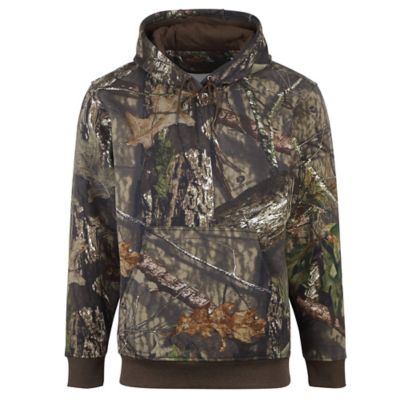
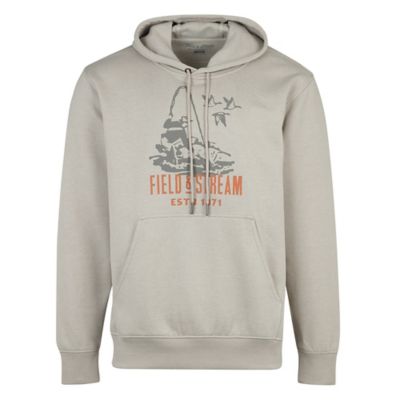
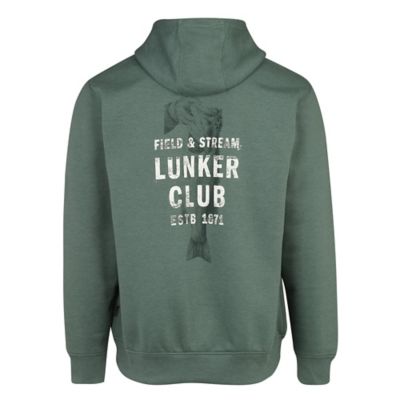
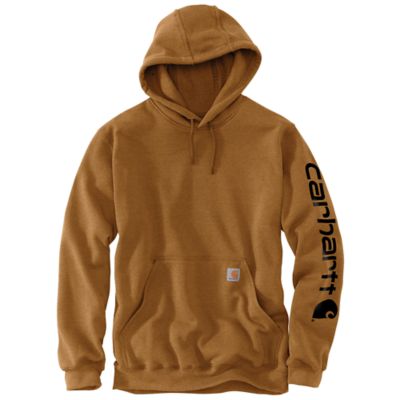
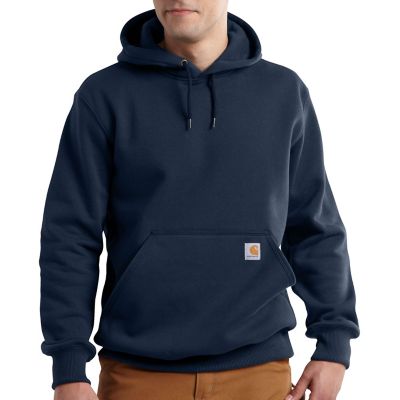
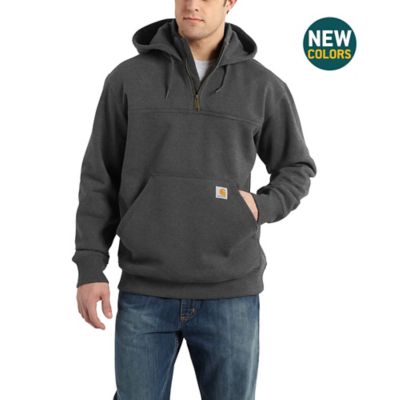
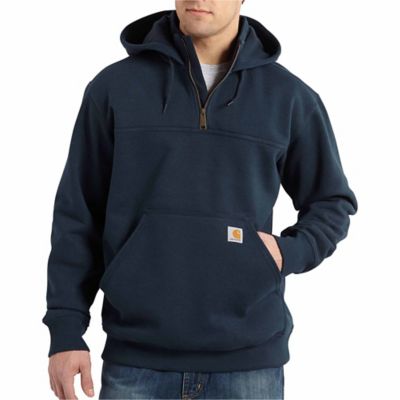
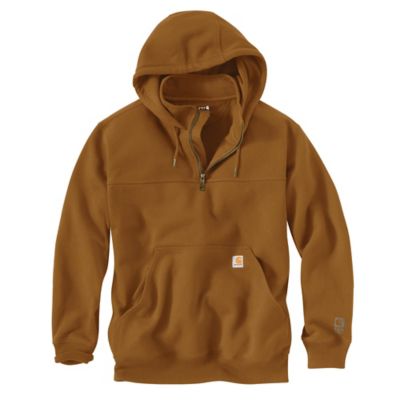
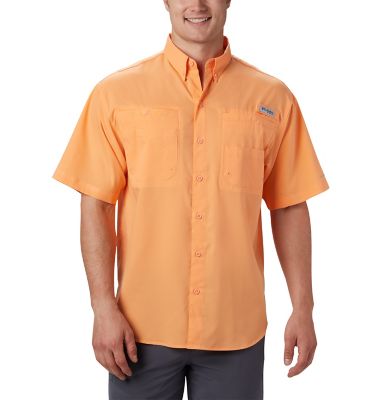
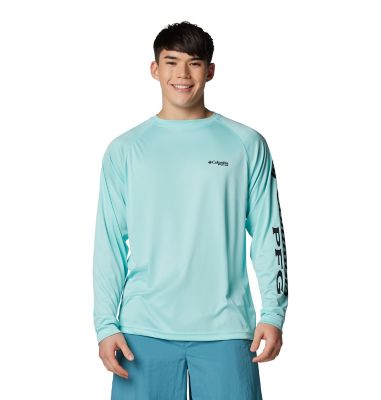
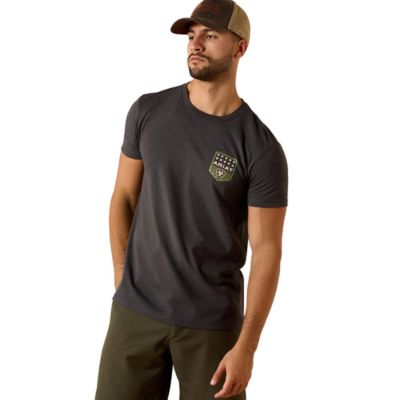
Fisherman aesthetic hoodies bring fishing-inspired artwork and an easygoing outdoor look to a familiar hooded sweatshirt. The style draws on life around lakes, rivers, docks, and working waterfronts, with details that can range from a small fish emblem to a full back print of an angler, lure, or shoreline scene. Trout, bass, sailfish, and other fish illustrations give the look a clear connection to the water without requiring a head-to-toe fishing outfit. Earthy greens, washed blues, grays, and neutral shades fit naturally with jeans, canvas pants, and everyday boots. A simple chest graphic keeps things understated, while larger artwork puts the fishing theme front and center. Some designs lean toward freshwater fishing and tackle-box imagery; others borrow from coastal life with boats, rope patterns, and nautical lettering. That range makes the style just as at home at a small-town diner as it is beside a tackle bench. Fabric makes a noticeable difference in how a hoodie feels and hangs. Cotton-rich knits generally have a soft, familiar feel, while cotton-polyester blends can offer shape retention and more readily release moisture than comparable all-cotton fabrics. Brushed fleece has a fuzzy inner surface, while French terry has small loops on the inside and usually feels less plush. Fabric weight matters, too: a heavier knit gives the garment more body, while a lighter knit tends to drape more easily and take up less room in a day bag. Neither construction tells the whole story on its own, since yarn, knit density, and finishing also affect the feel. For someone who spends time sorting tackle, visiting the feed store, or relaxing after a trip to the pond, the appeal is straightforward: a comfortable sweatshirt with artwork that reflects a favorite pastime. The best match depends on whether the wearer prefers a low-key nod to fishing or a graphic that tells the story from across the room.
Fit and construction deserve as much attention as the artwork on fisherman aesthetic hoodies. A regular fit generally follows the body without hugging it closely, while a relaxed or oversized cut leaves more room through the chest, shoulders, and sleeves. Size labels alone do not settle the fit, especially when a garment has dropped shoulders or a longer body. Chest measurements, sleeve length, and the size chart give a better sense of where the cuffs and hem will land. Someone reaching across a workbench or lifting a tackle bag will appreciate enough shoulder room to move without the whole sweatshirt pulling upward. A closer-fitting hem can keep the shape tidy, while a longer, looser body creates a more laid-back silhouette. Pullovers have a simple front and often feature a kangaroo pocket; zip-front hoodies open fully and make layering easier. Pocket openings should feel comfortable for the hands, and anything important, such as keys or a fishing license, is better kept in a secure pocket than an open pouch. Ribbed cuffs and hems help define the shape, and neatly finished seams support repeated wear. Reinforcement around pockets and stress points can matter for someone who reaches into those areas throughout the day. Hood size and drawcord placement also affect comfort, especially for wearers who prefer a cap beneath the hood. Loose cords need attention around hooks, reels, and moving equipment. A fishing-inspired sweatshirt is everyday clothing, not a substitute for protective workwear, a flotation device, or clothing with a stated sun-protection rating. Its intended use is usually casual wear, with enough freedom for ordinary tasks and time spent around the water. Paired with straight-leg jeans, it has a familiar country look; paired with utility pants or shorts, it reads more like practical off-duty fishing wear. The graphic can carry the theme without needing matching accessories or a full outfit built around it.
Care has a lot to do with how well a fisherman aesthetic hoodie keeps its shape, color, and artwork over time. The garment’s care label should take priority, since fiber blends, printed designs, embroidery, and trims do not all respond the same way to washing and drying. Turning a printed sweatshirt inside out can reduce rubbing against other clothing, and avoiding unnecessary high dryer heat can help limit shrinkage and stress on the print. Embroidered details may need extra attention around rough fasteners, while fleece benefits from washing alongside fabrics that will not leave excess lint or catch on its surface. A fishing trip can leave behind bait residue, dirt, or a fish odor even when a hoodie never leaves the dock, so prompt care matters more than letting it sit at the bottom of a gear bag. Stains are easier to address before they settle in, using a treatment suited to the fabric and following the label. Drying the garment fully before storing it helps keep the closet or duffel from taking on lingering odors. Heavy sweatshirts often sit better folded than stretched over a narrow hanger, particularly when the shoulders carry extra fabric. These everyday habits help preserve the details that make the hoodie appealing in the first place. For a gift, the most useful clues are the recipient’s favorite kind of fishing, preferred colors, and usual sweatshirt fit. A bass angler may connect with freshwater artwork, while someone who grew up around a harbor may favor boats or saltwater fish. An understated design suits a person who wears plain clothing most days; a larger illustration works for someone who enjoys showing off a favorite pastime. For another take on the same fishing-inspired look,
Fisherman Aesthetic Shirts offers a related clothing theme. A hoodie with a comfortable cut and meaningful artwork can become the sweatshirt someone reaches for before heading to the bait shop, checking on the pond, or settling in at home.