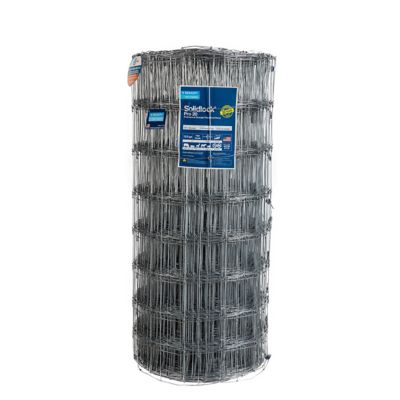
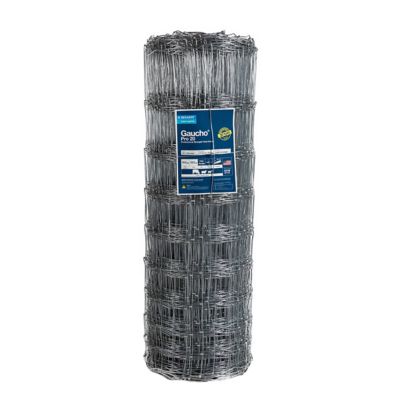
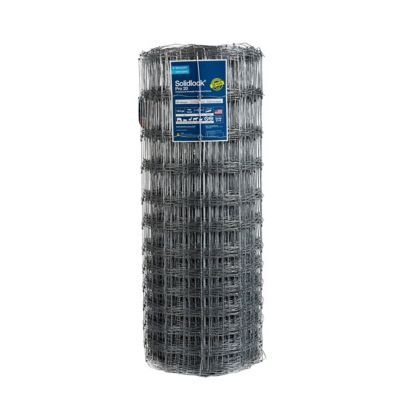
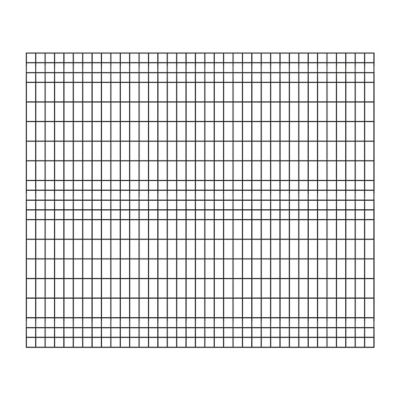
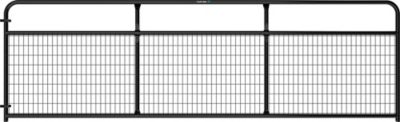
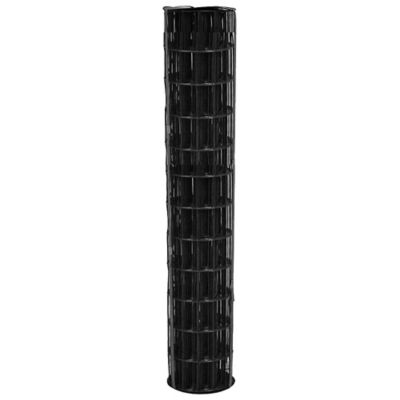
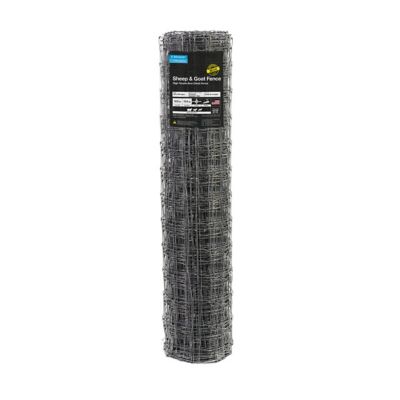
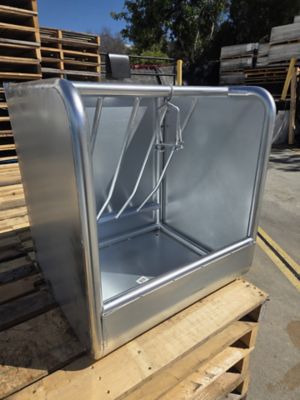
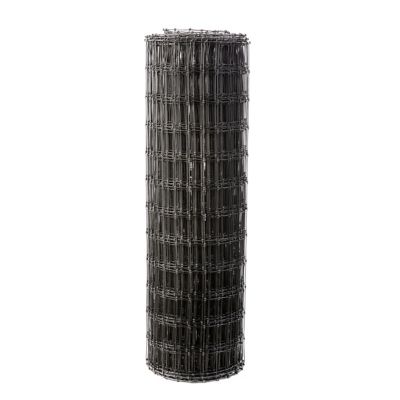
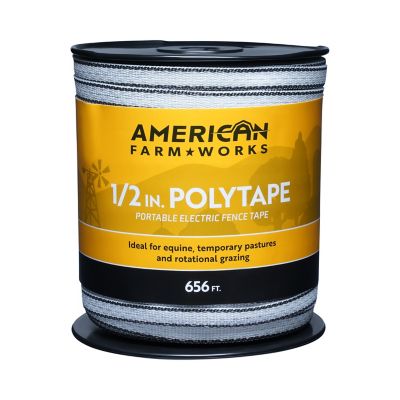
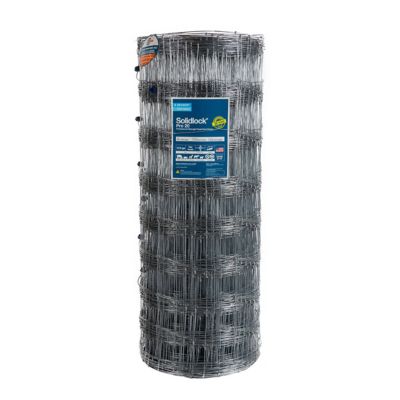
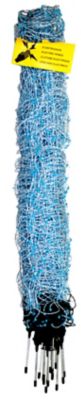
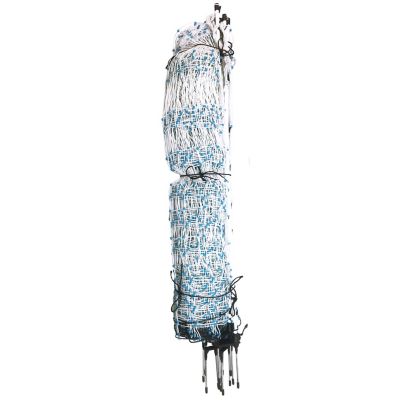
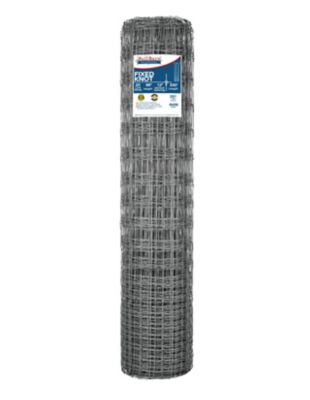
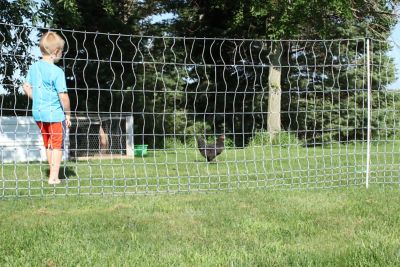
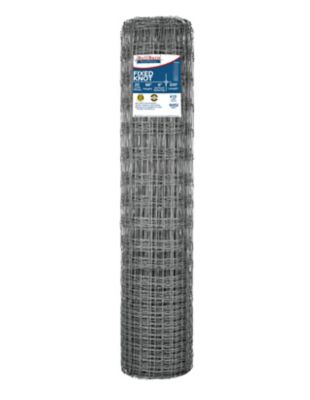
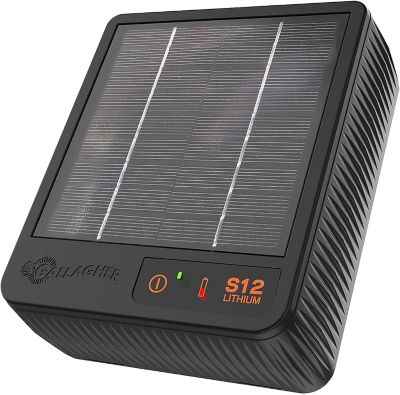
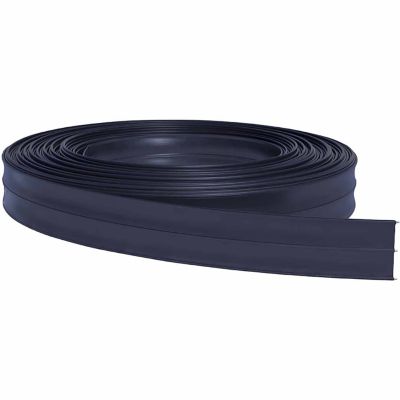
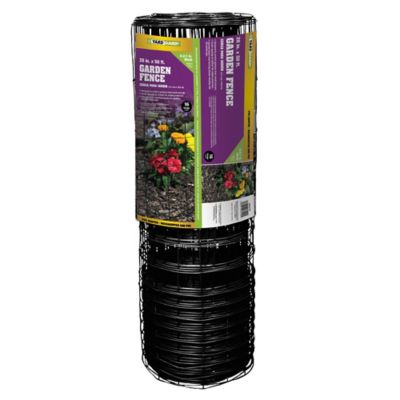
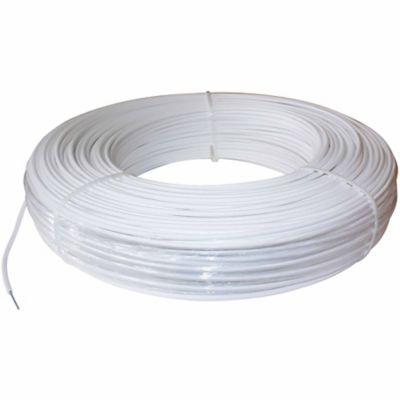
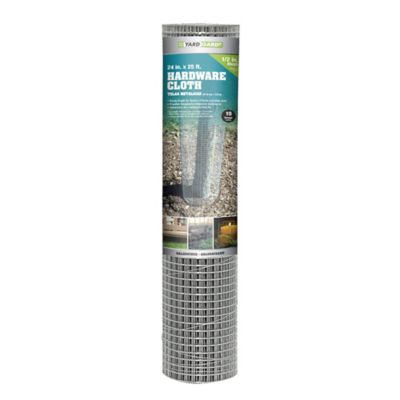
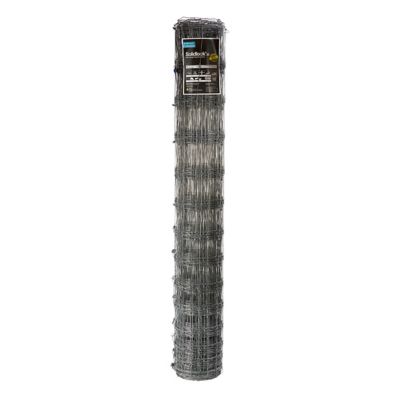
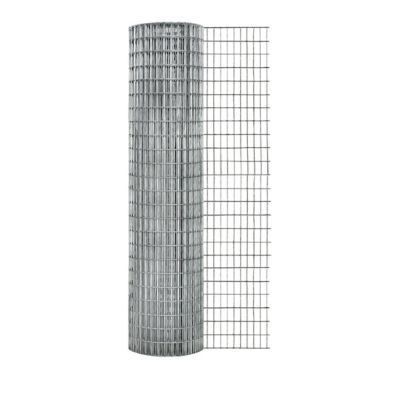
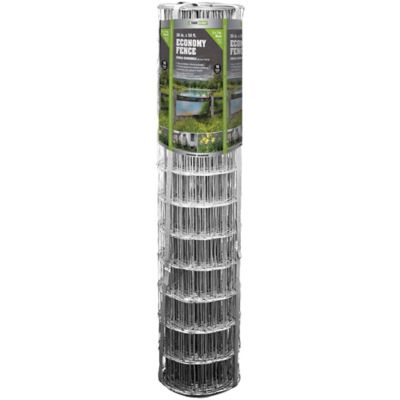
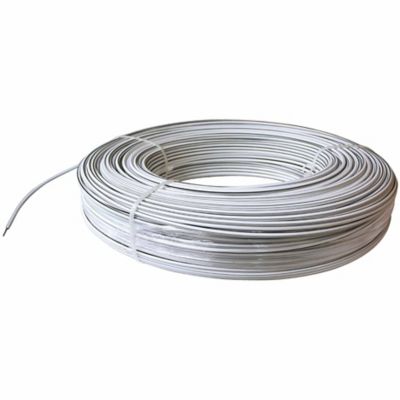
Fencing supplies for livestock help turn an open pasture, working lot, or small homestead into a safer, more manageable place for animals and people. The right setup depends on the kind of livestock you keep, the size and shape of the area, the ground conditions, and whether you need a permanent boundary or a fence that can be moved as grazing areas change. Woven wire fencing is a practical choice for sheep, goats, calves, and mixed livestock because the close mesh helps keep smaller animals from pushing through or slipping underneath. For larger cattle and broad perimeter lines, heavy-duty wire, barbed wire, or livestock panels can provide dependable containment when they are installed with sturdy posts and properly supported corners. Horses need special consideration because they can be injured by sharp edges, loose wire, or fencing that is hard to see, while goats are known for testing weak spots with their noses, horns, and hooves. Cattle may lean into a fence, rub against it, or push at a gate, so strength and bracing matter just as much as the fence material itself. Electric fencing can add a useful psychological barrier for cattle, horses, goats, and other livestock when paired with a suitable energizer, sound grounding, properly spaced conductors, and clear visibility. Solar-powered and plug-in charging options can suit different pasture layouts, while poly tape and poly rope are often easier to see than thin wire during temporary grazing setups. Before shopping, take a walk around the property and note low spots, wooded edges, drainage ditches, rocky soil, and places where animals already gather. A fence line that looks straight on paper may need extra posts, braces, or gates once it follows the actual land. It is also worth planning for access from the start. Gates should be wide enough for feed carts, tractors, trailers, and emergency equipment, with latches that are secure but easy to operate with a gloved hand. For more background on layout and animal protection, see
Farm Fences for Livestock Safety.
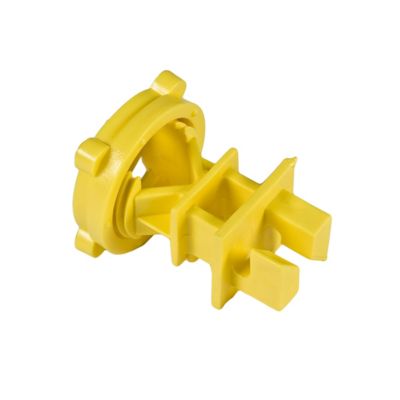
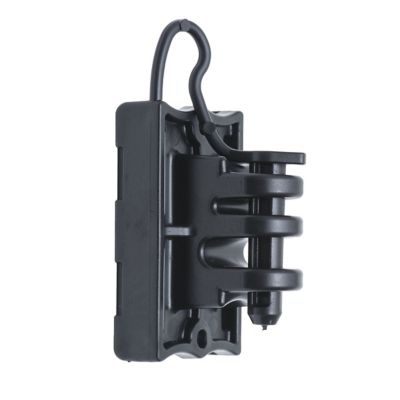
A complete livestock fencing setup usually takes more than rolls of wire or sections of panel. Posts provide the backbone, and the best choice can vary with soil, fence height, animal pressure, and how long the fence is expected to remain in place. Wood posts are useful for corners, gates, and other high-stress points, while steel T-posts can make long straight runs easier to install and adjust. Corner assemblies and H-braces help keep tension where fence lines change direction or where a gate creates extra strain. Insulators are important for electric fence systems because they keep energized wire from touching posts and bleeding off power. Tensioners, clips, ties, gate handles, and connecting hardware help create a clean, tight installation and make repairs less of a chore when weather, fallen limbs, or curious animals take their toll. Fencing tools can save a surprising amount of time, especially when a project stretches across uneven pasture. Fencing pliers are handy for cutting, twisting, and pulling wire; a post driver can make repeated installation easier; and a wire stretcher helps remove sag without overworking the fence. In cooler weather, check that gates are not dragging in soft ground, snow, or mud, and look for ice, windblown branches, and washed-out areas along the bottom edge. Before turning animals into a newly fenced space, inspect every connection and walk the full perimeter from an animal’s point of view. Look for openings under the fence, sharp wire ends, loose fasteners, leaning posts, and places where a calf, lamb, kid, or determined goat could become caught. Keep vegetation trimmed around electric fence lines, maintain good grounding, and use warning markers where people, pets, or equipment may cross. Landowners, cattle producers, horse owners, sheep and goat keepers, hobby farmers, and 4-H families can all benefit from having dependable fencing supplies on hand, whether they are building a new enclosure, dividing pasture, repairing storm damage, or preparing a holding area near the barn. Buying extra repair hardware is often worthwhile; a small supply kept in the barn can make it possible to handle a broken wire or loose post before animals find the opening. With thoughtful planning and solid materials, livestock fencing helps keep animals where they belong while making daily chores, pasture rotation, feeding, and property maintenance easier through the changing seasons.