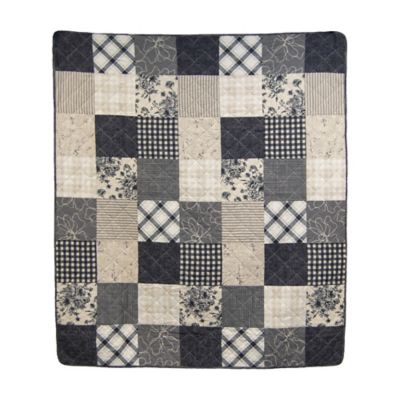
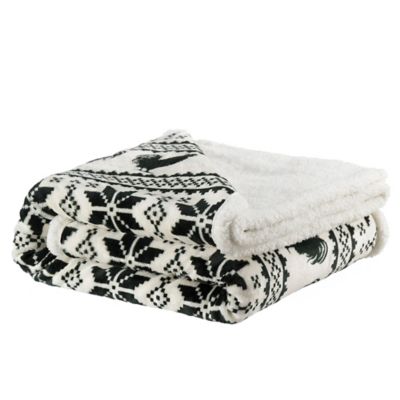
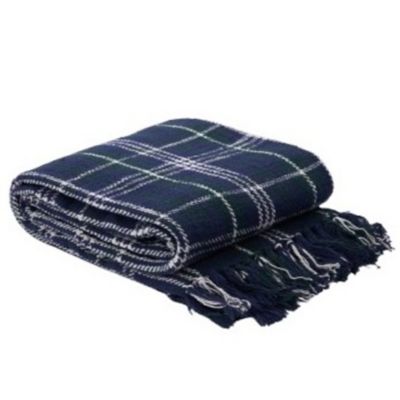
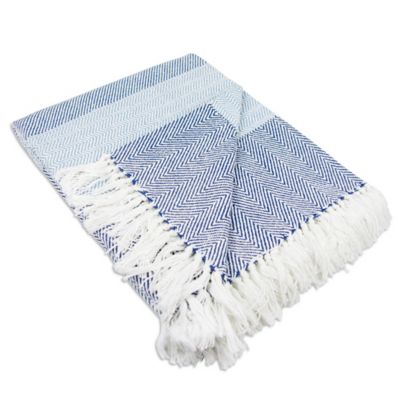
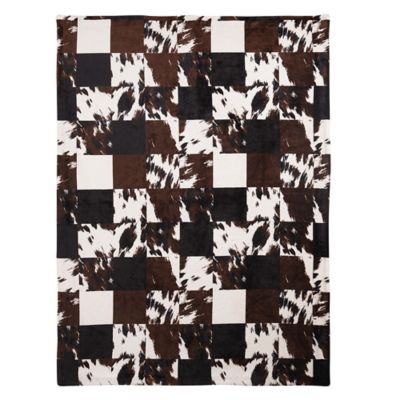
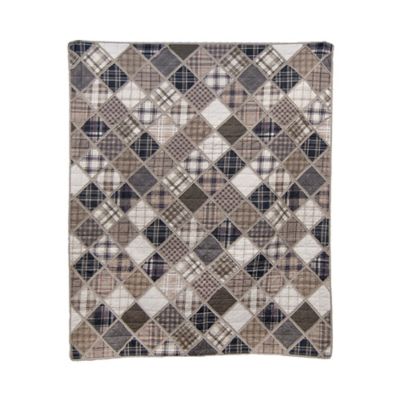
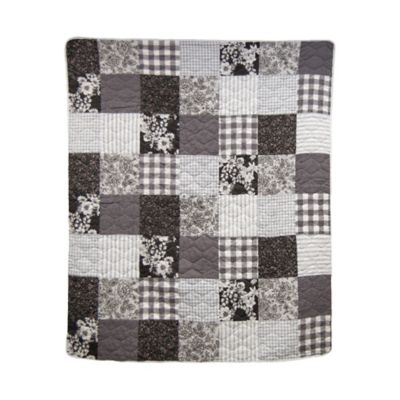
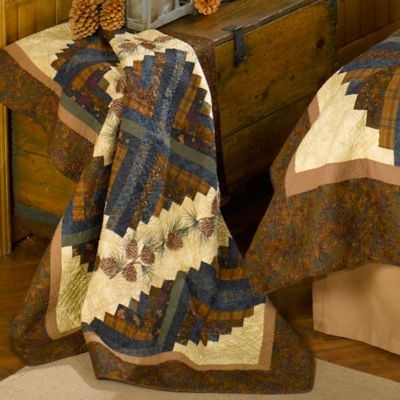
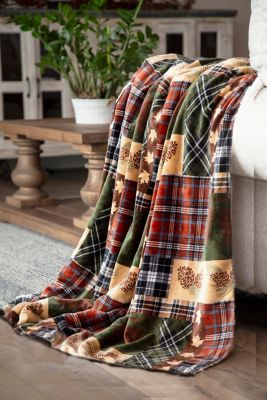
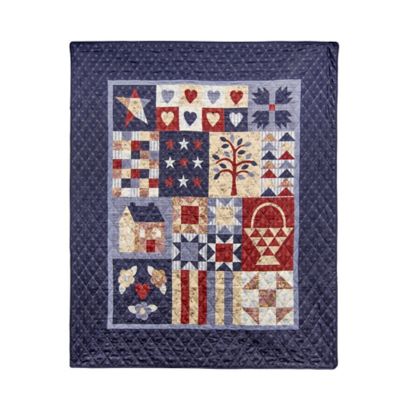
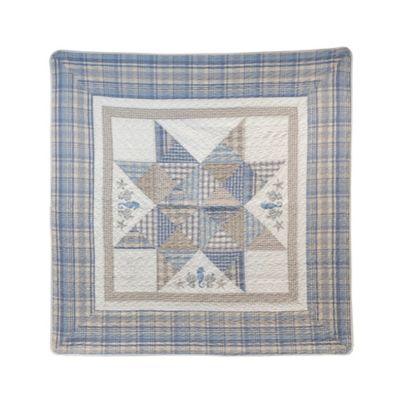
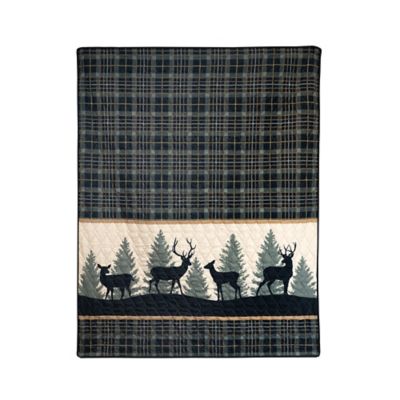
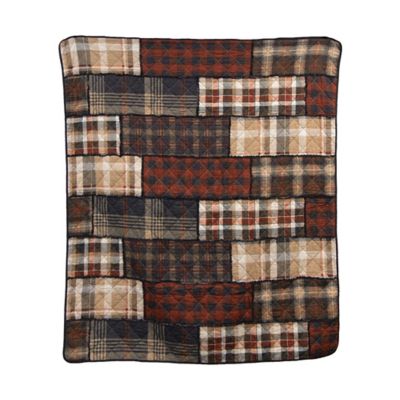
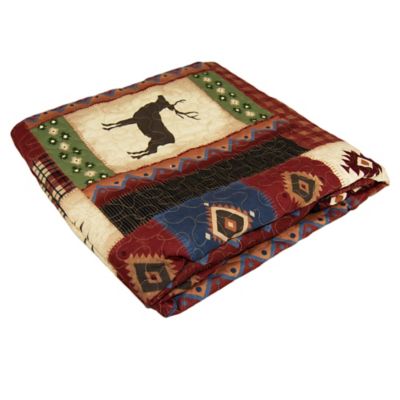
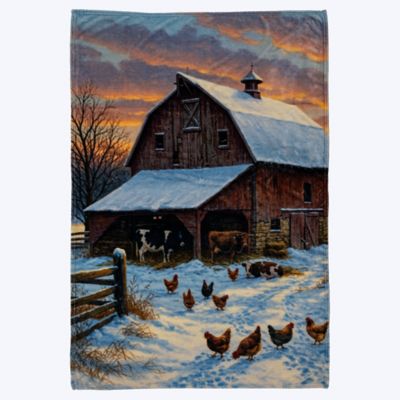
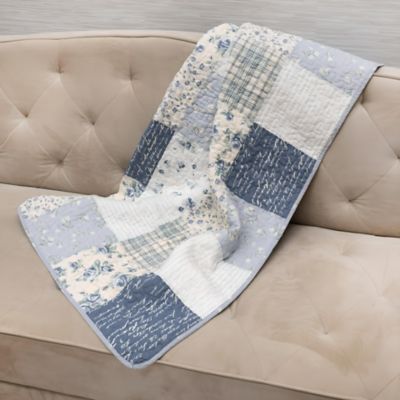
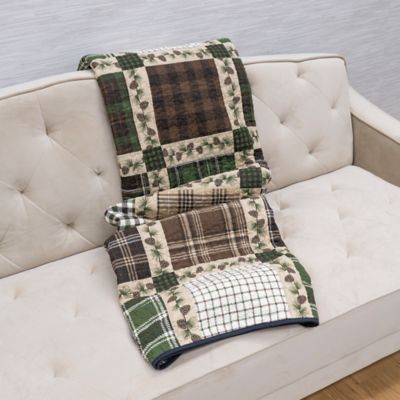
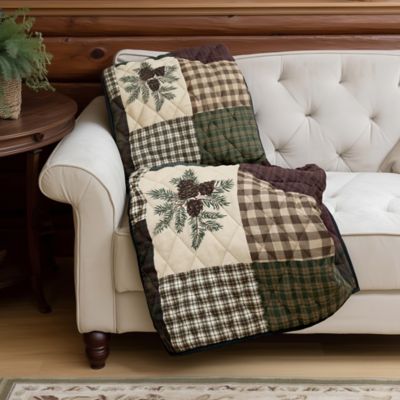
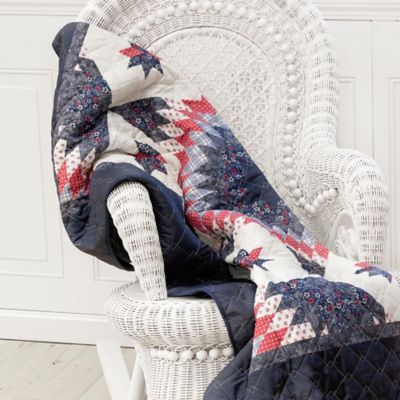
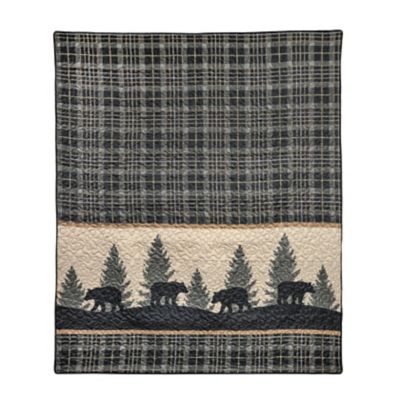
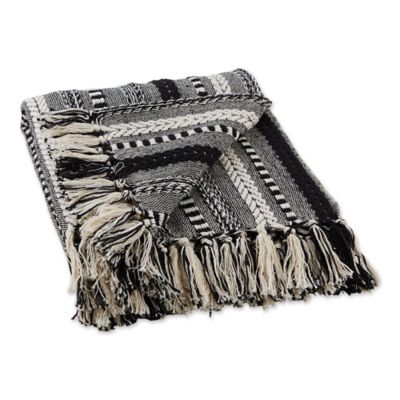
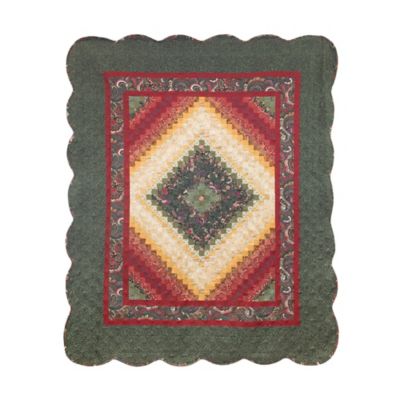
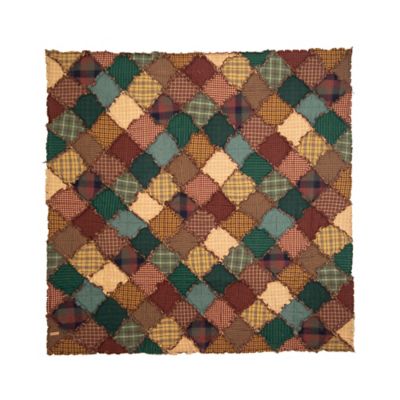
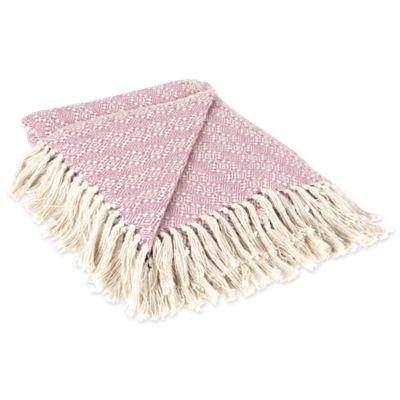
A farmhouse throw blanket brings an easygoing country feel to a couch, armchair, or the foot of a bed, with a size that’s handy for settling in without pulling out a full bed blanket. Common farmhouse patterns include buffalo check, plaid, stripes, and simple woven designs, while solid colors let texture do the talking. Cream, oatmeal, charcoal, muted blue, and earthy shades sit comfortably alongside wood furniture, painted cabinets, and familiar pieces collected over time. The look can lean crisp and simple or soft and lived-in, depending on the weave, pattern scale, and finishing details. A broad check makes a noticeable accent across a plain sofa, while a narrow stripe adds a quieter touch to a reading chair. Fringe, tassels, ribbing, and stitched edges bring different levels of texture without needing a busy print. Materials matter just as much as appearance because a blanket spends plenty of time against hands, arms, and clothing. Cotton throws often have a breathable feel and a clear woven texture, making them a good match for folks who prefer a less fluffy surface. Polyester fleece tends to feel soft and light, while plush fabrics offer a deeper pile that’s pleasant across the lap. Acrylic can provide a wool-like look with a different feel and care routine, and wool brings natural loft and insulation. Fiber blends combine characteristics, so the fiber label gives a better picture than appearance alone. Chenille describes a soft, fuzzy yarn construction rather than one particular fiber, which makes checking the material especially helpful. A farmhouse throw doesn’t need an elaborate pattern to fit the room. A plain woven blanket folded over a chair back can look right at home beside a pine table, a leather sofa, or a painted bench. Its everyday appeal comes from being both an accent and something people actually reach for: a soft layer for reading, watching a ballgame, or taking a little break after chores. That balance keeps the room welcoming rather than fussy.
Fit makes a difference even with a blanket that isn’t meant to cover an entire bed. Throw dimensions vary, and a compact size that sits neatly over an armchair may feel short for a taller person stretched out on the couch. A longer throw offers more coverage from shoulders to feet, while a smaller one can be easier to fold, carry between rooms, and tuck into a basket. Width matters for anyone who likes to wrap a blanket around the shoulders or share a corner with a child during story time. On a bed, a throw generally works as an extra layer or an accent across the lower portion rather than a replacement for bedding sized to the mattress. The way the fabric hangs also changes the look. A supple woven throw falls into loose folds over a sofa arm, while a thick knit has more body and takes up more room when folded. Smooth upholstery pairs nicely with nubby fabric, and a textured chair can look settled with a simpler blanket. Keeping one shared color between a throw, pillows, and a nearby rug helps a room feel pulled together without making every pattern match. Farmhouse throw blankets can also sit comfortably alongside
Farmhouse Decorations, especially when the colors and materials echo the wood, metal, and fabric already in the space. A black-and-cream check has a different presence from a soft oatmeal weave, even when both suit the same country setting. Pattern placement is worth noticing, too: a reversible design offers flexibility, while a contrasting back creates another look when a corner folds over. For a household with kids or pets, practical details carry extra weight. Long fringe can invite tugging, and open knits may catch on claws, belt hardware, or rough fingernails. A closer weave and tidy edge can be easier to live with where the couch sees steady traffic. The right fit is about the room and the people in it, not just how the blanket looks neatly folded.
Care requirements help determine whether a farmhouse throw blanket belongs on the busiest seat in the house or in a quieter guest room. The care label is the best place to check washing and drying directions, since fiber content, yarn construction, and trim can all affect the routine. Some throws allow machine washing, while others call for hand washing, dry cleaning, or laying flat to dry. A blanket that needs delicate handling may suit an occasional reading spot better than a family couch where snacks, muddy paws, and everyday spills are part of life. Machine washable does not automatically mean every wash setting is suitable; water settings, drying methods, and load size still matter. Enough room in the washer helps a blanket move freely, and following the drying directions can help limit shrinking, matting, and changes in shape. Fringe and loose yarns benefit from gentle handling, while hook-and-loop fasteners and exposed zippers in the same load can snag some surfaces. Pilling can develop where fabric rubs against clothing or upholstery, and a small amount of shedding may occur with certain yarns and finishes. Tight, even stitching, firmly attached trim, and edges that lie flat are useful details to look for when considering how a blanket will hold up to regular handling. Storage can stay simple: a clean, fully dry throw folds neatly over a chair or rests in a smooth-sided basket within easy reach. Keeping it off the floor helps reduce the dirt it picks up between washes. These practical considerations also make farmhouse throws thoughtful gifts for a housewarming, a wedding, or someone settling into a first apartment. A neutral color or familiar check can fit a range of rooms, while the recipient’s preferences for softness, weight, and laundry care help narrow the choice. Someone who enjoys a quiet book nook may appreciate a textured woven layer; a busy family may favor a throw that fits into the regular wash routine. A well-chosen blanket earns its place through everyday comfort, a manageable care routine, and a look that feels at home.