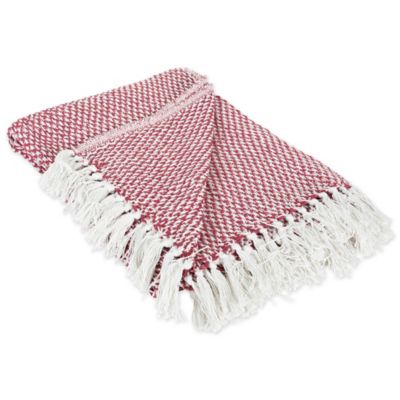
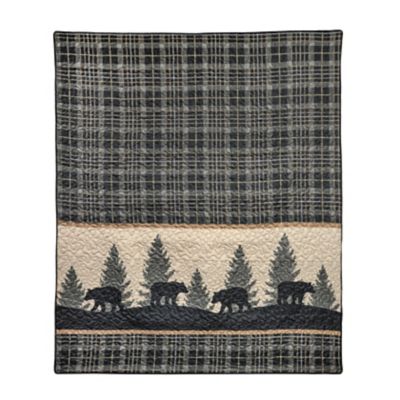
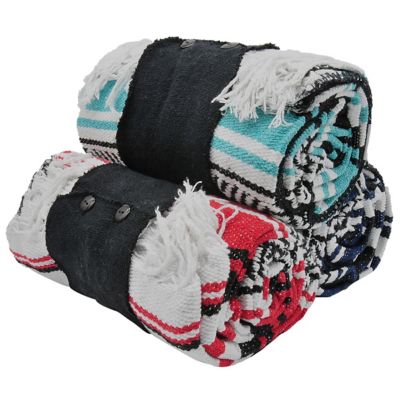
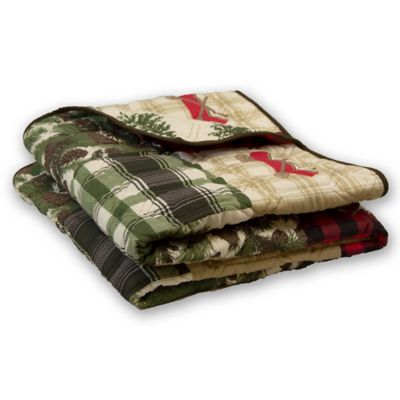
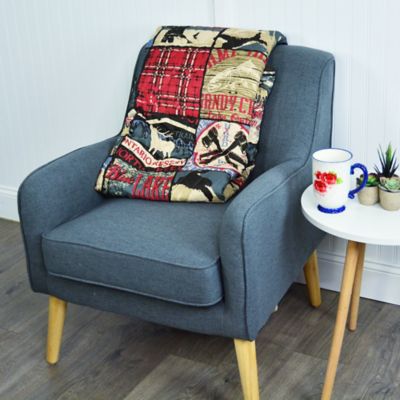
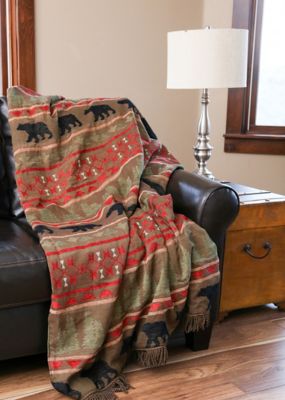
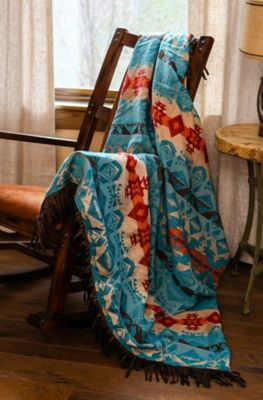
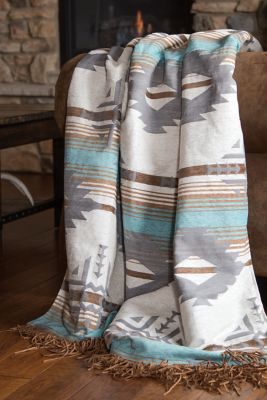
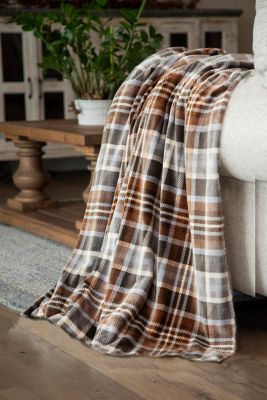
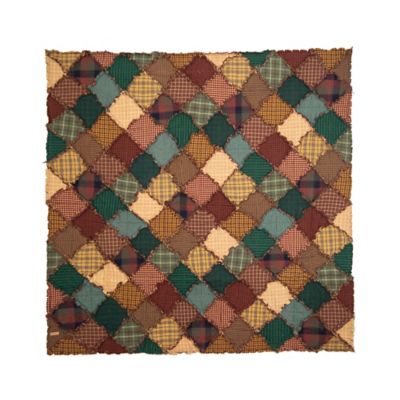
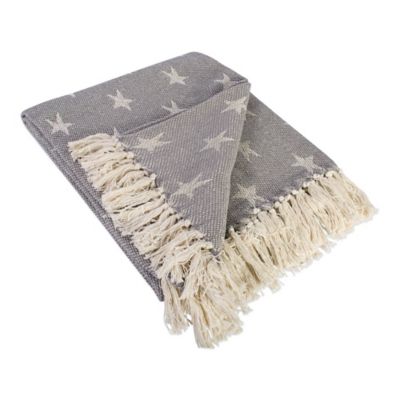
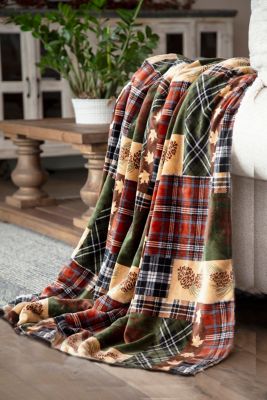
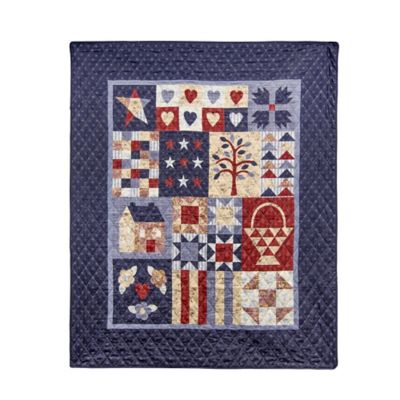
Woven throw blankets bring an extra layer of comfort to the places where folks settle in, whether that’s a favorite recliner after chores, the couch beside a sunny window, or a porch chair on a cool, dry evening. These blankets get their structure from lengthwise and crosswise yarns interlacing on a loom, creating fabric that can range from light and smooth to thick and richly textured. Unlike knitted blankets, which are formed from connected loops, woven throws generally have less stretch, though the fiber and weave affect how each blanket feels and drapes. Some have a simple, even surface, while others feature raised details, contrasting yarns, or patterns worked into the fabric. Jacquard weaving allows intricate designs to become part of the woven structure rather than relying on a surface print, although woven fabrics can also have printed designs. Tapestry-style throws often feature detailed woven imagery and a substantial feel that suits a couch back or reading chair. A woven pattern may look different on the reverse side, so both sides matter when a blanket will be folded over a chair arm or turned back across a bed. Checks, stripes, earth tones, and nature-inspired patterns can fit comfortably alongside wood furniture, leather seating, and well-loved quilts without making a room feel fussy. Fringe adds movement along an edge, while a hemmed border gives a neater outline; neither finish alone determines how well a blanket will hold together. The weave, yarn strength, and edge construction all play a part. During the cooler months, a throw offers a handy layer without the size and weight of a full bed blanket. It can warm a lap during a ballgame on television, cover shoulders while reading, or add a little comfort to a guest’s seat. That balance of texture, manageable size, and everyday usefulness makes woven throw blankets a natural fit for busy households, quiet cabins, and gathering spaces where everyone has a favorite spot.
Material makes a noticeable difference in how a woven throw blanket feels against the skin, how much warmth it provides, and how much attention it needs on laundry day. Cotton absorbs moisture and allows air to move through the fabric, making it a comfortable choice for people who prefer a less insulating layer. Anyone drawn to that familiar feel can explore a
cotton throw blanket for relaxing indoors or adding a light layer across the foot of a bed. Cotton throws still vary considerably: a loosely woven version may feel airy and flexible, while a closely woven one can have more weight and body. Wool offers insulation and can feel cozy in a chilly room, though softness varies by fiber and construction, and some people find certain wool fabrics scratchy against bare skin. Acrylic can provide a wool-like appearance with a different feel, while polyester and blended yarns may offer easier care or help a blanket retain its shape. No fiber name tells the whole story. Yarn thickness, weave density, finishing, and overall weight influence comfort, and a heavier blanket is not automatically the warmer choice. Fit matters just as much when the goal is to stretch out rather than simply cover a lap. A common throw size is about 50 by 60 inches, but dimensions vary, and taller adults may appreciate extra length for keeping shoulders and feet covered at the same time. A smaller throw can sit neatly on a chair without pooling on the floor, while a larger one gives two people more room to share on the couch. For a bed, a throw typically serves as an accent layer or extra foot covering rather than a replacement for bedding sized to the mattress. The right proportions also help keep fringe away from moving recliner parts and walkways. In a household with pets, a tighter weave and shorter trim may be more practical than open, loosely spaced yarns that can catch on claws. A soft, washable throw can also make a thoughtful housewarming or holiday gift, especially when its care needs and size suit the person receiving it.
Everyday care helps woven throw blankets stay inviting through evenings on the couch, visits from family, and the occasional trail of crumbs from a snack. The sewn-in care label is the best starting point because fibers, dyes, trims, and woven construction can call for different cleaning methods. Many cotton and synthetic throws permit machine washing, while some wool or intricate woven fabrics need hand washing or professional cleaning. When machine washing is allowed, cool water, mild detergent, and a gentle cycle can help limit stress on the yarns; the blanket also needs enough room in the washer to move freely. Rough laundry companions, including exposed zippers and hook-and-loop fasteners, can snag a textured surface or tangle fringe. Drying deserves the same attention. Low tumble heat may be suitable when the label permits it, but excessive heat can shrink some fibers or change the blanket’s shape. A water-heavy throw can stretch when hung, so drying flat may be the better choice for fabrics that need support. Bleach, ironing, and stain treatments should follow the label rather than a single rule for every material. Between washes, gently shaking out loose debris and tending to spills promptly can reduce the need for frequent laundering. Blotting a spill instead of scrubbing helps avoid roughing up the surface, and pulling a snag can make a small catch more noticeable. Throws that spend time on a covered porch should come back inside before dampness settles in; an indoor blanket is not automatically suited to rain or prolonged outdoor exposure. A basket beside the couch makes an easy resting place, provided the blanket is clean and completely dry before it goes away. For gifting, easy-care fabric, a comfortable weight, and colors that suit the recipient’s home often matter more than elaborate trim. Whether it’s headed to a first apartment, a farmhouse guest room, or the chair where someone takes off their boots at the end of the day, a well-chosen woven throw earns its place by being pleasant to reach for and simple to live with.