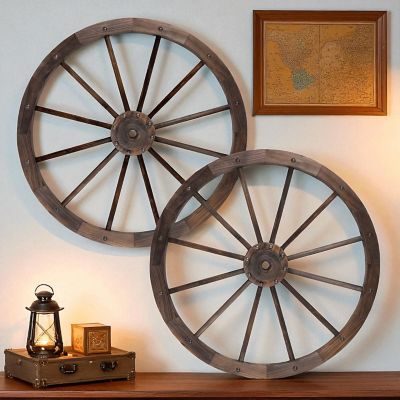
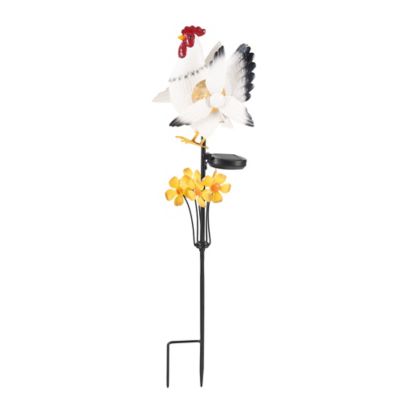
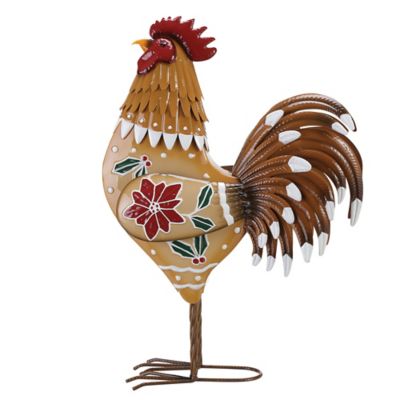
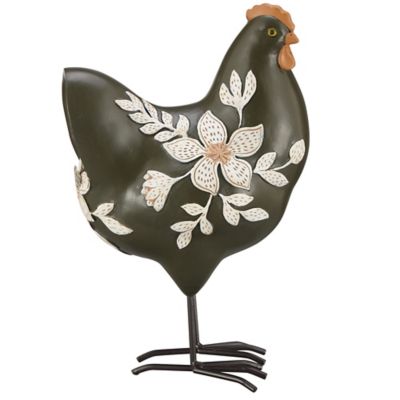
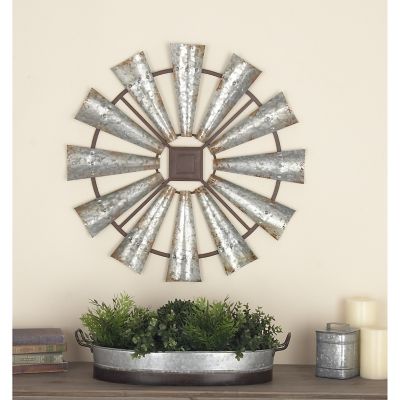
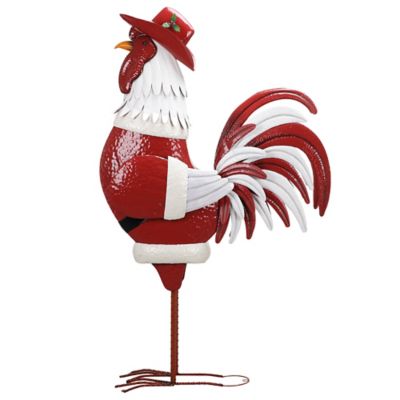
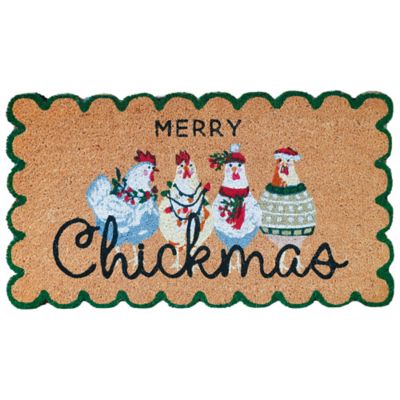
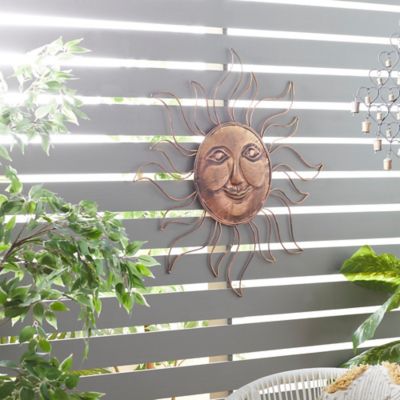
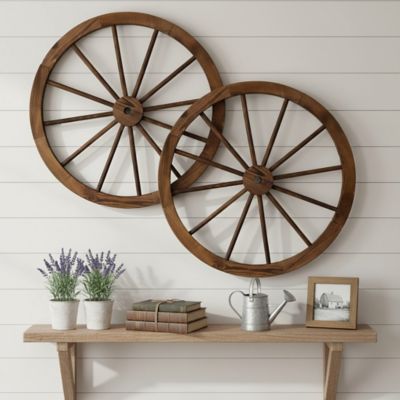
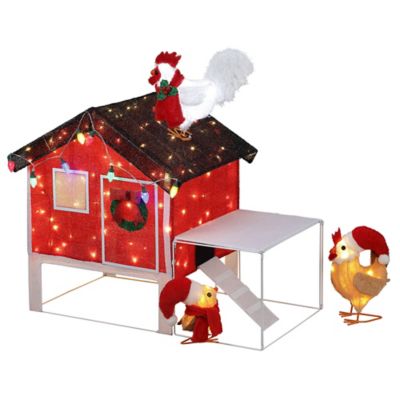
Farmhouse decorations blend rustic materials, comfortable textures, and practical country style to make a home feel welcoming without looking fussy. The look often pairs warm wood with soft shades of white, cream, beige, and gray, while black metal and darker finishes add a little contrast. Wood grain, woven fibers, and simple patterns give these accents their character, whether the setting is a working farmhouse, a small-town home, or a place with just a touch of country influence. Traditional farmhouse style leans toward natural textures, familiar farm imagery, and finishes that show variation. Modern farmhouse style keeps that warmth but brings in cleaner lines, fewer patterns, and more space between accents. Both approaches leave plenty of room for personal touches without making every surface feel crowded. Wall accents, tabletop pieces, and soft furnishings each contribute something different: wall pieces establish a focal point, smaller accents bring interest to shelves and counters, and textiles soften the harder edges of wood and metal. Cotton and linen offer a relaxed feel, while wicker and other woven materials add texture without needing a bold color. Wood can bring visible knots and grain into the mix; metal can introduce a smooth, brushed, or lightly distressed finish. Those differences matter more than having every piece match exactly. A pale wall with a dark accent can feel crisp and simple, while warm wood against cream creates a softer look. Muted green or blue can fit comfortably alongside those neutrals when a room needs a little color. Repeating one finish or color across a few areas helps the whole space feel connected. The result should suit everyday living, with enough character to feel settled and enough breathing room for meals, conversation, and the regular coming and going of a busy household.
Scale and placement make a big difference in how farmhouse home accents fit a room. A broad stretch of wall can carry a larger focal point, while a narrow space beside a doorway usually calls for something smaller and shallower. Measurements should account for the full frame, hanging hardware, and any part that projects from the wall, not just the central design. Above seating or a console, the relationship between the wall piece and the furniture below matters as much as the wall’s overall size. On a kitchen counter, farmhouse accents work best when there is still room to set down groceries, roll out dough, or pour coffee without moving everything first. A dining table needs similar breathing room, especially when it doubles as a spot for homework or sorting the mail. Lower tabletop arrangements leave sightlines open across the table, while a taller accent may feel more at home on a side surface. In an entryway, shallow profiles help keep a narrow passage clear, and securely mounted wall pieces stay out of the path of coats and bags. Homes with children or pets benefit from stable bases, secure attachments, and placements away from an easy bump or wagging tail. The back and bottom of an accent deserve attention, too: mounting points affect installation, and protective pads can help keep a hard base from scratching a finished surface. Wall weight and wall construction determine the right hanging hardware; a substantial wood or metal piece needs support suited to both. Textiles bring another kind of fit consideration, including whether their dimensions suit the intended surface and whether their care requirements make sense for daily household routines. Farmhouse style is rooted in a practical setting, so the strongest arrangements feel at home with the way a room actually works. A shelf can look pulled together without filling every inch, and a favorite wall accent can make a statement without competing with every other surface nearby.
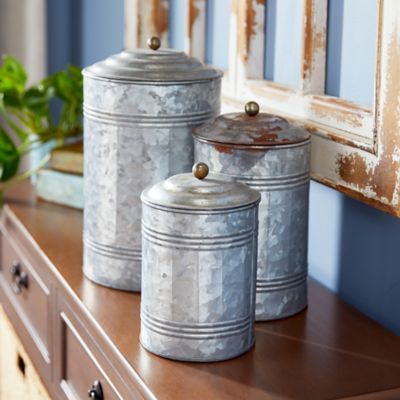
Materials and care details help farmhouse decorations keep their appeal through everyday life. Solid wood, wood composites, metal, glass, ceramic, and woven fibers have different needs, even when their colors and finishes look similar. Wood generally benefits from gentle dusting and prompt attention to spills, while prolonged dampness can affect some finishes and composite materials. Metal care depends on its coating; abrasive cleaners may scratch a painted surface or change the appearance of a brushed finish. Glass and ceramic require careful placement where they are less likely to be knocked over, and textured surfaces may need a soft brush to lift dust from small crevices. Washable textiles can make sense around frequently handled surfaces, but the care label matters more than appearance alone. Some fabrics tolerate machine washing, while others call for spot cleaning or a gentler approach. Construction details are worth considering alongside the finish, including secure joints, firmly attached hanging points, neatly finished edges, and a base that sits evenly. A distressed appearance describes the look of a piece, not its strength or its suitability for outdoor placement. Likewise, a rustic container is not necessarily intended for food contact, and a display accent should not be treated as serving ware unless its labeling says otherwise. For a smaller finishing touch,
Farmhouse Ornaments can bring country character to a hanging display without taking over the room. Farmhouse accents can also make thoughtful housewarming, wedding, or anniversary gifts, particularly when their colors and proportions suit the recipient’s home. A restrained finish or simple country motif is often easier to work into an existing room than a large statement piece. Whether the space belongs to a longtime farm family or someone who simply enjoys the country look, the lasting appeal comes from familiar materials, comfortable proportions, and details that feel natural alongside daily life.