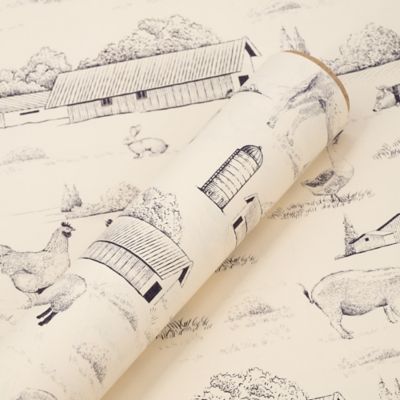
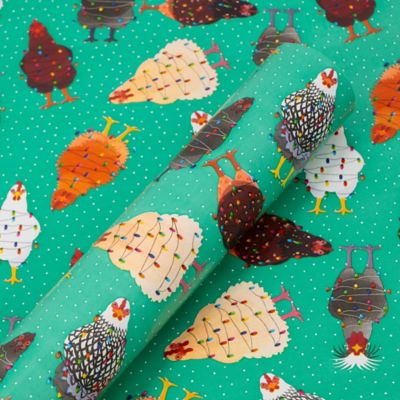
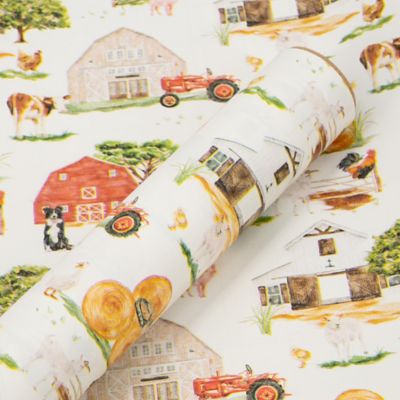
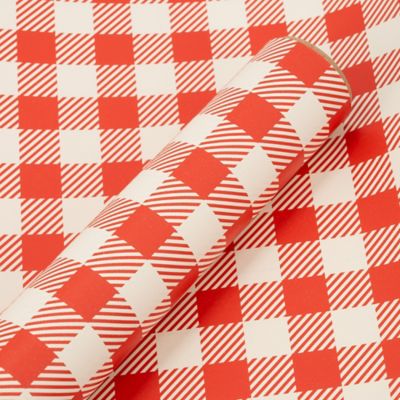
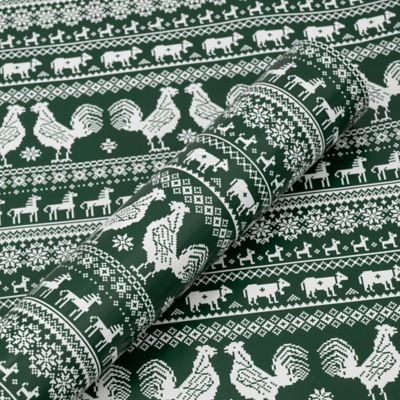
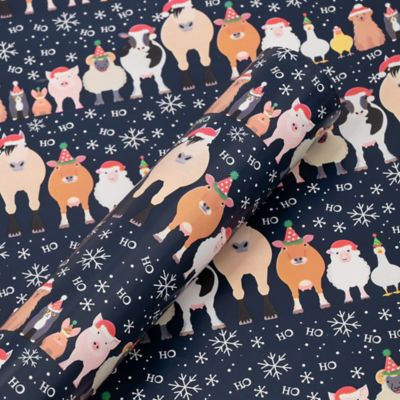
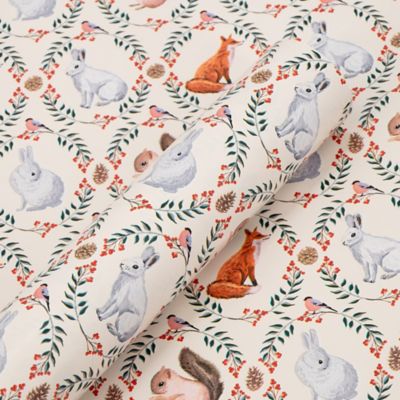
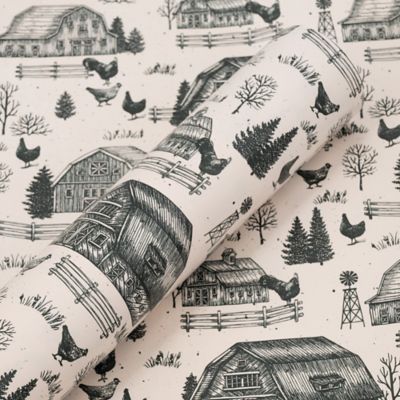
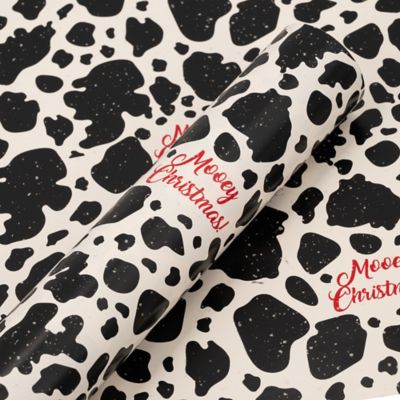
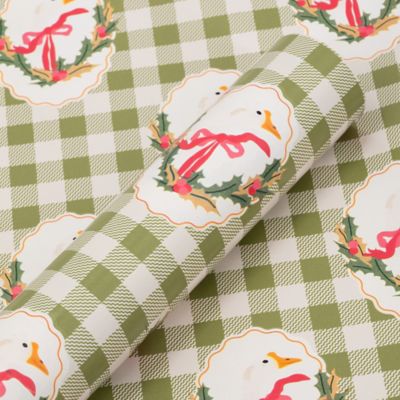
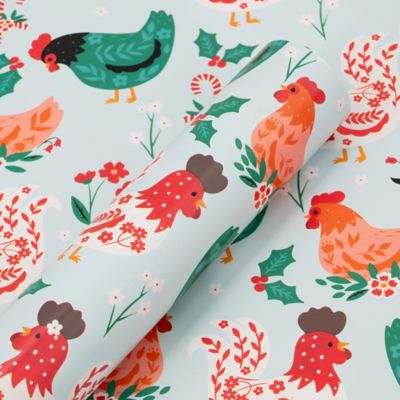
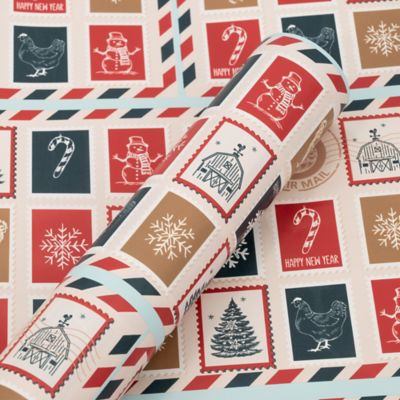
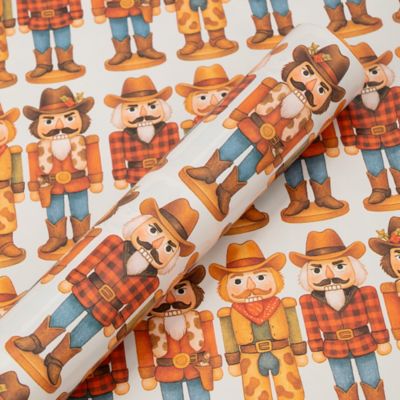
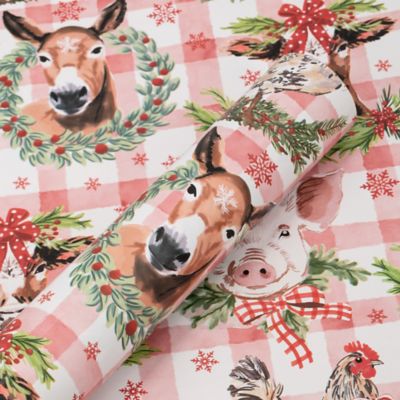
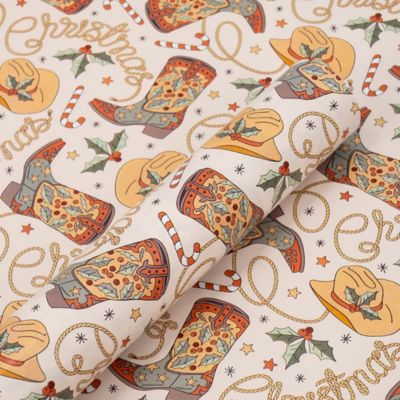
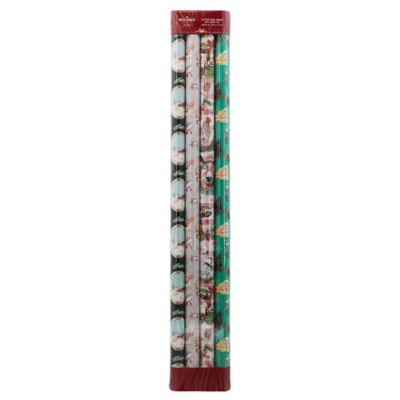
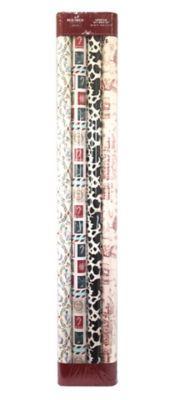
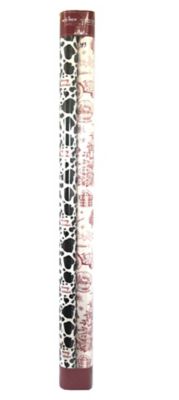
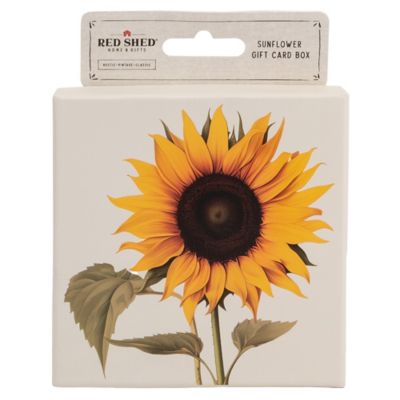
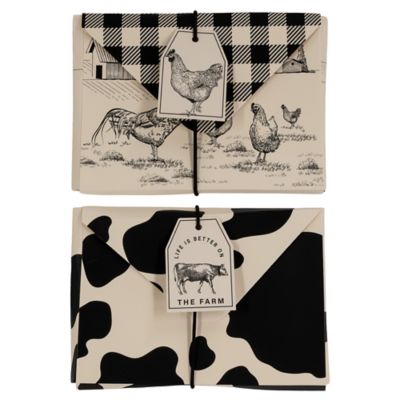
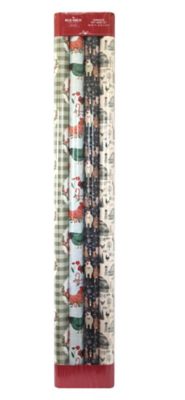
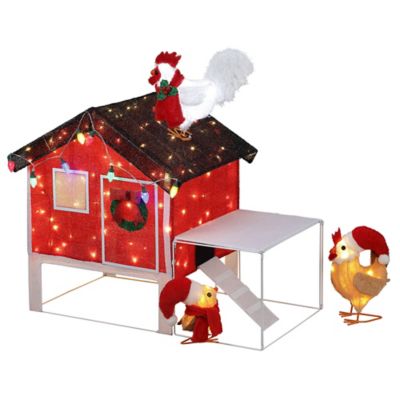
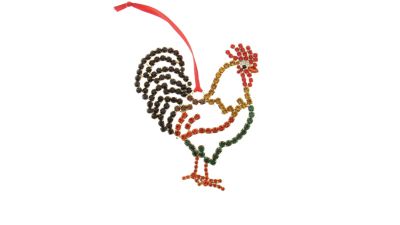
Farmhouse holiday gift wrap and packaging brings country-inspired colors, familiar farm scenes, and simple textures to Christmas presents and other holiday gifts. The look often pairs brown kraft paper, cream backgrounds, buffalo checks, and barnyard patterns with red, evergreen, or black accents. A package might bring to mind a red barn beside a snowy field, a favorite flannel shirt, or the neat rows of a patchwork quilt. That country character can feel right at home beneath a Christmas tree, on a farmhouse entry bench, or among gifts gathered for a family supper. Wrapping paper creates a close-fitting finish around boxed presents, while gift bags and boxes give soft, rounded, or awkwardly shaped gifts a tidy place to land. Tissue paper adds a light layer inside the package, and ribbon, cord, and gift tags help bring the whole presentation together. The appeal is less about making every package match and more about giving them a shared feeling: warm, welcoming, and ready for someone special. A restrained palette can tie together presents for grandparents, neighbors, teachers, or the folks who lend a hand around the farm without making each one look exactly alike. Farm animal illustrations add a playful note for animal lovers, while checks, stripes, and evergreen prints suit recipients who prefer a quieter style. Small-scale patterns tend to remain recognizable on compact packages, where a large barn scene might disappear around a fold. Larger boxes offer more room for broad checks and scenic prints to show. Solid paper also gives patterned ribbon or a clearly written tag space to stand out. For families exchanging gifts across several households, those visual differences can make packages easier to recognize at a glance. Farmhouse Christmas wrapping works especially well when the colors and textures feel connected to the recipient rather than dressed up beyond recognition.
Materials and package fit matter just as much as the pattern on the outside. Uncoated kraft paper has a matte surface and a straightforward, rustic appearance, though its thickness and resistance to tearing vary. Printed paper can range from lightweight sheets that fold easily around small boxes to heavier paper that gives broad surfaces a more substantial feel. Thin paper may reveal dark lettering underneath or split at sharp corners; heavier paper can take more effort to fold neatly around a little package. Glossy, metallic, and textured finishes behave differently with tape, so the surface finish is worth considering alongside the design. A clean, dry surface gives adhesive a better chance to hold, and a test on a scrap can reveal whether tape will lift the print. For wrapping paper, both width and total length affect how much a roll can cover. A long, narrow box needs enough paper to reach around its full shape, not just across the front. Gift bag dimensions deserve the same attention, including the depth of the base and the clearance beneath the handles. A bag that looks roomy from the front may still be too shallow for a broad gift. Boxes give clothing and other soft gifts a defined shape and help keep folds from collapsing when packages sit together. Tissue offers light cushioning and keeps contents out of sight, but it does not replace protective packing around something breakable. A present riding across town in a truck cab has different packaging needs from one staying beneath the tree. Fragile gifts need a firm outer container and enough cushioning to limit movement; wrapping paper alone provides little protection from bumps. For gifts that include food, packaging intended for direct food contact belongs between the food and outer wrapping materials. These practical details help a thoughtful package hold its shape from the wrapping table to the holiday gathering.
Finishing touches give farmhouse gift packaging its familiar, down-to-earth character without needing a crowded arrangement. Cotton ribbon makes a soft bow, while jute cord adds a coarser texture that suits plain paper and simple tags. Wide ribbon shows clearly against a busy print; narrow cord leaves more of a small pattern visible. A flat knot can be easier to stack and carry than a tall bow, especially when several presents share a tote for the ride to a family get-together. Tags with enough blank space for a name and short message help keep the giving personal and the sorting simple. Dark lettering on a light background is easier to read than a faint mark against a crowded pattern. For gifts headed to several homes, a consistent tag style can pull different papers and bags together without hiding who each package is for. The same country feel can carry through to
farmhouse gifts for the home, with wrapping that complements the present rather than competing with it. Keeping packaging in good shape before the celebration matters, too. Paper, tissue, and tags benefit from a dry storage spot away from damp floors and direct sunlight, which can wrinkle sheets or fade printed colors. Ribbon holds its shape better when it is not crushed beneath heavier supplies. After gifts are opened, sound boxes, bags, and fabric ribbon can be saved for another occasion, while paper recycling depends on the material and local collection rules. Foil layers, glitter, and plastic coatings can affect what a program accepts. Loose ribbon, cord, and small finishing pieces also belong out of reach of young children and pets. With sensible sizing, readable tags, and textures that feel at home in a country setting, farmhouse holiday gift wrap and packaging makes room for both a festive presentation and the everyday practicalities of getting a gift into someone’s hands.