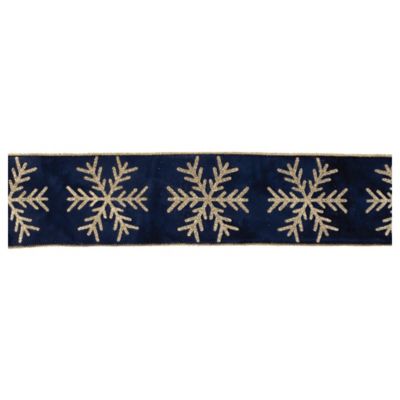
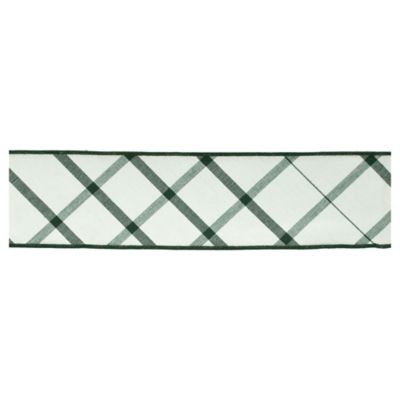
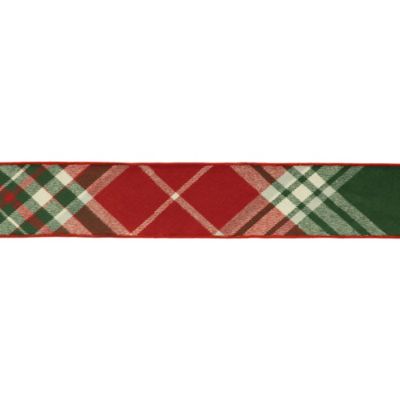
Farmhouse Christmas tree topper ribbon gives the top of the tree a finished look without taking away from its branches, lights, and ornaments. A generous bow with trailing ends feels right at home beside a stone fireplace, near a pine-paneled wall, or in the corner of a living room where muddy boots stop at the door. The farmhouse look leaves plenty of room for personal taste: cream and oatmeal shades bring a quiet touch, red adds familiar Christmas cheer, and black-and-white checks pick up the patterns often found on kitchen linens and country curtains. Texture matters just as much as color. Burlap and jute ribbons have a coarse, open weave that stands out against green needles, while woven cotton ribbons offer a softer appearance. Polyester ribbon can have a linen-like texture, a smooth finish, or a velvety face, giving shoppers different ways to balance rustic surroundings with a little holiday shine. The fiber content and construction are worth checking rather than judging by appearance alone, since two ribbons with a similar look may handle differently. An open weave may let tree lights show through, while a denser fabric creates a more solid band of color. Wired edges help broad loops hold their shape, especially on a full bow, while unwired ribbon tends to fall in softer folds. Neither style needs to match every ornament. A tree with wooden shapes, family keepsakes, and simple glass balls often looks more settled when the ribbon repeats one or two colors already in the room. Small checks and narrow stripes read differently up close than they do across the living room, so pattern scale is another useful consideration. A larger check stays visible on a tall tree, while a fine stripe adds detail without competing with ornaments. For a farmhouse setting, the appeal comes from that comfortable mix of texture, color, and a bow that looks at ease among the branches.
The right proportions depend on the tree, the room, and the shape of the topper. A wide, full bow can balance a broad tree with thick branches, but the same bow may overwhelm a slim tree tucked beside a doorway. Narrower ribbon and shorter tails can leave more room for ornaments on a tabletop tree or a smaller tree in a bedroom. Ceiling clearance matters, too; the highest loops need enough space to keep their shape instead of pressing against the ceiling. Ribbon width alone does not tell the whole story, because loop size, the number of layers, and the stiffness of the fabric all affect the finished silhouette. Pre-tied bows offer an established shape, while ribbon lengths allow more control over the fullness and drop of the tails. For either format, the attachment deserves a close look. A full bow needs support from sturdy upper branches rather than a single thin tip, and its fastening method should suit the tree’s construction. Real trees and artificial trees can have very different branch strength and spacing. Long tails can run down the front, fall along several sides, or stop near the upper branches, depending on how much ribbon belongs in the overall display. A tree standing in a front window benefits from a topper that looks finished from more than one angle. Double-faced ribbon can help when loops turn outward or tails twist, while ribbon with a printed front and plain back may call for a more deliberate arrangement. Finished edges also influence the appearance over time, especially where tails brush against branches or catch on ornament hooks. In a busy household, shorter tails may make more sense than long ends hanging within easy reach of a curious cat or a small child. The goal is a topper that sits securely, keeps the tree’s outline in balance, and leaves cherished ornaments visible.
Care and storage play a big part in keeping farmhouse Christmas tree topper ribbon looking presentable from one holiday gathering to the next. Fabric bows can collect dust while they sit above the room, and rough handling can flatten loops or kink the wire along their edges. Care directions should determine whether a ribbon can tolerate spot cleaning, brushing, or washing; a wired bow should not go into the washing machine unless its instructions specifically allow it. Natural fibers, printed finishes, and plush surfaces may react differently to moisture, so a light touch is sensible. Any ribbon that gets damp should dry fully before packing. A roomy container helps preserve the bow’s shape, and loose tissue tucked inside the loops can reduce crushing without forcing them open. Keeping the topper separate from ornament hooks and rough branches helps prevent snags. Ribbon intended for indoor display belongs away from rain and damp porch conditions unless its labeling allows outdoor use, and all ribbon should stay clear of candles, fireplaces, and other heat sources. Beyond practical care, the topper can help connect the tree to the rest of the room. A checked bow might echo a chair cushion, while a cream ribbon can pick up the color of a mantel stocking or a woven basket. Coordinating
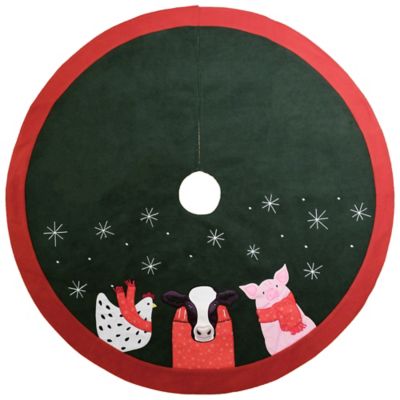
Christmas Tree Skirts For Farmhouse can carry those same colors and textures down to the base without making every detail identical. A simple skirt gives a patterned topper room to stand out, while a textured skirt can add interest beneath a quieter bow. For someone setting up a first Christmas tree, moving into a country home, or taking over a family holiday gathering, a ribbon topper can also make a thoughtful gift when the tree’s size and the recipient’s taste are known. The best fit feels natural in the home, whether the tree holds generations of keepsakes or just a handful of carefully chosen ornaments.