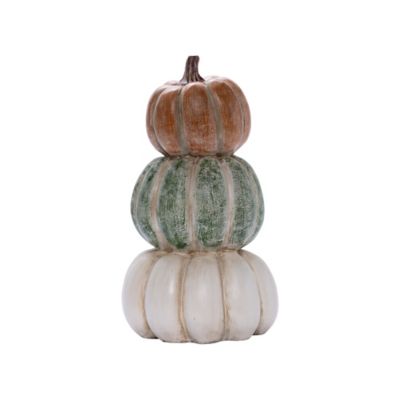
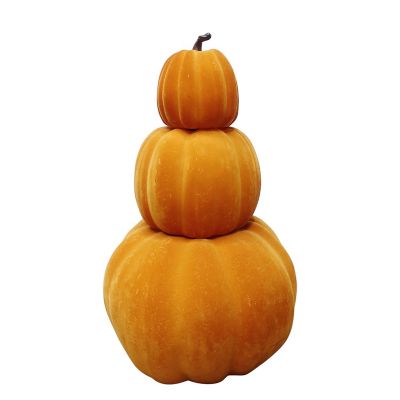
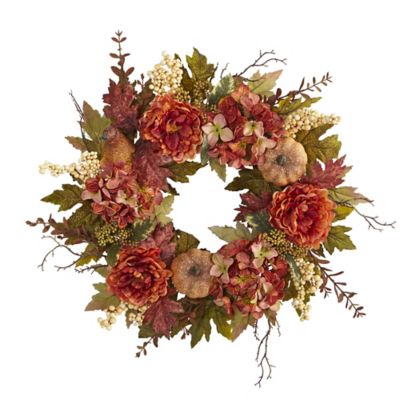
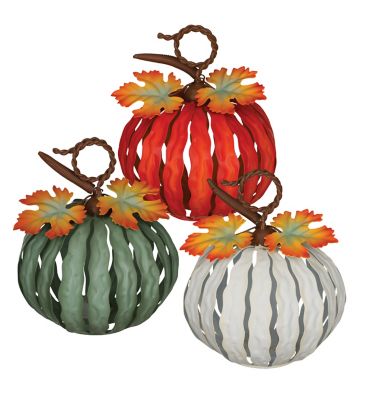
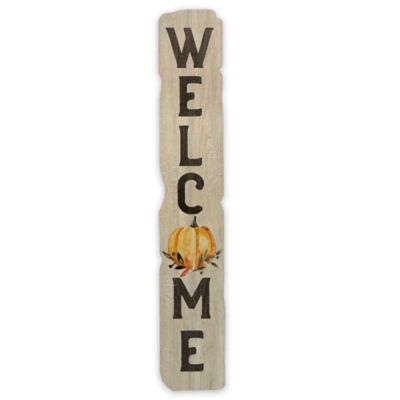
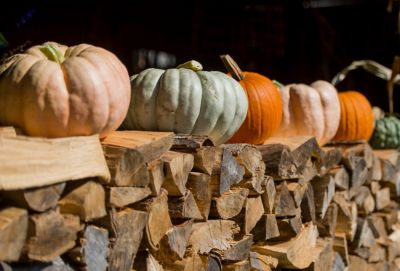
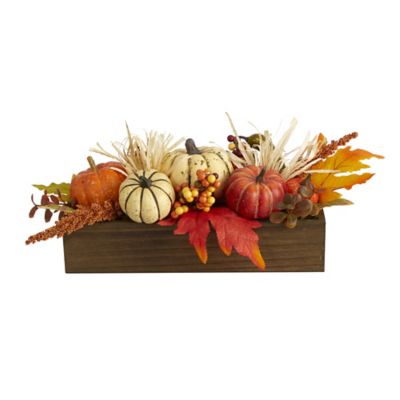
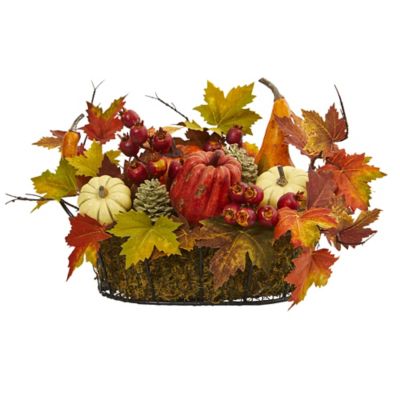
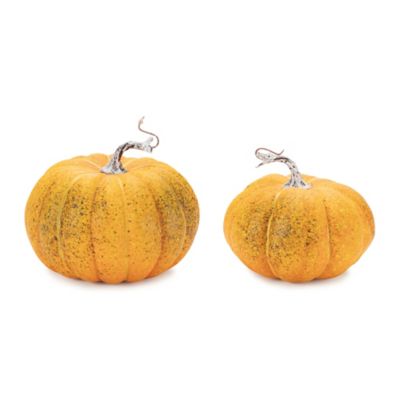
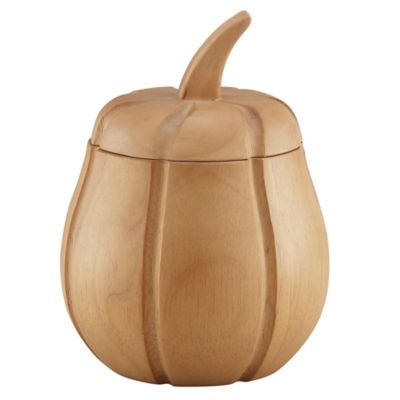
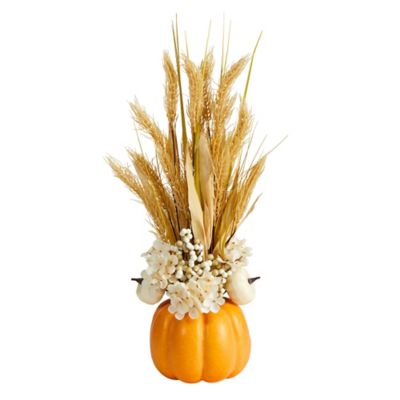
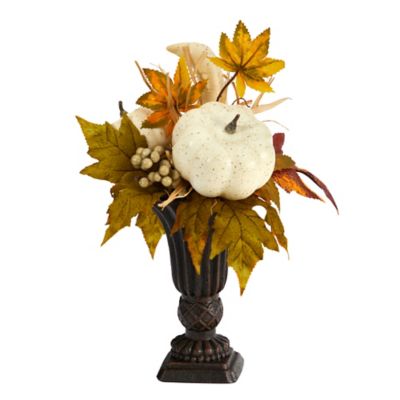
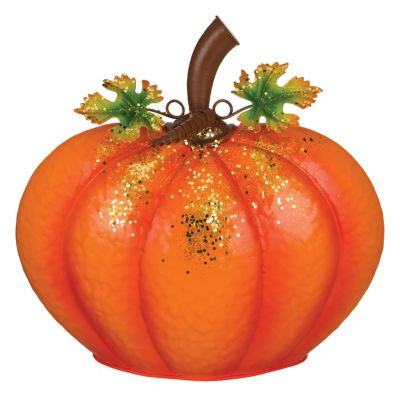
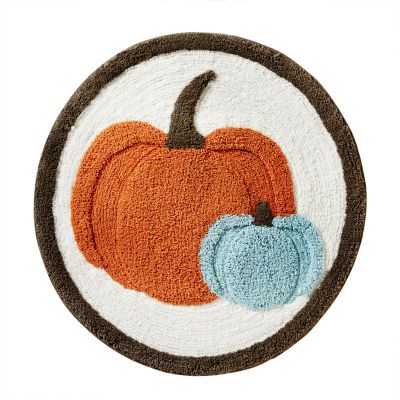
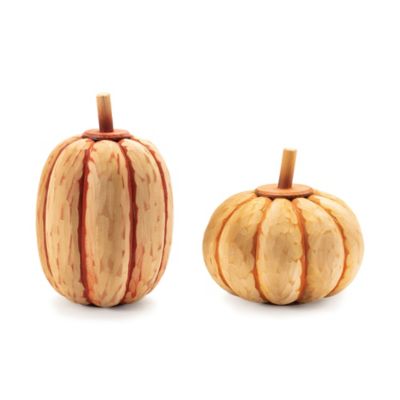
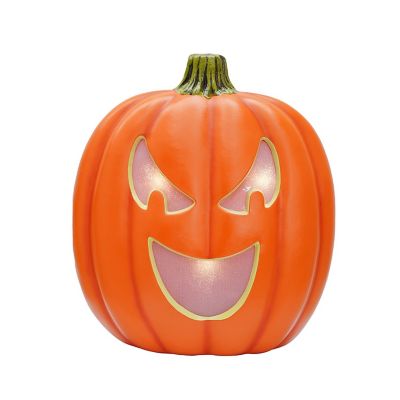
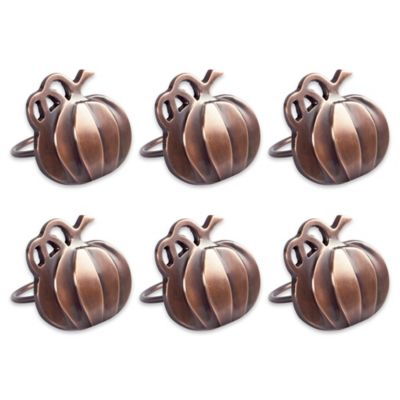
Fall pumpkin decorations bring harvest color and familiar farmstand shapes to porches, entryways, tables, and mantels. From classic orange to soft cream, muted green, and warm brown, pumpkin accents can suit a farmhouse kitchen just as comfortably as a simple front stoop. Their rounded shapes work well alongside wood furniture, woven baskets, galvanized metal, and everyday pottery, so a seasonal display doesn’t have to feel separate from the rest of the house. Materials make a difference in both appearance and placement. Ceramic and glass pumpkins have a smooth finish that catches light on a dining table or shelf, while fabric pumpkins bring a softer touch to a sitting room or bedroom. Wood adds visible grain and a natural connection to harvest surroundings; metal can offer crisp outlines, cutout details, or a weathered-looking finish. Smooth surfaces tend to look more polished, while ribbed shapes and textured finishes give a display more depth. Color also helps set the mood: bright orange feels right alongside Halloween accents, while cream and earthy shades carry comfortably into Thanksgiving gatherings. Size matters as much as color. A broad pumpkin can anchor the center of a long table, but a lower profile leaves room for conversation across place settings. Smaller accents fit narrow shelves and kitchen windowsills without crowding everyday essentials. On a mantel, differences in height keep a row of pumpkins from looking flat, provided each piece has a stable base and stays clear of heat. A grouping beside a wooden bowl or basket can feel settled and homey without covering every inch of the surface. For busy households, a few well-placed accents often make more sense than a crowded arrangement that competes with homework, serving dishes, and the daily mail. The best fit is a pumpkin display that suits the space, leaves useful surfaces open, and feels at home with the furniture already there.
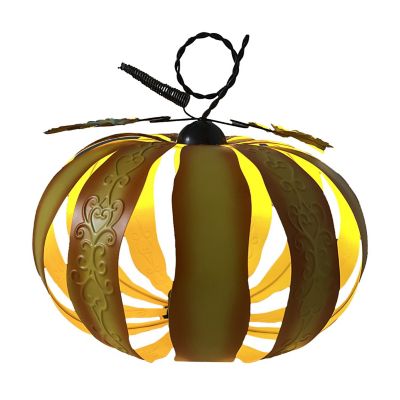
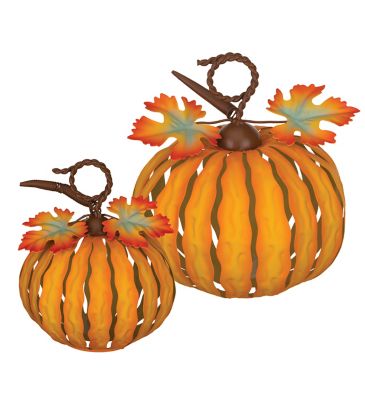
Outdoor pumpkin decorations call for a closer look at construction, finish, and intended use. A pumpkin that looks substantial may be hollow and fairly light, while a smaller ceramic piece may weigh more than expected. That difference matters on a porch where a gust can move an accent toward the steps. A wide, level base helps a freestanding piece sit securely, and taller shapes need enough room that they won’t interfere with the door swing or a handrail. Resin and molded plastic can capture deep ribs and detailed stems, while metal offers a different look through shaped panels, open silhouettes, and painted surfaces. Material alone doesn’t establish whether a piece belongs outside; the product’s indoor or outdoor designation and care directions are the better reference. A covered porch still gets windblown rain, damp air, and sunlight, so shelter doesn’t take the place of an outdoor rating. Painted finishes may need protection from scratches, and porous materials can take in moisture if their surfaces aren’t sealed for that setting. On open steps or near a walkway, placement should leave a clear route for boots, grocery bags, and guests arriving after dark. Pumpkin-shaped lighting adds another consideration: electrical components, cords, and battery compartments need the appropriate rating for their location. A soft glow can make an entry feel welcoming without the open flame of a candle, but cords still belong away from walking paths, and lights need to stay clear of dry leaves and other flammable materials. Hanging pumpkin accents also need to fit the space between the door and storm door, with hardware suited to their weight and the mounting surface. Around a working farmhouse entry, practical details count. A seasonal accent should leave room for the boot tray, avoid the path to the mailbox, and sit where pets or children won’t easily knock it over. Those details help a porch look inviting while still doing its everyday job.
Pumpkin accents can carry a home through several fall occasions without calling for a whole new arrangement each time. Jack-o’-lantern faces lean toward Halloween, while plain pumpkin shapes, leaves, and harvest colors suit a broader stretch of the season. For meals with family and friends,
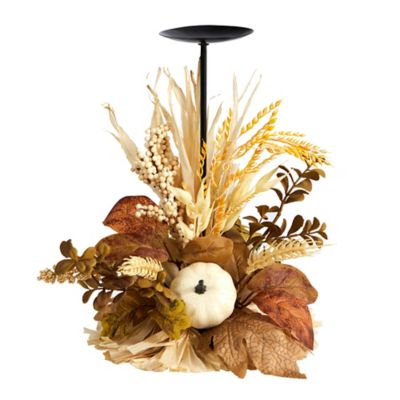
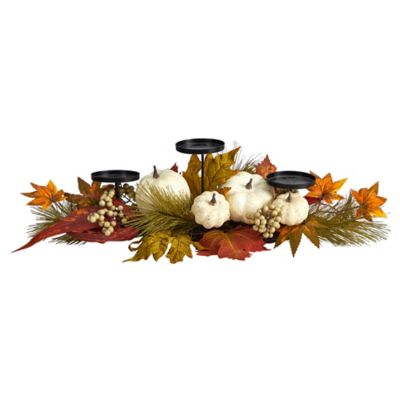
Thanksgiving pumpkin decorations fit naturally around a harvest table, on a sideboard, or near the entry where guests leave their coats. Low accents keep sightlines open, and a separate serving surface leaves more room for platters passed around the table. Unless a pumpkin piece is specifically labeled for food contact, it belongs beside the food rather than underneath it or inside a serving dish. Homes with curious pets or young children may benefit from soft materials and fewer breakable accents within reach; small attachments and loose pieces still deserve attention. Pumpkin-themed accents can also make thoughtful host or housewarming gifts for someone who enjoys fall gatherings, especially when the size and colors suit their home. A modest footprint is helpful for a recipient with limited shelf space or seasonal storage. Care needs vary by material and finish, so the label should guide cleaning. Many hard surfaces need only gentle dusting or a lightly damp cloth, while fabric may call for spot cleaning rather than a wash cycle. Rough scrubbers and strong cleaners can damage paint, printed details, and surface coatings. Before storage, pieces should be clean and completely dry, with glass and ceramic separated by padding and delicate stems protected from pressure. Soft pumpkins benefit from a little breathing room rather than being crushed beneath heavier belongings. For battery-powered accents, follow the manufacturer’s directions for extended storage and battery removal. With sensible placement and material-appropriate care, fall pumpkin decorations can become familiar seasonal favorites, ready to bring harvest color back to the porch or table when the occasion comes around again.