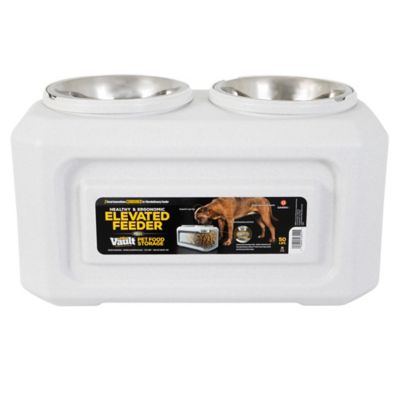
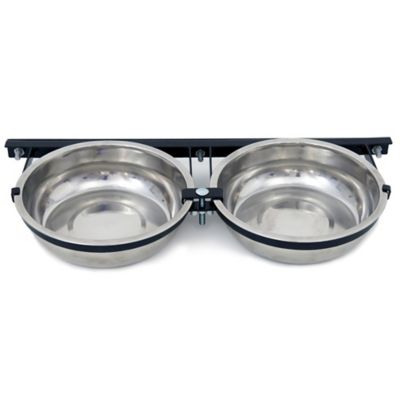
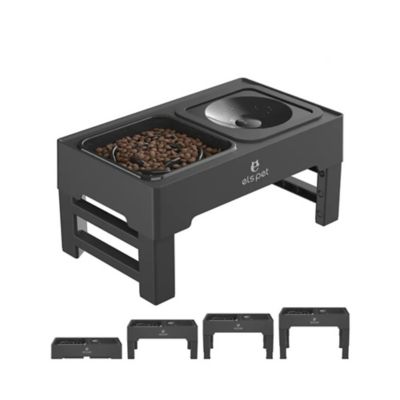
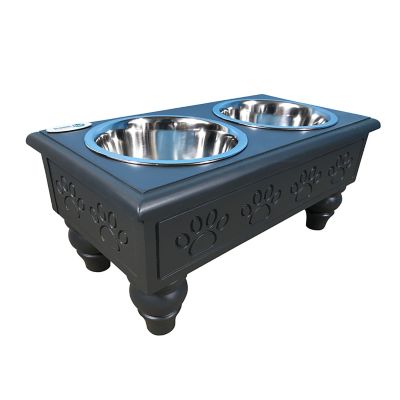
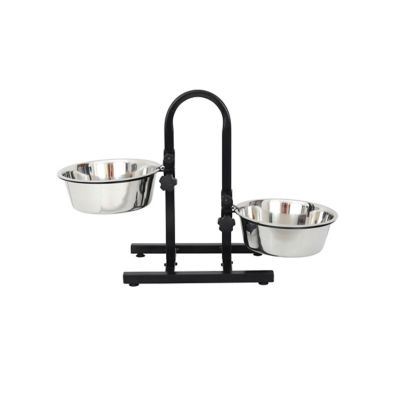
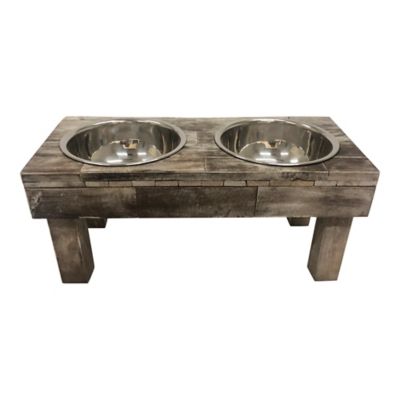
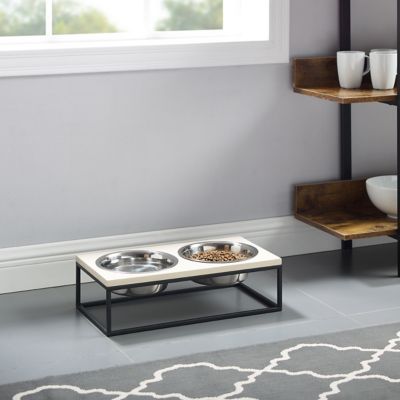
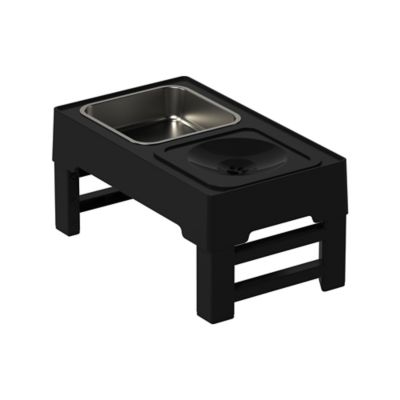
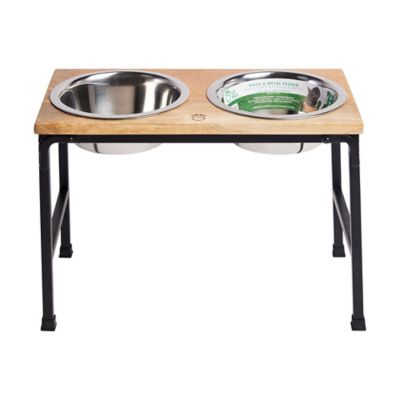
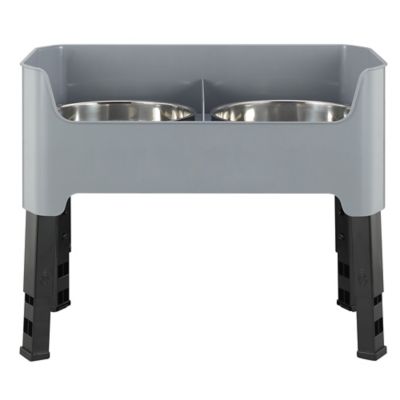
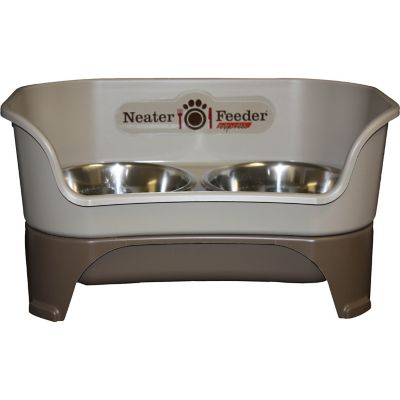
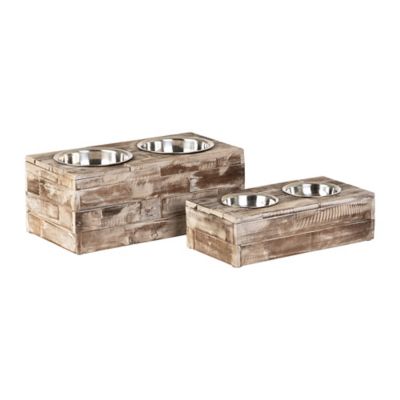
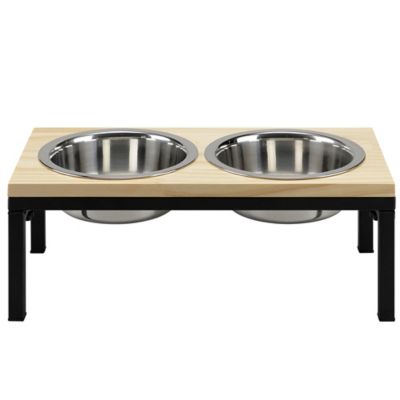
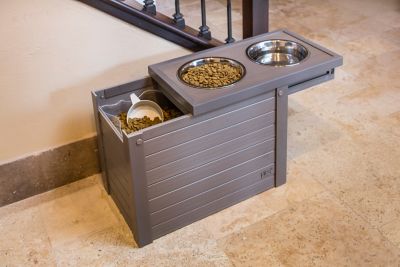
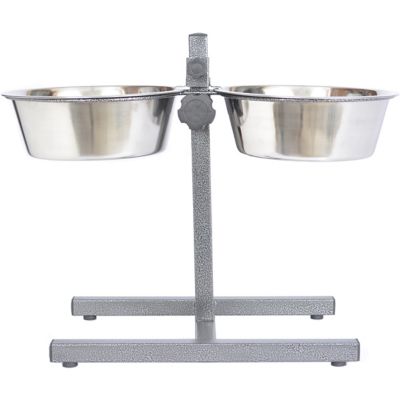
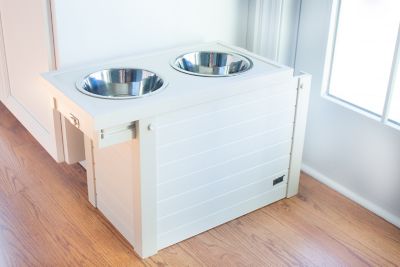
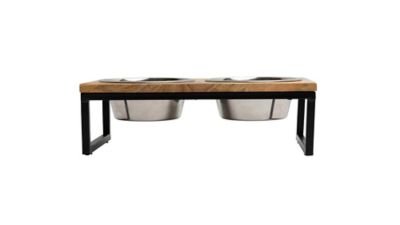
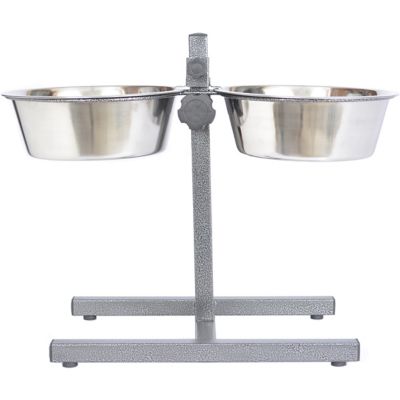
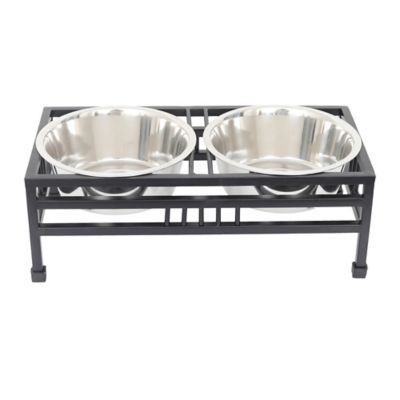
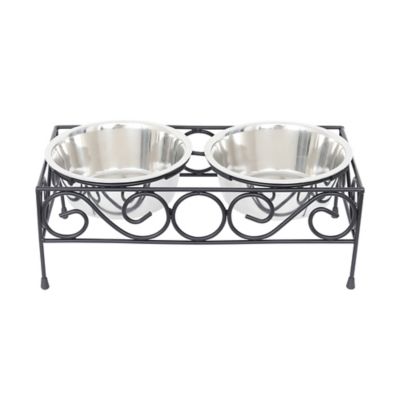
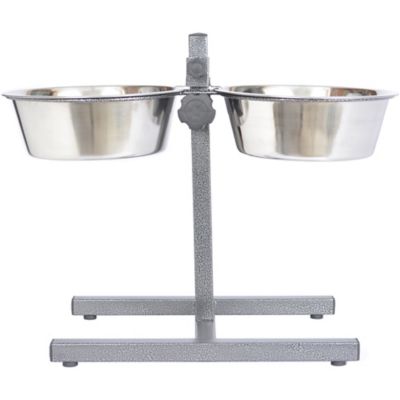
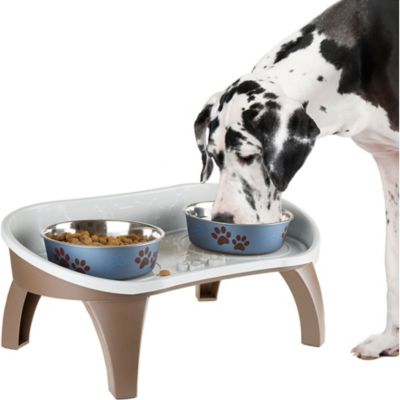
Elevated dog bowls for large dogs bring food and water off the floor, giving bigger dogs a feeding spot that requires less downward bending. For some dogs, that change may make eating and drinking more comfortable, especially when reaching a floor-level bowl is difficult. The right setup depends on the dog’s build, mobility, and feeding habits—not just breed or weight. A tall, narrow-chested dog and a broad, heavy-bodied dog may need different bowl heights, even when they weigh about the same. Raised bowls are not a treatment for joint pain or digestive problems, and they have not been shown to prevent gastric dilatation-volvulus, or GDV, a life-threatening condition often called bloat. Some studies involving large and giant breeds have found an association between elevated feeding and higher GDV risk. A veterinarian can help determine whether a raised feeder makes sense, particularly for a deep-chested dog, a fast eater, or a dog with a history of digestive trouble. With that guidance in place, fit becomes a practical matter of comfortable reach. A suitable feeding position lets the dog stand naturally without stretching upward, crowding the stand, or twisting its head to reach the bottom of the bowl. The height of the bowl opening matters more than the overall height of the frame, since a bowl that sits deep inside a stand can change the actual feeding position. Adjustable elevated dog bowls offer flexibility when a veterinarian recommends changes in feeding height, while fixed-height stands keep the setup straightforward when the fit is already established. For growing large-breed puppies, feeding height deserves another look as their proportions change; a stand that fits one stage of growth may not suit the next. Bowl placement matters, too. Food and water should be within easy reach without forcing a dog to lean across a wide shelf or brace its front legs against the base. A comfortable station leaves room for a broad chest, a long muzzle, and a natural stance through the whole meal.
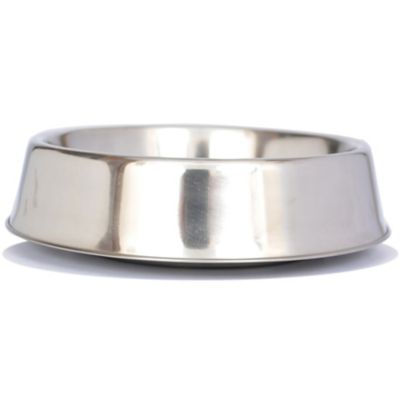
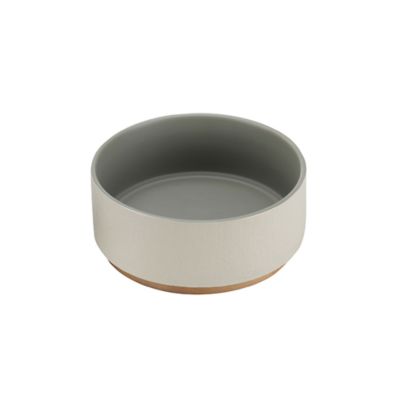
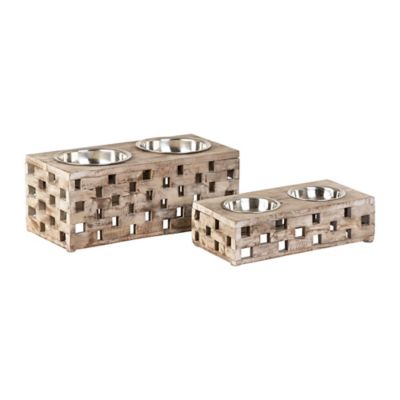
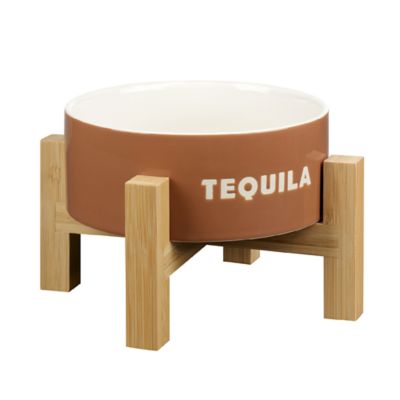
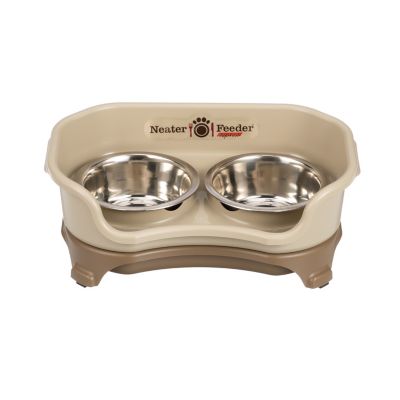
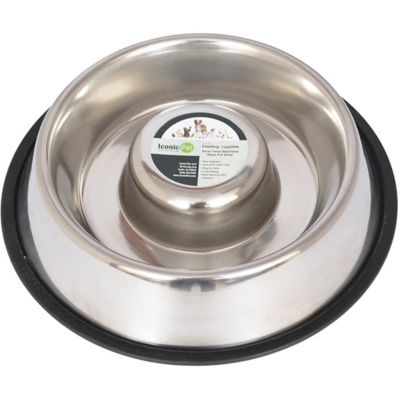
Materials and construction make a difference when a big dog comes to the bowl with an appetite. Stainless steel bowls have smooth surfaces that are generally easy to wash, though dishwasher suitability depends on the manufacturer’s care directions. Ceramic bowls can add weight to a feeding station, but chips and cracks call for replacement because damaged surfaces can trap food residue or leave sharp edges. Plastic bowls are lighter and easy to handle, while scratches and tooth marks can make thorough cleaning harder over time. The stand deserves just as much attention as the bowl. Metal frames benefit from smooth joints and finishes that resist corrosion, while wood or wood-based stands need protection from standing water, especially around bowl openings and exposed edges. A wide base, secure bowl supports, and nonslip feet help keep a feeder steady when a dog nudges the rim or takes a long drink. A wobbly frame or a bowl that rattles with every bite can make an otherwise inviting feeding spot less comfortable. Bowl shape also affects everyday use. A broad opening gives a large muzzle room to reach food without rubbing against the sides, while a deeper bowl may help contain water splashes. Dogs with long ears may benefit from a shape that limits how much of the ear hangs into the water. Capacity should match the dog’s drinking needs and meal portions, but a larger food bowl does not mean a larger serving. Portion measurements still belong with the feeding plan recommended for that dog. Double-bowl stands keep meals and water together, while separate raised bowls allow different placement or a larger water vessel. For a dog that gulps food, a compatible slow-feeder bowl or insert may help slow eating, but it does not eliminate bloat risk. The insert needs to sit securely and leave enough room for the dog to reach food without frustration. Removable bowls are especially handy when water needs refreshing before the food bowl is ready for its next wash.
A raised feeding station works best when it fits the household as well as the dog. In a kitchen corner, mudroom, or dedicated pet area, enough clear floor space lets a large dog step in, eat, and turn around without bumping furniture or blocking a doorway. A level surface helps the stand stay planted, and a washable mat underneath can catch drips and stray kibble. The mat and the floor beneath it still need regular cleaning and drying; a raised bowl does not keep every splash off the floor. Daily washing of food bowls and regular cleaning of water bowls help prevent leftover food and slippery buildup from collecting around the rim and bottom. Any care routine should follow the material’s instructions, including whether bowls can go in the dishwasher and which cleaners are suitable for the stand. Lift-out bowls make it easier to reach the underside of the rim, the support rings, and those little corners where crumbs collect. Drying the frame after spills helps protect joints, fasteners, and finishes, and an occasional check for loose hardware, worn feet, or rough edges keeps small problems from becoming mealtime hassles. In a home with more than one dog, separate feeding spaces can reduce crowding and make it easier to keep portions straight. Matching stands are less important than giving each dog a comfortable fit; households with smaller companions can also explore
Elevated Dog Bowls For Small Dogs for a feeding setup suited to a shorter reach. A raised feeder can also be a thoughtful gift for someone settling a large dog into a new home, provided the recipient can confirm the dimensions and feeding needs first. Whether the dog is a lanky youngster, a full-grown farm companion, or an older pet with changing needs, the most useful features are practical ones: a suitable height, room to eat comfortably, steady footing, and bowls that come clean without a fuss. Those details help make feeding time easier to manage day after day.