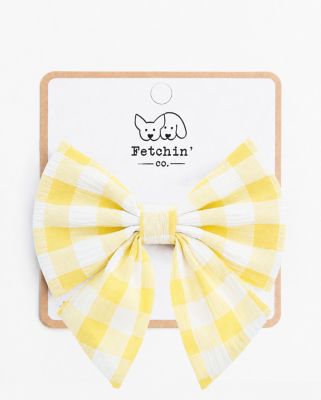
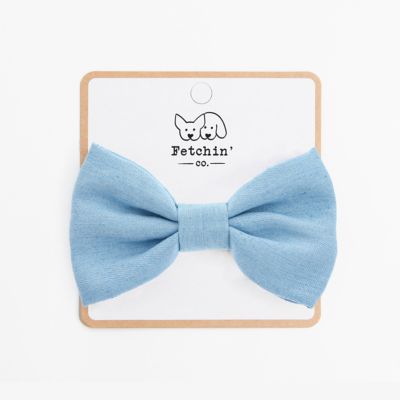
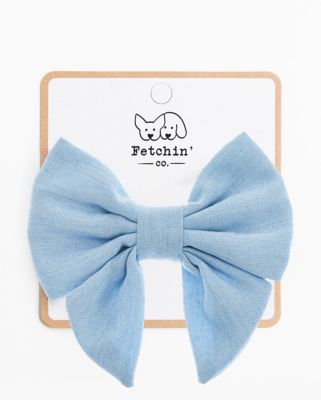
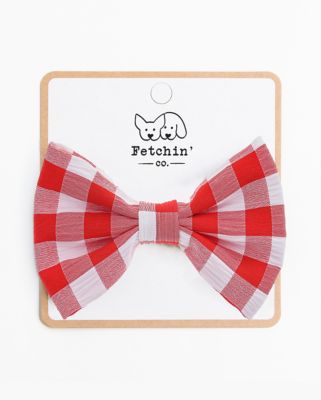
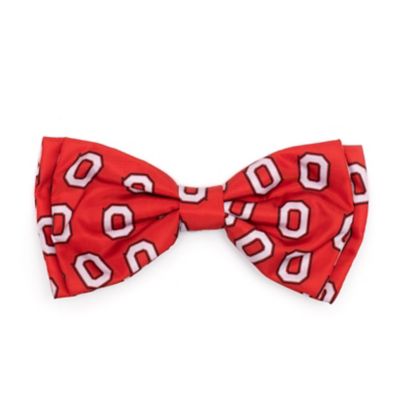
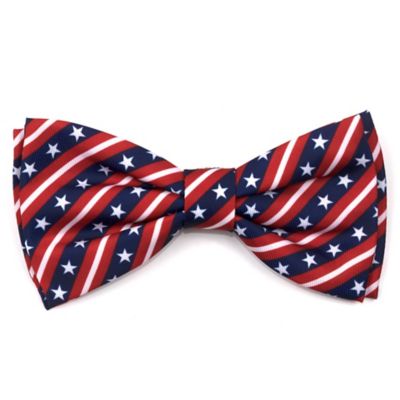
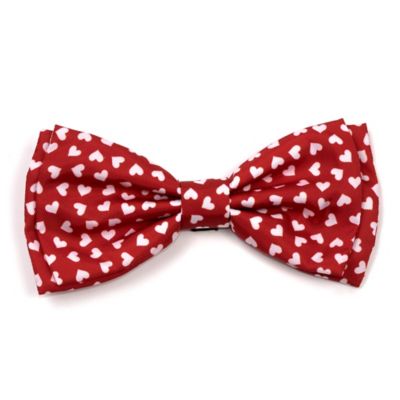
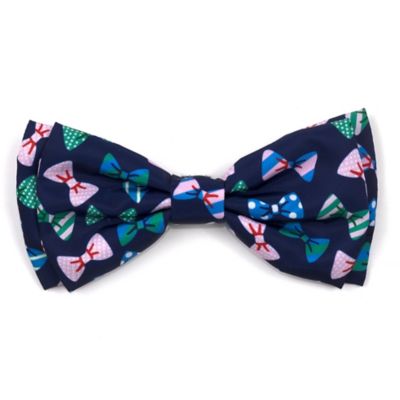
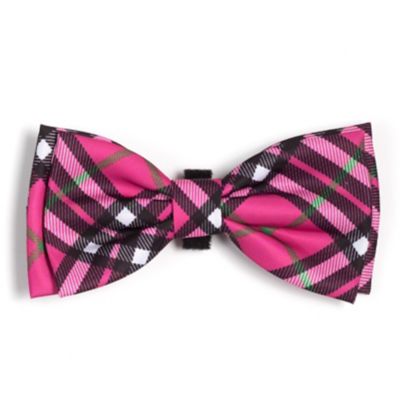
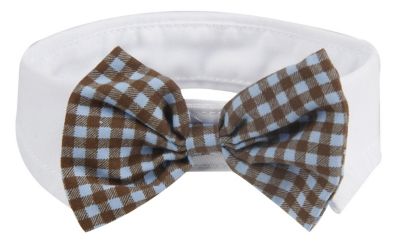
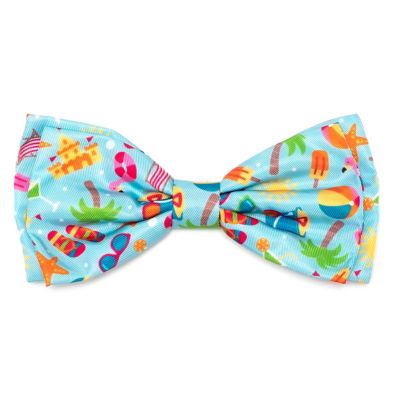
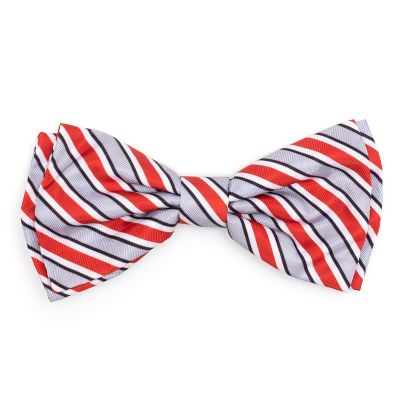
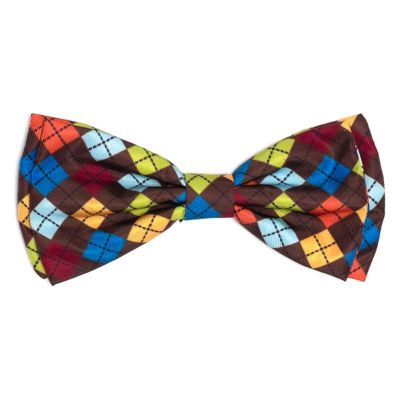
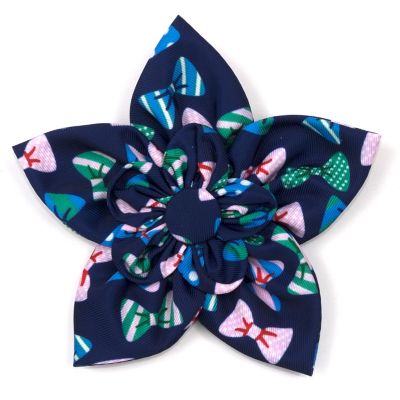
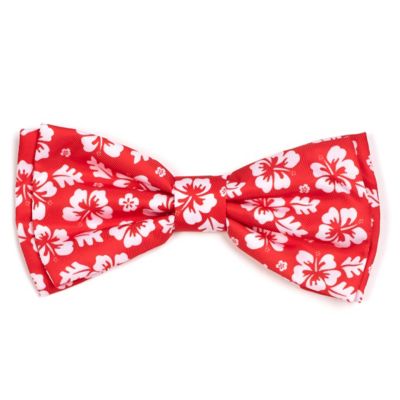
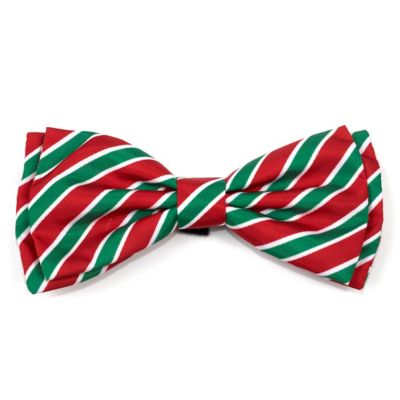
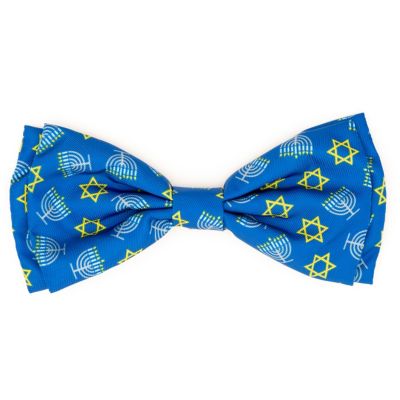
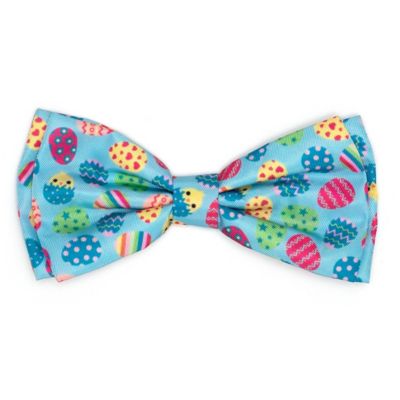
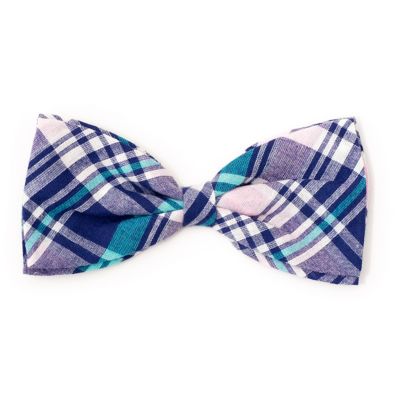
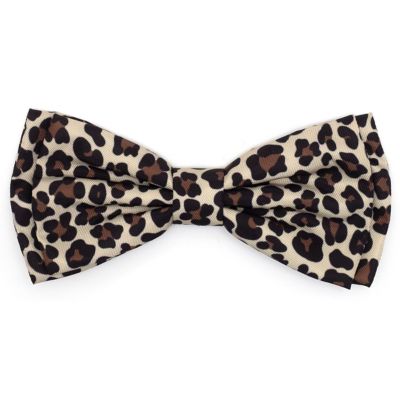
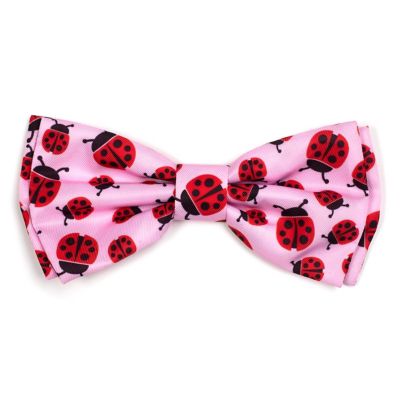
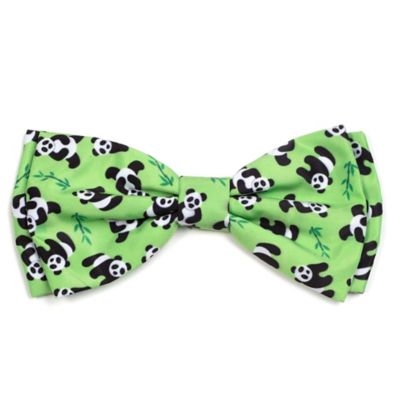
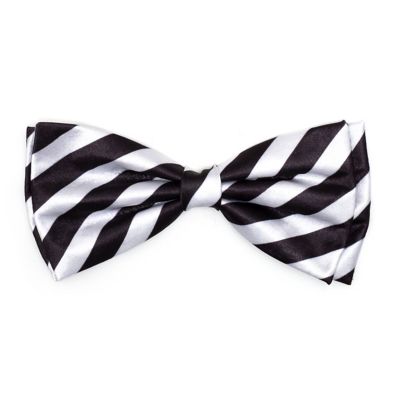
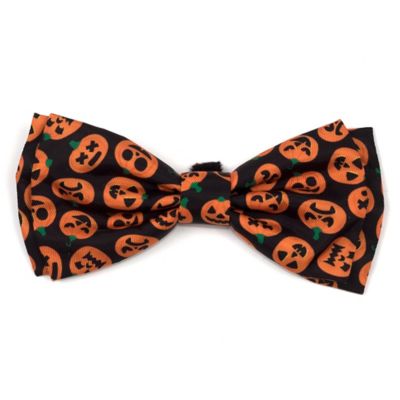
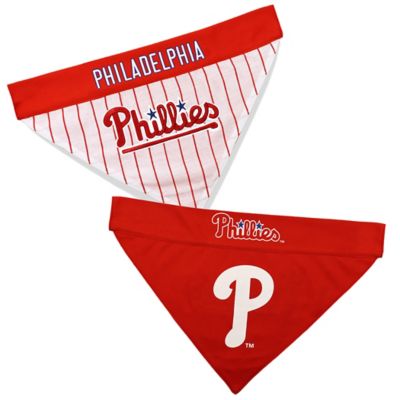
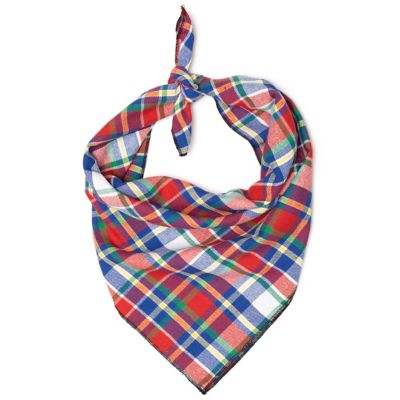
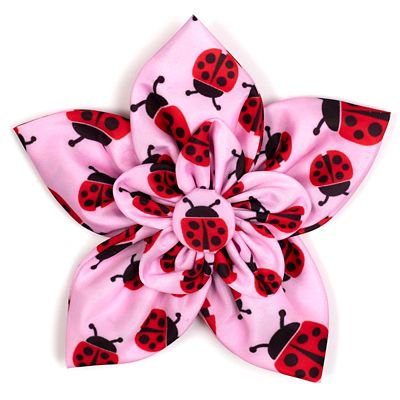
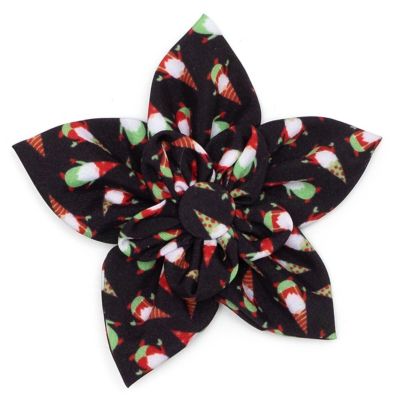
Dog bows add a little polish to a dog’s everyday look without getting in the way of play, walks, naps, or time spent riding along in the truck. On this page, you’ll find bows made for two main purposes: collar bow ties that slide onto a standard collar and small hair bows that attach to a topknot or a small section of longer hair. Collar bows are a handy choice for short-haired dogs, dogs with thick coats, or pets that do not have enough hair for a clip or band. They can give a plain collar a dressed-up touch for family photos, trips to the feed store, visits with friends, or gatherings during the cooler months. Hair bows are often chosen for long-haired breeds such as Yorkies, Maltese, Shih Tzus, and similar small companions whose hair can be gathered above the eyes. Before choosing a bow, take a close look at your dog’s size, coat, collar, and daily habits. A small dog or young puppy generally does best with a lightweight bow about 1 to 2 inches wide, while a medium or larger dog may be better suited to a 2- to 4-inch bow that fits the width of the collar. A bow that is too large can feel cumbersome, shift around during movement, or pull at the collar. One that is too small may not show well or may sit awkwardly. For a collar bow tie, check how it attaches. Elastic loops can slide over many standard collars, while hook-and-loop fasteners can make placement quick when you want to put the bow on for a short outing. Match the attachment method to the collar’s width and shape, and make sure the bow sits flat rather than pressing against your dog’s throat. For hair bows, look for a clip or small band that suits the amount and texture of your dog’s hair. Fine hair may need a lighter attachment, while a fuller coat may hold a slightly larger bow in place. A neat topknot can keep hair away from the eyes, but it should never be pulled tight enough to cause discomfort.
Dog bows can make thoughtful gifts for a new puppy, a family dog, or someone who enjoys bringing their four-legged companion along for everyday errands. They also fit naturally into seasonal pet baskets with treats, a leash, grooming supplies, or a cozy blanket. Broad fall colors and simple patterns can carry a dog’s look from crisp walks through the cooler months and into early winter without feeling tied to one special day. A bow in a warm shade can look right against a golden coat or a dark jacket, while a lighter color may stand out nicely on a black, brown, or gray dog. For households with more than one pet, choosing different colors or sizes can make it easier to tell each dog’s accessory apart while keeping a coordinated look. Bows can be especially useful for family pictures, adoption-day visits, birthday gatherings, holiday cards, and other occasions when a dog is part of the celebration. They are also a simple way to freshen up a familiar collar before a trip to a neighbor’s house or a walk on a wooded trail. Keep the setting in mind when selecting one. A soft, low-profile bow may be more comfortable for a dog that spends plenty of time lounging indoors, while a firmly attached collar bow can be a better fit for a short, supervised outing. No bow should interfere with tags, a leash clip, a harness, breathing, vision, eating, or normal movement. If your dog spends much of the day outdoors, check the bow after running through grass, brush, or fallen leaves, since twigs and burrs can catch on small attachments. For more seasonal ways to dress up your dog, browse
Fall Dog Accessories and look for pieces that suit your pet’s routine as well as your personal taste.
Safety matters with any small pet accessory. Always supervise your dog while a bow is being worn, especially the first several times. Some dogs ignore an accessory after a quick sniff, while others reach for it immediately, rubbing against furniture or trying to chew the bow, band, loop, or clip. Small parts can become a choking hazard or may cause trouble if swallowed, so remove the bow when your dog is alone, resting in a crate, riding without close supervision, or showing signs of irritation. Watch for scratching, head shaking, pawing at the collar, rubbing the face, or a change in normal behavior. If any of those signs appear, take the bow off and check the fit, attachment, and skin beneath the collar. Hair bows should sit on gathered hair rather than directly against the skin, and bands should not be wrapped so tightly that they tug when the dog moves. Inspect each bow before and after wear for loose stitching, stretched loops, bent clips, or pieces that no longer stay in place. Keep bows dry and clean according to their care instructions, and store them where curious pets cannot reach them. A quick fitting at home can help: place the bow on the collar or hair, let your dog walk, sit, shake, and turn, then check that the accessory remains comfortably positioned. With the right size, a suitable attachment, and close supervision, dog bows can be a fun finishing touch for daily outings and seasonal gatherings while keeping your dog comfortable from the first wag to the last romp.