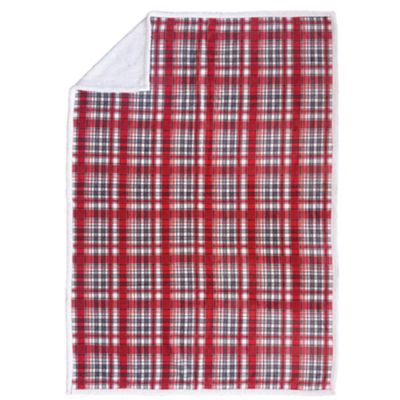
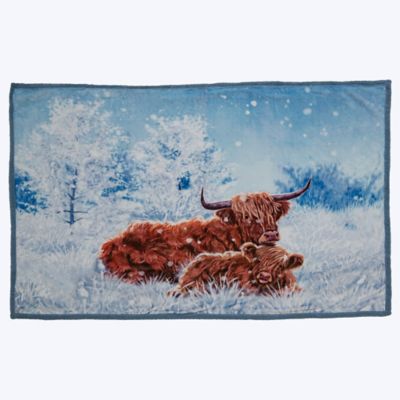
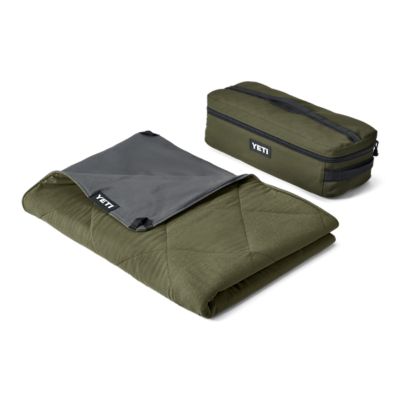
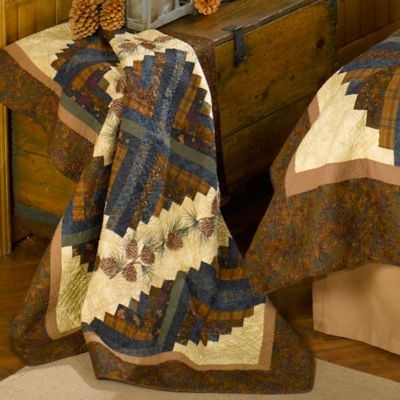
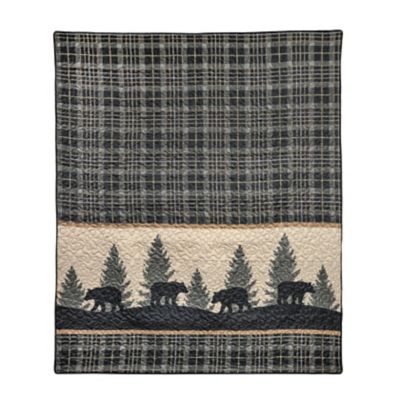
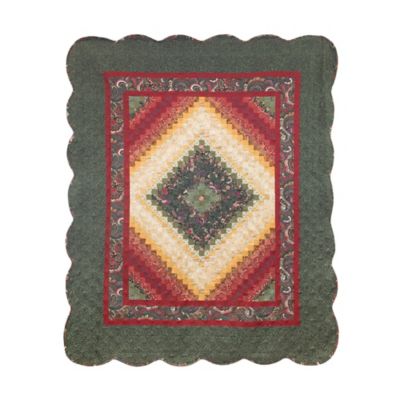
Cold-weather home essentials help make the house a comfortable landing spot after feeding livestock, hauling firewood, or walking back from the mailbox in a biting wind. The right mix of warmth, soft layers, and draft control supports everyday life, whether that means getting a quiet night's sleep or keeping the family comfortable through a long evening indoors. Bedding and other household textiles bring different strengths to that job. Cotton feels familiar against the skin and often fits into regular laundry routines, while fleece adds a soft, warming layer without much weight. Wool can hold warmth well, though its care requirements and feel vary with the blend and construction. Fabric weight, weave, and fill all affect how a layer feels; a heavier piece isn't automatically the right match for every sleeper or every room. Someone who sleeps warm may appreciate breathable layers that are easy to fold back, while a chilly guest room may call for more coverage. Fit matters just as much as feel. Enough length to cover cold feet, generous coverage along the sides of a bed, and room to tuck an edge can make a noticeable difference on a frosty night. For a chair beside the window, a manageable size is often handier than extra fabric dragging across the floor. Household essentials also have to stand up to ordinary country living: muddy paws, wood dust, work clothes, and the occasional splash from a coffee mug. Washable fabrics, well-finished edges, and care instructions that suit the household's laundry setup help keep that comfort practical. A smooth surface may be easier to brush off, while a deeper texture can hold onto pet hair or bits of hay. Color and pattern have a job, too, helping a hardworking room feel settled without making every footprint the center of attention. From a small farmhouse bedroom to the family room where everybody gathers, these details help winter comfort feel like part of the home rather than another chore.
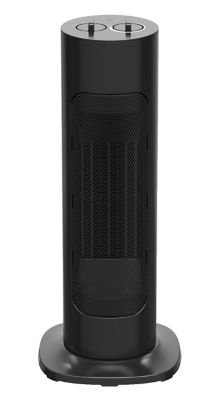
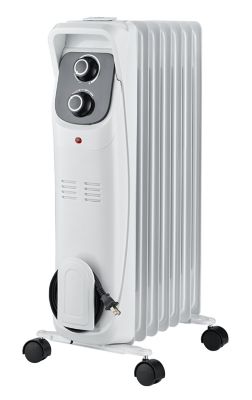
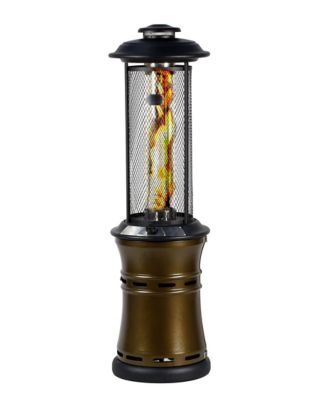
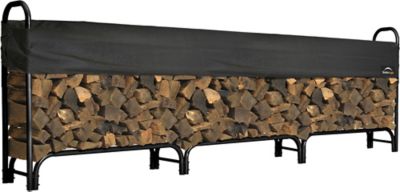
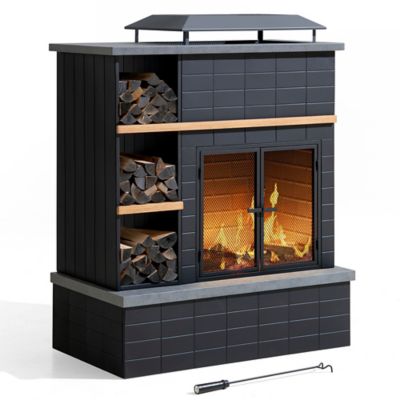
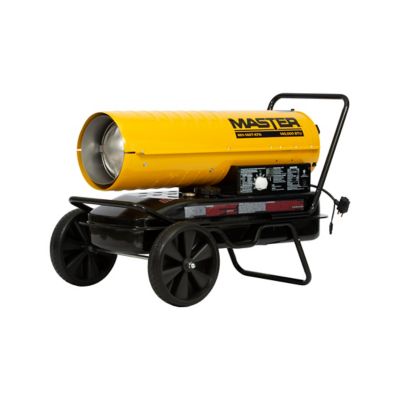
Warmth around the house also depends on how a space handles drafts, supplemental heat, and daily traffic. A room with tall ceilings, older windows, or a door that opens straight onto the yard has different demands from a snug interior bedroom. Window coverings can help limit the chill near glass, with fabric weight, lining, and proper placement affecting how well they serve the space. Measurements need to account for more than the visible opening; gaps along the edges can leave a noticeable path for cold air. Seals and draft-blocking materials need a fit that doesn't interfere with a door's movement or a safe exit. Where supplemental heating is part of the setup, intended room size, power requirements, placement, and manufacturer directions matter more than looks alone. Portable electric heating equipment needs a stable, level spot at least three feet from bedding, curtains, furniture, and other things that can burn, or farther if the manufacturer specifies. It belongs directly in an appropriate wall outlet, not on an extension cord or power strip, and should be turned off before sleep or when nobody is there to keep an eye on it. Built-in shutoff features add protection but don't replace careful placement and supervision. Homes with small children or curious pets have an extra reason to consider hot surfaces and accessible controls. A hearth or stove area brings its own needs, including proper venting, routine maintenance, and clear space around the heat source. Nearby storage should keep everyday clutter out of the way rather than crowding the path between the woodpile and the fire. Indoor moisture can affect comfort as well, especially when windows stay shut and heating runs for long stretches. Easy-to-clean surfaces and accessible components make routine care less of a hassle, while condensation around windows can signal that moisture needs attention. Cold-weather essentials work best as part of a sensible household setup, supporting comfort without blocking walkways, covering vents, or creating extra work for the person keeping the place running.
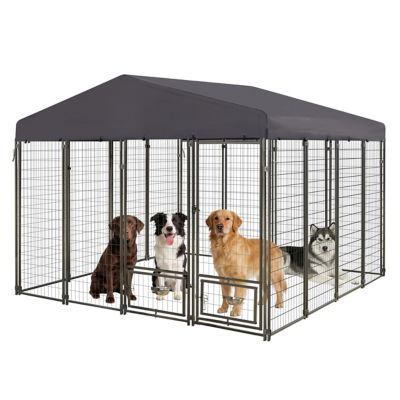
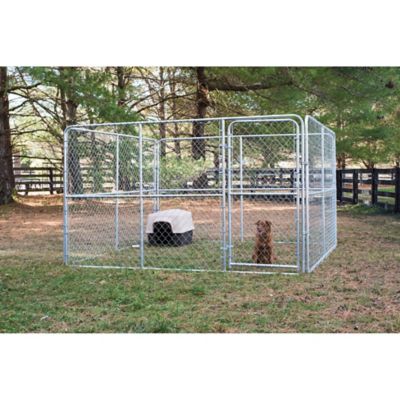
Entryways and utility spaces deserve just as much thought as the couch and the bed. A back door that handles barn boots, feed buckets, and a wet dog gets a different workout than a front door opened mostly for company. Floor coverings made for entry areas need the right balance of moisture handling, traction, and easy care for the surface underneath. A low profile helps a door swing freely, and a backing suited to the floor helps avoid slipping or leaving marks. Materials that can be shaken out, brushed off, or cleaned according to their care label make it easier to stay ahead of grit and slush. Raised edges and textured surfaces may help contain everyday messes, but trapped moisture still needs attention so floors can dry. Storage with enough breathing room for damp outer layers keeps the landing spot from becoming a crowded pile, especially when several people head outside before daylight. A clear place for gloves and other small necessities saves rummaging when there's a gate to check or a dog waiting at the door. Households caring for animals can also explore
Cyber Monday Offers On Outdoor Pet Accessories for the outdoor side of a cold-weather routine. Back indoors, comfortable gathering spaces matter for holiday visitors, overnight family, and the regular evenings that follow a full day's work. Easy-care materials are especially welcome where children stretch out on the floor or pets claim a spot beside the chair. For gift giving, home essentials are most thoughtful when they suit the person's habits rather than just the room's appearance. A recipient's preferred warmth, available storage, laundry routine, and household pets can all shape what fits. Softness may make the first impression, but useful sizing, straightforward care, and construction that holds up to repeated handling are what keep an everyday essential in regular rotation. The aim is a home that's easier to settle into after time outside, with welcoming spaces that can handle both muddy mornings and quiet nights.