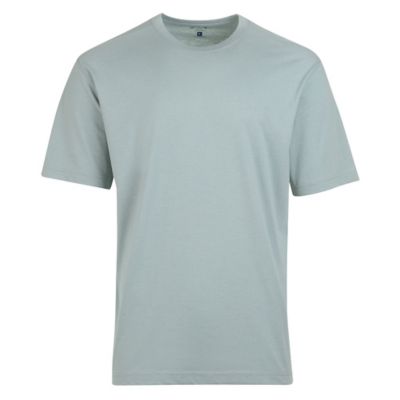
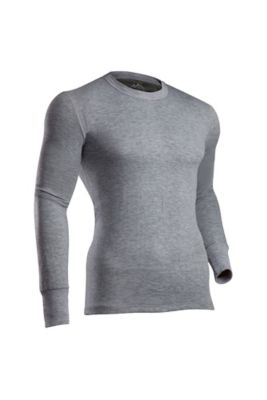
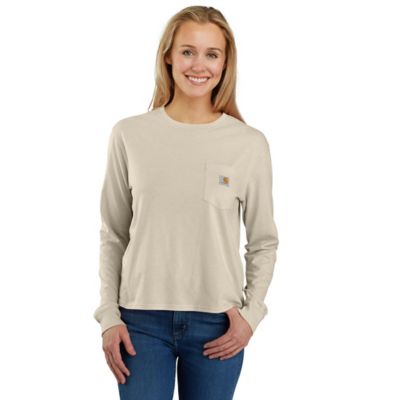
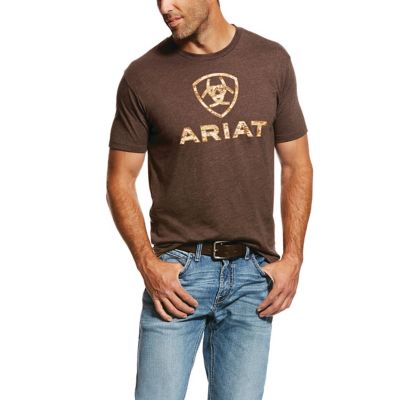
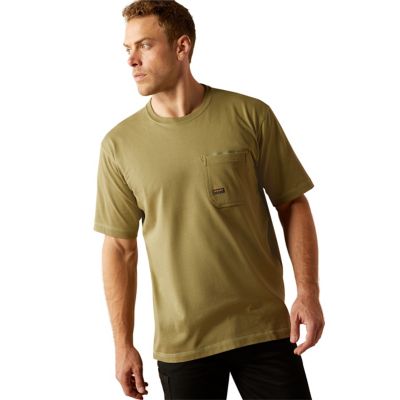
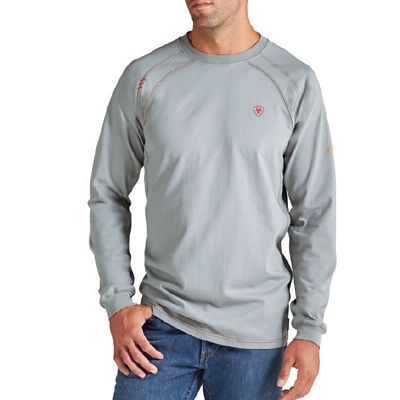
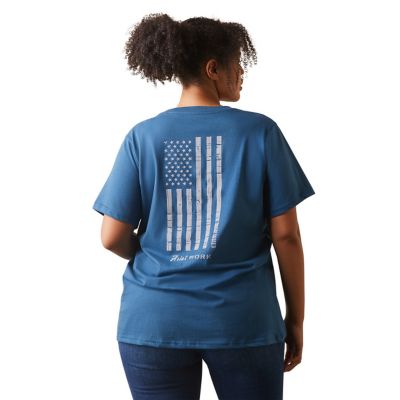
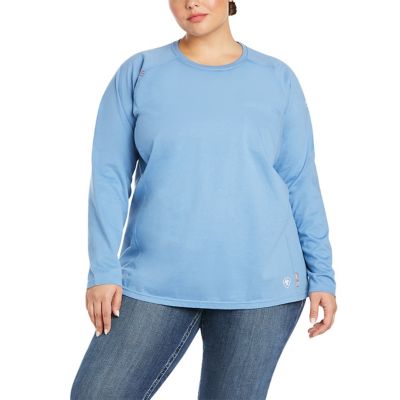
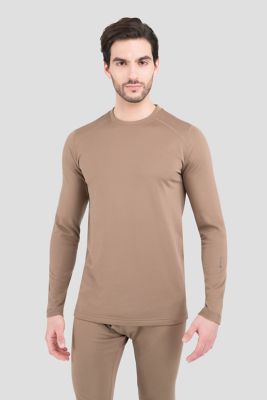
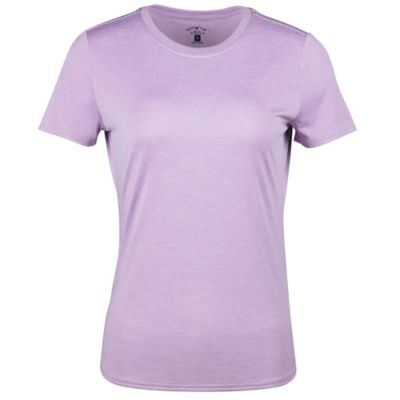
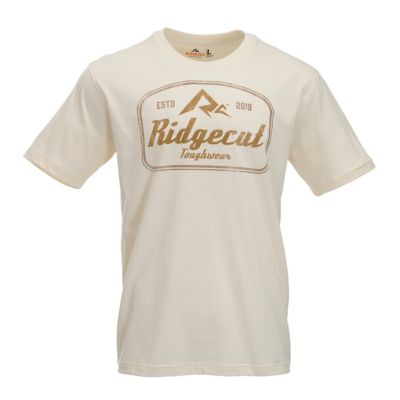
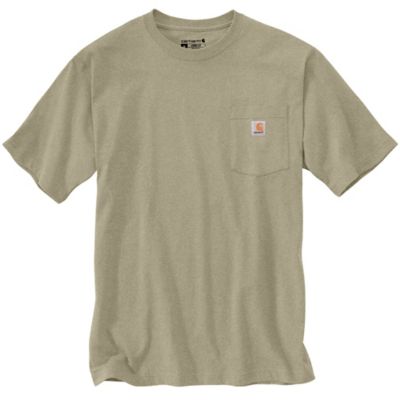
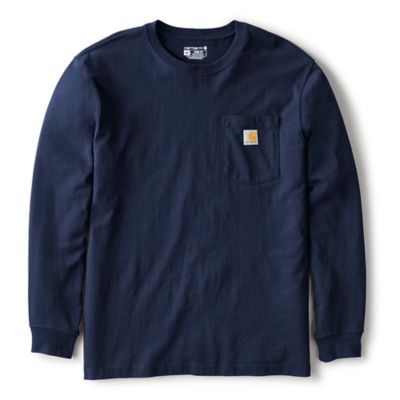
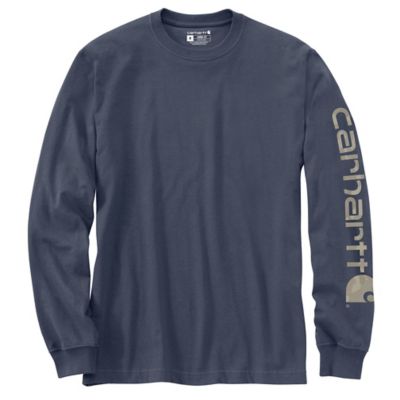
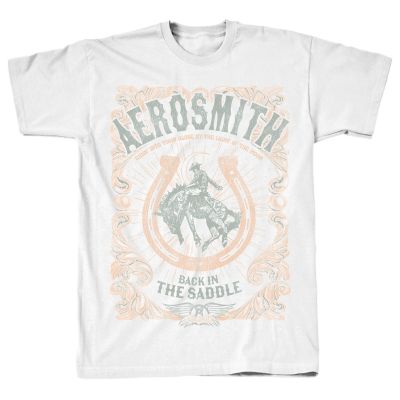
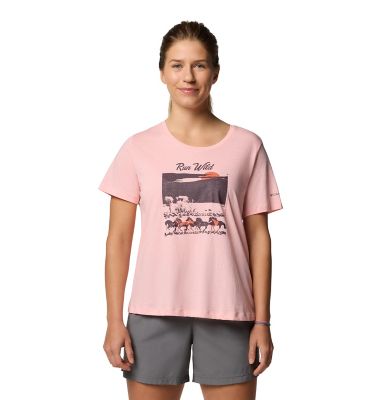
Crew neck shirts have a round, collarless neckline that sits near the base of the neck. That simple shape makes them an everyday choice for chores, errands, time in the shop, and relaxing after the work is done. Unlike a V-neck, a crew neck has a continuous rounded opening across the upper chest, often finished with a rib-knit band that stretches over the head. The name describes the neckline, not the sleeve length or fabric weight, so crew neck shirts can have short sleeves, long sleeves, a light knit, or a more substantial feel. They work well on their own with jeans or work pants and fit neatly beneath an open button-front shirt or a pair of bib overalls. Fabric makes a big difference in how a shirt feels through a full day. Cotton is soft, breathable, and absorbent, with a familiar feel against the skin. Polyester generally dries faster than cotton, while cotton-polyester blends balance cotton’s softness with added shape retention and quicker drying. A small amount of spandex can give the knit more stretch for reaching, bending, and moving around. Fiber content tells only part of the story, though. Knit construction, fabric weight, and finishing also affect the feel. A lighter jersey drapes easily and takes up less room beneath another shirt; a heavier jersey feels more substantial and may provide greater coverage. Fabric weight alone does not tell the whole story about how long a shirt will last. The yarn, seams, neckline, and care routine all play a part. For someone carrying feed to the barn, checking fence lines, or spending an afternoon at a workbench, the best match is a shirt that feels comfortable through those familiar movements rather than one that simply looks right on a hanger. Plain colors offer an easy match with everyday clothes, while printed designs give the same straightforward shirt shape a different look.
Fit is where a crew neck shirt either becomes a regular favorite or spends more time in the drawer. The neck opening should sit comfortably without pressing against the throat, and it should stretch enough to pull on without feeling strained. On a traditional set-in sleeve, the shoulder seam generally falls near the edge of the shoulder; dropped shoulders create a looser outline by design. A regular fit leaves some breathing room through the chest and waist, while a relaxed fit provides more room through the body. A fitted cut sits closer and can slide more easily beneath another shirt, provided it does not pull across the back or underarms. Men’s and women’s crew neck shirts can differ in shoulder width, sleeve shape, waist shaping, and body length, so the size label alone is not always enough to judge the fit. Measurements and garment descriptions give a clearer picture, especially when switching between cuts. Cotton-focused choices such as
Womens Crew Neck Cotton Tees are worth a look when a soft cotton feel is high on the list. For a shirt that will stay untucked, the hem needs enough length to keep the waist covered when reaching toward a shelf or leaning across a truck bed. Someone who prefers a tucked-in shirt may want extra body length without excess fabric bunching around the belt. Sleeve openings matter, too: they should allow the arms to move without pinching or hanging in the way of the task. Underarm seams and neck labels can become noticeable after hours of wear, particularly beneath overall straps. Smooth seam finishes, flat labels, or tagless labeling may feel more comfortable for sensitive skin. Reinforced shoulder seams and even stitching around the sleeves and hem can help a shirt hold together through repeated wear. A neckband that lies flat gives the shirt a tidy finish, whether it is paired with work pants or worn out to supper.
Everyday wear puts crew neck shirts through plenty, from rubbing against overall straps to repeated trips through the laundry. Good care starts with the garment’s label because cotton, performance fibers, stretch blends, and printed designs can have different washing needs. Cotton may shrink with excessive heat, while high dryer heat can also affect stretch fibers and certain prints. Washing with similar colors, choosing a suitable cycle, and following the recommended drying method can help preserve the fit and finish. Turning a printed shirt inside out reduces direct rubbing against the design in the wash. Keeping shirts away from open hook-and-loop fasteners and exposed zippers in the same load can also limit snags and surface abrasion. Fabric softener is not a good match for every material, particularly when the care label advises against it for moisture-managing fabrics. Prompt attention to stains helps keep an everyday shirt looking presentable, but stain treatments should suit the fabric and color. No single crew neck needs to handle every job. A soft cotton shirt may be the first pick for errands or an easy day around the house, while a blend with stretch or moisture-wicking properties may feel better during more active chores. Ordinary crew neck shirts are everyday clothing, not a substitute for task-specific protective apparel around sparks, chemicals, or other workplace hazards. For gifting, a familiar cut, preferred sleeve length, and a color the recipient already wears are useful starting points. A roomy fit may suit someone who likes an easy feel, while another person may prefer a closer shape with less fabric beneath a work shirt. The appeal of a crew neck is its simplicity: a comfortable neckline, room to move, and a shape that fits into everyday life without much fuss. Attention to fabric, construction, and care makes it easier to find shirts that earn their place in the regular rotation.