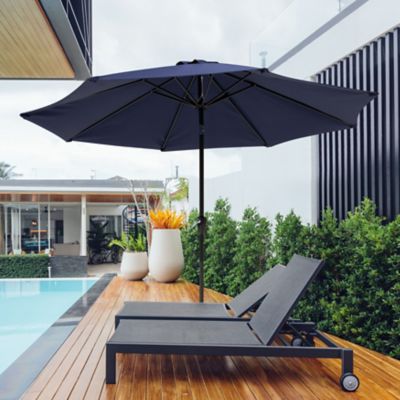
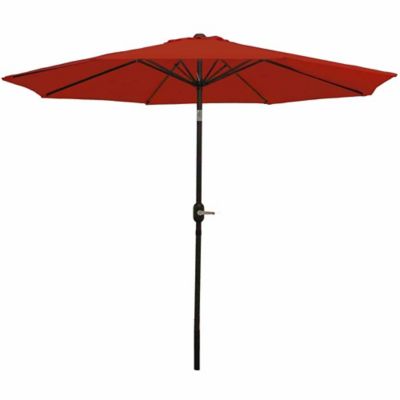
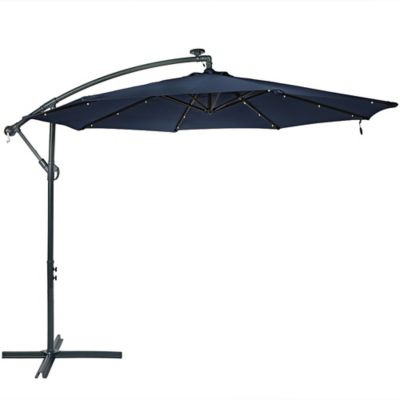
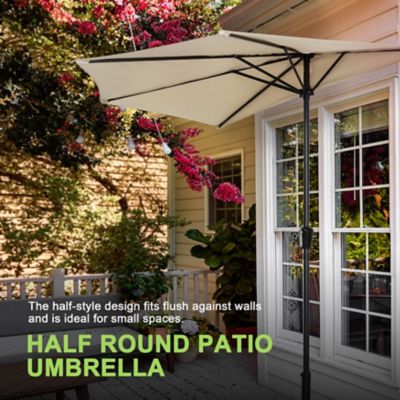
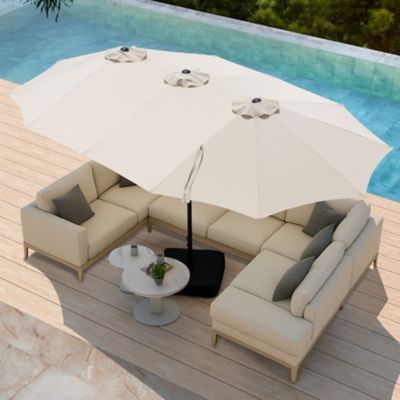
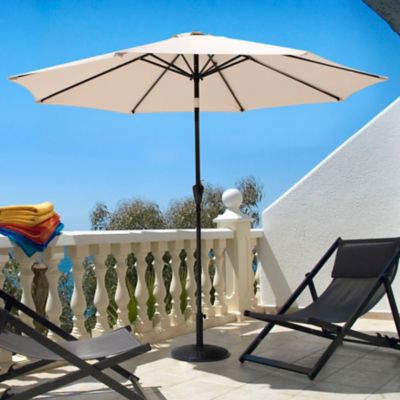
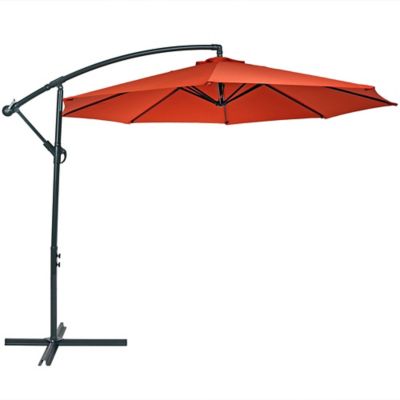
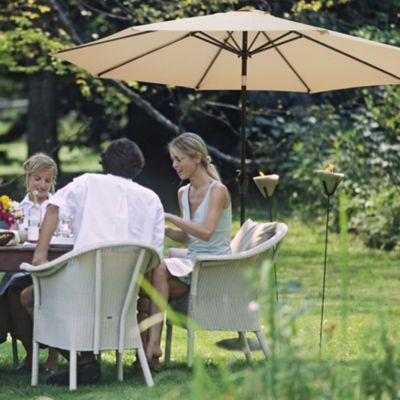
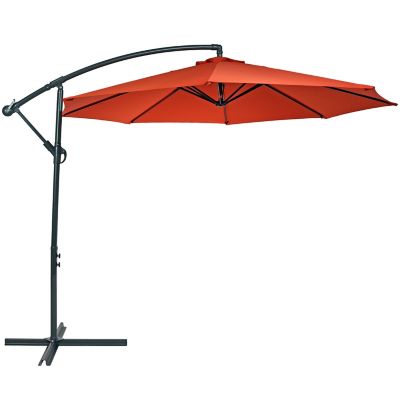
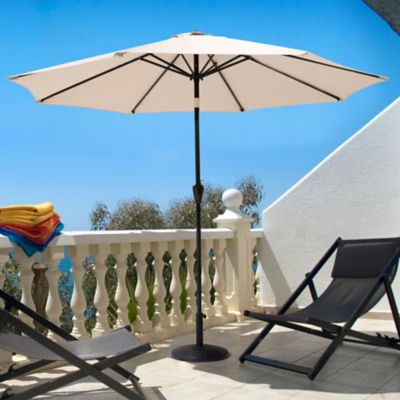
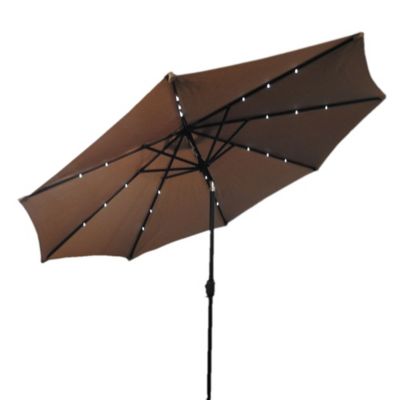
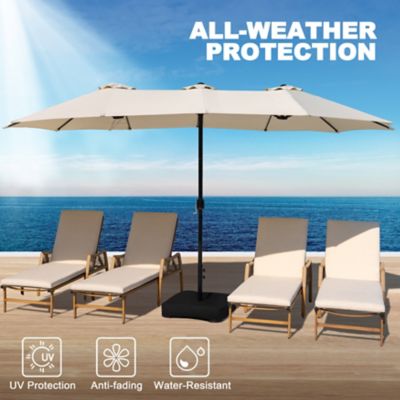
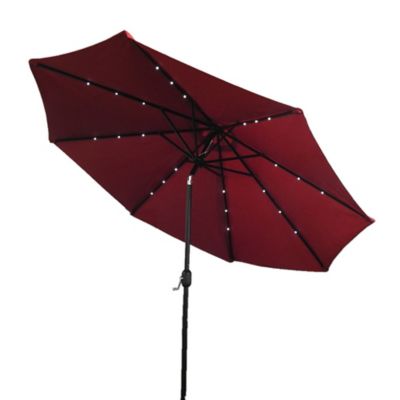
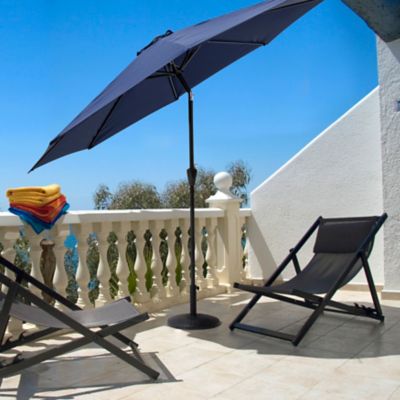
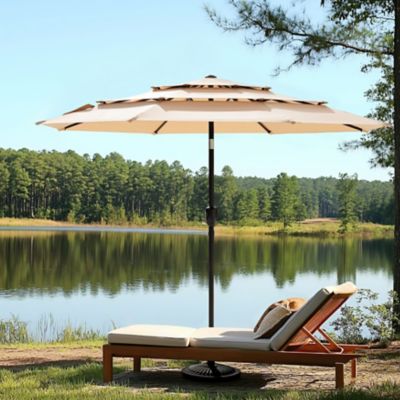
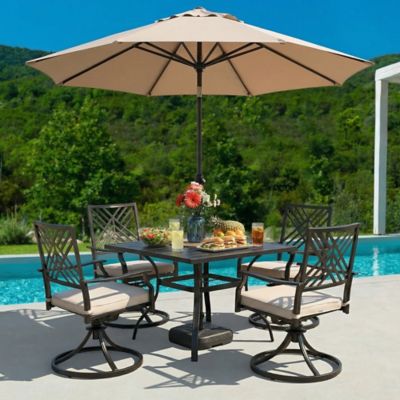
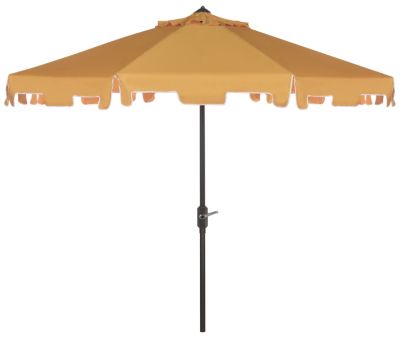
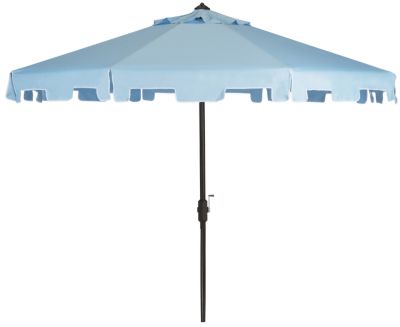
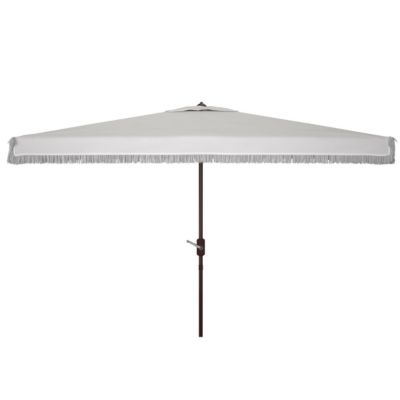
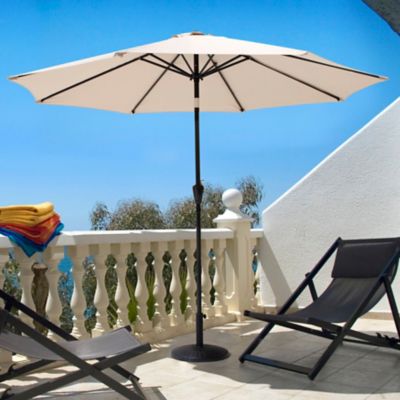
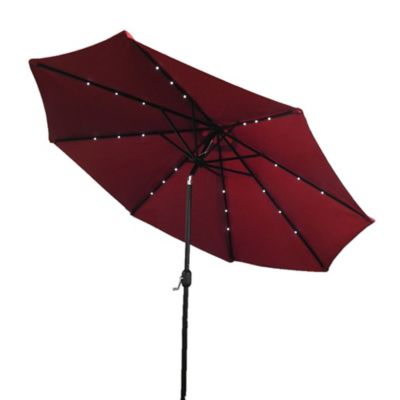
Crank and tilt patio umbrellas make it easier to turn an outdoor seating area into a more comfortable place to gather, eat, work or unwind. Instead of reaching up to pull a canopy open, a hand crank lets you raise the umbrella with a few easy turns, which is handy when the table is already set with plates, drinks or a centerpiece. The tilt feature adds another layer of shade as the sun moves across the sky. A canopy that starts out level over the table can be angled toward the afternoon sun, helping keep bright light out of your eyes without having to move the whole umbrella. These umbrellas are a practical fit for backyard dining tables, porch seating, poolside chairs, garden benches and small sitting areas beside a fire pit. They also work well around a farm or rural home where a shady spot may be needed near the barn, shop or garden, but a permanent roof or awning is not in the plans. Common canopy sizes include 7.5-foot, 9-foot and 10-foot options. A smaller umbrella can suit a compact bistro table or a pair of chairs, while a larger canopy may provide better coverage for a full-size patio table. Measure the table and the surrounding space before choosing, allowing room for the canopy to open fully and for people to walk around the base. For many standard outdoor dining tables, a 9-foot patio umbrella offers a useful balance of coverage and easy placement. A 10-foot canopy can create more shade over a broad seating area, though its larger size calls for a sturdy base and enough clearance from fences, gutters, tree limbs and overhead wires.
Crank and tilt patio umbrellas come with several styles of tilt mechanisms, so it helps to consider how you expect to adjust the shade. Push-button tilt models use a button near the upper pole joint; after pressing the button, the canopy can be angled and locked into place. Auto-tilt designs activate as the crank continues past the fully open position, allowing the canopy to tilt without reaching up to a separate release. Collar-tilt models use a twisting ring on the pole to adjust the canopy angle. Each style has its own feel, and the best choice often comes down to where the umbrella will stand and how frequently it will be repositioned. If the umbrella sits beside a table that is used throughout the day, a smooth crank and simple tilt control can save a good deal of fuss. Look for a frame made with rust-resistant steel or powder-coated aluminum when the umbrella will spend time outdoors. Steel can provide a solid, substantial feel, while aluminum is lightweight and easier to move when rearranging the patio. Canopy fabric is commonly made from polyester designed to resist fading and repel light moisture. An air vent near the top can let hot air escape and may help the canopy handle ordinary breezes more steadily, but no patio umbrella should be left open in strong wind or severe weather. A properly weighted base is just as important as the umbrella frame. Use a base suited to the umbrella’s pole diameter and canopy size, and set it on a level surface. For added stability, place the base beneath the table when the table is designed for umbrella use, or choose a freestanding base with enough weight for the setup. If you need shade for a larger or more exposed area, take a look at
Heavy Duty Outdoor Umbrellas for additional outdoor coverage options.
These umbrellas can be especially useful during the warmer part of the year, when lunch on the deck, a cold drink after chores or an evening meal outside becomes part of the daily routine. They can also stay useful as temperatures begin to cool, giving a patio or porch some protection from low, slanting sunlight while family and friends gather outdoors. A crank and tilt patio umbrella makes a thoughtful gift for someone settling into a new home, fixing up a backyard, building an outdoor dining area or spending more time in the garden. It is also a practical choice for grandparents, campers and anyone who enjoys having a comfortable shaded seat near the house. Before opening the canopy, make sure the pole is seated securely in its base and that there is plenty of room above and around the umbrella. Keep the crank handle moving gently rather than forcing it, and close the canopy when the area is unattended or when wind begins to pick up. A patio umbrella cover can help protect folded fabric during storage, while occasional brushing or cleaning with mild soap and water can help remove dust, pollen and ordinary outdoor grime. Let the canopy dry completely before closing it for a longer stretch, and store the umbrella in a dry place during periods of harsh weather when possible. Color, canopy shape and frame finish can be matched to existing patio furniture, garden décor or porch furnishings, making it easy to create a comfortable setup that feels at home in the space. With the right size, a dependable crank, a useful tilt range and a stable base, these umbrellas offer flexible shade for everyday meals, weekend cookouts and quiet moments outdoors.