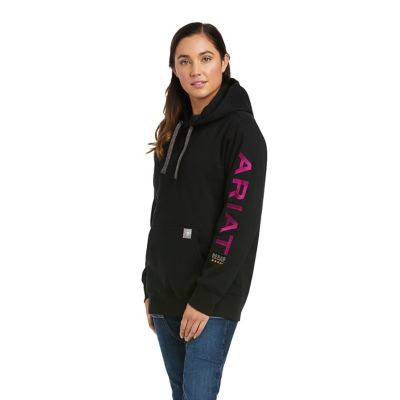
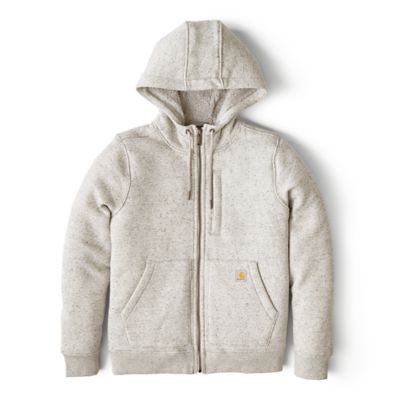
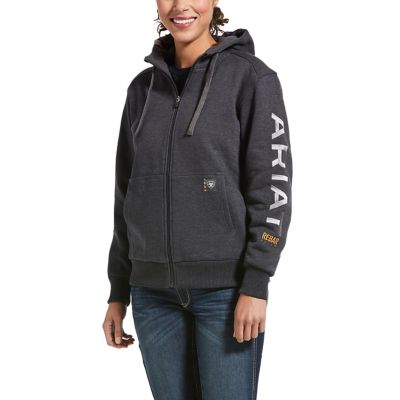
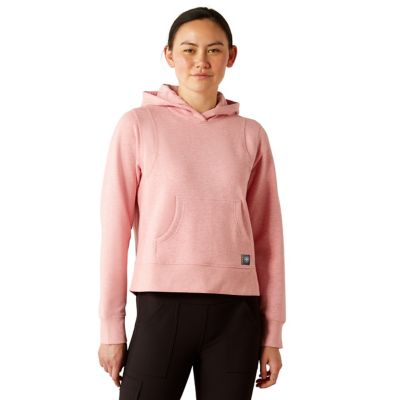
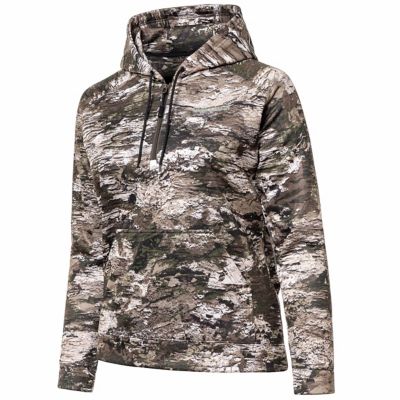
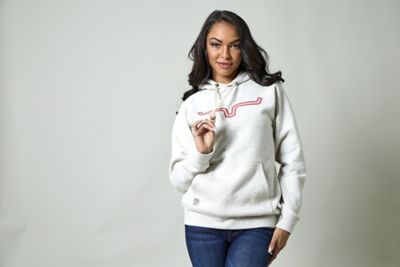
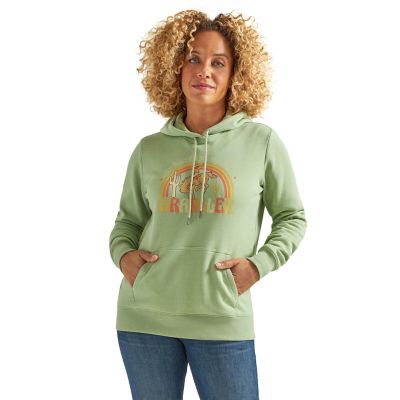
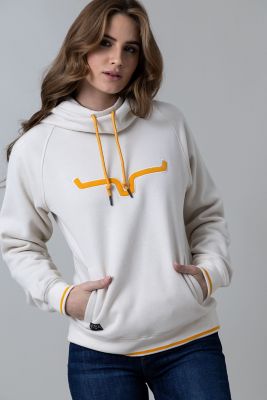
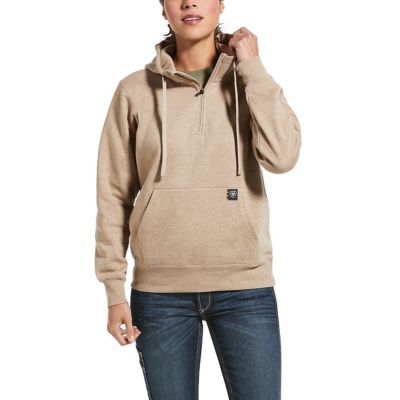
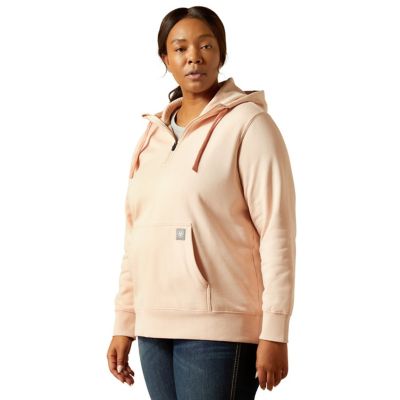
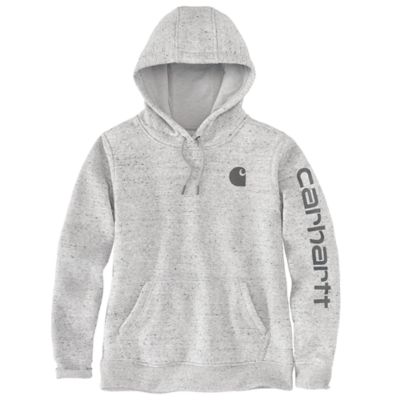
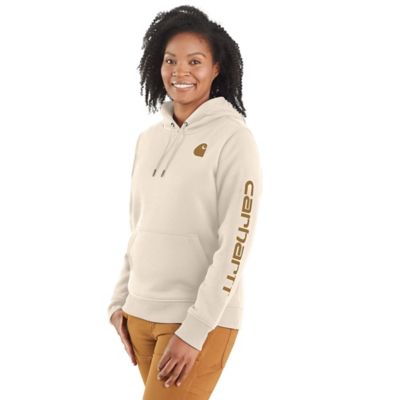
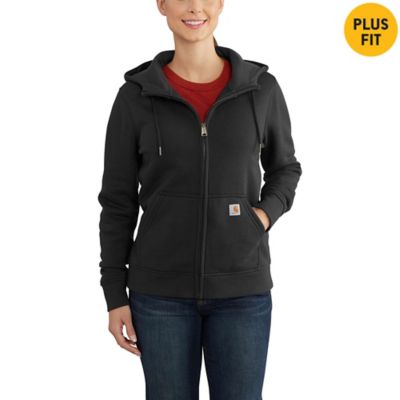
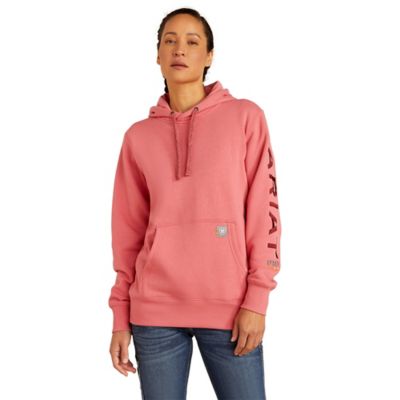
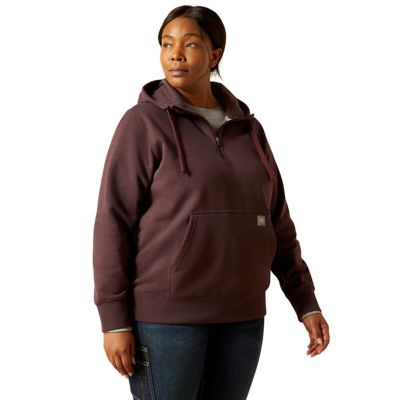
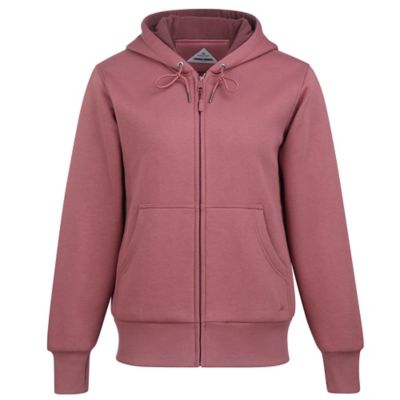
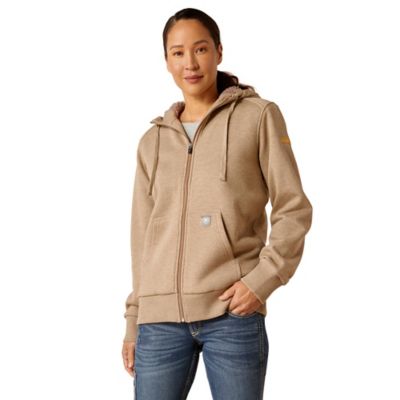
Cozy hoodies for women bring together a soft feel, an easy fit and practical details that suit life around the house, trips into town and time out on the porch. The comfort comes from more than a roomy shape: fabric texture, garment weight, seam placement and the way a hood rests across the shoulders all make a difference. Cotton-rich fleece often has a familiar sweatshirt feel, with a smooth outer surface and a brushed interior that feels soft against a T-shirt or tank. Polyester fleece can offer a lighter feel for its thickness, while cotton-polyester blends combine different fibers to balance softness, shape retention and everyday care. French terry has small loops on the inside rather than a fluffy brushed finish, giving it a less lofty feel that works well for everyday layering. Fabric weight matters, too. A substantial sweatshirt can feel pleasantly weighty when settling onto the couch, while a lighter knit is less cumbersome for walking the property or carrying a basket of laundry. Pullover hoodies have an uninterrupted front and a relaxed, familiar feel; full-zip hoodies open all the way for easier changes without pulling fabric over your head. Half-zip styles offer another option, with an adjustable neckline and a front that stays mostly covered. Pockets add convenience, whether that means a roomy kangaroo pocket or separate front pockets for a phone, keys or a folded shopping list. Their placement affects comfort when sitting, and loose pockets are better suited to small essentials than heavy tools. Ribbed cuffs and hems help shape a sweatshirt without requiring a close fit through the body. A soft hood lining, flat seams and a neckline that does not pull against the throat can make a favorite layer feel comfortable through a full day of ordinary tasks. These small details are often what separate a sweatshirt that feels good for a few minutes from one that stays comfortable through breakfast, a drive into town and an evening with a book.
Fit gives women's cozy hoodies much of their character, from a neat everyday layer to an oversized sweatshirt with plenty of room to curl up in. A relaxed fit generally leaves space through the chest and waist without adding much extra fabric at the sides. Oversized cuts take that room further, often with dropped shoulders, wider sleeves and a longer or broader body. The distinction matters because simply sizing up can also lengthen the sleeves and move the pockets lower than intended. Garment measurements and the size chart give a clearer picture than a size label alone, especially when comparing different cuts. For a hoodie that goes over another shirt, room through the upper arms and across the back helps with reaching for a shelf, lifting a feed scoop or carrying groceries. For one that sits beneath a jacket, a less bulky body and sleeves can make layering easier. Length changes the feel just as much as width. Hip-length hems offer familiar coverage with jeans, longer silhouettes pair comfortably with leggings, and shorter cuts sit differently over high-rise pants. A ribbed hem may rest at the hips rather than hang straight, so its stretch and placement deserve attention. Sleeve length also makes a difference during everyday chores: cuffs that stay near the wrists help keep fabric out of dishwater and away from a pet's food bowl. Loose sleeves, hoods and drawcords should stay clear of moving equipment. A hoodie can be an easy companion for a road trip, a walk with the dog, a morning spent checking the garden or a quiet afternoon at home, but the best shape depends on how it moves with the person wearing it. Softness is welcome everywhere; enough room to bend, sit and reach is what makes that softness practical. Even the hood's size matters, since a heavy or oversized hood can pull backward at the neckline, while a smaller one may feel snug when pulled up. A balanced fit keeps the sweatshirt comfortable without constant tugging at the shoulders or hem.
Everyday comfort also depends on how a hoodie holds its shape and feel after repeated washing. Even stitching, neatly finished seams and firm attachment points around pockets and zippers are useful signs of thoughtful construction. High-friction areas, including cuffs, elbows and the sides where a bag rubs, naturally receive more wear than the rest of the garment. Brushed fabrics may develop some pilling as fibers rub together, and a soft surface does not necessarily mean a sweatshirt needs delicate handling; the care label is the place to confirm what its fabric and finish require. Washing with similar colors, turning the garment inside out and closing zippers can help limit rubbing and snagging in the load. Heavy towels and exposed fasteners can be rough company for a soft knit. When the label permits machine drying, the recommended heat setting matters, since excess heat may shrink some fabrics or affect stretch fibers. Reshaping a damp hoodie before drying can help straighten a twisted hem or bunched cuff, and making sure thick seams and pockets dry fully keeps the garment ready for its next wear. Stain care is worth considering for a layer that follows along through baking, feeding animals and running errands; prompt attention according to the care label is easier on the fabric than repeated harsh treatment. A cozy hoodie also makes a thoughtful gift for a sister, daughter, friend or anyone who reaches for soft layers at the end of a busy day. Familiar preferences offer the best clues: a zip front for someone who likes an open layer, a roomy pullover for lounging, or a straightforward fit that slips comfortably beneath a jacket. Favorite colors, preferred hem length and tolerance for a close neckline matter more than guessing from appearance alone. For more hooded layering options, explore
Women's Winter Hoodies. The lasting appeal of a comfortable sweatshirt is simple: it fits the way its wearer lives, feels good against the skin and is easy to reach for again.