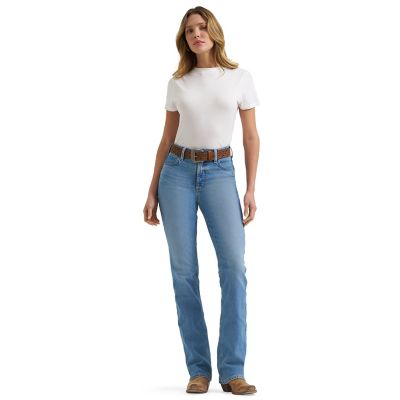
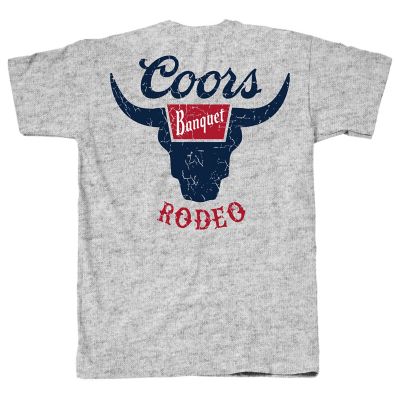
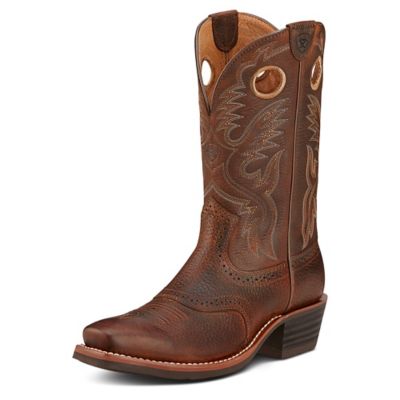
Country Chic Rodeo Outfits For Outdoor Events
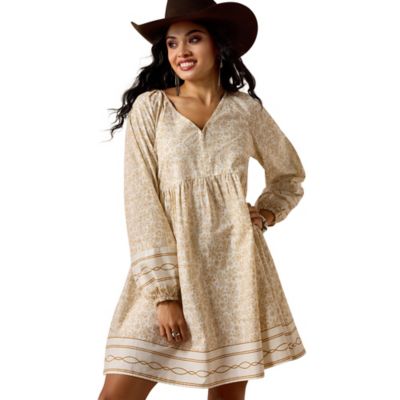
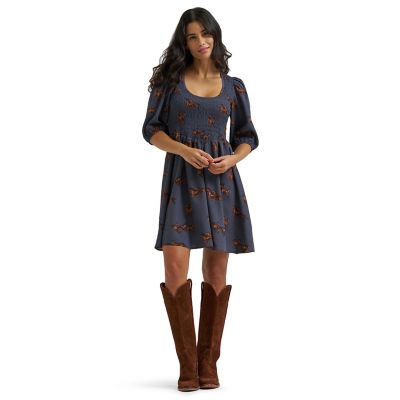
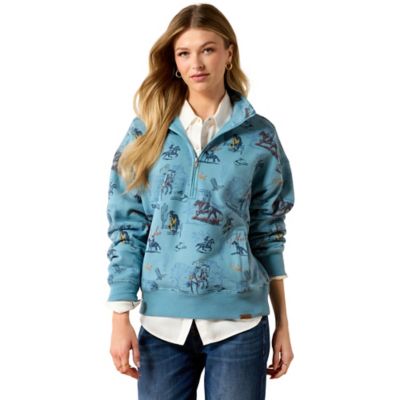
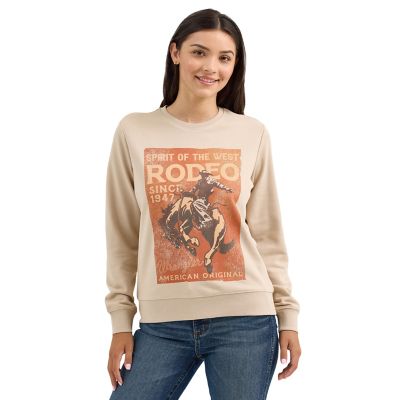
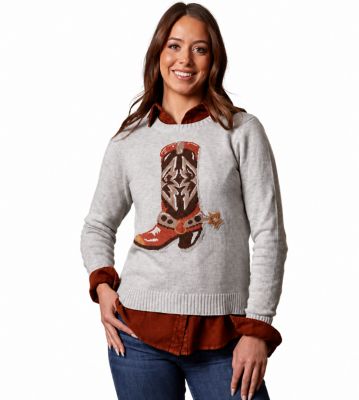
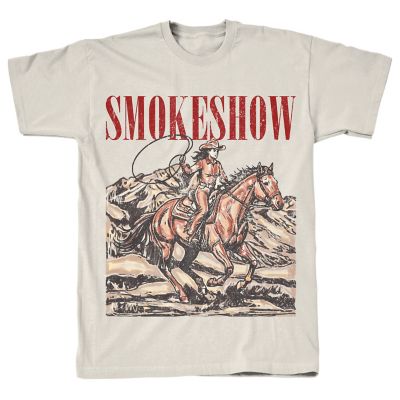
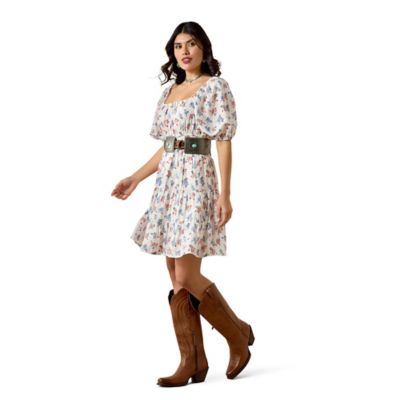
Country Chic Rodeo Outfits For Outdoor Events bring together laid-back comfort and classic western style, perfect for everything from rodeos to backyard BBQs. Whether you’re gearing up for a day at the fair or a night under the stars, these looks are all about mixing rugged charm with a touch of flair. Get ready to turn heads with outfits that fit right in at any outdoor gathering and keep you feeling as good as you look.
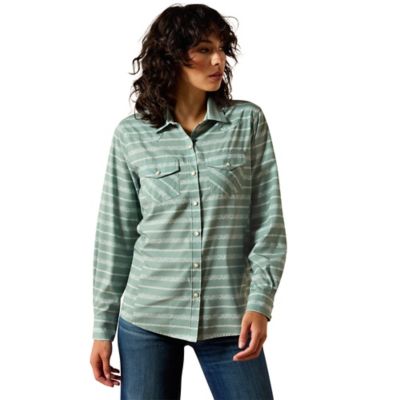
$35
.00
Sale Was $69.99 Save $34.99 (50%)
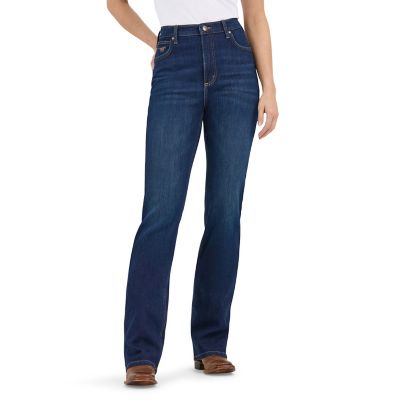
$71
.99
Sale Was $79.99 Save $8.00 (10%)
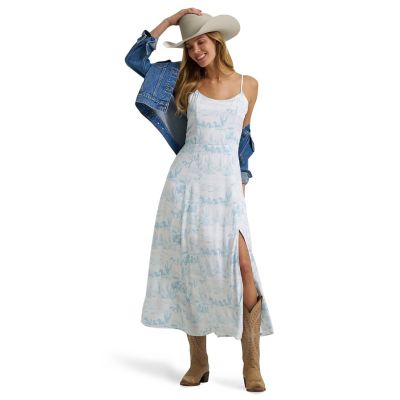
$52
.49
Sale Was $69.99 Save $17.50 (25%)
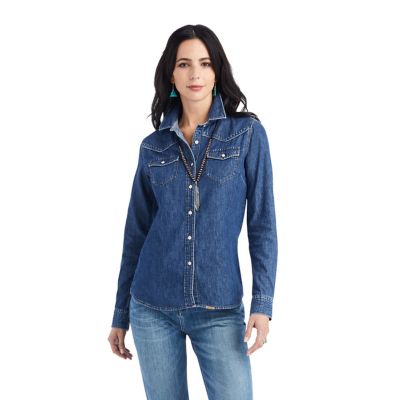

$52
.46
Sale Was $69.95 Save $17.49 (25%)
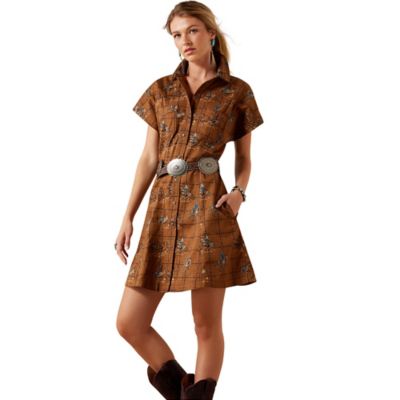
$52
.46
Sale Was $69.95 Save $17.49 (25%)


$44
.99
Sale Was $59.99 Save $15.00 (25%)

$58
.49
Sale Was $64.99 Save $6.50 (10%)

$53
.99
Sale Was $59.99 Save $6.00 (10%)

$13
.50
Sale Was $26.99 Save $13.49 (50%)

$37
.49
Sale Was $49.99 Save $12.50 (25%)
$23
.99
Sale Was $39.99 Save $16.00 (40%)
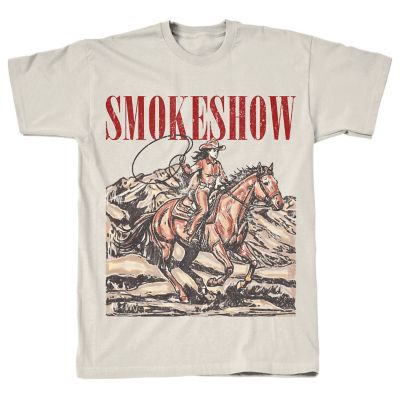

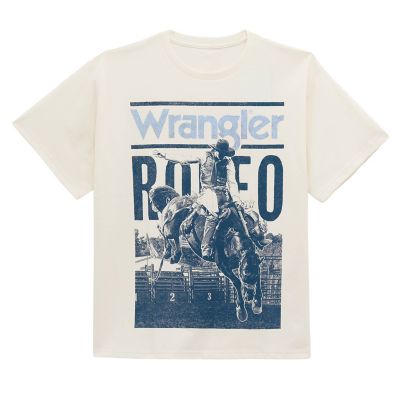
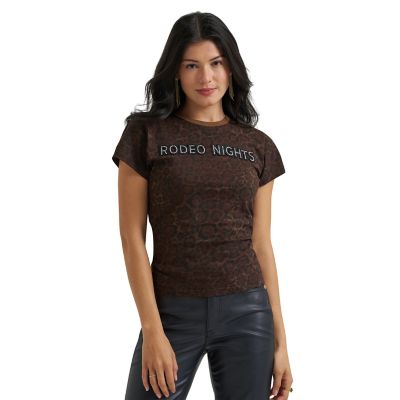
$40
.49
Sale Was $44.99 Save $4.50 (10%)

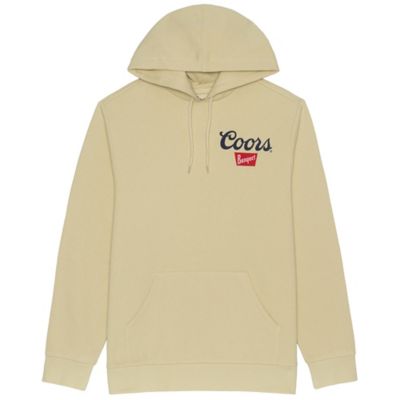
Best Of FAQ
What are some key elements of a country chic rodeo outfit for outdoor events?
Country chic rodeo outfits often feature classic Western staples such as denim jeans or skirts, plaid or embroidered shirts, cowboy boots, and statement belts. Accessories like wide-brim hats, fringe vests, and turquoise jewelry add a stylish touch while keeping the look authentic and functional for outdoor settings.
How can I style a country chic outfit for both comfort and fashion at an outdoor event?
To balance comfort and style, choose breathable fabrics like cotton or lightweight denim. Layering with a vest or light jacket can help adapt to changing weather. Pair your outfit with comfortable boots designed for walking and accessorize with practical yet fashionable items like bandanas or sun hats.
Are there specific colors or patterns that work best for country chic rodeo attire?
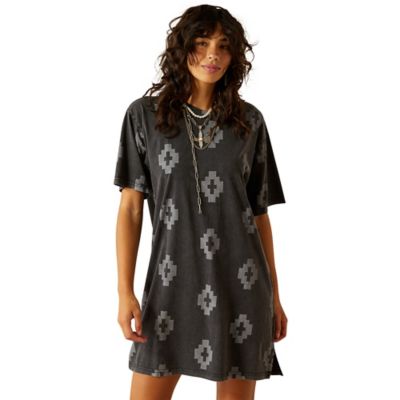
Earth tones such as tan, brown, olive green, and rust are popular choices for country chic looks. Classic patterns like plaid, gingham, and floral embroidery also complement the Western aesthetic. Adding pops of color through accessories can personalize your outfit while maintaining the overall theme.
What types of footwear are recommended for country chic rodeo outfits at outdoor events?
Cowboy boots are a staple for rodeo-inspired outfits due to their durability and iconic style. For added comfort during long outdoor events, consider boots with cushioned insoles or low heels. Ankle boots or Western-inspired sandals can also be suitable alternatives depending on the weather.
How can I accessorize my country chic rodeo outfit to enhance its Western flair?
Accessories such as leather belts with eye-catching buckles, bolo ties, concho jewelry, and wide-brimmed hats can elevate your look. Fringe bags or vests add movement and texture, while bandanas provide both style and sun protection. Choose pieces that reflect your personal taste while staying true to the country chic theme.
Best Sellers


-
"Overall great quality and comfortable to ride in"
-
"Excellent quality at a great price"
-
"Maybe the best boots I've ever owned. Will be buying another pair"
-
"I was skeptical of the color, but I love it. Very comfortable, perfect size XL"
-
"Love the color, weight & style but medium was smaller than other Arita shirts along the shoulders & sleeves"