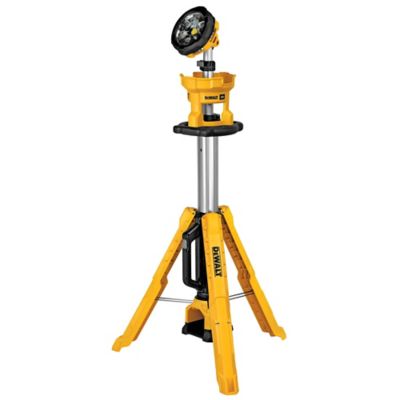
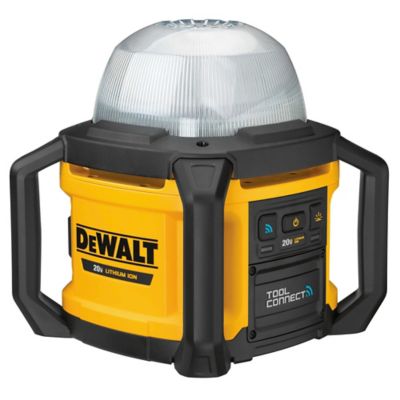
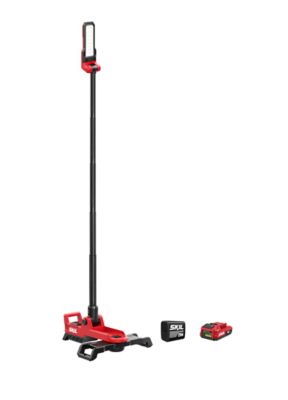
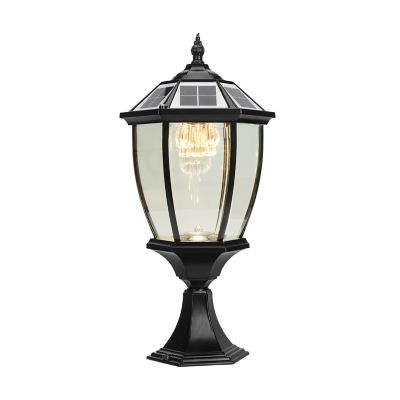
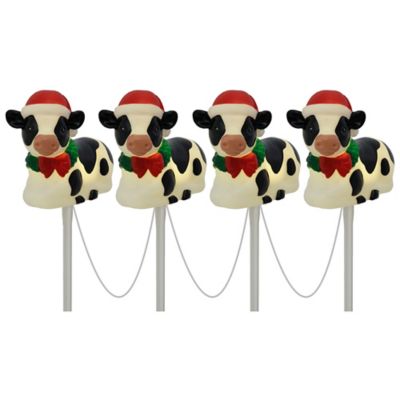
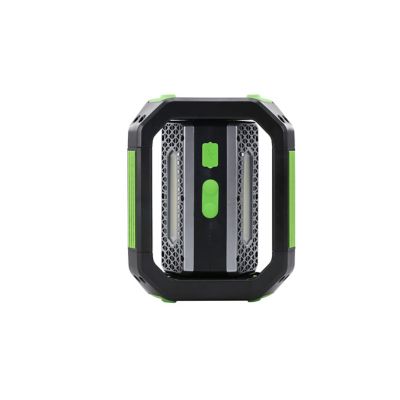
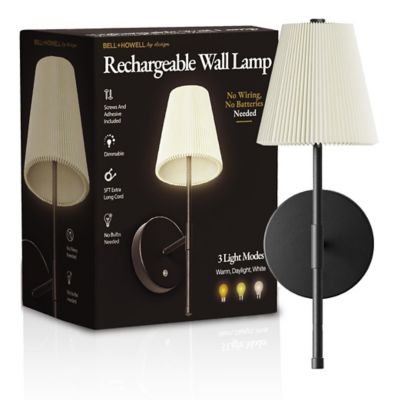
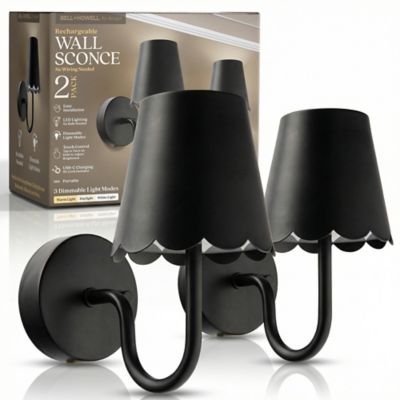
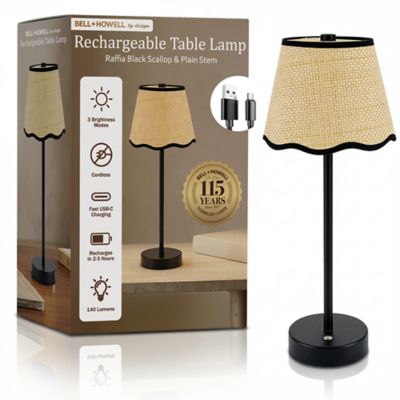
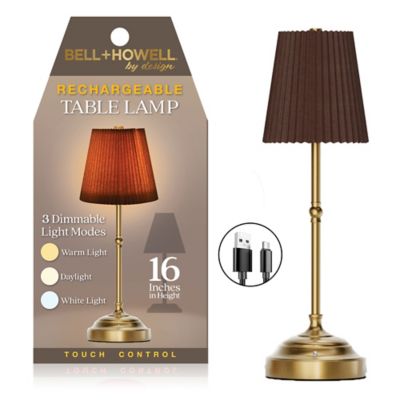
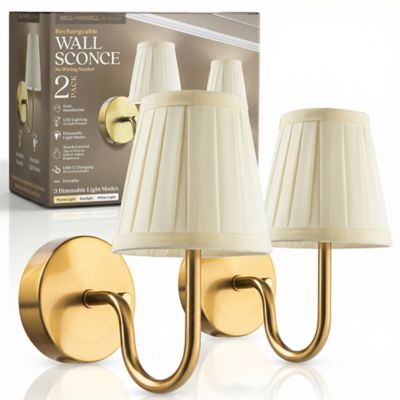
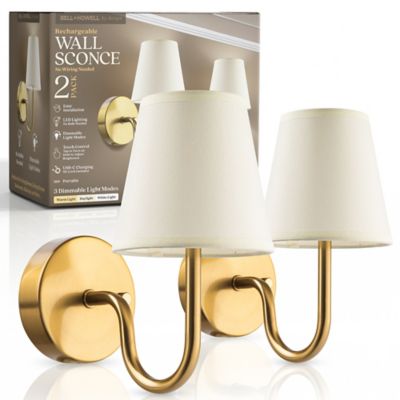
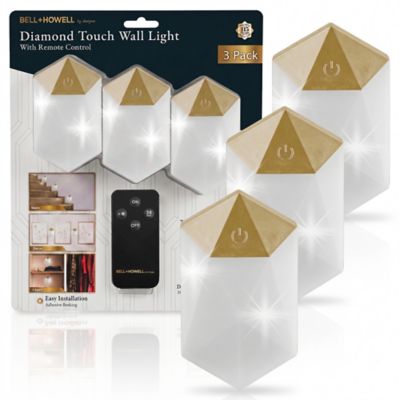
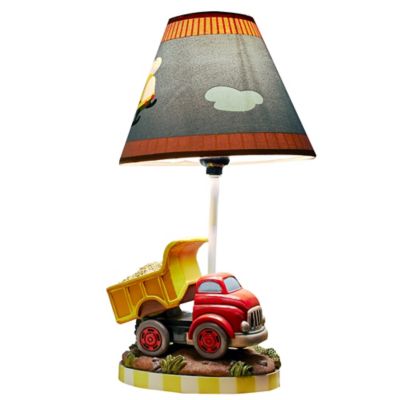
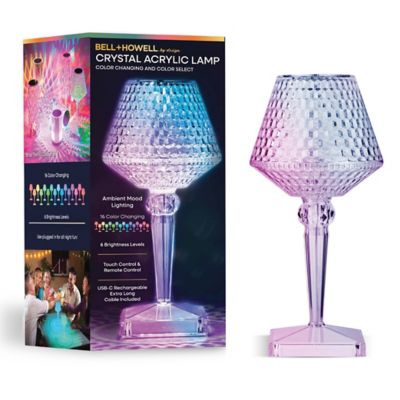
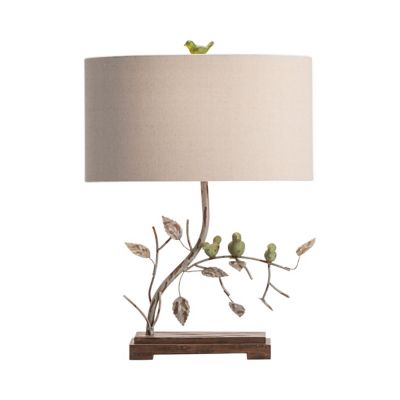
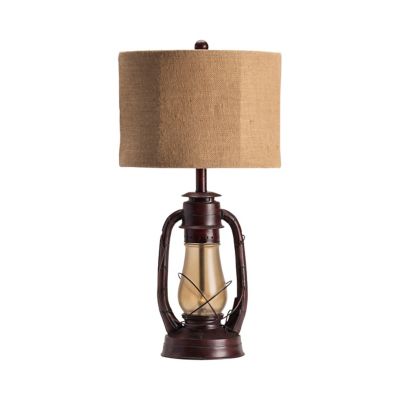
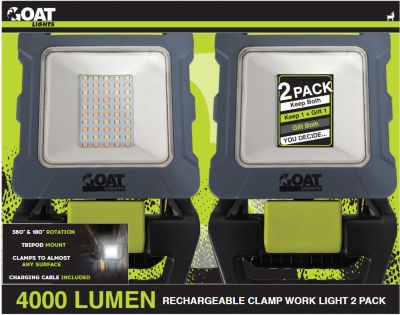
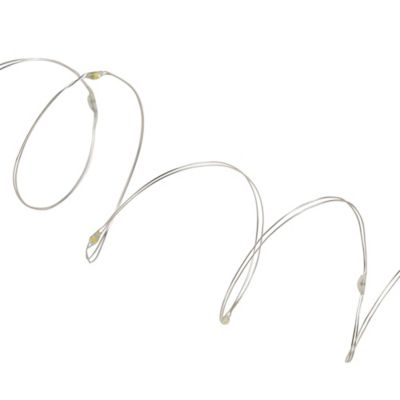
Cordless lights are portable or mountable lighting fixtures that run on rechargeable or replaceable batteries rather than staying connected to a wall outlet. The category includes handheld flashlights, headlamps, lanterns, task lights, portable table lamps, wall sconces, and battery-operated string lights. Each brings light to a different kind of space, whether that means a workbench in the barn, a reading chair away from an outlet, or a shelf where a trailing cord would get in the way. Battery-powered lighting also keeps extension cords out of walkways and makes it easier to move between jobs without stopping to find another power source. For folks who work around equipment, a compact light can put a clear beam behind an engine housing or beneath a trailer frame. A broader light can spread illumination across a bench while parts are laid out for a repair. Around the house, cordless lamps and sconces offer another way to brighten a bedside table, hallway, or corner without running a cord across the floor. Different shapes serve different purposes: a narrow handheld body slips into a pocket, a lantern throws light around a gathering space, and a headlamp keeps both hands free for carrying feed or fastening a latch. Pivoting heads, folding stands, hanging hooks, and magnetic bases can help position light where the work is happening, though those features vary by design. The way a light sits matters just as much as the way it shines. A broad base helps a tabletop lamp stay settled, while a low-profile task light can fit into a cramped space where a taller fixture would be awkward. Handles and controls deserve attention, too. A grip that feels comfortable during a quick check may feel different after a long walk through the property, and a large switch can be easier to operate with work gloves on. These everyday details give cordless lighting a place in homes, shops, barns, campsites, and vehicle tool kits.
Brightness, beam shape, and battery life help distinguish cordless lighting options beyond their size and shape. Lumens describe total light output, but that number alone does not show how a fixture will illuminate a particular spot. A tight beam reaches into a confined area, while a flood pattern covers more of the surroundings. Even light across a work surface makes small hardware easier to see without a bright center spot taking over the view. Adjustable output can serve several jobs with the same fixture: a lower setting may suit a nearby cabinet, while a higher setting can help with a larger repair area. Color temperature affects the appearance of the light, with warmer tones often fitting living spaces and cooler white tones giving work areas a brighter-looking appearance. Glare matters around reflective metal, glass, and glossy surfaces, where a diffuser or a change in light angle can make close work more comfortable. For task-oriented options,
Battery Operated Work Lights suit the same need for portable illumination around repairs, maintenance, and chores. Power arrangements vary across the category. Some cordless lights contain a rechargeable battery, some accept removable rechargeable packs, and others take replaceable household batteries. A removable pack can be convenient when another charged pack is ready, but the battery platform, voltage, and connection must match the light’s requirements. Similar-looking packs are not necessarily interchangeable. Built-in batteries reduce the number of loose parts to keep track of, while replaceable batteries may fit an existing supply kept for flashlights and other household equipment. Listed runtime is tied to operating conditions and brightness settings, so maximum output and maximum runtime generally describe different operating modes. Battery indicators, charging-status lights, and clearly marked controls make it easier to tell whether a light is ready before heading to an outbuilding or starting a repair. Charging connections and required adapters also vary, making those details worth checking alongside the light itself.
Construction and intended placement matter when a light moves between a kitchen counter, a truck cab, and a busy shop. Metal and impact-resistant plastic housings offer different balances of weight and protection, while recessed lenses, protective bumpers, and reinforced handles can help with everyday knocks. A light that spends most of its time on a nightstand has different demands than one riding beside hand tools. Water-resistance and dust-protection ratings should match the intended setting; a fixture meant for a dry room is not automatically suitable beside a wash area or in an open-sided shed. Resistance to splashes does not mean a light can be submerged, and ordinary work lighting is not a substitute for equipment specifically rated for locations with flammable vapors or combustible dust. Mounting details call for the same practical attention. Magnetic bases need a suitable steel surface, clamps need enough opening and grip for the support, and adhesive mounts depend on the surface and the maker’s installation directions. Hanging a light where it cannot swing into livestock, machinery, or a walking path helps keep illumination useful without creating another obstacle. Care is generally straightforward but should follow the fixture’s instructions: keeping the lens clear of dust helps preserve light output, and clean, dry charging contacts support proper charging. Solvents, pressure washing, and soaking can damage components unless the manufacturer specifically permits them. Battery storage and charging requirements also deserve attention, especially for lights that spend long stretches in a toolbox between jobs. For everyday readiness, a designated storage spot keeps the light, charging cable, and compatible batteries together instead of scattered across drawers. Cordless lights can also make practical gifts for someone setting up a first shop, maintaining a small acreage, tackling vehicle repairs, or settling into a new home. The best fit comes from the recipient’s routine: hands-free lighting for close work, broad illumination for shared spaces, or a compact beam for quick checks. A light that fits the task, the space, and the way someone works is more likely to earn a regular place within reach.