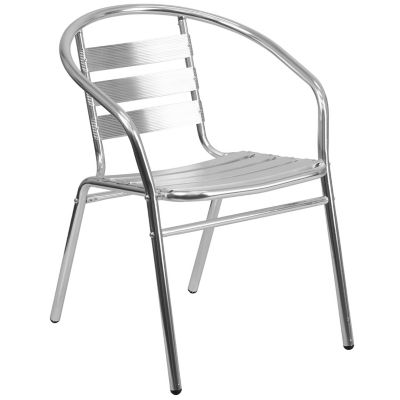
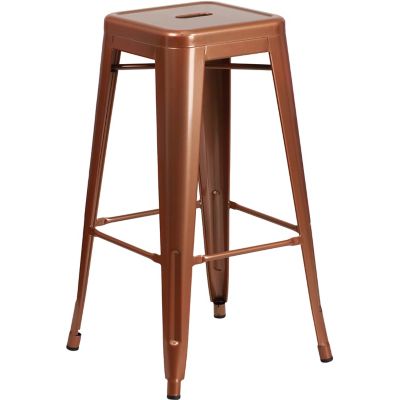
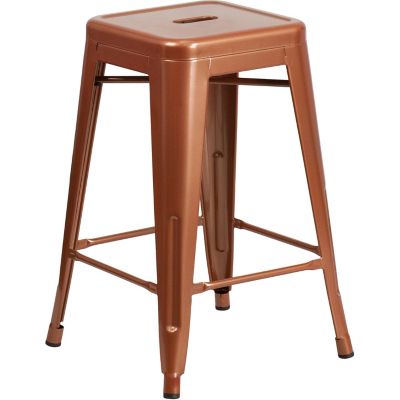
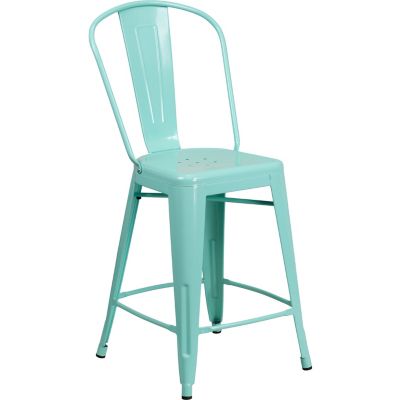
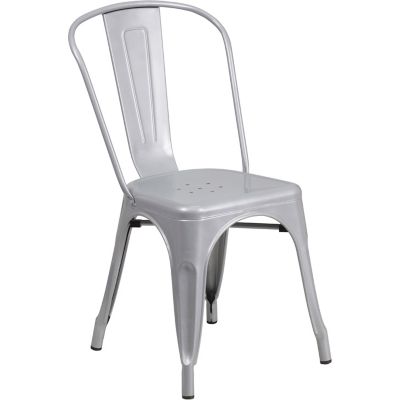
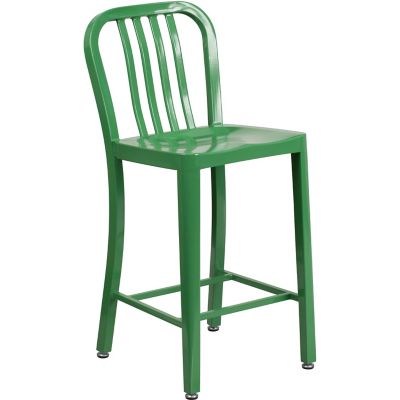
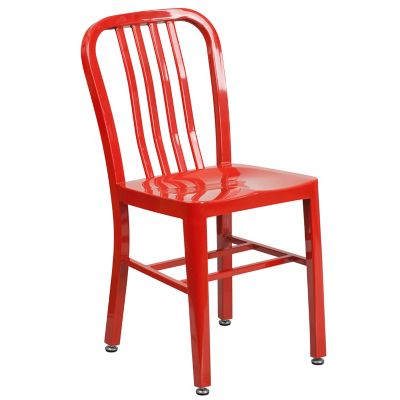
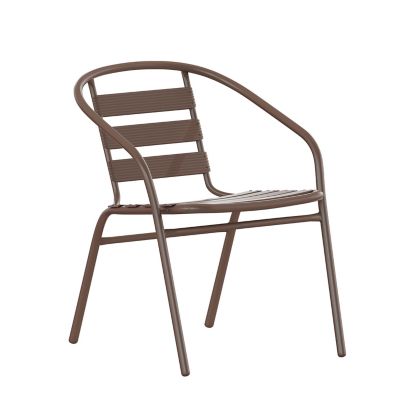
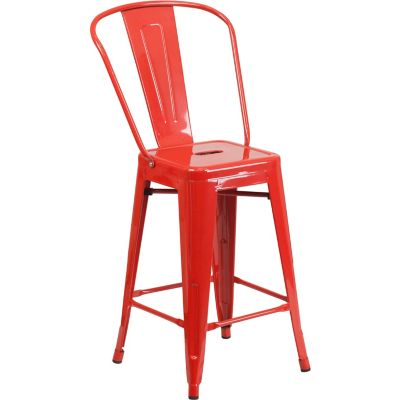
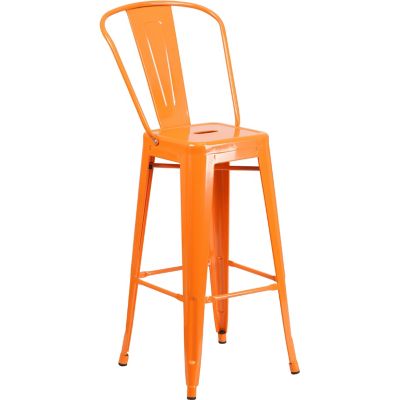
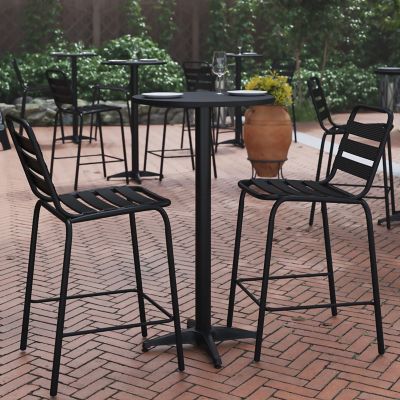
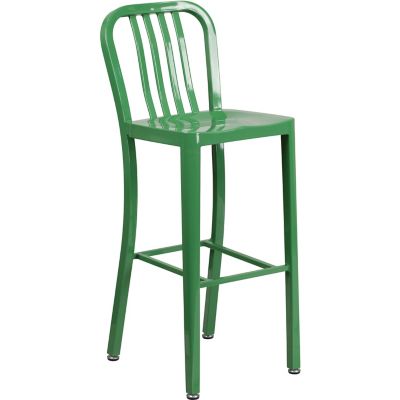
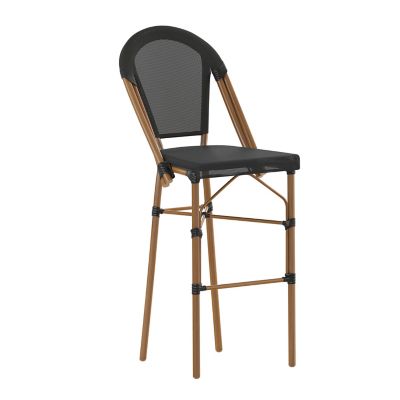
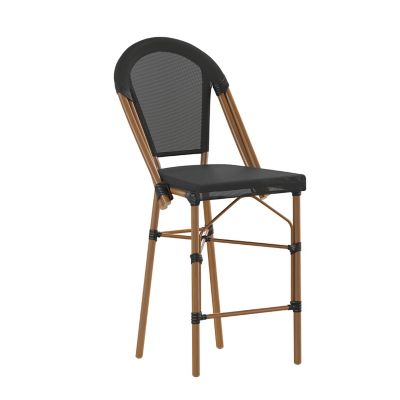
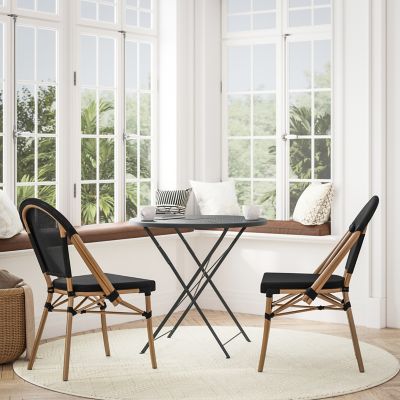
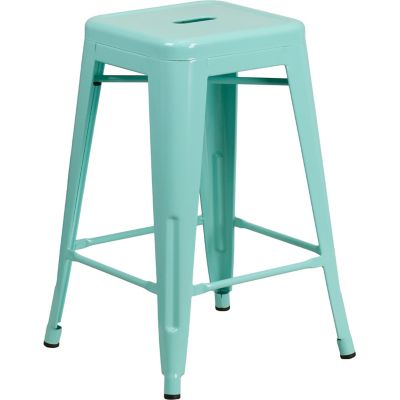
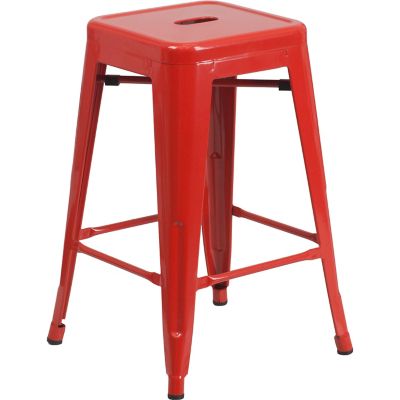
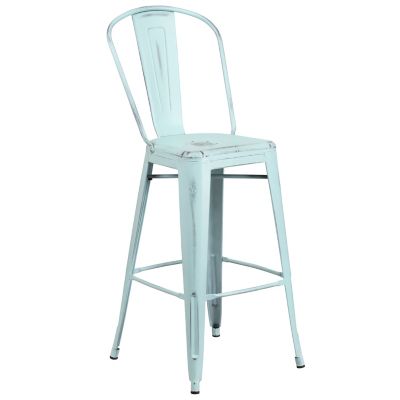
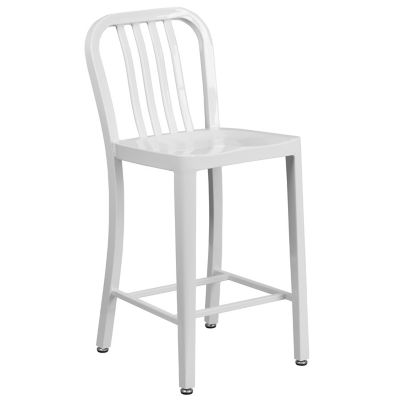
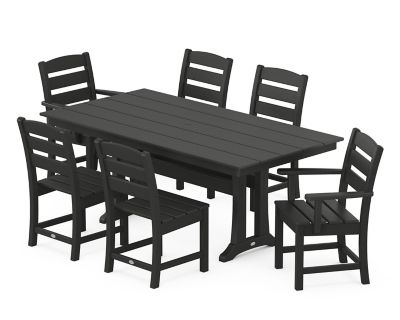
Commercial dining furniture includes tables, chairs, booths, benches, and bar stools built for the steady traffic and frequent cleaning that come with serving meals away from home. These furnishings help restaurants, cafés, cafeterias, gathering halls, and workplace break rooms provide comfortable places to sit while keeping everyday operations moving. In a small-town diner, that might mean tables that stay steady through the breakfast rush and chairs that pull out easily when folks arrive in work boots and heavy coats. At a farm market café or roadside lunch counter, it might mean seating that handles crumbs, spilled coffee, and several rounds of guests without demanding much downtime between meals. Commercial construction generally puts emphasis on frame strength, secure joints, stable bases, and surfaces suited to repeated wiping, though the intended setting and care requirements vary by furniture type. Tables and seating designed for business settings should carry manufacturer information that supports that purpose; a heavy appearance alone does not establish suitability for commercial service. Solid wood brings warmth and visible grain to a dining room, while metal frames offer a clean, straightforward look that fits everything from a lunchroom to a covered gathering space when rated for that location. Laminate tabletops can provide a smooth, easy-to-wipe eating surface, and properly finished wood tops offer a welcoming feel with care suited to their finish. Upholstered seats add cushioning for longer visits, while nonupholstered seating keeps cleanup simpler in rooms where quick meal turnover matters. Coordinated dining furniture can also bring tables and seating together visually, but matching finishes are only part of the picture. Seat height, tabletop clearance, base placement, and the demands of the room all shape how well a setup serves the people sitting there. A dining space feels more comfortable when guests can settle in, share a meal, and leave the table without squeezing past furniture or bumping knees against a support.
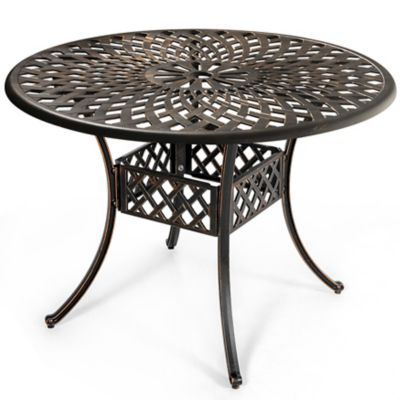
Materials and construction make a noticeable difference over a full day of service. Powder-coated steel frames provide a protective finish over the metal, but scratches and worn areas still deserve attention, particularly where moisture collects. Cast iron table bases bring weight near the floor, while the size and shape of a base affect both stability and foot room. A pedestal base can leave more open space around the table edge, though its footprint still needs to suit the tabletop dimensions specified by the manufacturer. Four-leg tables offer a familiar arrangement, with leg placement determining how easily chairs tuck underneath. On wood furniture, well-fitted joints and a finish appropriate for dining help support everyday performance; standing water, hot serving pieces, and harsh cleaners can still leave marks. Laminate surfaces vary in their resistance to heat, scratches, and moisture, and exposed seams or damaged edges can become trouble spots when spills linger. Seating construction matters just as much. Cross-bracing, reinforced connections, and firmly attached seats can help furniture stand up to repeated movement, while published weight capacities and assembly requirements provide a clearer basis for selection than looks alone. Replaceable floor glides help protect flooring and can reduce scraping as chairs move across the room. Adjustable table feet can help compensate for minor floor unevenness, a practical detail in an older storefront or gathering hall where a wobbling table quickly gets noticed. For cushioned seating, upholstery intended for commercial settings should have cleaning instructions that fit the work routine. Food spills and cleaning chemicals affect fabrics and coated coverings differently, so compatibility matters more than a broad easy-care claim. Routine care usually centers on prompt spill removal, suitable cleaners, and regular checks for loose fasteners, cracked parts, or uneven contact with the floor. Following the specified assembly and maintenance directions helps preserve strength and appearance through the daily cycle of seating, clearing, wiping, and resetting. Even sturdy furniture needs that attention when breakfast service rolls straight into lunch.
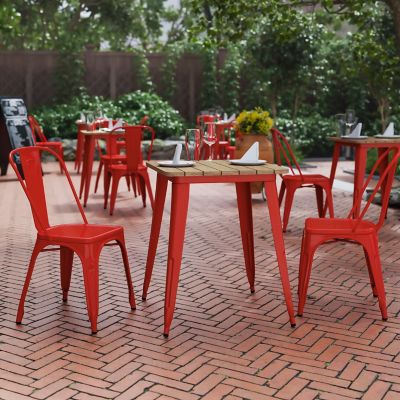
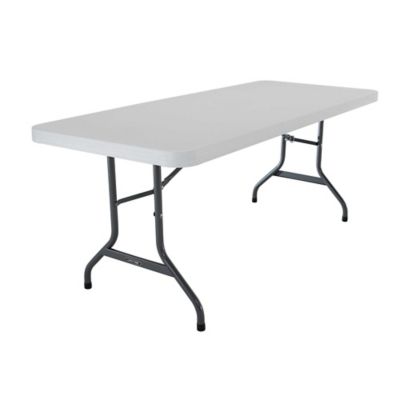
Fit brings all those details together, especially in dining rooms that serve different groups throughout the day. Standard dining tables are commonly about 28 to 30 inches high, with dining chair seats often around 17 to 19 inches high, though individual dimensions vary. Counter-height and bar-height seating require taller matching surfaces, and the space between the seat and the underside of the table matters as much as the overall height. Table aprons, thick tops, armrests, and footrests can change how a chair or stool fits, so matching height labels alone does not tell the whole story. Smaller square tables can suit couples or allow flexible arrangements for larger parties, while rectangular tables work well for shared meals, meeting lunches, and long gathering rooms. Round tables keep conversation open across the group, but their floor space needs differ from rectangular layouts. Booths can give a dining room a settled, comfortable feel, while movable chairs offer flexibility when a family needs another seat or a room shifts from lunch service to an evening gathering. Stackable seating and folding tables can make sense in multipurpose halls, provided their commercial ratings, storage dimensions, and handling requirements fit the setting. Clear paths matter wherever servers carry full trays or guests move with mobility devices; accessible seating and circulation need to meet applicable requirements rather than simply fitting the largest possible number of places into the room. Outdoor dining adds another set of demands, from damp mornings to windblown grit and changing temperatures. Furniture for a patio, porch, or open-air eating area needs a stated outdoor rating, appropriate corrosion protection, and care suited to local conditions. For spaces that extend beyond the dining room,
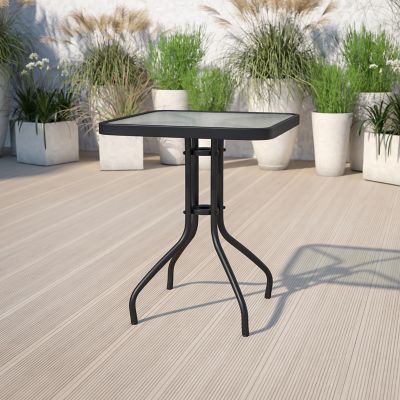
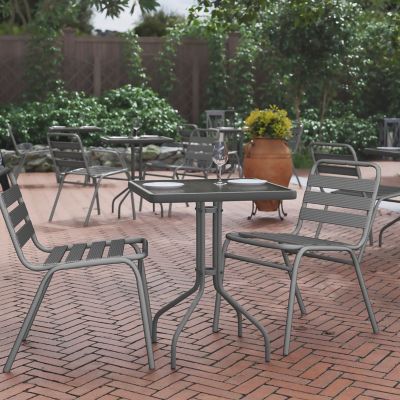
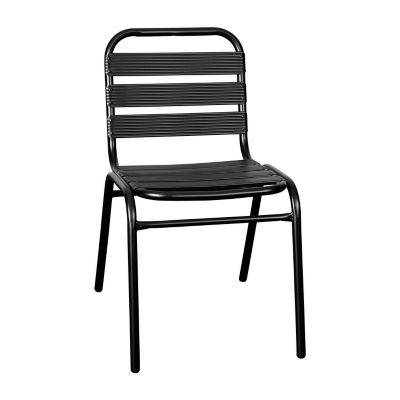
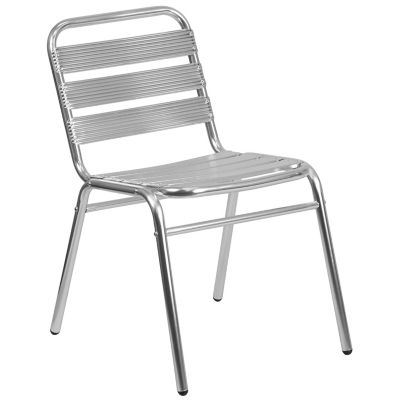
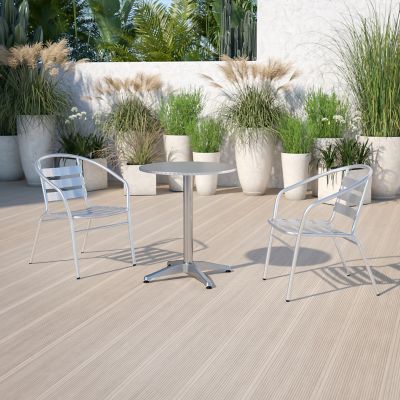
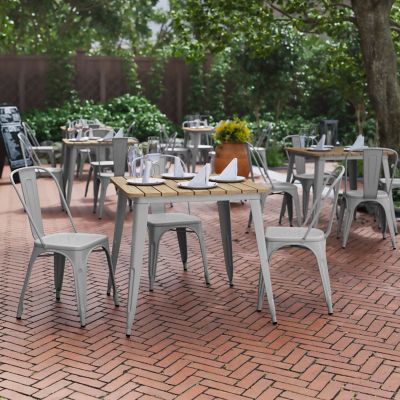
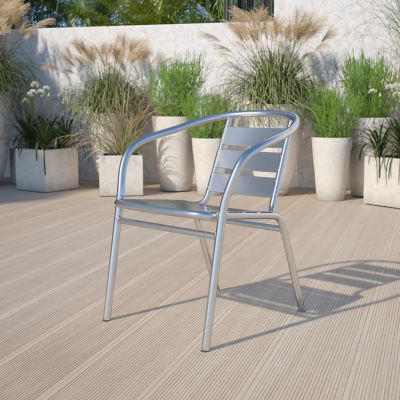
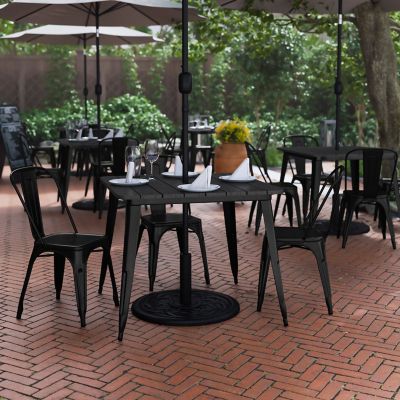
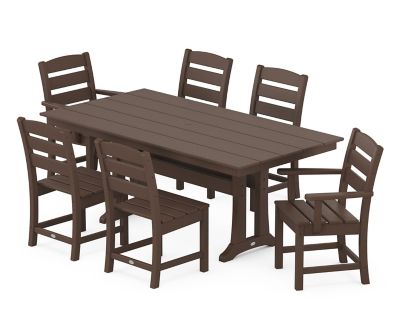
Heavy Duty Outdoor Dining Sets offer a related furniture category to consider alongside indoor seating. Covered placement does not make indoor furniture suitable for outdoor exposure, and cushions or finishes may need sheltered storage during stretches of wet or cold weather. Whether the setting serves farm crews at midday or families lingering over supper, well-matched commercial dining furniture supports a welcoming place to eat and a manageable routine for the people keeping it running.