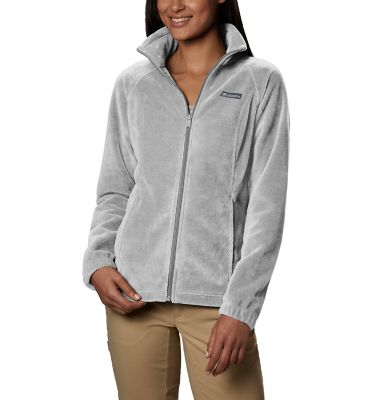
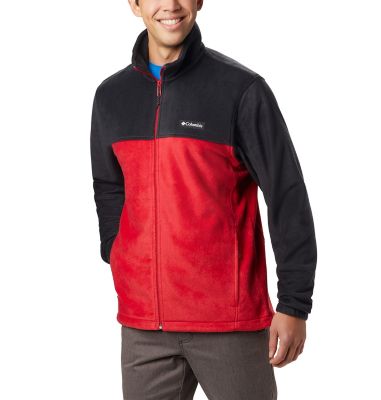
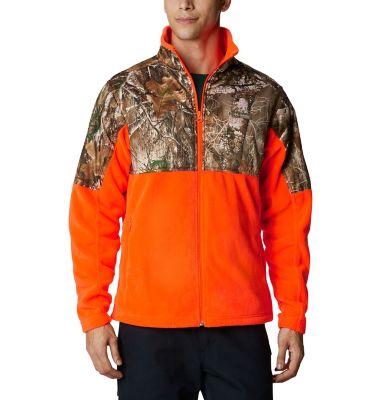
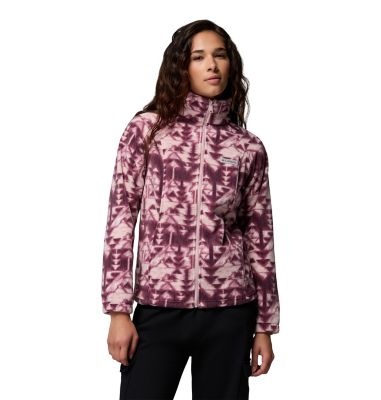
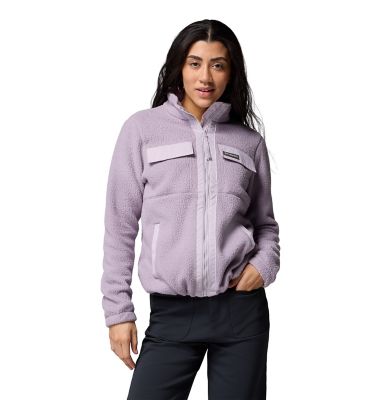
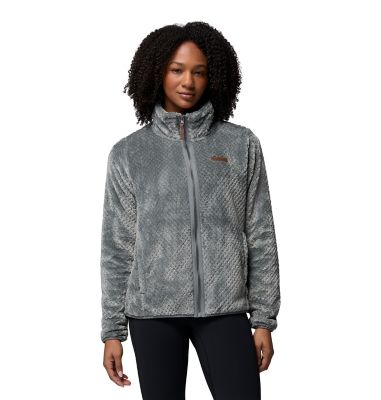
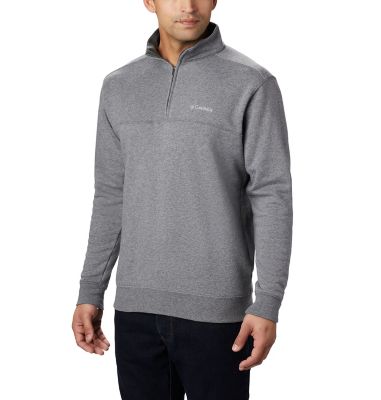
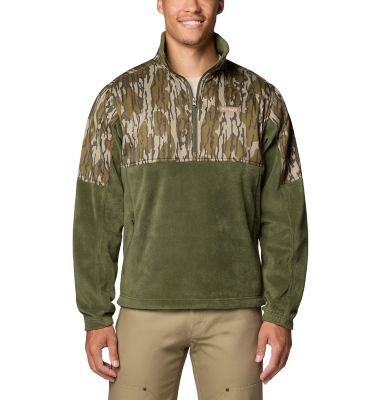
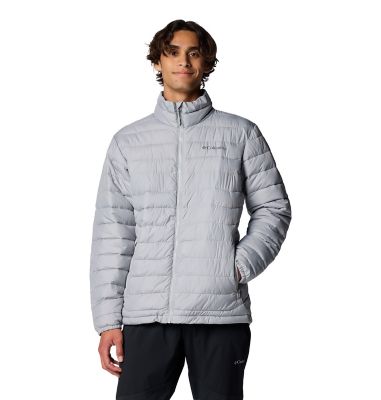
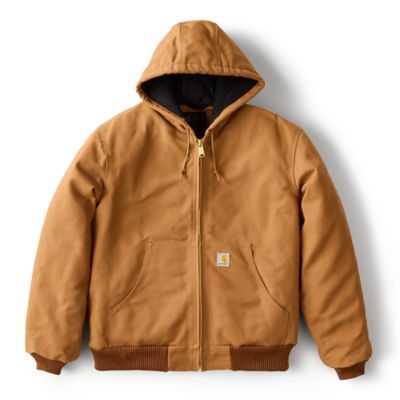
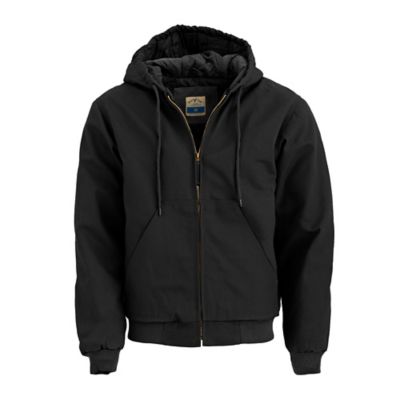
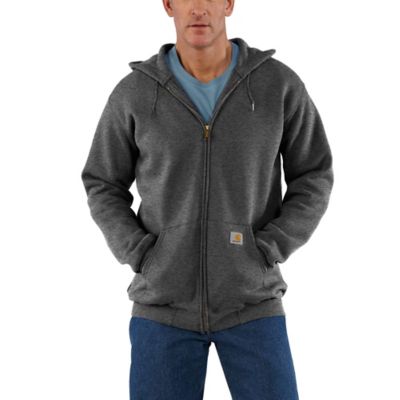
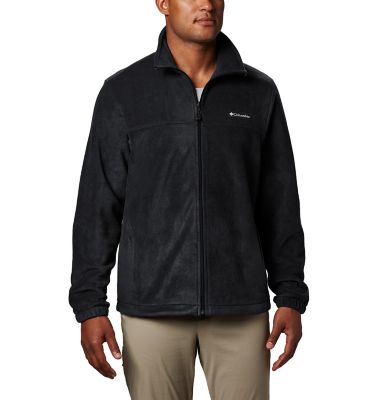
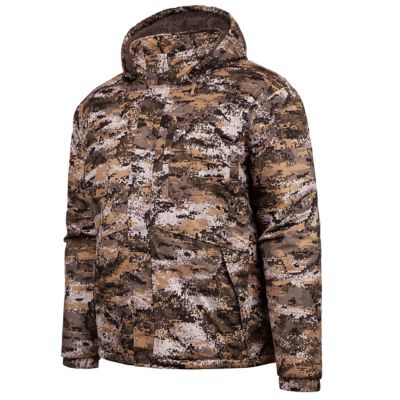
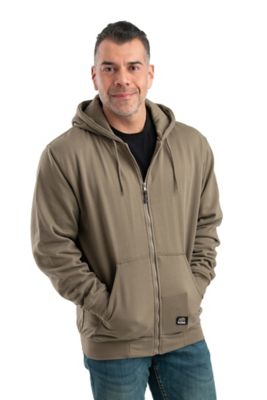
A fleece jacket brings soft warmth to everyday jobs without the heft of a heavy coat. It fits naturally into a day that starts with feeding animals, includes a run into town and ends with a walk down the lane. The brushed fabric holds pockets of air close to the body, helping slow heat loss while leaving room to move. Polyester is a common fleece material because it is lightweight, dries relatively quickly and keeps its shape with proper care. Some fleece fabrics include recycled polyester or stretch fibers, so the fiber content can tell a little more about how a jacket will feel and move. Fabric weight and texture make a difference, too. A smooth, low-profile fleece slips beneath a shell with less bunching, while a thicker, loftier fleece offers a cushier feel for less active stretches outside. Higher-pile textures can feel especially cozy, though their extra volume may take up more room under another jacket. Weight alone does not tell the whole story; fabric construction, coverage and the layers worn underneath all affect comfort. Standard fleece is generally better at holding warmth than blocking wind or steady rain. On a breezy ridge or a wet walk across the property, a separate wind-resistant or waterproof outer layer can make the setup more practical. For dry, sheltered conditions, fleece can work well on its own. That flexibility makes it a useful layer for people moving between a chilly yard, a truck cab and indoor spaces throughout the day. It also suits activities where a stiff, heavy jacket would get in the way, such as walking a dog, tending a garden or watching a ballgame from the sidelines. The right weight depends on the pace: brisk movement calls for less insulation than sitting still on a bench. A jacket that feels comfortable during a short walk may feel quite different after an hour of standing around, which makes intended use just as important as softness.
Fit determines whether a fleece jacket becomes a regular grab from the coat hook or stays hanging there. A comfortable cut leaves space across the shoulders and upper back without feeling baggy through the body. Reaching forward to lift a feed scoop or stretching overhead to close a gate should not pull the hem sharply upward or leave the wrists bare. Sleeve length matters when hands are on a steering wheel, and a hem that covers the waistband helps limit gaps when bending or sitting. A closer fit can work well beneath an outer shell, while a roomier cut makes sense over a heavier shirt. Neither should feel tight at the elbows once another layer is underneath. When browsing the
Mens Fleece Jacket category, the most useful size is the one that matches both body measurements and the clothing worn beneath it. Size charts help account for differences in cuts, especially through the chest, shoulders and sleeves. Details around the opening and pockets also shape everyday comfort. A full-length zipper makes it easier to let out heat after a brisk walk or take the jacket off without pulling it over a hat. A stand collar adds coverage at the neck, but its height and zipper placement should feel comfortable when fully closed. A soft zipper guard can help keep hardware away from the chin. Hand pockets give fingers a place to warm up, while zippered pockets help contain keys or a phone when climbing into a truck or leaning over a fence. Pocket position matters if the jacket will sit beneath a backpack strap or an outer coat. Cuffs that rest neatly at the wrist are less likely to bunch beneath gloves, and a hem adjustment, where present, can reduce loose fabric around the waist. These are small details, but they become noticeable over a full day of opening doors, carrying supplies and moving between tasks.
Regular care helps fleece keep its comfortable feel and supports longer wear. The care label is the starting point, since fiber blends, trims and fabric treatments can call for different handling. Many polyester fleece garments can be machine washed in cool water with mild detergent, but the label should settle the wash setting and drying method. Closing zippers before washing can help limit snagging, and washing fleece separately from lint-heavy fabrics can reduce the fuzz that clings to its surface. Fabric softener is best skipped unless the garment instructions specifically allow it, since it can leave a coating on the fibers. Air-drying or a low-heat setting may be appropriate when permitted by the label; high heat can damage synthetic fleece. Keeping hook-and-loop fasteners closed on other garments in the load also helps protect the brushed surface. Friction from seat belts, backpack straps and repeated rubbing at the elbows can cause pilling over time. Small surface pills do not necessarily mean a jacket has lost its warmth, though they can change its appearance. Heavy brush, rough lumber and sharp fencing hardware are tougher on fleece than everyday walking and light chores, so a protective outer layer makes sense for abrasive work. Synthetic fleece also belongs away from open flames, hot equipment and welding sparks; it is not a substitute for work clothing rated for those hazards. Between outings, letting the jacket dry fully before hanging it up helps keep it fresh for the next wear. For gifting, fleece suits someone who spends time outside but also wants a comfortable layer for errands, travel or relaxing on the porch. A familiar color and a cut close to the recipient’s everyday clothing can make the choice easier. Checking their usual size, preferred sleeve length and whether they layer over a T-shirt or a heavier shirt is more useful than guessing from appearance alone. A fleece jacket earns its place through that combination of comfort, sensible coverage and easy movement, whether it rides behind the truck seat or hangs beside the back door.