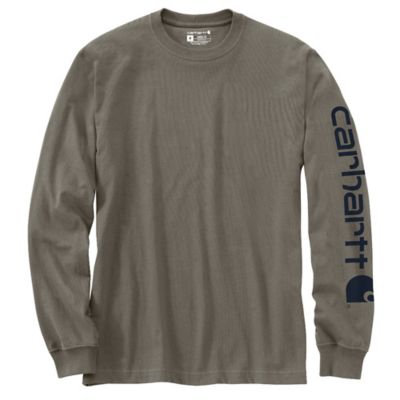
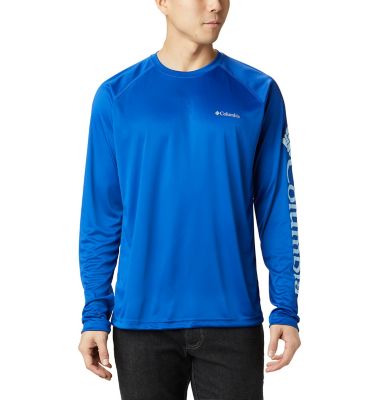
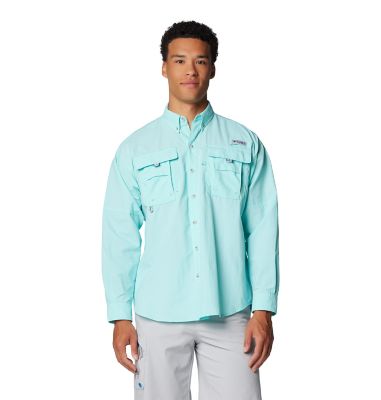
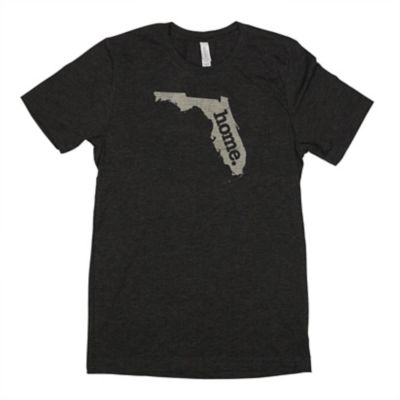
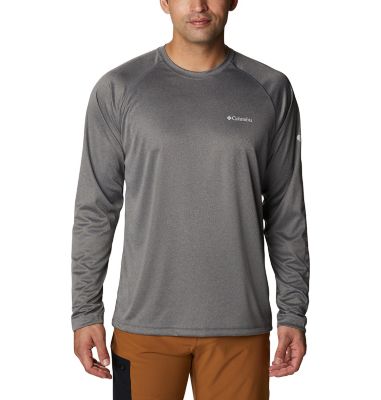
A college long sleeve shirt puts school pride into an everyday piece of clothing, whether that connection started in a lecture hall, on the sidelines, or around the family television. For graduates, students, parents, and fans who have followed the same team for years, a familiar school name or mascot carries meaning well beyond the scoreboard. Long sleeves give college graphics a little more room to stand out, with designs that may place lettering across the chest, down an arm, or along the back. A small chest emblem has a quieter look for everyday errands, while a broad wordmark makes the team connection clear from across a tailgate gathering. School colors matter, too: some fans prefer a shirt built around their team’s main color, while others lean toward a neutral background with contrasting lettering. Either approach fits easily with jeans, everyday pants, or shorts without needing a whole outfit planned around it. These shirts make sense for campus visits, alumni gatherings, watch parties, and a Saturday spent listening to the game while crossing chores off the list. They also suit the fan whose school loyalty comes from family tradition rather than a diploma. A college shirt can be just as meaningful to a grandparent who never misses a broadcast as it is to a student heading into a first semester. When putting together an outfit for a stadium trip or a gathering at a neighbor’s place,
College Gameday Wear offers a related place to explore the broader theme. The shirt itself can stay simple and practical. A clear team graphic, a comfortable neckline, and sleeves that sit where they should often do more for everyday wear than an elaborate design. The best match is one that reflects the wearer’s school connection and feels natural alongside the clothes already in the closet.
Fabric and construction shape how a college long sleeve shirt feels through a full day, so those details deserve as much attention as the graphic. Cotton jersey is a familiar choice for its soft feel and breathable knit, though fabric weight and finishing can make two cotton shirts feel quite different. A lighter jersey tends to drape closer to the body and tuck without much extra fabric at the waist. A heavier knit may have a more substantial feel and hold its outline better, but weight alone does not tell the whole story about how a shirt will wear. Cotton and polyester blends can combine a familiar T-shirt feel with faster drying and less wrinkling, depending on the proportions and construction. Fabrics with a small amount of stretch may give more easily when reaching across a tailgate table, carrying a folding chair, or settling into a seat for a long game. Athletic-style materials often have a smoother surface than traditional cotton jersey; moisture-management performance should be checked in the garment details rather than assumed from appearance. Seams, neckbands, and cuffs are worth a look as well. Even stitching and neatly finished seams help a shirt stand up to repeated wear, while a ribbed neckband should lie comfortably without pulling at the throat. Ribbed cuffs keep the sleeve opening gathered at the wrist; open cuffs give a looser finish that some wearers prefer. Neither is automatically better, but the difference becomes noticeable during ordinary movement. Printed artwork can range from a light finish that moves with the fabric to a thicker graphic with a more noticeable surface. Embroidered details add texture and may feel firmer against the inside of the shirt. Anyone sensitive to seams, labels, or stitching may appreciate checking those details before choosing. For a shirt headed into frequent rotation, comfort against the skin and sound construction are more useful considerations than judging by the front graphic alone.
Fit brings those fabric details together. A college long sleeve shirt should allow the wearer to reach forward, bend an elbow, and sit comfortably without the hem pulling excessively or the shoulders feeling tight. A closer cut can work well beneath an overshirt, while a relaxed shape leaves more room through the chest and middle. Size names do not tell the whole story, and cuts can differ even when the size on the label is the same. Comparing a size chart with the chest width, body length, and sleeve length of a well-fitting shirt at home gives a more useful starting point. The shoulder seam often sits near the edge of the shoulder on a traditional cut, although dropped-shoulder styles are designed to fall farther down the arm. Sleeve length deserves particular attention: a cuff that reaches the wrist while standing may pull back when the arms extend, and an overly long sleeve can get in the way during daily tasks. Follow any posted measurement directions, since some charts list body measurements and others describe the garment itself. Care is another part of keeping a favorite college shirt in regular rotation. Read the care label before washing, separate colors as directed, and turn printed shirts inside out when the garment instructions allow it to limit rubbing against the artwork. Excessive dryer heat can shrink some fabrics or affect graphics, so follow the listed drying method rather than treating every shirt alike. Avoid ironing directly over printed lettering unless the care directions specifically permit it. A college long sleeve shirt also makes a thoughtful gift for a graduate, a student leaving for campus, or a relative with a lifelong team allegiance. Confirm the school, preferred fit, and size instead of relying on a guess, especially when several colleges share similar colors. For a recipient who wears team clothing often, an easy-to-pair design may see plenty of wear between games. For someone marking a milestone, the school connection can make an otherwise practical shirt feel personal. Either way, a comfortable fit and manageable care routine help keep it in the everyday lineup.