Coastal outdoor lighting fixtures bring practical light to the places around your home, barn, workshop, garage, or rental property where salt air, damp weather, and strong sunlight can take a toll on ordinary outdoor fixtures. Whether your property sits near the shore or you simply like a relaxed seaside look, choose lighting made for exposed locations. Start by checking the fixture’s wet-location rating. A wet-rated fixture is built for spots where rain, spray, or melting snow may reach the housing, making it a smart choice for an open porch, walkway, gate, or driveway. Damp-rated lighting is meant for covered areas where moisture may be present but water does not fall directly on the fixture. That distinction matters along the coast, where wind can push mist and rain beneath a roof overhang. For homes near saltwater, materials deserve close attention. Solid brass and copper handle outdoor exposure and develop a natural surface change over time, while marine-grade stainless steel is treated to help limit pitting and corrosion. Weather-resistant composite housings can provide a rust-free option, especially where strong sun and sea spray are part of everyday life. Look for finishes made to resist fading, sealed lens openings, corrosion-resistant hardware, and construction that keeps moisture away from wiring and connections. A well-chosen fixture should fit the conditions around your home as well as the way your family moves through the property.
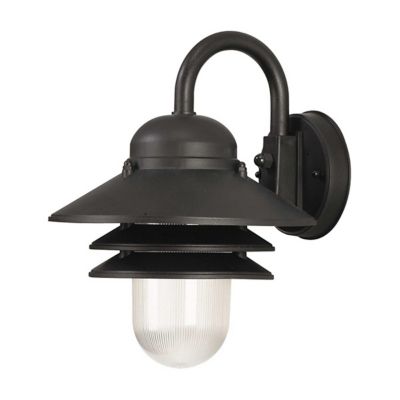
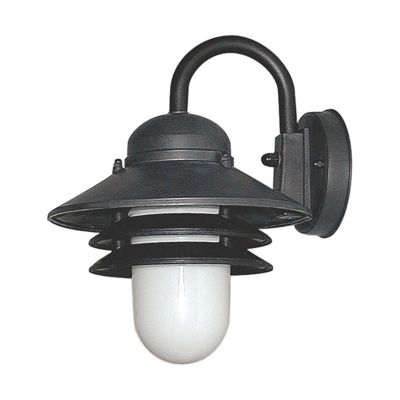
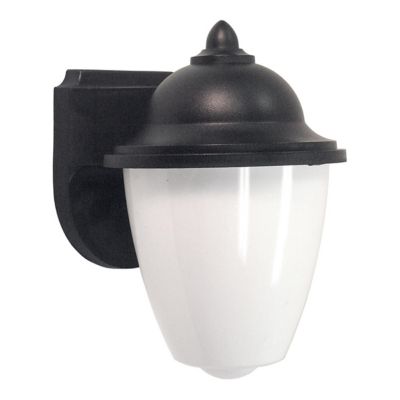
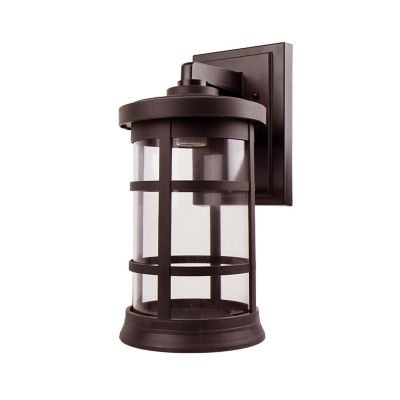
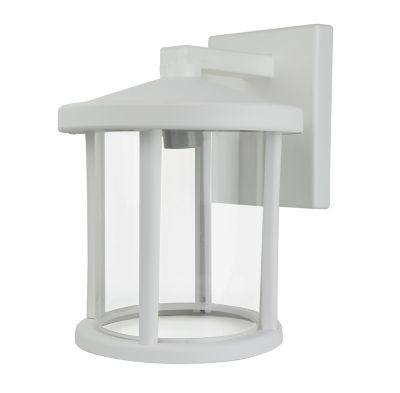
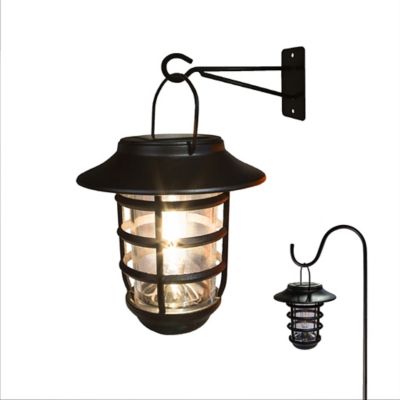
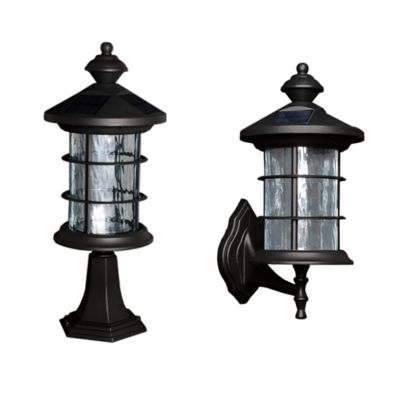
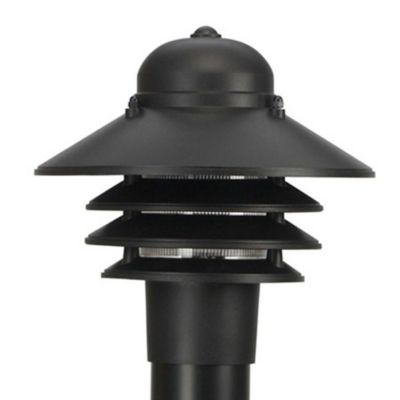
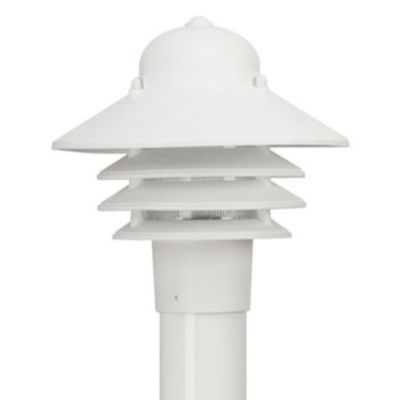
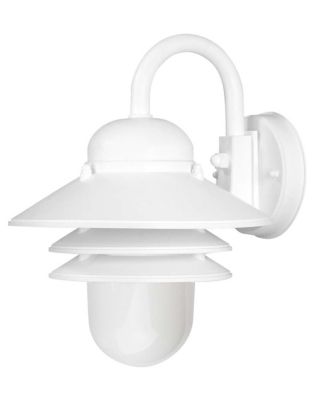
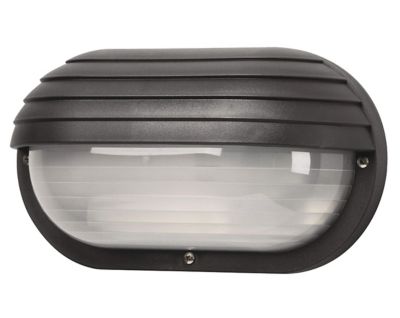
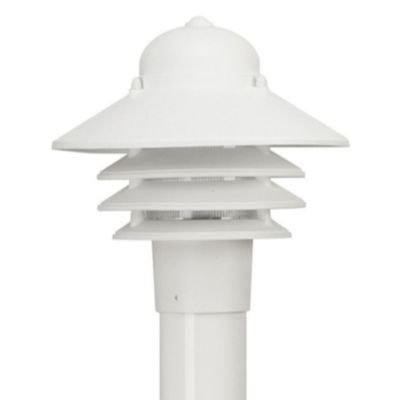
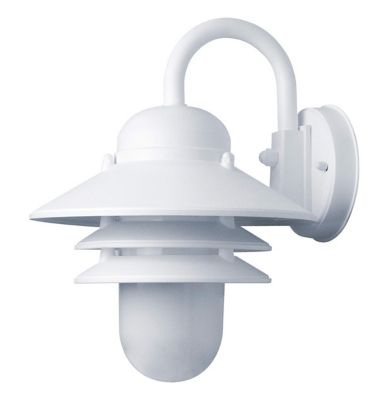
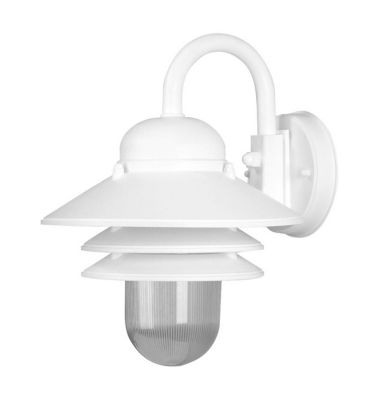
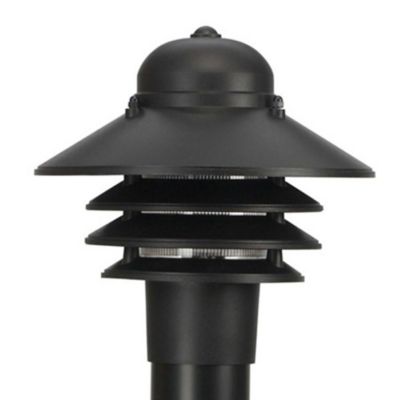
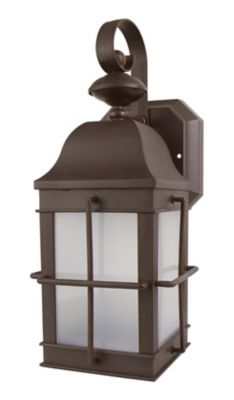
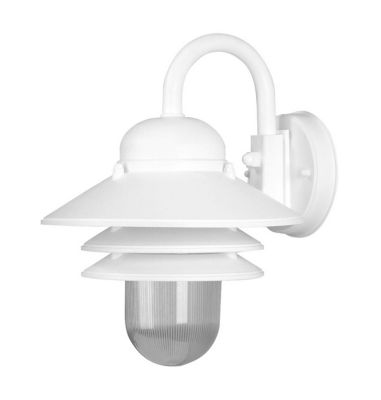
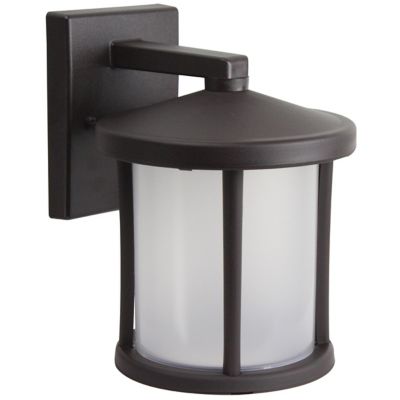
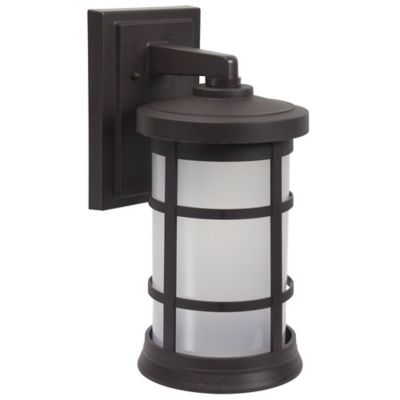
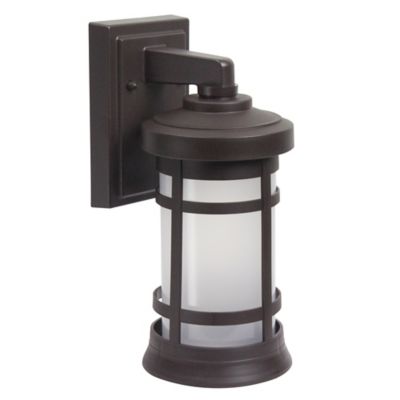
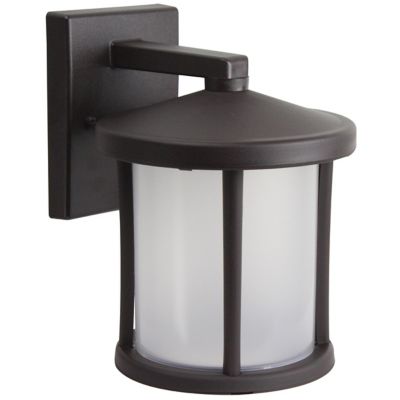
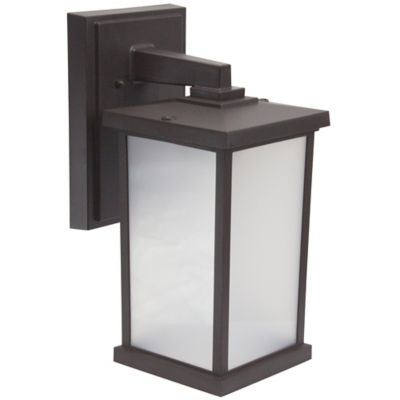
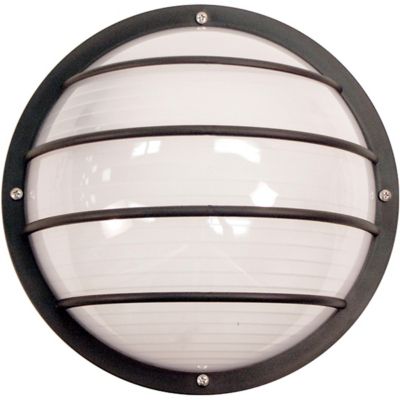
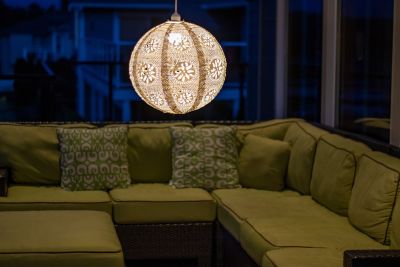
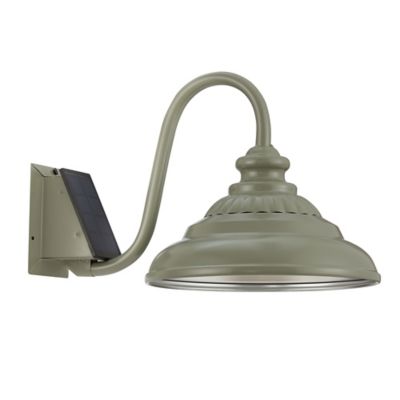
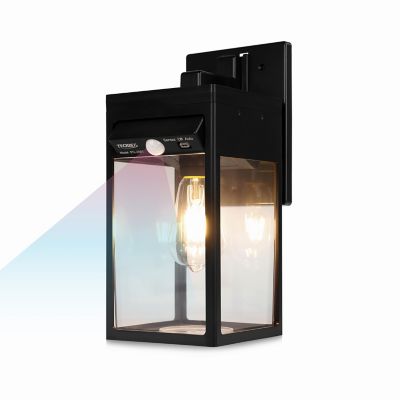
Different fixture styles serve different jobs around a coastal home. Wall lanterns and onion-shaped fixtures cast welcoming light beside a front door, mudroom entrance, garage, or porch stair, while barn-style shades direct light downward and help reduce glare. Caged wall sconces add protection around the glass and suit busy areas such as a side entry, boat shed, or covered work space. Path lights help mark a walk from the driveway to the house, making it easier to spot uneven ground, loose gravel, or a slick step during the cooler months. Low-profile niche lights can tuck into retaining walls, steps, or landscape borders without crowding a narrow walkway. For patios and outdoor seating areas, choose light that spreads softly across the space rather than shining straight into people’s eyes. Shielded designs are especially helpful near a porch swing or dining table, where direct glare can make an evening less comfortable. LED fixtures are a practical choice for regular outdoor lighting because they generally draw less electricity and provide steady illumination with little heat. Browse
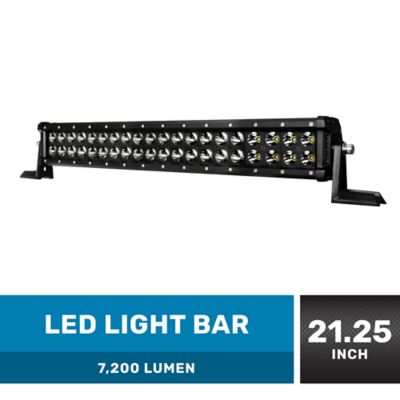
Outdoor LED Fixtures when you want to compare LED options for entryways, paths, garages, and other areas around the property. Before installation, map where light is needed after dark, then consider the beam direction, mounting height, color temperature, and switching method. A warm white tone often feels inviting at a front entry, while a clearer white can help with task lighting near a garage or workbench. Motion sensors can brighten a dark approach when someone arrives, and dusk-to-dawn controls can handle routine lighting without requiring a trip outside in cold or wet weather.
Coastal lighting also makes a thoughtful gift for someone settling into a shore home, updating a porch, or improving the approach to a cabin, ranch house, or weekend place. A family member may appreciate a wall fixture for a newly finished mudroom, while a friend with a dock, guesthouse, or screened porch may need lighting that can stand up to damp air and changing weather. When giving outdoor lighting, consider the recipient’s mounting location first: covered entry, open walkway, garage wall, fence post, or patio ceiling. Measure the mounting surface and note the existing electrical box, since a fixture that is too broad or heavy for the space can create installation trouble. Matching the finish to nearby hardware helps the area feel pulled together, but the surrounding conditions should guide the material choice. Near the ocean, salt residue can collect on glass and metal even when the fixture is beneath a roof, so a simple rinse with fresh water and a soft cloth can help remove buildup. Follow the maker’s care instructions, inspect seals and fasteners from time to time, and replace cracked lenses or damaged wiring promptly. During the cooler months, keep fixtures clear of leaves, blowing sand, ice, and snow so light can reach the ground and water can drain away from the housing. With the right placement and a finish suited to the setting, coastal outdoor lighting can make a long driveway easier to follow, give guests a clear path to the door, and add a warm glow to porch conversations as daylight fades.