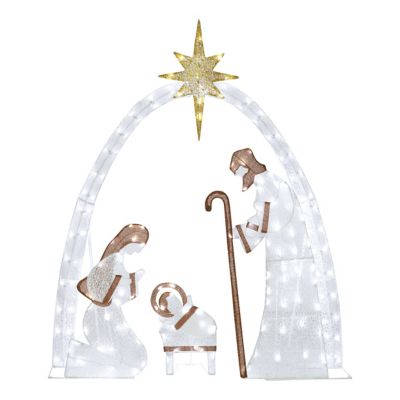
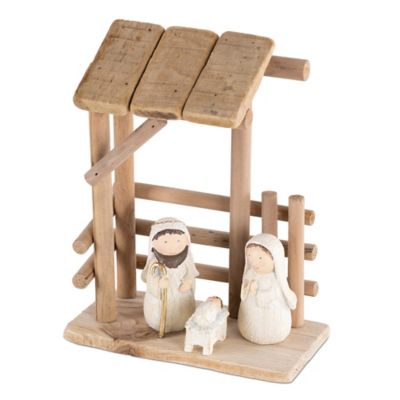
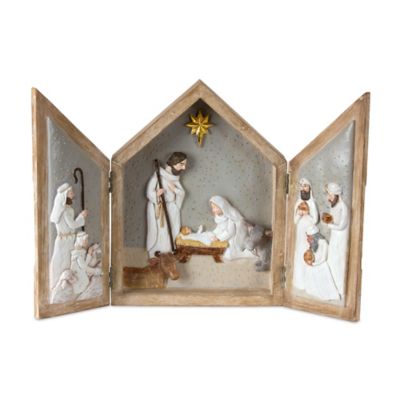
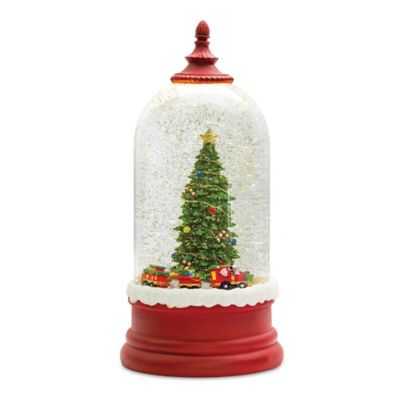
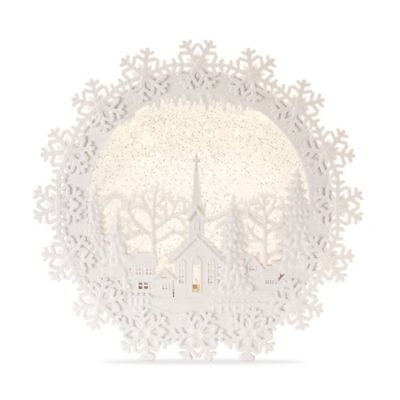
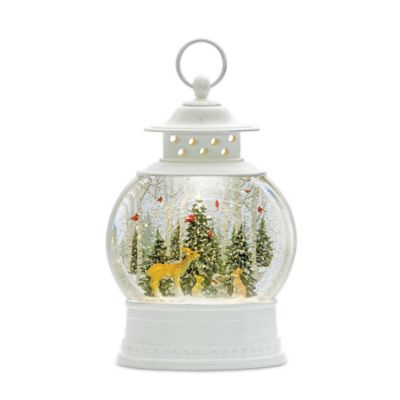
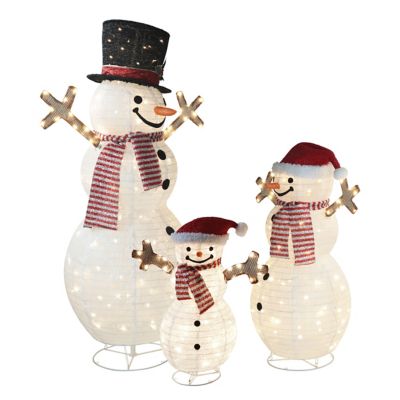
Christmas scene decorations bring a holiday setting to life through grouped figures, buildings, scenery, and lights. They range from small tabletop villages and nativity scenes to larger displays for porches and yards, with each arrangement telling a little story. A village might suggest a snowy country town, while a manger scene keeps the focus on the Christmas story. Woodland animals, farm settings, and Santa-themed scenes offer other ways to build a display that feels at home beside a hearth or near the front door. Some arrangements have one main feature; others combine several pieces to create depth and activity. The setting matters as much as the subject. A narrow mantel calls for a different footprint than a deep entryway table, and a scene viewed from across the living room needs a stronger outline than one enjoyed up close. Overall height, base dimensions, and spacing between pieces help determine whether an arrangement fits comfortably without crowding the surface. Materials also shape the look and handling of a display. Ceramic brings a smooth finish and a substantial feel, though small details can be vulnerable to bumps. Resin allows for textured clothing, animal features, and detailed buildings, while wood lends warmth and visible grain. Metal can create crisp silhouettes, and fabric elements add softness to figures and scenery. None of those materials alone determines whether a piece belongs indoors or outside; the stated placement and care requirements matter. Lighted scenes add another consideration, since battery compartments, cords, and switches need room without becoming the center of attention. On a family-room shelf, a softly glowing village can sit against a plain background so its details stand out. In a busy household, keeping breakable figures and small removable parts beyond the reach of young children and pets helps preserve both the display and a comfortable gathering space. The best fit leaves enough room for everyday life, whether that means serving Christmas supper, opening the front door fully, or setting down a pair of gloves after chores.
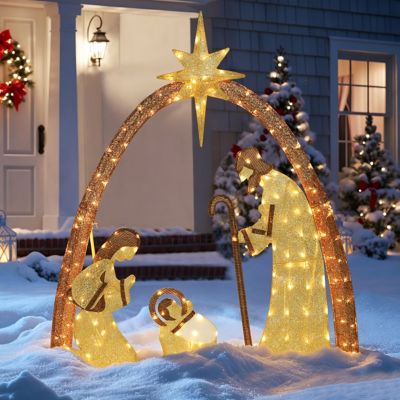
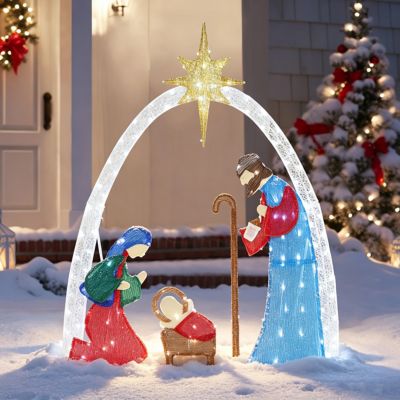
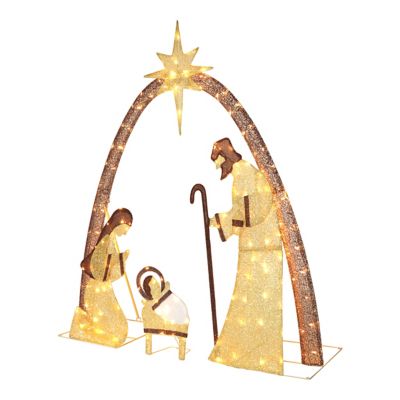
Outdoor Christmas scenes bring that same storytelling to a larger space, where shape, placement, and lighting carry more weight than tiny details. Nativity arrangements, illuminated figures, open-frame silhouettes, and inflatable scenes each create a different effect against a lawn, fence line, or porch. A broad front yard can give a larger arrangement room to stand apart, while a compact porch often benefits from a smaller grouping that leaves steps and handrails clear.
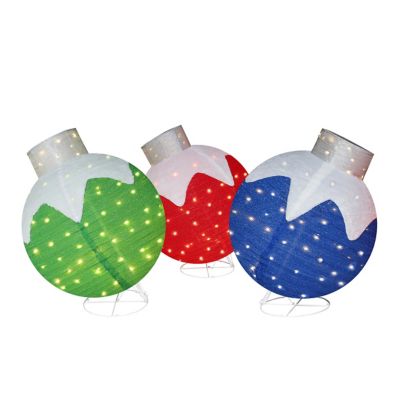
Lit Outdoor Christmas Decorations add visibility after dark, helping outlines and focal points remain clear when fine details are harder to see. Warm white lighting can suit a quiet manger scene or country setting, while multicolor lighting gives playful holiday scenes a livelier feel. Daytime appearance still matters, especially for displays near the driveway or front walk. Frames, fabric coverings, and painted surfaces remain visible before the lights come on, and their colors can look different against brick, wood siding, or open pasture. Outdoor suitability depends on the complete construction, including the frame, finish, wiring, and connections. A metal frame is not automatically intended for wet conditions, and a lighted figure needs the appropriate rating for its placement. Wind exposure is another practical difference between a sheltered porch and an open stretch beside the barn. Broad panels and tall figures catch more wind, making the specified stakes, ties, or mounting points important parts of the setup. Inflatables also need the clearance and anchoring described in their instructions, along with a suitable power source for their blowers. Cord length and outlet location affect placement before the first light turns on; outdoor-rated connections should not cross a walking path or sit where water collects. Solar-powered lighting depends on adequate sunlight, so deep porch shade or a nearby outbuilding can limit performance. A scene should also leave clear sightlines where a driveway meets the road. These practical details help a Christmas display fit the property without getting in the way of daily trips between the house, truck, and outbuildings.
A Christmas scene can become part of a family tradition without filling every available corner. Some households favor a complete, coordinated arrangement, while others build around a central setting and add compatible pieces over time. Scale is especially important when combining separate groups: figures, buildings, and trees look more connected when their proportions make sense together. Matching every color is less important than keeping a consistent mood, whether that is a peaceful churchyard, a bustling village square, or a farm scene with familiar country touches. A plain backdrop and a little open space often let the details speak for themselves. For gift giving, the recipient’s space, interests, and holiday traditions are better starting points than size alone. A compact village may suit someone who enjoys arranging a tabletop display, while a nativity scene may carry particular meaning for a family that centers its celebration on the Christmas story. Someone with a small home may appreciate an arrangement that packs into a modest box, and a person who prefers a simpler setup may favor fewer pieces and easy-to-reach controls. Storage and care deserve the same attention as the holiday appearance. Ceramic buildings and slender resin figures need cushioning around corners and projecting details; fabric components should be fully dry before packing to help prevent mildew. Painted wood and metal finishes generally benefit from gentle cleaning according to the maker’s directions rather than harsh scrubbing. Lights, plugs, and cords need inspection for damage before each setup, and replacement bulbs or electrical parts must match the stated requirements. Removable batteries belong outside their compartments during extended storage when the instructions call for it. Keeping small parts, mounting hardware, and assembly directions together makes the next setup less of a hunt. Whether the scene welcomes neighbors from the porch or draws the family toward a softly lit mantel, thoughtful sizing, suitable materials, and careful storage help it remain a familiar part of Christmas for years to come.