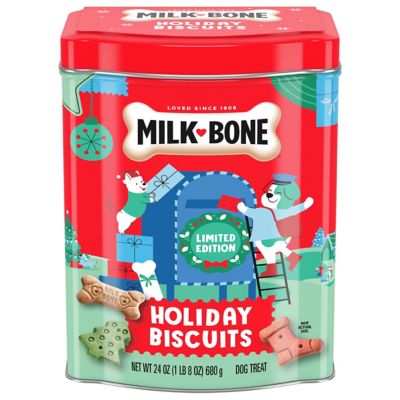
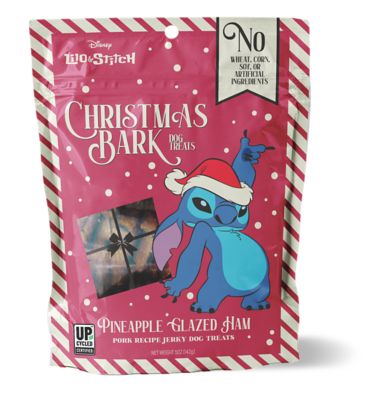
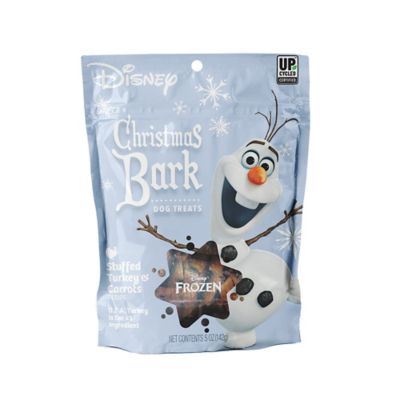
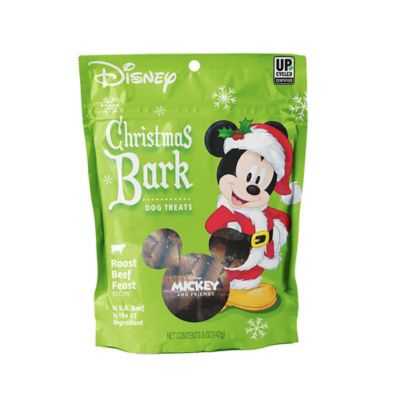
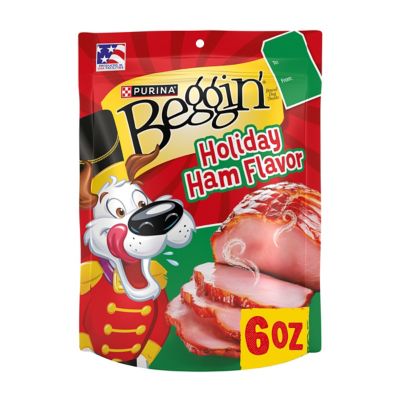
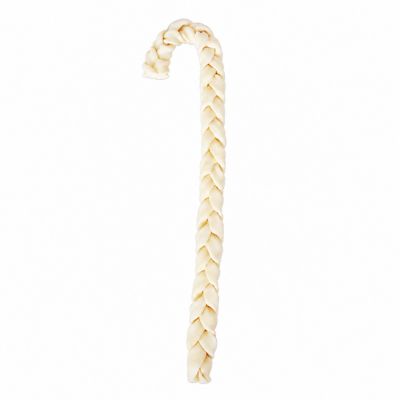
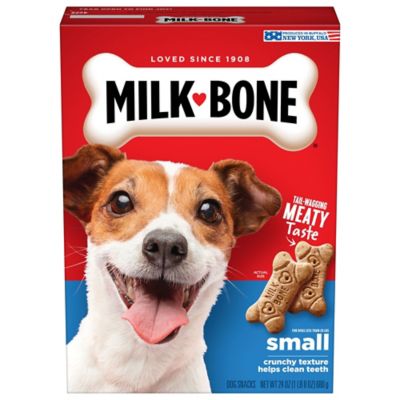
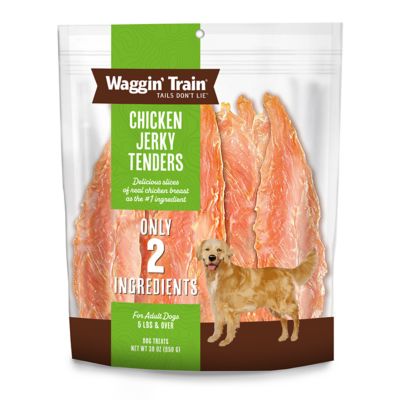
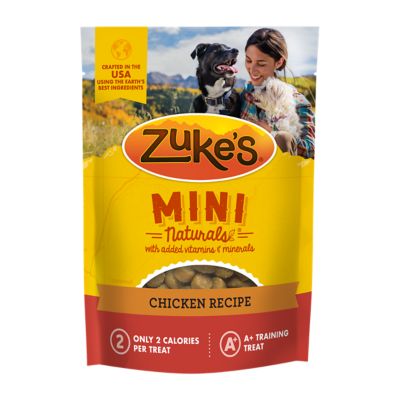
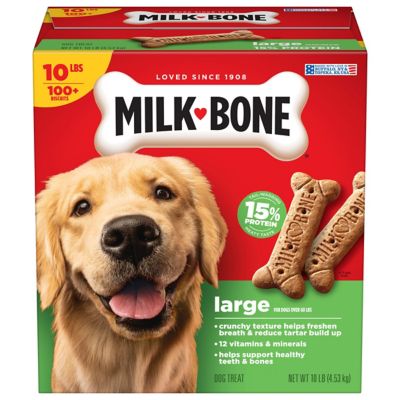
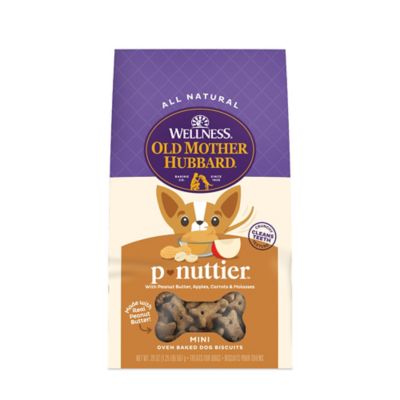
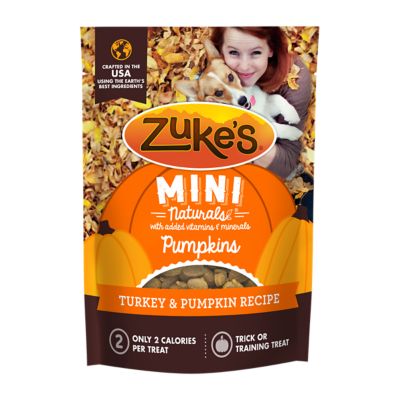
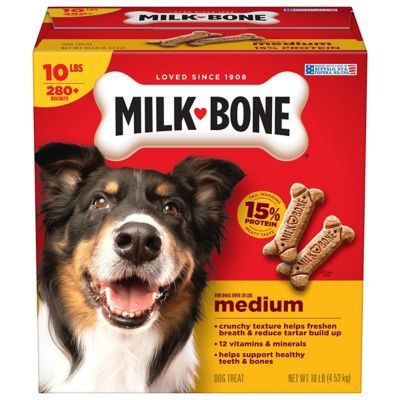
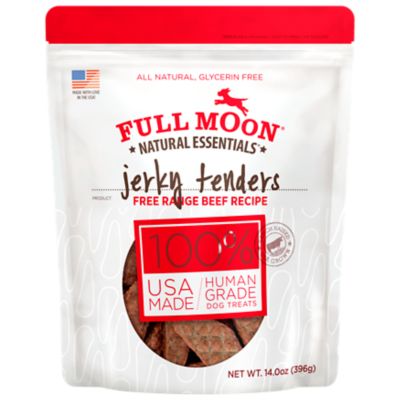
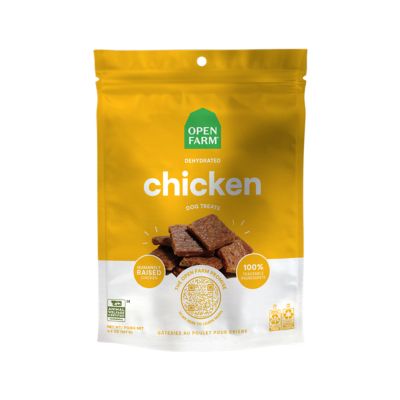
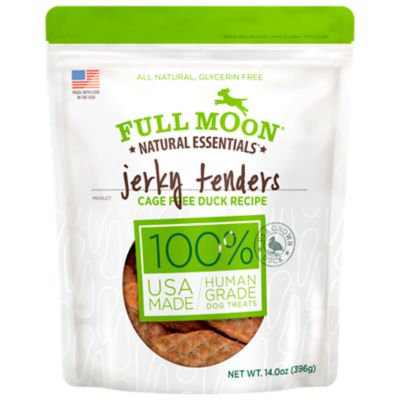
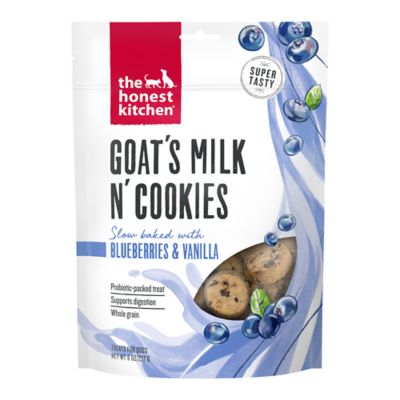
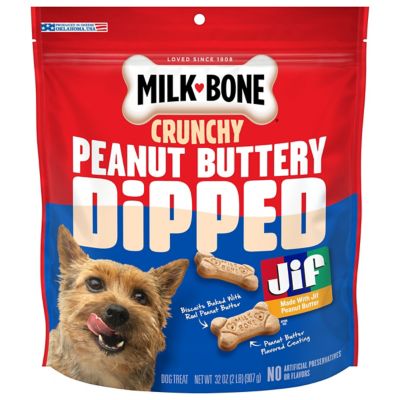
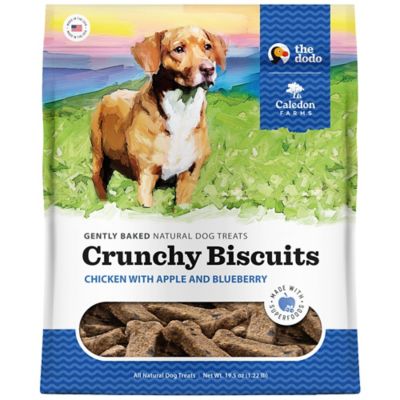
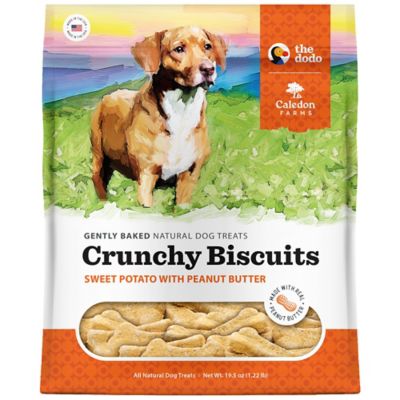
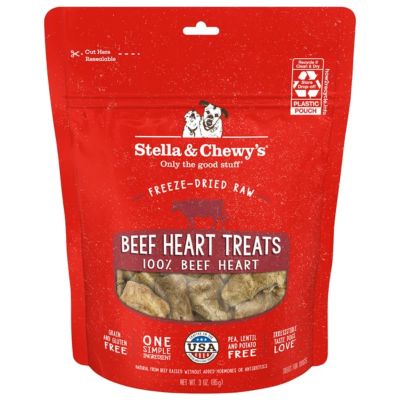
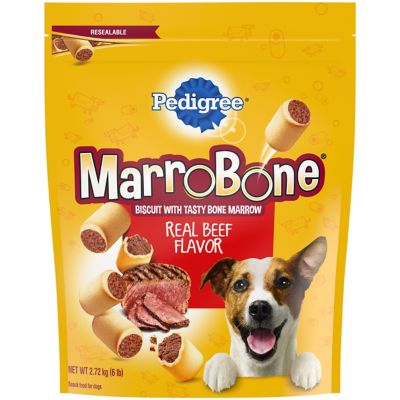
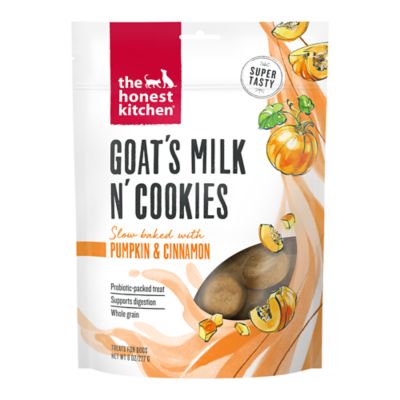
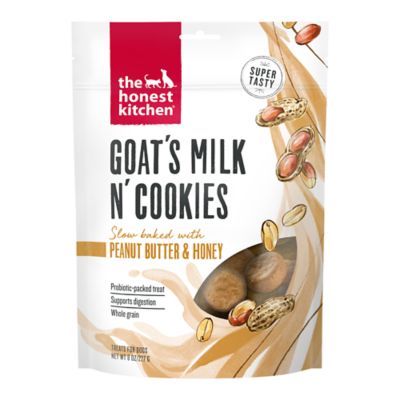
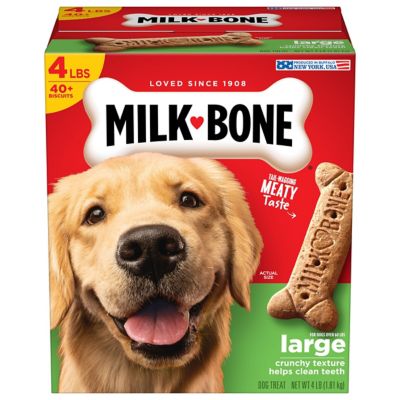
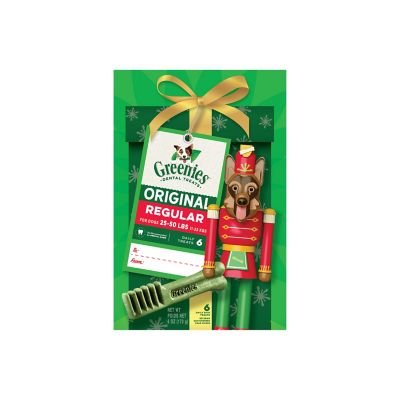
Christmas dog treats for holiday gifting bring a little tail-wagging fun to stockings, gift bags, and visits with dog-loving friends. A treat tucked beside the family dog's stocking feels right at home with the rest of the Christmas spread, while a neatly packaged assortment makes a thoughtful thank-you for a neighbor who helps with chores or a pet sitter who knows every dog's routine. The best match starts with the dog receiving the gift, not just the festive shape on the package. Crunchy biscuits offer a satisfying snap, soft bites suit dogs that prefer a gentler texture, and small rewards fit the everyday moments between the bigger celebrations. Longer-lasting chews serve a different purpose and need to match a dog's size, chewing habits, and feeding directions. Christmas trees, stars, and bone shapes can give treats a cheerful holiday look, but size and texture matter more than appearance when the wrapping comes off. A little dog needs a manageable bite, while a larger dog still needs a treat that encourages chewing rather than gulping. For a household with several dogs, individually portioned treats can make sharing simpler, especially when each dog has a different feeding routine. Familiar flavors such as chicken, peanut butter, apple, or pumpkin can help a gift feel less like a gamble when the recipient's preferences are known. Ingredient lists tell more about suitability than flavor names alone, since a biscuit with a fruit flavor may also contain animal proteins, dairy, or grains. A dog that usually enjoys a crunchy reward after coming in from the yard may appreciate that same familiar style in a Christmas package. A dog that takes tiny rewards during training may get more enjoyment from a bag of small bites than one oversized chew. That everyday usefulness is part of what makes Christmas dog treats such an easygoing gift: the holiday packaging brings the celebration, and the treats fit into time already spent together.
A good holiday treat gift respects the dog's regular diet as much as the occasion. For most healthy dogs, treats should provide no more than 10% of daily calories, with complete and balanced food supplying the rest; a veterinarian may recommend a different limit for an individual dog. Calorie information and feeding directions make portion sizes easier to judge, especially with larger biscuits or rich chews that can represent several rewards rather than a single serving. Smaller pieces let the celebration stretch across walks, practice sessions, and quiet evenings without turning every reward into a full snack. Puppies, older dogs, and dogs with dental concerns may need different textures, and a soft treat is not automatically suitable for every mouth or medical condition. Age recommendations, size guidance, and the owner's knowledge of the dog all matter. Dogs on prescription diets or with food allergies deserve extra care, so checking with their person before giving an edible gift keeps a friendly gesture from disrupting an established plan. Simple ingredient lists can make that conversation easier, though fewer ingredients do not guarantee that a treat will agree with every dog. Grain-free wording alone does not establish whether a treat is the right fit, either. Festive dog biscuits are also separate from the cookies on the family dessert tray. Chocolate, raisins, macadamia nuts, and xylitol, sometimes called birch sugar, do not belong in a dog's holiday snacks. Peanut butter treats still need a dog-appropriate ingredient list, and rich human desserts are no substitute for treats made for canine feeding. Chews call for supervision, with small remaining pieces taken away before they become a swallowing hazard. Treats meant to occupy a dog while company visits are still something an adult should keep an eye on, not something to leave behind when everyone heads out. For gifts going to another household, keeping the original label attached gives the owner the information needed to decide when, how much, and whether to serve them.
Packaging makes Christmas dog treats easier to give, carry, and keep fresh long after the ribbons come off. A sealed package protects the contents during a ride to a family gathering, while a resealable closure helps keep the remaining treats in the condition described on the label. Firm biscuits and soft, moisture-rich bites can have different storage needs, so the package directions matter more than a matching holiday container. Some treats belong in a cool, dry cupboard; others may need refrigeration after opening. A gift tin or bag works well as an outer layer, with the original food package inside to preserve ingredient details, feeding directions, and the best-by date. That arrangement also helps the recipient recognize the treats later if the dog takes a liking to them. Keeping edible gifts away from damp entryways, direct heat, and curious noses protects both the present and the pup. A wrapped package under the tree can be tempting even before Christmas morning, particularly when a dog can smell what is inside. Ribbons, tissue, tags, and plastic wrapping belong out of reach rather than mixed in with the reward. In homes with children or several pets, a clearly labeled gift helps everyone know which treats belong to which dog, and an adult can handle the portions. The same practical details make a difference when sending a present home with a friend: a secure seal, readable label, and manageable package are easier to tuck into the truck than loose treats in a bow-tied bag. For a present that includes the person holding the leash,
Cute Holiday Gifts for Dog Lovers offers another way to carry the theme through the holiday exchange. Whether the recipient is a porch companion, a farmyard sidekick, or a pup who claims the best spot beside the couch, a thoughtfully matched treat gift gives their person something enjoyable to share through the ordinary days that follow Christmas.