Chicken Coop Cameras
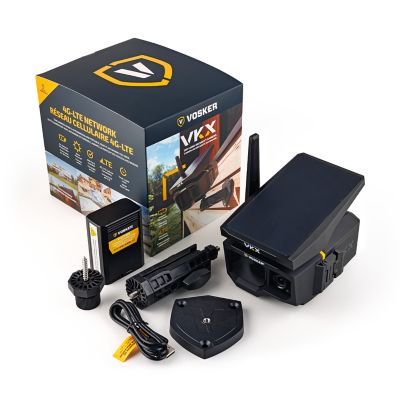
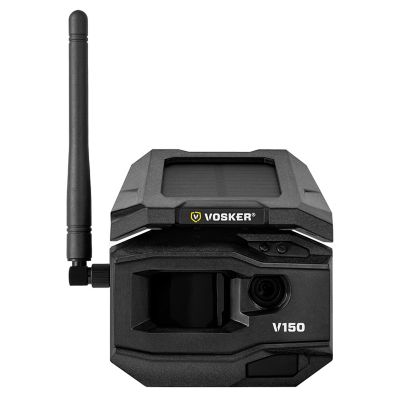
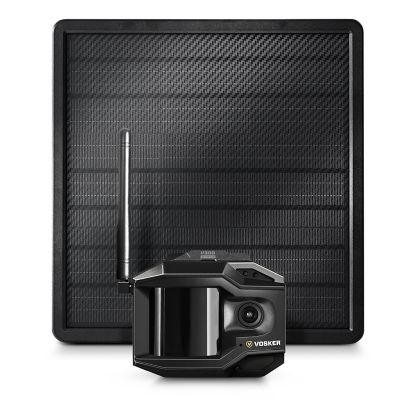
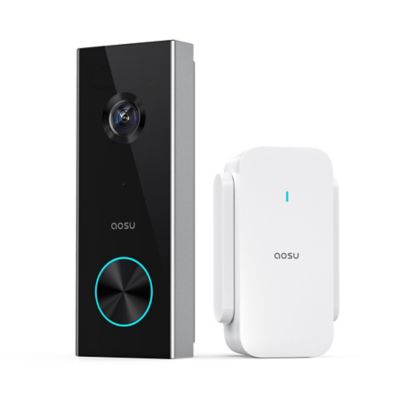
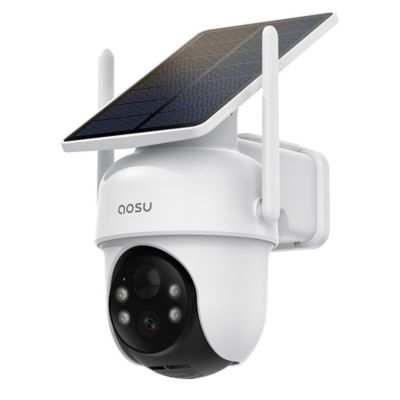
Keeping an eye on your flock just got easier with Chicken Coop Cameras. Whether you’re checking in on new chicks or making sure your hens are safe at night, these cameras help you stay connected to your coop from anywhere. Perfect for peace of mind, Chicken Coop Cameras are a handy addition for any backyard chicken keeper looking to protect their birds and keep tabs on daily activity.
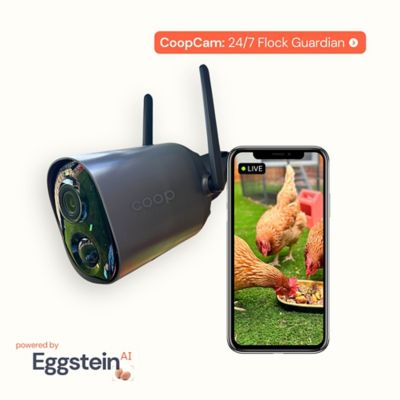
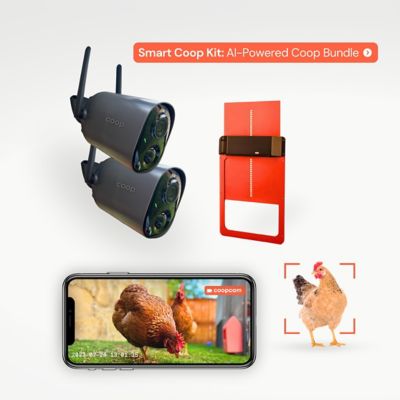
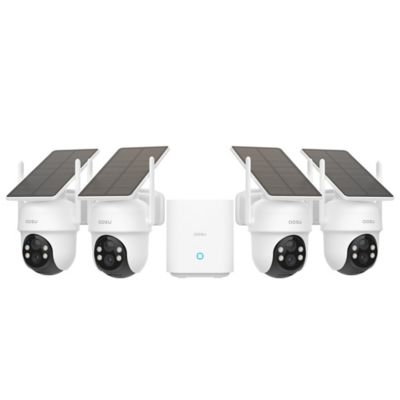
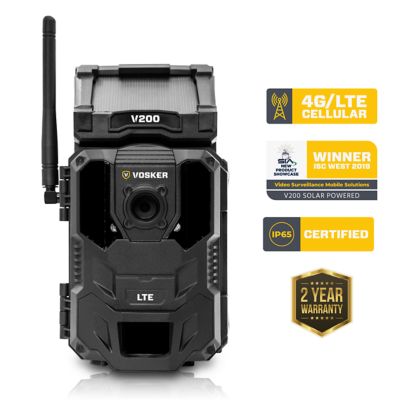
$299
.99
Sale Was $399.99 Save $100.00 (25%)
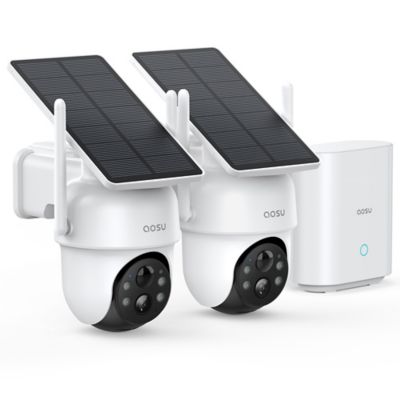
$237
.99
Sale Was $299.99 Save $62.00 (21%)
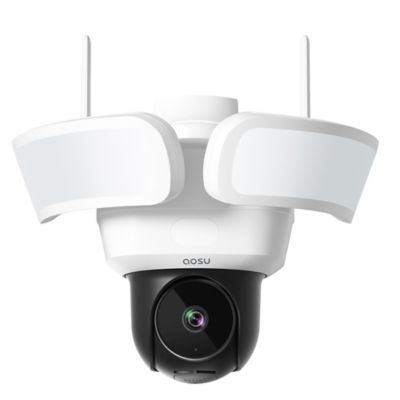
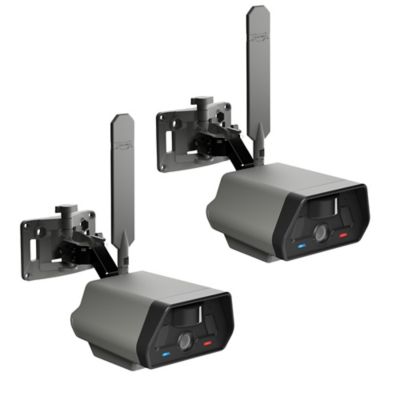
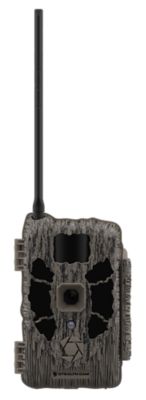
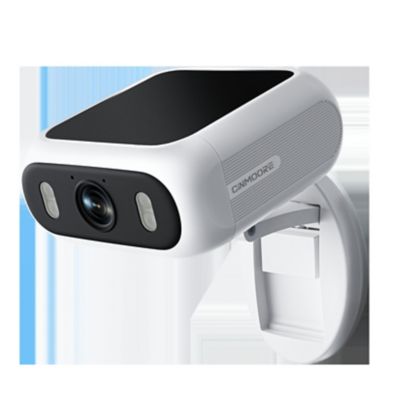
Best Of FAQ
What features should I look for in a chicken coop camera?
Look for features like night vision, motion detection, weather resistance, and remote viewing from your phone. Some cameras even let you talk to your chickens if you want!
Can I use a regular security camera as a chicken coop camera?
Yep, lots of folks use regular security cameras in their coops. Just make sure it can handle the dust and weather, and that it covers the area you want to watch.
How do I set up a chicken coop camera?
Most cameras are pretty easy to set up—just mount them where you want, connect to Wi-Fi if needed, and follow the app instructions. Make sure it’s pointed at the spots where your chickens hang out most.
Will a chicken coop camera work without Wi-Fi?
Some cameras can record to an SD card without Wi-Fi, but if you want to check on your flock from your phone or get alerts, you'll need an internet connection.
Are there cameras that let me watch my chickens at night?
Sure thing! Many chicken coop cameras come with infrared night vision so you can keep an eye on your birds after dark.
Best Sellers
-
-
"The Coop app is great and it's a really neat product to be able to monitor my hens from anywhere"
-
"Great hen house. Our girls love it. Took a few hours to put together"
-
"The best deal I have found on Net this year! Have just stated using this on December 13, 2020"
-
"Sturdy, easy to assemble and I love the fact that you can buy extensions as wish"