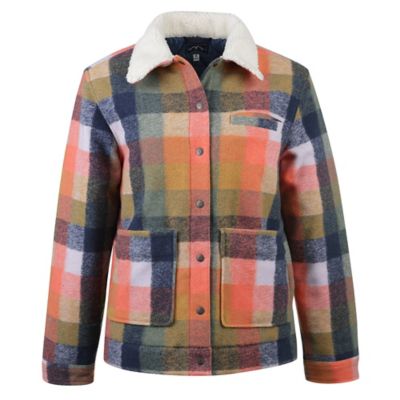
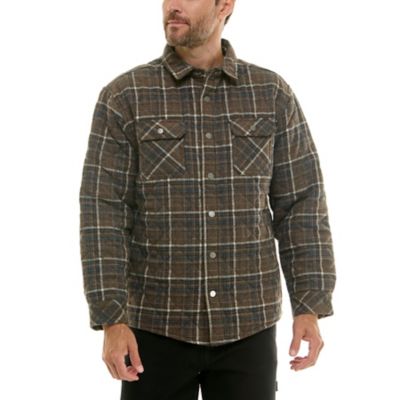
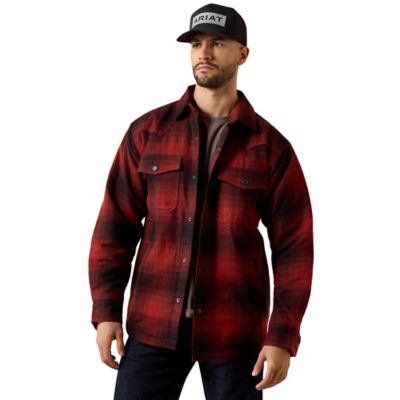
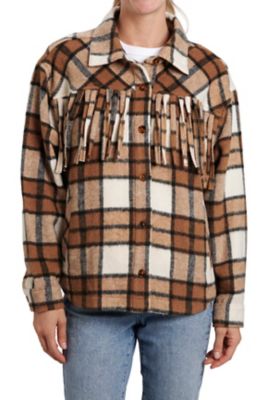
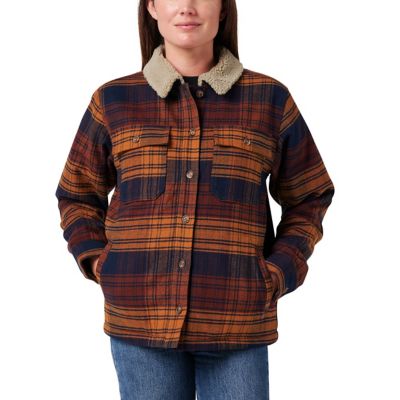
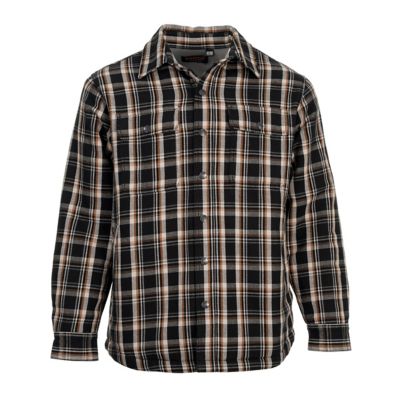
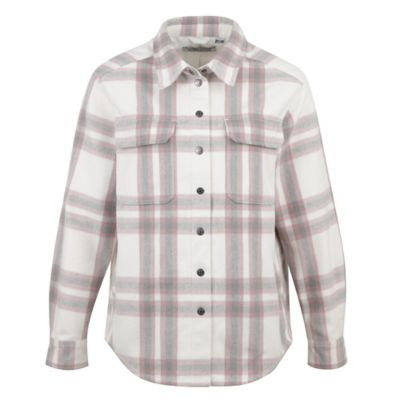
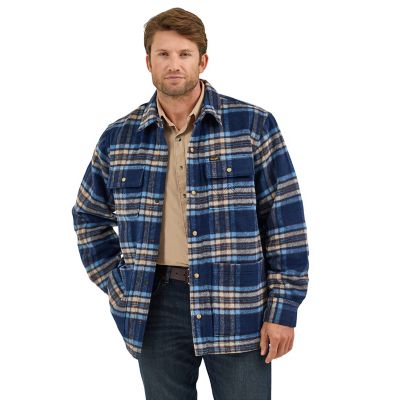
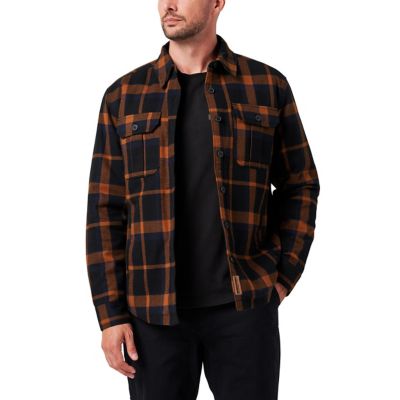
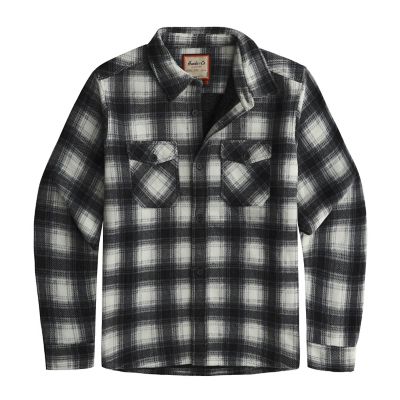
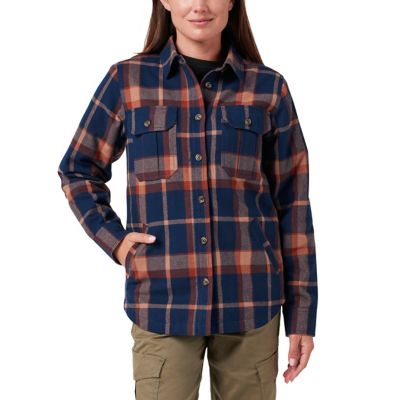
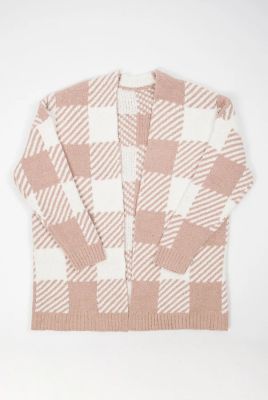
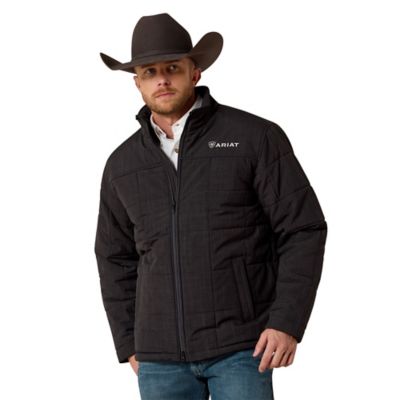
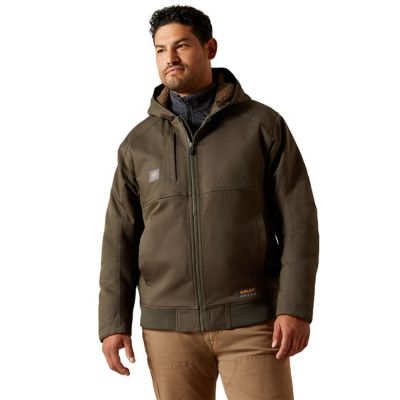
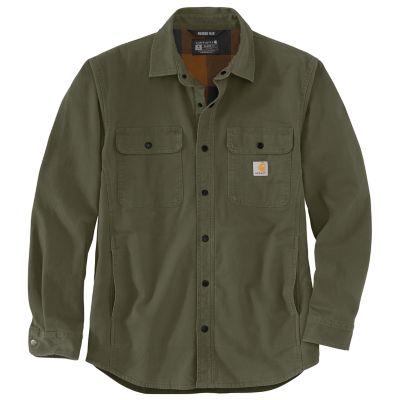
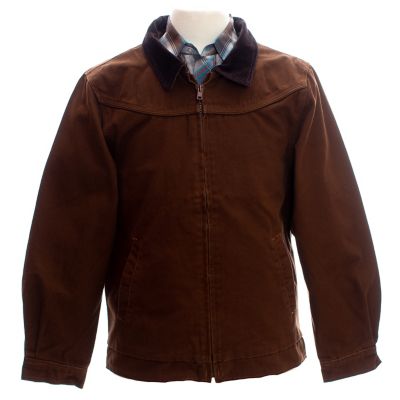
A checkered jacket brings a little extra character to everyday outerwear while still handling the practical job of keeping you comfortable when the air turns cool. The defining feature is the grid-like pattern of squares, which may be made with two bold shades, soft earth tones, or several colors woven together. That pattern gives a jacket a familiar, easygoing look that fits just as well around a fire pit as it does on a trip into town, a walk through the pasture, or a Saturday spent working around the house. Checkered jackets come in several shapes and materials, so it helps to think about how the jacket will be worn before choosing one. A fleece style is soft, warm, and easy to layer over a T-shirt or lightweight work shirt. Corduroy brings a sturdy feel and a bit of old-fashioned workwear charm, while denim offers a durable outer layer that pairs naturally with jeans, boots, and everyday chore clothes. A shacket, or shirt-jacket, is a handy middle ground for changing conditions, with more structure and warmth than a regular shirt but less bulk than a heavy coat. Bomber-inspired designs tend to have a shorter cut and snug ribbed cuffs, collar, and waistband, making them a good fit for casual wear and active days. You may also find checkered jackets with quilted linings, sherpa-style interiors, water-resistant finishes, snap closures, zip fronts, or roomy pockets. These details can make a real difference when you are carrying gloves, keys, a phone, or a pocketknife and would rather keep your hands free.
When shopping for a checkered jacket, start with the fit and the kind of movement you need. A jacket worn for driving, feeding animals, stacking firewood, or walking the dog should leave enough room through the shoulders and chest for a base layer without feeling loose or catching on equipment. Look for sleeves that reach the wrist when your arms are extended, especially if you plan to spend time outdoors. A slightly longer back can add coverage when bending over, sitting on a tractor, or working at a bench. Fabric weight matters, too. Lightweight cotton or a thin woven layer works well when the weather is mild, while fleece, lined corduroy, quilted construction, or a heavier woven shell offers more warmth during the cooler months. If you spend time outside in damp grass or light drizzle, a tightly woven outer fabric or water-resistant finish can be useful, though no casual jacket should be assumed to replace dedicated rain gear. Check the pocket placement and closure style as well. Secure zip or snap pockets help keep small items from falling out during a busy day, and strong buttons or a smooth zipper are worth considering if the jacket will see regular work. Wash instructions are another practical detail. A jacket that can be cleaned at home and does not require fussy care is easier to keep in the rotation, especially when it picks up dust from the barn, woodsmoke near the fire, or a little mud from the driveway. Color is a personal choice, but brown, tan, black, cream, gray, and other muted shades tend to blend easily with work pants and boots. If you already wear a lot of solid colors, a bold check can serve as the main visual piece of an outfit. For a quieter look, choose a smaller pattern or a jacket with closely related shades. Those who like the look of warm earth tones may also enjoy pairing a checkered layer with a
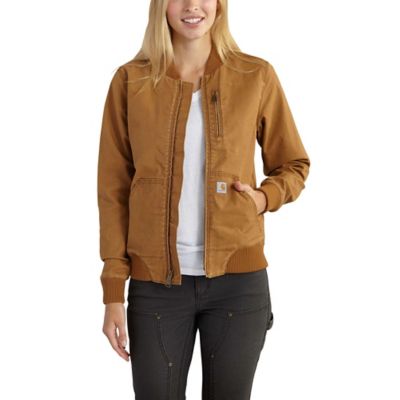
Brown Fall Jacket for an easy outerwear rotation.
Checkered jackets are useful for more than one type of day, which is part of their appeal. They can be worn by folks who work outdoors, spend weekends hunting or camping, tend a backyard garden, travel between job sites, or simply want a dependable layer for errands and cool evenings. A soft fleece jacket can be pulled on before the morning chores and packed away when the afternoon warms up. A sturdy denim or corduroy version can handle regular wear around the workshop and still look at home over a clean shirt for dinner afterward. A shacket is especially handy during the in-between stretch when a heavy coat feels like too much but a shirt alone does not offer enough warmth. Checkered jackets also make thoughtful gifts because the pattern has broad appeal and the styles are easy to use in ordinary life. They can suit a parent who enjoys time outside, a college student building a practical wardrobe, a neighbor who spends weekends at the farm, or a friend who appreciates classic casual clothing. When giving one as a gift, consider the recipient’s usual layers, preferred colors, and daily routine rather than choosing by appearance alone. Someone who works with their hands may value tough fabric, roomy pockets, and an easy fit, while someone wearing the jacket for travel or town may prefer a lighter design with a neat shape. A well-chosen checkered jacket becomes the layer people reach for without much thought: thrown over a hoodie on a cool morning, worn with a flannel shirt during a roadside stop, or kept in the truck for an evening that runs later and colder than planned. With the right balance of warmth, comfort, durability, and personal style, it can become a reliable part of a wardrobe through changing weather and busy days outdoors.